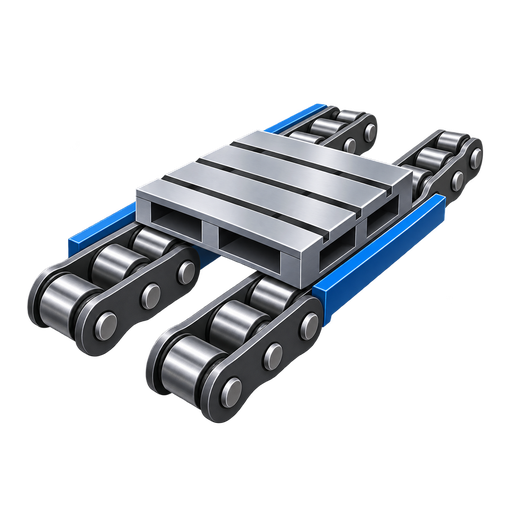
Opis produktu
CZPT rollers enhance rotation on the bushing while reducing impact loads on the sprocket tooth during operation.
Wszystkie elementy są poddawane obróbce cieplnej w celu uzyskania maksymalnej wytrzymałości.
Wstępnie obciążone w procesie produkcyjnym w celu zminimalizowania początkowego wydłużenia.
Smarowanie na gorąco gwarantuje smarowanie 100% wszystkich podzespołów łańcucha, co wydłuża żywotność i redukuje koszty konserwacji.
| ANSI NIE. |
POZIOM | KRZAK SZEROKOŚĆ |
WAŁEK DIA |
SZPILKA | PŁYTA | ULTIMATE ROZCIĄGAJĄCY WYTRZYMAŁOŚĆ |
WEIGHT | |||
| D | L | Lc | T | H | ||||||
| mm | mm | mm | mm | mm | mm | mm | mm | KN/min | kg/m | |
| 428H-OR | 12.700 | 7.75 | 8.51 | 4.45 | 22.80 | 23.90 | 2.03 | 11.81 | 23.00 | 0.95 |
| 520H-OR | 15.875 | 6.25 | 10.16 | 5.09 | 22.00 | 23.20 | 2.42 | 15.09 | 21.80 | 1.30 |
| 50-OR | 15.875 | 9.40 | 10.16 | 5.09 | 24.80 | 26.00 | 2.03 | 15.09 | 21.80 | 1.15 |
| 60-OR | 19.050 | 12.57 | 11.91 | 5.94 | 30.40 | 31.90 | 2.42 | 18.08 | 31.10 | 1.66 |
| 80-OR | 25.400 | 15.75 | 15.88 | 7.94 | 35.50 | 37.00 | 3.25 | 24.13 | 55.60 | 2.95 |
| Stosowanie: | Transmission Chain, Conveyor Chain, Dedicated Special Chain, Roller Chain |
|---|---|
| Tworzywo: | Stal stopowa/węglowa |
| Obróbka powierzchni: | Polerowanie |
| Funkcja: | Odporny na ciepło |
| Rozmiar łańcucha: | 1/2"*1" |
| Struktura: | Łańcuch rolkowy |
| Próbki: |
US$ 10/metr
1 metr (minimalne zamówienie) | |
|---|
| Personalizacja: |
Dostępny
| Spersonalizowane żądanie |
|---|
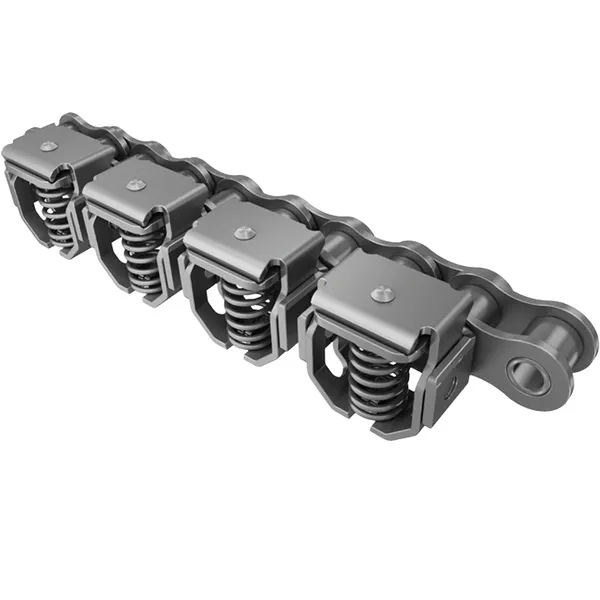
Jakie są korzyści ze stosowania systemu przenośników łańcuchowych nadziemnych?
Zastosowanie systemu przenośników łańcuchowych nadziemnych oferuje szereg korzyści w różnych zastosowaniach przemysłowych. Oto kilka kluczowych zalet:
1. Optymalizacja przestrzeni:
– Systemy przenośników łańcuchowych nadziemnych wykorzystują przestrzeń pionową, umożliwiając efektywne wykorzystanie powierzchni podłogi. Jest to szczególnie korzystne w obiektach o ograniczonej powierzchni, ponieważ umożliwia sprawne przemieszczanie materiałów i przepływ produkcji bez blokowania przestrzeni roboczej.
2. Elastyczność i wszechstronność:
– Łańcuchy przenośników podwieszanych oferują elastyczność w prowadzeniu i mogą być dostosowane do specyficznych wymagań układu obiektu. Mogą one przebiegać przez różne obszary, w tym linie montażowe, kabiny lakiernicze, magazyny i inne. Wszechstronność systemów podwieszanych pozwala na wydajny i elastyczny transport materiałów.
3. Poprawa bezpieczeństwa:
– Łańcuchy przenośników nadziemnych minimalizują przeszkody na poziomie gruntu, zmniejszając ryzyko potknięcia się i wypadków. Operatorzy i pracownicy mogą bezpiecznie poruszać się po obszarze roboczym bez zakłóceń ze strony systemu przenośników.
4. Ochrona produktu:
– Łańcuchy przenośników nadziemnych zapewniają lepszą ochronę transportowanych produktów. Utrzymując produkty w pozycji uniesionej i z dala od potencjalnych zagrożeń na podłodze, takich jak kurz, zanieczyszczenia czy rozlane płyny, zmniejsza się ryzyko uszkodzenia lub zanieczyszczenia produktu.
5. Zwiększona wydajność:
– Systemy przenośników podwieszanych mogą zwiększyć wydajność produkcji, ułatwiając ciągły przepływ materiałów i redukując ręczną obsługę. Umożliwiają one zautomatyzowany załadunek i rozładunek materiałów, co przekłada się na krótszy czas przetwarzania i poprawę ogólnej wydajności.
6. Łatwa konserwacja:
– Łańcuchy przenośników podwieszanych są zazwyczaj projektowane z myślą o łatwej konserwacji. Dostęp do takich komponentów jak łańcuchy, wózki i napędy oraz ich serwisowanie są wygodne, co minimalizuje przestoje i koszty konserwacji.
7. Dostosowywanie i integracja:
– Łańcuchy przenośników podwieszanych można dostosować do konkretnych wymagań aplikacji, w tym nośności, prędkości i systemów sterowania. Można je również zintegrować z innymi systemami zautomatyzowanymi, takimi jak stanowiska robotyczne lub mechanizmy sortujące, w celu dalszej optymalizacji procesu transportu materiałów.
Ogólnie rzecz biorąc, zastosowanie podwieszonego systemu przenośników łańcuchowych zapewnia wydajną obsługę materiałów, maksymalizuje wykorzystanie przestrzeni, zwiększa bezpieczeństwo i podnosi wydajność w środowiskach przemysłowych.
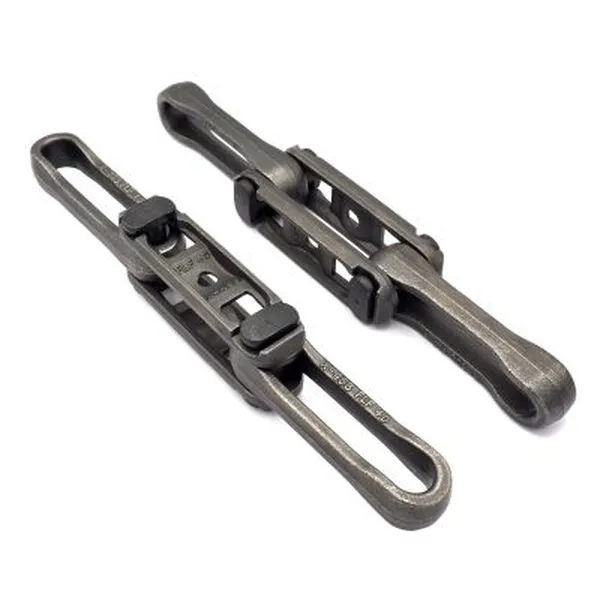
What are the safety measures for working with heavy-duty conveyor chains?
Working with heavy-duty conveyor chains requires strict adherence to safety measures to protect the workers and maintain a safe working environment. Here are some important safety measures to consider:
1. Proper Training: All personnel involved in working with conveyor chains should receive comprehensive training on the safe operation and maintenance of the equipment. This includes understanding the potential hazards, safety procedures, and proper use of personal protective equipment (PPE).
2. Equipment Inspection: Regular inspection of the conveyor chain and associated components is crucial to identify any signs of wear, damage, or malfunction. This includes checking for loose fasteners, worn sprockets, misalignment, and any other potential hazards. Any issues should be addressed promptly to prevent accidents.
3. Lockout/Tagout: Before performing any maintenance or repair tasks on the conveyor chain, proper lockout/tagout procedures must be followed. This ensures that the equipment is de-energized and isolated from any power source to prevent accidental startup or movement.
4. Personal Protective Equipment (PPE): Workers should wear appropriate PPE, including safety glasses, gloves, steel-toed boots, and hearing protection. The specific PPE requirements may vary depending on the nature of the work and the potential hazards involved.
5. Safe Work Practices: Workers should follow safe work practices, such as avoiding loose clothing or jewelry that can get caught in the chain, keeping hands and clothing clear of moving parts, and using proper lifting techniques when handling heavy loads.
6. Emergency Stop Systems: Conveyor systems should be equipped with emergency stop buttons or pull cords that allow workers to quickly stop the chain in case of an emergency or hazardous situation.
7. Regular Maintenance: Scheduled maintenance and lubrication of the conveyor chain should be performed according to the manufacturer’s recommendations. This helps to ensure optimal performance and minimize the risk of unexpected failures.
8. Clear Warning Signs and Labels: Proper signage, warning labels, and safety instructions should be clearly displayed near the conveyor chain system to remind workers of potential hazards and safe operating procedures.
9. Regular Safety Training and Communication: Ongoing safety training and communication among the workforce are vital to reinforce safe practices and raise awareness of any changes or updates to safety protocols.
By implementing these safety measures and fostering a safety-conscious culture, the risks associated with working with heavy-duty conveyor chains can be minimized, ensuring the well-being of the workers and the efficient operation of the equipment.
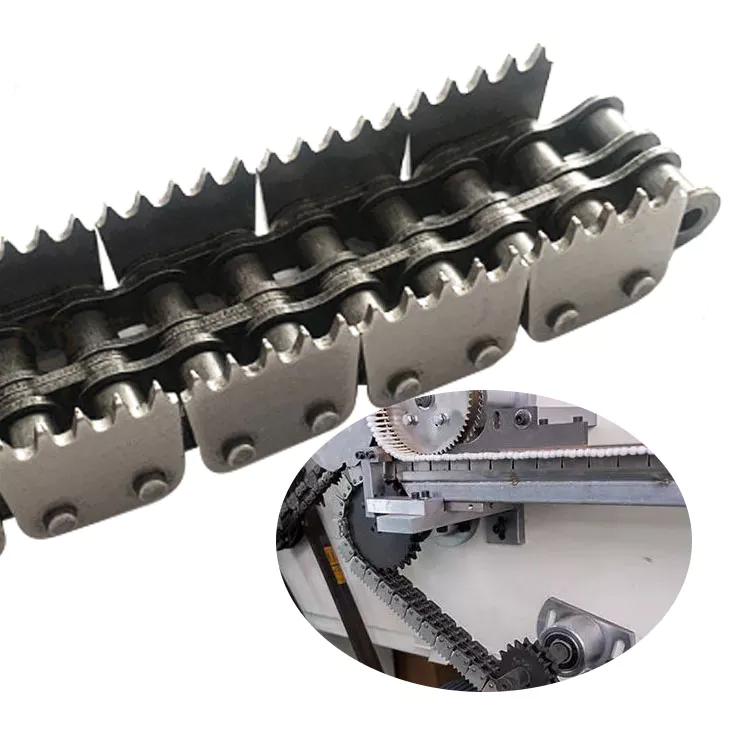
How do you properly tension a conveyor chain?
Properly tensioning a conveyor chain is crucial for its smooth operation and to prevent issues like chain slipping or excessive wear. Here are the steps to properly tension a conveyor chain:
- Identify the Tensioning Points: Determine the locations where the conveyor chain can be tensioned. These are typically at the ends of the chain or at specific tensioning devices.
- Loosen the Tensioning Devices: If there are tensioning devices in place, such as adjustable bolts or tensioning screws, loosen them to allow for adjustment.
- Apply Tension: Apply tension to the conveyor chain by either manually pulling the chain or using a tensioning tool. The amount of tension required depends on the chain type and the manufacturer’s recommendations.
- Check the Tension: Use a tension gauge or other suitable method to measure the tension of the conveyor chain. The tension should fall within the specified range provided by the chain manufacturer.
- Adjust the Tension: If the tension is too loose or too tight, make adjustments accordingly. Tighten or loosen the tensioning devices until the desired tension is achieved.
- Secure the Tensioning Devices: Once the proper tension is achieved, securely tighten the tensioning devices to hold the chain in place.
- Verify the Tension: After tensioning the chain, perform a visual inspection and run the conveyor to ensure the chain runs smoothly without excessive slack or tightness. Make any further adjustments if necessary.
It’s important to refer to the specific guidelines provided by the conveyor chain manufacturer for proper tensioning instructions, as the exact method may vary depending on the chain type and design. Regularly check the tension of the conveyor chain and make adjustments as needed to maintain optimal performance.


editor by CX 2023-07-24