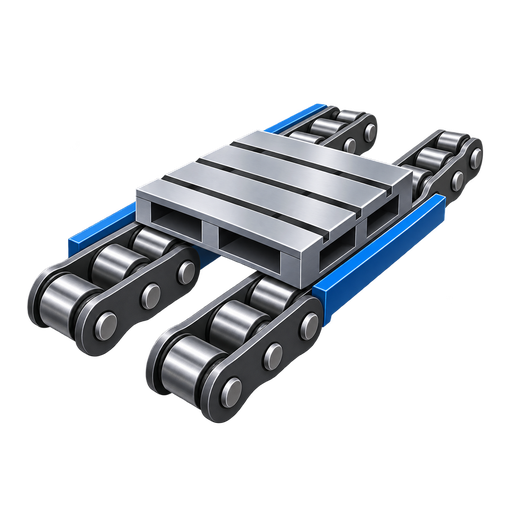
Descrizione del prodotto
CZPT rollers enhance rotation on the bushing while reducing impact loads on the sprocket tooth during operation.
Tutti i componenti sono sottoposti a trattamento termico per garantire la massima resistenza.
Precaricato durante il processo di produzione per ridurre al minimo l'allungamento iniziale.
La lubrificazione a caldo garantisce la lubrificazione 100% di tutti i componenti della catena, prolungandone la durata e riducendo i costi di manutenzione.
| ANSI NO. |
PECE | CESPUGLIO LARGHEZZA |
RULLO DIA |
SPILLO | PIATTO | ULTIMATE TRAZIONE FORZA |
WEIGHT | |||
| D | L | Lc | T | H | ||||||
| mm | mm | mm | mm | mm | mm | mm | mm | KN/min | kg/m | |
| 428H-OR | 12.700 | 7.75 | 8.51 | 4.45 | 22.80 | 23.90 | 2.03 | 11.81 | 23.00 | 0.95 |
| 520H-OR | 15.875 | 6.25 | 10.16 | 5.09 | 22.00 | 23.20 | 2.42 | 15.09 | 21.80 | 1.30 |
| 50-OR | 15.875 | 9.40 | 10.16 | 5.09 | 24.80 | 26.00 | 2.03 | 15.09 | 21.80 | 1.15 |
| 60-OR | 19.050 | 12.57 | 11.91 | 5.94 | 30.40 | 31.90 | 2.42 | 18.08 | 31.10 | 1.66 |
| 80-OR | 25.400 | 15.75 | 15.88 | 7.94 | 35.50 | 37.00 | 3.25 | 24.13 | 55.60 | 2.95 |
| Utilizzo: | Transmission Chain, Conveyor Chain, Dedicated Special Chain, Roller Chain |
|---|---|
| Materiale: | Acciaio legato/al carbonio |
| Trattamento superficiale: | Lucidatura |
| Caratteristica: | Resistente al calore |
| Dimensioni della catena: | 1/2"*1" |
| Struttura: | Catena a rulli |
| Esempi: |
US$ 10/metro
1 metro (ordine minimo) | |
|---|
| Personalizzazione: |
Disponibile
| Richiesta personalizzata |
|---|
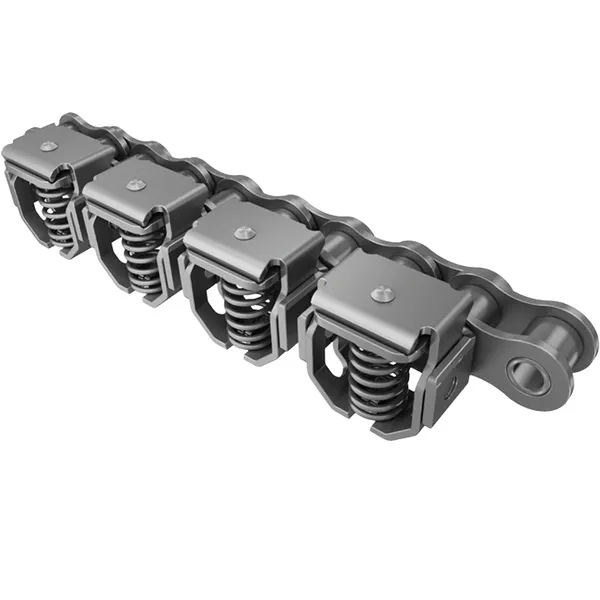
Quali sono i vantaggi dell'utilizzo di un sistema di trasporto aereo a catena?
L'utilizzo di un sistema di trasporto aereo a catena offre numerosi vantaggi in varie applicazioni industriali. Ecco alcuni dei principali benefici:
1. Ottimizzazione dello spazio:
– I sistemi di trasporto a catena aerea sfruttano lo spazio verticale, consentendo un utilizzo efficiente della superficie a pavimento. Ciò risulta particolarmente vantaggioso negli impianti con superficie limitata, in quanto permette una movimentazione efficiente dei materiali e un flusso produttivo ottimale senza ostruire l'area di lavoro.
2. Flessibilità e versatilità:
– Le catene di trasporto aeree offrono flessibilità di instradamento e possono essere personalizzate per adattarsi alle specifiche esigenze di layout dell'impianto. Possono attraversare diverse aree, tra cui linee di assemblaggio, cabine di verniciatura, aree di stoccaggio e altro ancora. La versatilità dei sistemi aerei consente una movimentazione dei materiali efficiente e adattabile.
3. Maggiore sicurezza:
– Le catene di trasporto aeree riducono al minimo gli ostacoli a livello del suolo, diminuendo il rischio di inciampi e incidenti. Operatori e lavoratori possono muoversi in sicurezza nell'area di lavoro senza interferenze da parte del sistema di trasporto.
4. Protezione del prodotto:
– Le catene di trasporto aeree offrono una migliore protezione per i prodotti trasportati. Mantenendo i prodotti sollevati e lontani da potenziali pericoli presenti sul pavimento, come polvere, detriti o liquidi versati, si riduce il rischio di danni o contaminazione dei prodotti.
5. Maggiore efficienza:
– I sistemi di trasporto aereo possono migliorare l'efficienza produttiva facilitando il flusso continuo dei materiali e riducendo la movimentazione manuale. Consentono il carico e lo scarico automatizzati dei materiali, con conseguente riduzione dei tempi di lavorazione e miglioramento della produttività complessiva.
6. Manutenzione semplice:
– Le catene dei trasportatori aerei sono generalmente progettate per una facile manutenzione. Componenti come catene, carrelli e motori sono accessibili e riparabili con facilità, riducendo al minimo i tempi di inattività e i costi di manutenzione.
7. Personalizzazione e integrazione:
– Le catene di trasporto aereo possono essere personalizzate per soddisfare requisiti applicativi specifici, tra cui capacità di carico, velocità e sistemi di controllo. Possono inoltre essere integrate con altri sistemi automatizzati, come postazioni di lavoro robotizzate o meccanismi di smistamento, per ottimizzare ulteriormente il processo di movimentazione dei materiali.
Nel complesso, l'utilizzo di un sistema di trasporto aereo a catena garantisce una movimentazione efficiente dei materiali, massimizza l'utilizzo dello spazio, migliora la sicurezza e aumenta la produttività negli ambienti industriali.
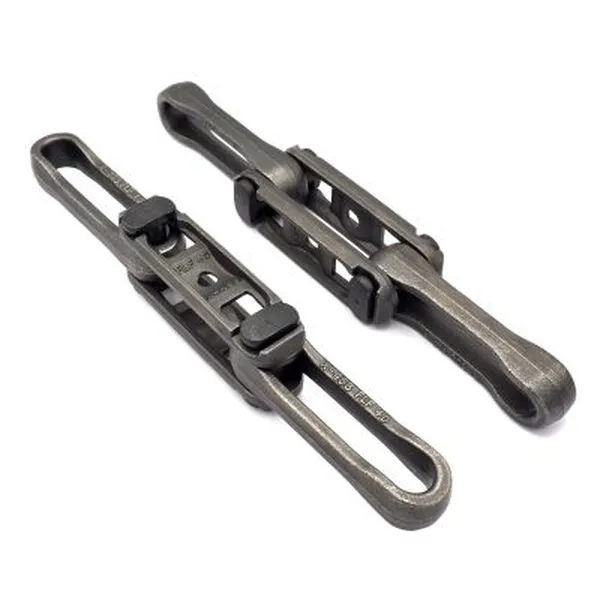
What are the safety measures for working with heavy-duty conveyor chains?
Working with heavy-duty conveyor chains requires strict adherence to safety measures to protect the workers and maintain a safe working environment. Here are some important safety measures to consider:
1. Proper Training: All personnel involved in working with conveyor chains should receive comprehensive training on the safe operation and maintenance of the equipment. This includes understanding the potential hazards, safety procedures, and proper use of personal protective equipment (PPE).
2. Equipment Inspection: Regular inspection of the conveyor chain and associated components is crucial to identify any signs of wear, damage, or malfunction. This includes checking for loose fasteners, worn sprockets, misalignment, and any other potential hazards. Any issues should be addressed promptly to prevent accidents.
3. Lockout/Tagout: Before performing any maintenance or repair tasks on the conveyor chain, proper lockout/tagout procedures must be followed. This ensures that the equipment is de-energized and isolated from any power source to prevent accidental startup or movement.
4. Personal Protective Equipment (PPE): Workers should wear appropriate PPE, including safety glasses, gloves, steel-toed boots, and hearing protection. The specific PPE requirements may vary depending on the nature of the work and the potential hazards involved.
5. Safe Work Practices: Workers should follow safe work practices, such as avoiding loose clothing or jewelry that can get caught in the chain, keeping hands and clothing clear of moving parts, and using proper lifting techniques when handling heavy loads.
6. Emergency Stop Systems: Conveyor systems should be equipped with emergency stop buttons or pull cords that allow workers to quickly stop the chain in case of an emergency or hazardous situation.
7. Regular Maintenance: Scheduled maintenance and lubrication of the conveyor chain should be performed according to the manufacturer’s recommendations. This helps to ensure optimal performance and minimize the risk of unexpected failures.
8. Clear Warning Signs and Labels: Proper signage, warning labels, and safety instructions should be clearly displayed near the conveyor chain system to remind workers of potential hazards and safe operating procedures.
9. Regular Safety Training and Communication: Ongoing safety training and communication among the workforce are vital to reinforce safe practices and raise awareness of any changes or updates to safety protocols.
By implementing these safety measures and fostering a safety-conscious culture, the risks associated with working with heavy-duty conveyor chains can be minimized, ensuring the well-being of the workers and the efficient operation of the equipment.
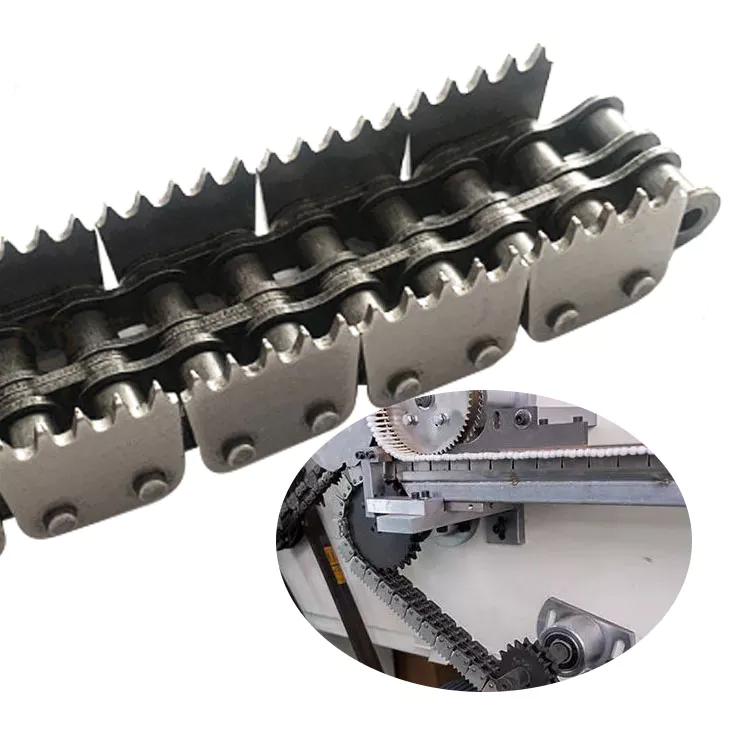
How do you properly tension a conveyor chain?
Properly tensioning a conveyor chain is crucial for its smooth operation and to prevent issues like chain slipping or excessive wear. Here are the steps to properly tension a conveyor chain:
- Identify the Tensioning Points: Determine the locations where the conveyor chain can be tensioned. These are typically at the ends of the chain or at specific tensioning devices.
- Loosen the Tensioning Devices: If there are tensioning devices in place, such as adjustable bolts or tensioning screws, loosen them to allow for adjustment.
- Apply Tension: Apply tension to the conveyor chain by either manually pulling the chain or using a tensioning tool. The amount of tension required depends on the chain type and the manufacturer’s recommendations.
- Check the Tension: Use a tension gauge or other suitable method to measure the tension of the conveyor chain. The tension should fall within the specified range provided by the chain manufacturer.
- Adjust the Tension: If the tension is too loose or too tight, make adjustments accordingly. Tighten or loosen the tensioning devices until the desired tension is achieved.
- Secure the Tensioning Devices: Once the proper tension is achieved, securely tighten the tensioning devices to hold the chain in place.
- Verify the Tension: After tensioning the chain, perform a visual inspection and run the conveyor to ensure the chain runs smoothly without excessive slack or tightness. Make any further adjustments if necessary.
It’s important to refer to the specific guidelines provided by the conveyor chain manufacturer for proper tensioning instructions, as the exact method may vary depending on the chain type and design. Regularly check the tension of the conveyor chain and make adjustments as needed to maintain optimal performance.


editor by CX 2023-07-24