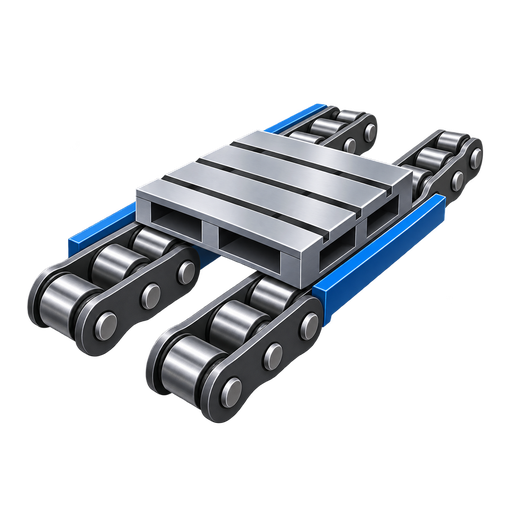
Produktbeschreibung
CZPT rollers enhance rotation on the bushing while reducing impact loads on the sprocket tooth during operation.
Alle Bauteile werden wärmebehandelt, um maximale Festigkeit zu erreichen.
Vorspannung während des Herstellungsprozesses, um die anfängliche Dehnung zu minimieren.
Die Heißtauchschmierung gewährleistet die Schmierung aller Kettenkomponenten gemäß 100%, um die Lebensdauer zu verlängern und die Wartungskosten zu senken.
| ANSI NEIN. |
TONHÖHE | BUSCH BREITE |
ROLLE DIA |
STIFT | PLATTE | ULTIMATE Zugfestigkeit STÄRKE |
WEIGHT | |||
| D | L | Lc | T | H | ||||||
| mm | mm | mm | mm | mm | mm | mm | mm | KN/min | kg/m | |
| 428H-OR | 12.700 | 7.75 | 8.51 | 4.45 | 22.80 | 23.90 | 2.03 | 11.81 | 23.00 | 0.95 |
| 520H-OR | 15.875 | 6.25 | 10.16 | 5.09 | 22.00 | 23.20 | 2.42 | 15.09 | 21.80 | 1.30 |
| 50-OR | 15.875 | 9.40 | 10.16 | 5.09 | 24.80 | 26.00 | 2.03 | 15.09 | 21.80 | 1.15 |
| 60-OR | 19.050 | 12.57 | 11.91 | 5.94 | 30.40 | 31.90 | 2.42 | 18.08 | 31.10 | 1.66 |
| 80-OR | 25.400 | 15.75 | 15.88 | 7.94 | 35.50 | 37.00 | 3.25 | 24.13 | 55.60 | 2.95 |
| Verwendung: | Transmission Chain, Conveyor Chain, Dedicated Special Chain, Roller Chain |
|---|---|
| Material: | Legierter/Kohlenstoffstahl |
| Oberflächenbehandlung: | Polieren |
| Besonderheit: | Hitzebeständig |
| Kettengröße: | 1/2"*1" |
| Struktur: | Rollenkette |
| Proben: |
US$ 10/Meter
1 Meter (Mindestbestellmenge) | |
|---|
| Anpassung: |
Verfügbar
| Kundenspezifische Anfrage |
|---|
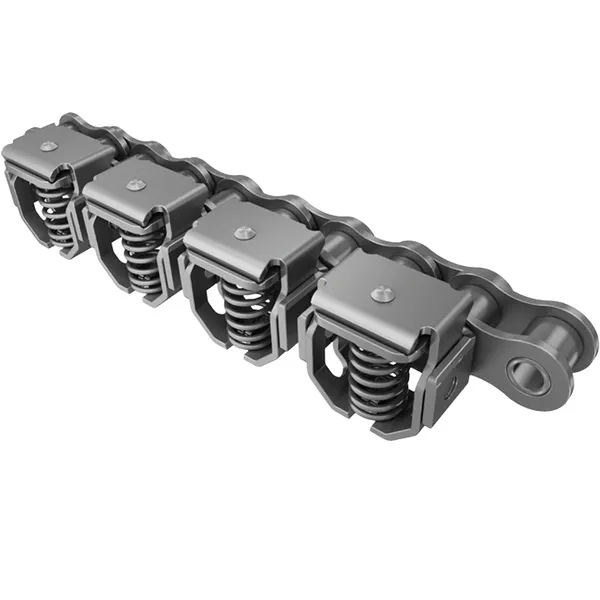
Welche Vorteile bietet der Einsatz eines Hängeförderkettensystems?
Der Einsatz von Hängeförderketten bietet in verschiedenen industriellen Anwendungen zahlreiche Vorteile. Hier einige der wichtigsten Vorteile:
1. Optimierung des Platzbedarfs:
– Hängeförderkettensysteme nutzen den vertikalen Raum und ermöglichen so eine effiziente Nutzung der Bodenfläche. Dies ist besonders vorteilhaft in Betrieben mit begrenzter Bodenfläche, da es einen effizienten Materialfluss und Produktionsablauf ermöglicht, ohne den Arbeitsbereich zu behindern.
2. Flexibilität und Vielseitigkeit:
Hängeförderketten bieten flexible Routenführung und lassen sich an die spezifischen Anforderungen der Anlage anpassen. Sie können verschiedene Bereiche durchqueren, darunter Montagelinien, Lackierkabinen, Lagerbereiche und vieles mehr. Die Vielseitigkeit von Hängefördersystemen ermöglicht einen effizienten und anpassungsfähigen Materialtransport.
3. Verbesserte Sicherheit:
– Die an der Decke hängenden Förderketten minimieren Hindernisse am Boden und verringern so die Stolpergefahr und das Unfallrisiko. Bediener und Arbeiter können sich im Arbeitsbereich sicher bewegen, ohne durch das Fördersystem behindert zu werden.
4. Produktschutz:
– Hängeförderketten bieten einen besseren Schutz für die transportierten Produkte. Indem die Produkte erhöht und von potenziellen Gefahren am Boden, wie Staub, Schmutz oder verschütteten Flüssigkeiten, ferngehalten werden, wird das Risiko von Produktbeschädigung oder -verunreinigung reduziert.
5. Erhöhte Effizienz:
Hängeförderanlagen steigern die Produktionseffizienz durch einen kontinuierlichen Materialfluss und die Reduzierung manueller Handhabung. Sie ermöglichen das automatisierte Be- und Entladen von Materialien, was zu kürzeren Bearbeitungszeiten und einer insgesamt höheren Produktivität führt.
6. Einfache Wartung:
– Hängeförderketten sind in der Regel wartungsfreundlich konstruiert. Komponenten wie Ketten, Laufkatzen und Antriebe sind leicht zugänglich und können bequem gewartet werden, wodurch Ausfallzeiten und Wartungskosten minimiert werden.
7. Anpassung und Integration:
– Hängeförderketten lassen sich an spezifische Anwendungsanforderungen anpassen, darunter Tragfähigkeit, Geschwindigkeit und Steuerungssysteme. Sie können auch mit anderen automatisierten Systemen, wie z. B. Roboterarbeitsplätzen oder Sortiermechanismen, integriert werden, um den Materialfluss weiter zu optimieren.
Insgesamt bietet der Einsatz eines Hängeförderkettensystems eine effiziente Materialhandhabung, maximiert die Raumausnutzung, erhöht die Sicherheit und steigert die Produktivität in industriellen Umgebungen.
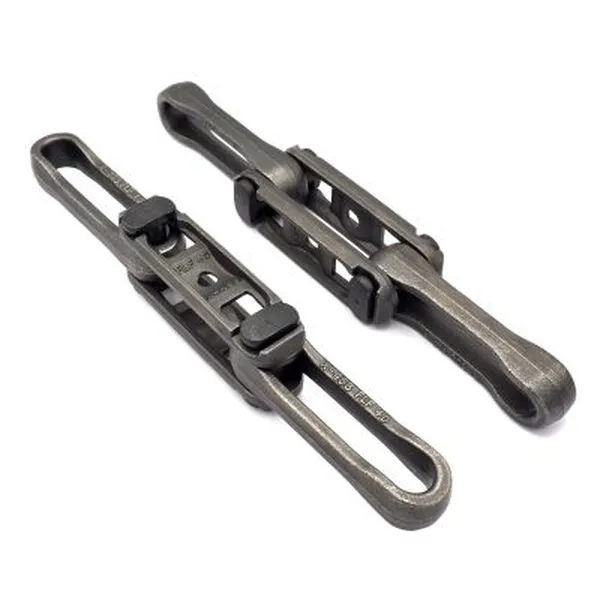
What are the safety measures for working with heavy-duty conveyor chains?
Working with heavy-duty conveyor chains requires strict adherence to safety measures to protect the workers and maintain a safe working environment. Here are some important safety measures to consider:
1. Proper Training: All personnel involved in working with conveyor chains should receive comprehensive training on the safe operation and maintenance of the equipment. This includes understanding the potential hazards, safety procedures, and proper use of personal protective equipment (PPE).
2. Equipment Inspection: Regular inspection of the conveyor chain and associated components is crucial to identify any signs of wear, damage, or malfunction. This includes checking for loose fasteners, worn sprockets, misalignment, and any other potential hazards. Any issues should be addressed promptly to prevent accidents.
3. Lockout/Tagout: Before performing any maintenance or repair tasks on the conveyor chain, proper lockout/tagout procedures must be followed. This ensures that the equipment is de-energized and isolated from any power source to prevent accidental startup or movement.
4. Personal Protective Equipment (PPE): Workers should wear appropriate PPE, including safety glasses, gloves, steel-toed boots, and hearing protection. The specific PPE requirements may vary depending on the nature of the work and the potential hazards involved.
5. Safe Work Practices: Workers should follow safe work practices, such as avoiding loose clothing or jewelry that can get caught in the chain, keeping hands and clothing clear of moving parts, and using proper lifting techniques when handling heavy loads.
6. Emergency Stop Systems: Conveyor systems should be equipped with emergency stop buttons or pull cords that allow workers to quickly stop the chain in case of an emergency or hazardous situation.
7. Regular Maintenance: Scheduled maintenance and lubrication of the conveyor chain should be performed according to the manufacturer’s recommendations. This helps to ensure optimal performance and minimize the risk of unexpected failures.
8. Clear Warning Signs and Labels: Proper signage, warning labels, and safety instructions should be clearly displayed near the conveyor chain system to remind workers of potential hazards and safe operating procedures.
9. Regular Safety Training and Communication: Ongoing safety training and communication among the workforce are vital to reinforce safe practices and raise awareness of any changes or updates to safety protocols.
By implementing these safety measures and fostering a safety-conscious culture, the risks associated with working with heavy-duty conveyor chains can be minimized, ensuring the well-being of the workers and the efficient operation of the equipment.
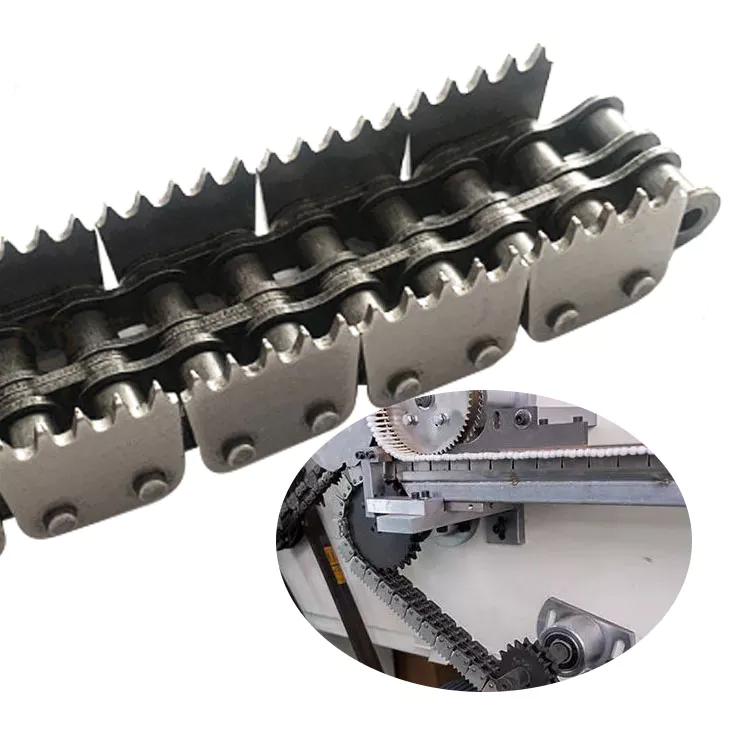
How do you properly tension a conveyor chain?
Properly tensioning a conveyor chain is crucial for its smooth operation and to prevent issues like chain slipping or excessive wear. Here are the steps to properly tension a conveyor chain:
- Identify the Tensioning Points: Determine the locations where the conveyor chain can be tensioned. These are typically at the ends of the chain or at specific tensioning devices.
- Loosen the Tensioning Devices: If there are tensioning devices in place, such as adjustable bolts or tensioning screws, loosen them to allow for adjustment.
- Apply Tension: Apply tension to the conveyor chain by either manually pulling the chain or using a tensioning tool. The amount of tension required depends on the chain type and the manufacturer’s recommendations.
- Check the Tension: Use a tension gauge or other suitable method to measure the tension of the conveyor chain. The tension should fall within the specified range provided by the chain manufacturer.
- Adjust the Tension: If the tension is too loose or too tight, make adjustments accordingly. Tighten or loosen the tensioning devices until the desired tension is achieved.
- Secure the Tensioning Devices: Once the proper tension is achieved, securely tighten the tensioning devices to hold the chain in place.
- Verify the Tension: After tensioning the chain, perform a visual inspection and run the conveyor to ensure the chain runs smoothly without excessive slack or tightness. Make any further adjustments if necessary.
It’s important to refer to the specific guidelines provided by the conveyor chain manufacturer for proper tensioning instructions, as the exact method may vary depending on the chain type and design. Regularly check the tension of the conveyor chain and make adjustments as needed to maintain optimal performance.


editor by CX 2023-07-24