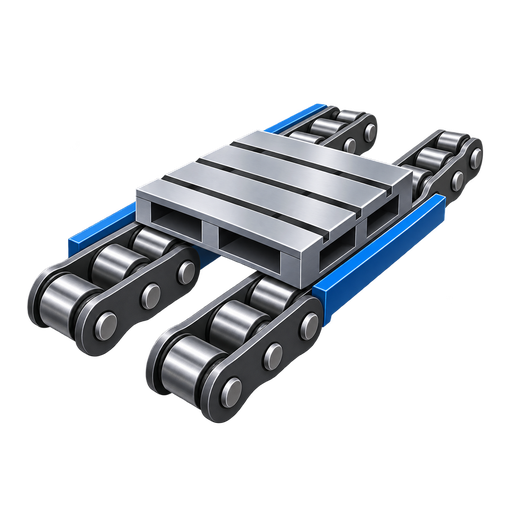
คำอธิบายผลิตภัณฑ์
CZPT rollers enhance rotation on the bushing while reducing impact loads on the sprocket tooth during operation.
All components are heat treated to achieve maximum strength. All components are heat treated to achieve maximum strength.
มีการโหลดล่วงหน้าในระหว่างกระบวนการผลิตเพื่อลดการยืดตัวเริ่มต้นให้น้อยที่สุด
การหล่อลื่นแบบจุ่มร้อนช่วยให้มั่นใจได้ว่าส่วนประกอบทั้งหมดของโซ่ได้รับการหล่อลื่นด้วย 100% เพื่อยืดอายุการใช้งานและลดค่าใช้จ่ายในการบำรุงรักษา
| CHC เลขที่. |
ขว้าง | บุช ความกว้าง |
ลูกกลิ้ง DIA |
เข็มหมุด | จาน | นาที. ความแข็งแกร่ง |
AVG. ความแข็งแกร่ง |
MAX. ความแข็งแกร่ง |
TRANS ขว้าง |
|||
| ง | แอล | LC | ชม | ที | ||||||||
| มม. | มม. | มม. | มม. | มม. | มม. | มม. | มม. | กิโลฟ | กิโลฟ | กิโลฟ | มม. | |
| C35-1 | 9.525 | 4.68 | 5.08 | 3.60 | 12.15 | 13.40 | 8.80 | 1.25 | 800 | 1,100 | 220 | NIL |
| C40-1 | 12.700 | 7.85 | 7.92 | 3.98 | 17.80 | 21.00 | 12.00 | 1.50 | 1,420 | 1,950 | 370 | NIL |
| C50-1 | 15.875 | 9.40 | 10.16 | 5.09 | 21.80 | 25.00 | 15.00 | 2.00 | 2,200 | 3,100 | 650 | NIL |
| C60-1 | 19.050 | 12.58 | 11.91 | 5.96 | 26.90 | 31.00 | 18.00 | 2.35 | 3,190 | 4,200 | 920 | NIL |
| C80-1 | 25.400 | 15.75 | 15.87 | 7.94 | 33.50 | 38.00 | 24.10 | 3.20 | 5,680 | 7,500 | 1,500 | NIL |
| C100-1 | 31.750 | 18.90 | 19.05 | 9.54 | 41.10 | 47.00 | 30.10 | 4.00 | 8,870 | 12,100 | 2,300 | NIL |
| C120-1 | 38.100 | 25.23 | 22.22 | 11.11 | 50.80 | 57.00 | 36.20 | 4.70 | 12,770 | 16,000 | 3,100 | NIL |
| C140-1 | 44.450 | 25.23 | 25.40 | 12.71 | 54.90 | 62.00 | 42.20 | 5.50 | 17,380 | 21,000 | 4,100 | NIL |
| C160-1 | 50.800 | 31.55 | 25.87 | 14.29 | 65.50 | 73.00 | 48.20 | 6.40 | 22,700 | 30,000 | 5,400 | NIL |
| C40-2 | 12.700 | 7.85 | 7.92 | 3.98 | 32.30 | 36.20 | 12.00 | 1.50 | 2,840 | 3,900 | 630 | 14.38 |
| C50-2 | 15.875 | 9.40 | 10.16 | 5.09 | 39.90 | 44.00 | 15.00 | 2.00 | 4,440 | 6,200 | 1,100 | 18.11 |
| C60-2 | 19.050 | 12.58 | 11.92 | 5.96 | 49.80 | 54.40 | 18.00 | 2.35 | 6,380 | 8,400 | 1,530 | 22.78 |
| C80-2 | 25.400 | 15.75 | 15.87 | 7.94 | 62.70 | 68.10 | 24.10 | 3.20 | 11,360 | 15,000 | 2,550 | 29.29 |
| C100-2 | 31.750 | 18.90 | 19.05 | 9.54 | 77.00 | 83.10 | 30.10 | 4.00 | 17,740 | 24,200 | 3,900 | 35.76 |
| C120-2 | 38.100 | 25.23 | 22.22 | 11.11 | 96.30 | 102.90 | 36.20 | 4.70 | 25,540 | 32,000 | 5,250 | 45.44 |
| C140-2 | 44.450 | 25.23 | 25.40 | 12.71 | 103.60 | 111.00 | 42.20 | 5.50 | 347,600 | 42,000 | 6,970 | 48.87 |
| C160-2 | 50.800 | 31.55 | 28.57 | 14.29 | 124.20 | 132.10 | 48.20 | 6.40 | 57,460 | 60,000 | 9,150 | 58.55 |
| วิธีใช้งาน: | Transmission Chain, Conveyor Chain, Roller Chain |
|---|---|
| วัสดุ: | เหล็กอัลลอย/เหล็กคาร์บอน |
| การเตรียมพื้นผิว: | การขัดเงา |
| คุณสมบัติ: | ทนความร้อน |
| ขนาดสร้อย: | 3/8"*2" |
| โครงสร้าง: | โซ่ลูกกลิ้ง |
| การปรับแต่ง: |
มีอยู่
| คำขอที่กำหนดเอง |
|---|
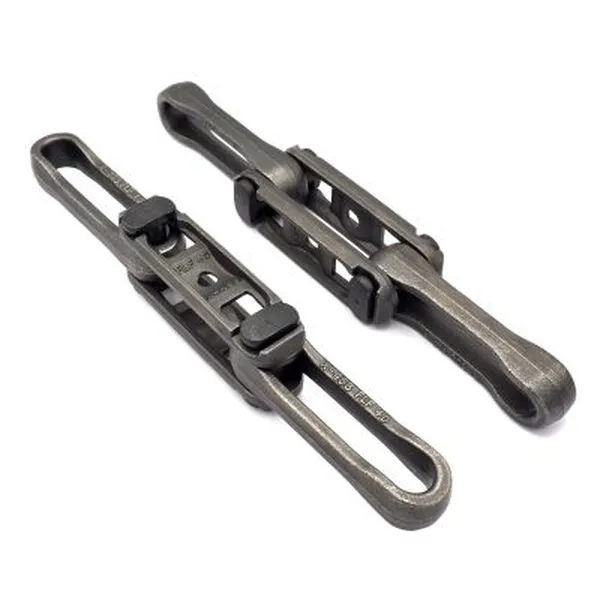
What are the advantages of using a slat conveyor chain?
A slat conveyor chain offers several advantages in material handling and conveying applications. Here are some key benefits:
1. Heavy-Duty Capacity:
– Slat conveyor chains are designed to handle heavy loads and can withstand rigorous industrial environments.
– They are commonly used in applications that require transporting large, bulky, or irregularly shaped items, such as automotive parts, pallets, or containers.
2. Flexibility:
– Slat chains can be customized and configured to suit specific conveying requirements. They are available in various widths, lengths, and chain configurations to accommodate different product sizes and shapes.
– The modular design of slat chains allows for easy modification or expansion of the conveyor system as production needs change.
3. Versatility:
– Slat chains can be used in both horizontal and inclined conveying applications. They are capable of moving products up or down slopes, making them suitable for production lines with varying elevations.
– These chains can be integrated with curves, turns, merges, and diverters to create complex conveying systems that optimize space utilization and product flow.
4. Durability and Longevity:
– Slat chains are typically made from robust materials such as steel or plastic, providing excellent durability and resistance to wear and tear.
– They can withstand demanding operating conditions, including high temperatures, corrosive environments, or exposure to chemicals.
5. Low Maintenance:
– Slat conveyor chains require minimal maintenance compared to other types of conveyor systems. They have fewer moving parts and typically operate with reduced friction.
– With proper lubrication and periodic inspection, slat chains can maintain their performance and reliability over an extended service life.
6. Easy Cleaning:
– The open design of slat chains allows for easy cleaning and debris removal. They are suitable for applications that require frequent sanitation or hygiene maintenance, such as in food processing or pharmaceutical industries.
Overall, using a slat conveyor chain offers the advantages of high load capacity, flexibility in design, versatility in conveying applications, durability, low maintenance requirements, and ease of cleaning. These features make slat chains an effective solution for various industries requiring efficient and reliable material handling.

ระบบสายพานลำเลียงมีส่วนช่วยเพิ่มประสิทธิภาพการผลิตโดยรวมได้อย่างไร?
สายพานลำเลียงมีบทบาทสำคัญในการเพิ่มประสิทธิภาพการผลิตโดยรวมในอุตสาหกรรมต่างๆ ต่อไปนี้คือวิธีที่สายพานลำเลียงช่วยเพิ่มประสิทธิภาพ:
1. การไหลของวัสดุอย่างต่อเนื่อง: สายพานลำเลียงช่วยให้การไหลของวัสดุจากจุดหนึ่งไปยังอีกจุดหนึ่งเป็นไปอย่างต่อเนื่องและไม่หยุดชะงัก ช่วยลดความจำเป็นในการจัดการหรือขนส่งสินค้าด้วยมือ ลดเวลาหยุดชะงักและความล่าช้าในกระบวนการผลิต
2. เพิ่มปริมาณงาน: การใช้ระบบลำเลียงอัตโนมัติช่วยให้การเคลื่อนย้ายสินค้าเร็วขึ้นและมีประสิทธิภาพมากขึ้น ทำให้ได้ปริมาณงานและอัตราการผลิตที่สูงขึ้น เพิ่มประสิทธิภาพการใช้ทรัพยากร และลดระยะเวลาในการผลิต
3. เพิ่มประสิทธิภาพการผลิต: ด้วยระบบสายพานลำเลียง พนักงานสามารถมุ่งเน้นไปที่งานที่มีมูลค่าเพิ่มมากกว่าการขนย้ายวัสดุด้วยมือ ซึ่งส่งผลให้ประสิทธิภาพการผลิตดีขึ้น เนื่องจากพนักงานสามารถมุ่งเน้นไปที่งานที่มีทักษะและมีความสำคัญมากกว่าได้
4. การจัดสรรทรัพยากรอย่างมีประสิทธิภาพ: ระบบสายพานลำเลียงที่ออกแบบมาอย่างดีจะช่วยเพิ่มประสิทธิภาพการใช้พื้นที่ ทำให้สามารถจัดวางและจัดระเบียบพื้นที่การผลิตได้อย่างมีประสิทธิภาพ ช่วยให้การทำงานราบรื่นและลดการสิ้นเปลืองทรัพยากร เช่น พื้นที่ทำงาน แรงงาน และอุปกรณ์
5. การควบคุมคุณภาพ: สายพานลำเลียงสามารถบูรณาการเข้ากับสถานีตรวจสอบหรือกระบวนการอัตโนมัติเพื่อให้มั่นใจได้ว่ามีการควบคุมคุณภาพในขั้นตอนต่างๆ ของการผลิต ซึ่งจะช่วยในการตรวจจับและแก้ไขข้อบกพร่องหรือความไม่สอดคล้องกัน ลดโอกาสที่ผลิตภัณฑ์ที่บกพร่องจะเข้าสู่ตลาด
6. ลดต้นทุนการขนย้ายวัสดุ: การลดหรือกำจัดงานขนย้ายวัสดุด้วยมือ ทำให้สายพานลำเลียงลดต้นทุนแรงงานที่เกี่ยวข้องกับการขนส่ง การยก และการแบกสินค้า นอกจากนี้ยังช่วยลดความเสี่ยงต่อการบาดเจ็บหรืออุบัติเหตุที่เกี่ยวข้องกับการขนย้ายด้วยมืออีกด้วย
7. ความยืดหยุ่นและความสามารถในการปรับตัว: โซ่ลำเลียงสามารถปรับแต่งให้เหมาะสมกับความต้องการเฉพาะของการผลิตได้ สามารถออกแบบให้รองรับผลิตภัณฑ์ประเภทต่างๆ รับน้ำหนักได้หลากหลาย และปรับให้เข้ากับการเปลี่ยนแปลงของความต้องการในการผลิต ความยืดหยุ่นนี้ช่วยให้สามารถบูรณาการเข้ากับระบบการผลิตที่มีอยู่ได้อย่างราบรื่นและขยายขนาดได้ง่าย
8. ความปลอดภัยและหลักการยศาสตร์: สายพานลำเลียงมีคุณสมบัติด้านความปลอดภัย เช่น แผ่นป้องกัน ปุ่มหยุดฉุกเฉิน และระบบล็อค เพื่อความปลอดภัยของผู้ปฏิบัติงาน นอกจากนี้ยังส่งเสริมหลักปฏิบัติด้านยศาสตร์โดยการลดความเมื่อยล้าทางกายภาพของผู้ปฏิบัติงานและลดความเสี่ยงต่อการบาดเจ็บของระบบกล้ามเนื้อและกระดูก
โดยรวมแล้ว ระบบสายพานลำเลียงที่ได้รับการออกแบบมาอย่างดีและบำรุงรักษาอย่างเหมาะสม จะช่วยเพิ่มประสิทธิภาพการผลิตโดยการเพิ่มประสิทธิภาพการไหลของวัสดุ เพิ่มปริมาณงาน ปรับปรุงผลิตภาพ ลดต้นทุน รับประกันการควบคุมคุณภาพ และให้ความสำคัญกับความปลอดภัยของคนงาน
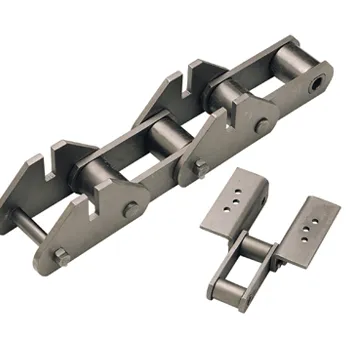
What are the maintenance requirements for a conveyor chain?
Maintaining a conveyor chain is essential to ensure its smooth operation and prolong its lifespan. Here are some key maintenance requirements for a conveyor chain:
- Regular Cleaning: Clean the conveyor chain regularly to remove dirt, debris, and contaminants that can contribute to chain wear and reduce performance. Use appropriate cleaning agents and tools to avoid damaging the chain.
- การหล่อลื่น: Apply the recommended lubricant to the conveyor chain according to the manufacturer’s guidelines. Lubrication helps reduce friction, minimize wear, and prevent corrosion.
- Tension Adjustment: Check the tension of the conveyor chain regularly and adjust it if necessary. Proper tension ensures smooth operation and prevents issues like chain slipping or excessive wear.
- Inspection: Conduct regular inspections of the conveyor chain to identify any signs of wear, damage, or misalignment. Look for issues such as worn sprockets, elongation, bent or damaged links, and loose connections. Address any problems promptly to prevent further damage.
- Replace Worn Components: If any components of the conveyor chain, such as links, pins, or sprockets, are excessively worn or damaged, they should be replaced. Using worn components can compromise the chain’s performance and lead to failure.
- Alignment: Ensure proper alignment of the conveyor chain by checking the alignment of sprockets, idlers, and other components. Misalignment can cause uneven wear and increase the risk of chain failure.
- Training and Education: Provide proper training to personnel responsible for operating and maintaining the conveyor chain. They should understand the maintenance requirements, safety protocols, and best practices to ensure effective and safe operation.
Following these maintenance requirements will help keep the conveyor chain in optimal condition, minimize downtime, and ensure safe and efficient material handling.


editor by CX 2023-07-26