Double Pitch Side Roller Chains
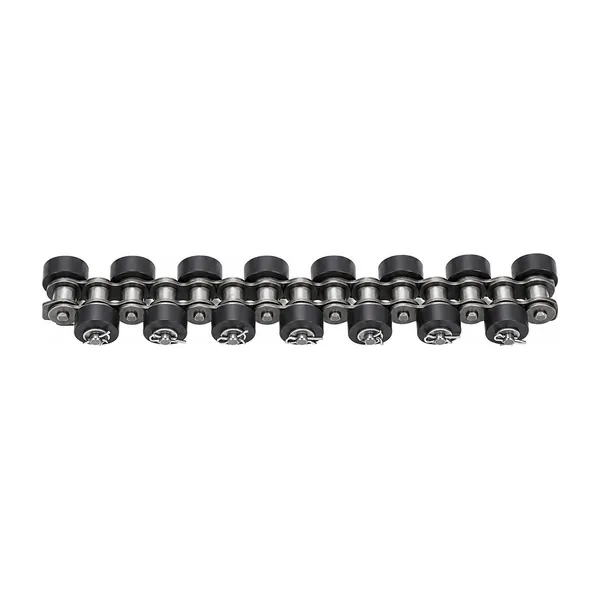
C216AL-PSR Double Pitch Polyacetal Side Roller Chain with 50.8 mm pitch for pallet and workpiece-carrier conveyor layouts. Confirm…
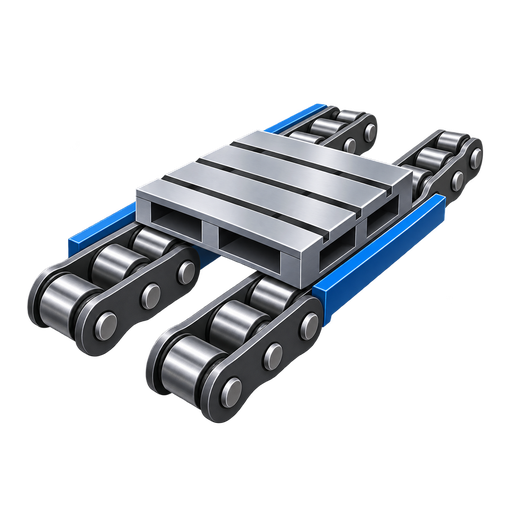
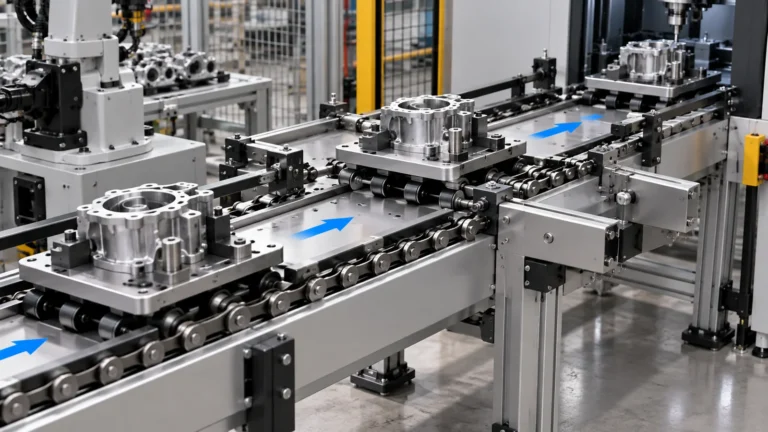
Pallet and workpiece-carrier systems depend on the relationship between chain pitch, rollers, guide rails, sprockets, strand spacing and the underside of the carrier. Use the product families below to compare the architecture first, then open individual model pages for dimensions and RFQ data.
C216AL-PSR Double Pitch Polyacetal Side Roller Chain with 50.8 mm pitch for pallet and workpiece-carrier conveyor layouts. Confirm…
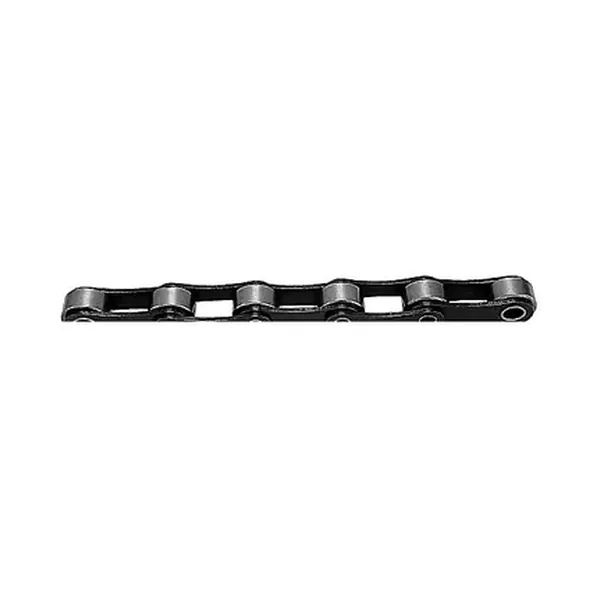
C216AHP hollow pin conveyor chain with 50.8 mm pitch and exact verified bore, pin, plate, tensile and mass…
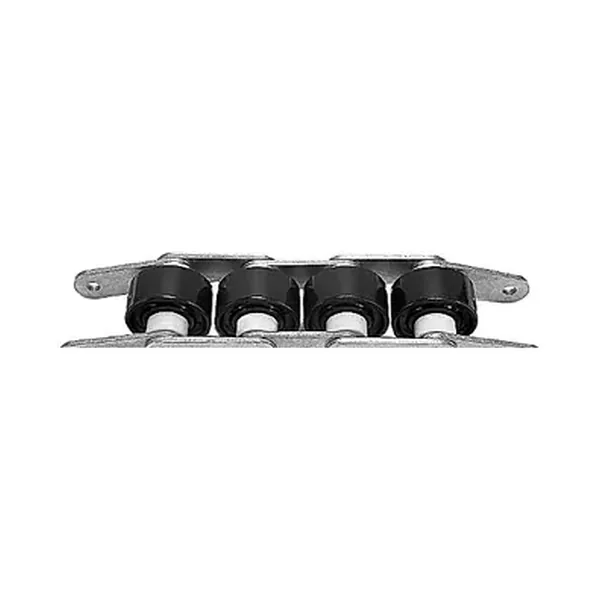
BS30-C216A 3.0x double plus pallet conveyor chain with plastic rollers, 50.8 mm pitch and an exact verified dimensional…
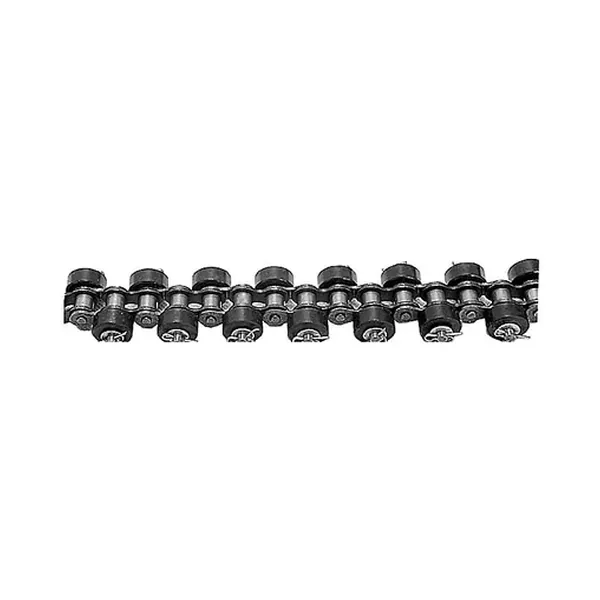
20A-PSR polyacetal side roller chain with 31.75 mm pitch for rail-supported pallet and workpiece-carrier conveyor layouts. Exact dimensional…
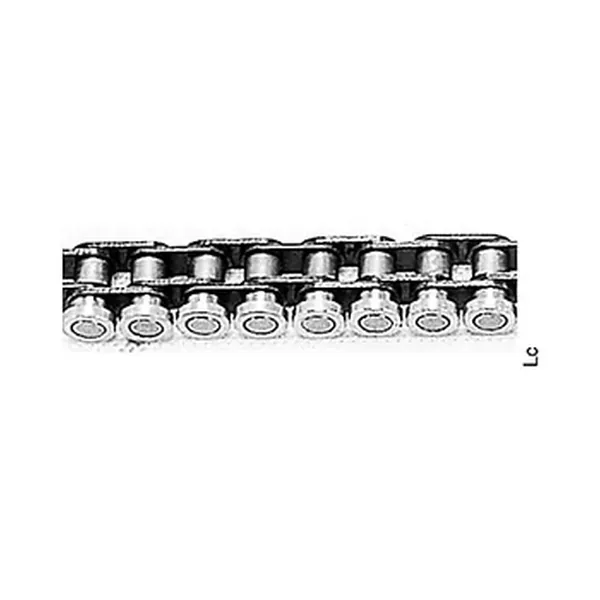
06C-CDL stainless steel side roller chain with 9.525 mm pitch and verified dimensional data for conveyor rail, pallet…
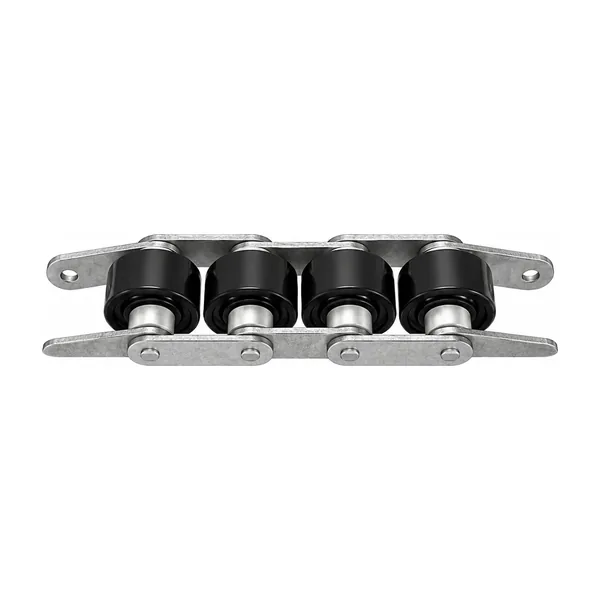
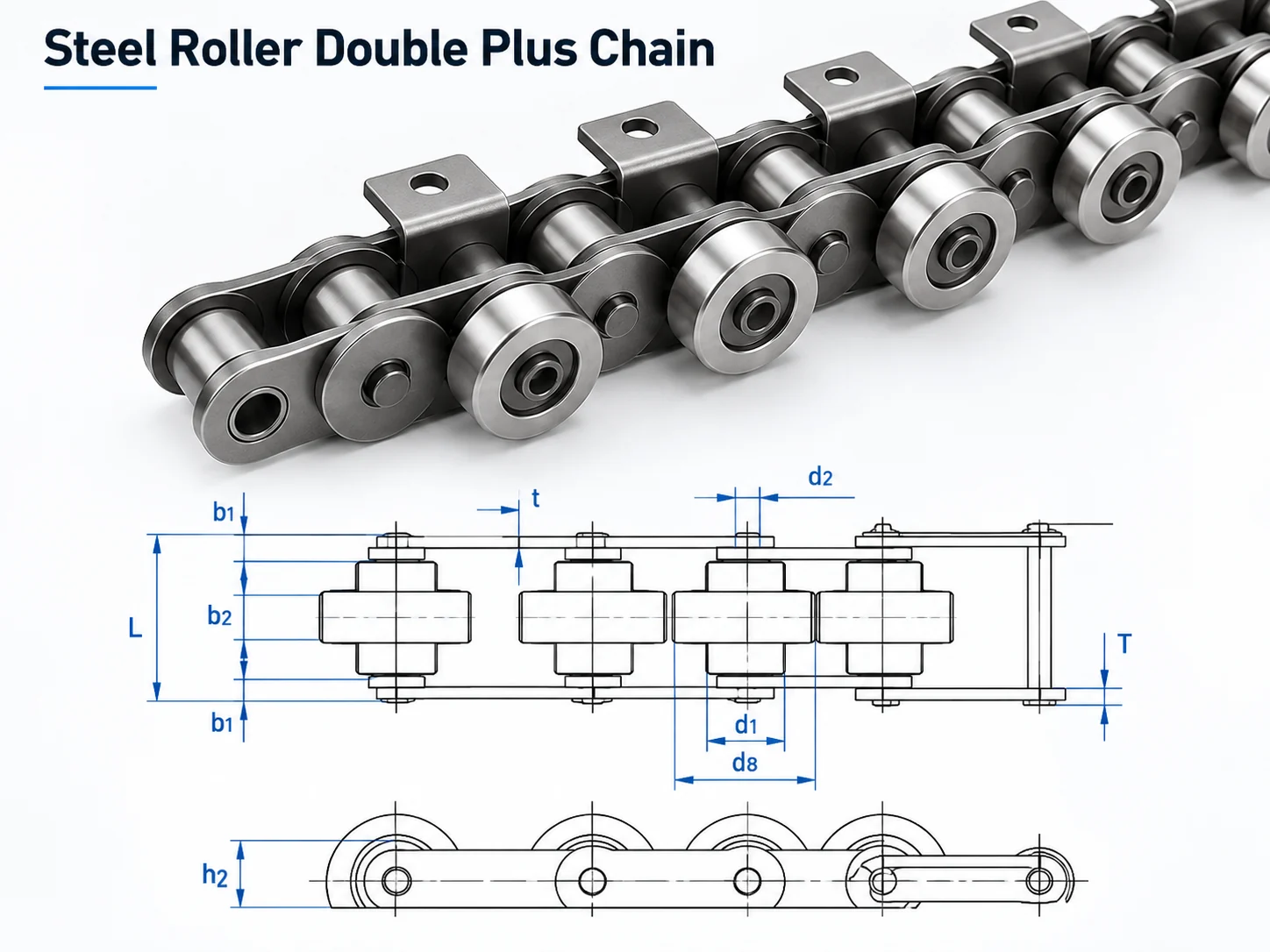
BS25-C208AR Double Plus Chain Steel Rollers with 25.4 mm pitch for pallet and workpiece-carrier conveyor layouts. Confirm roller…
Double Plus chain uses a large roller together with smaller rollers. During conveying, the roller geometry creates a carrier speed that can be higher than the chain speed; during accumulation, the carrier can be stopped while the chain continues to move. The finished conveyor still depends on guide-rail geometry, stop design, load, lubrication and sprocket layout, so a model code should never be selected in isolation.
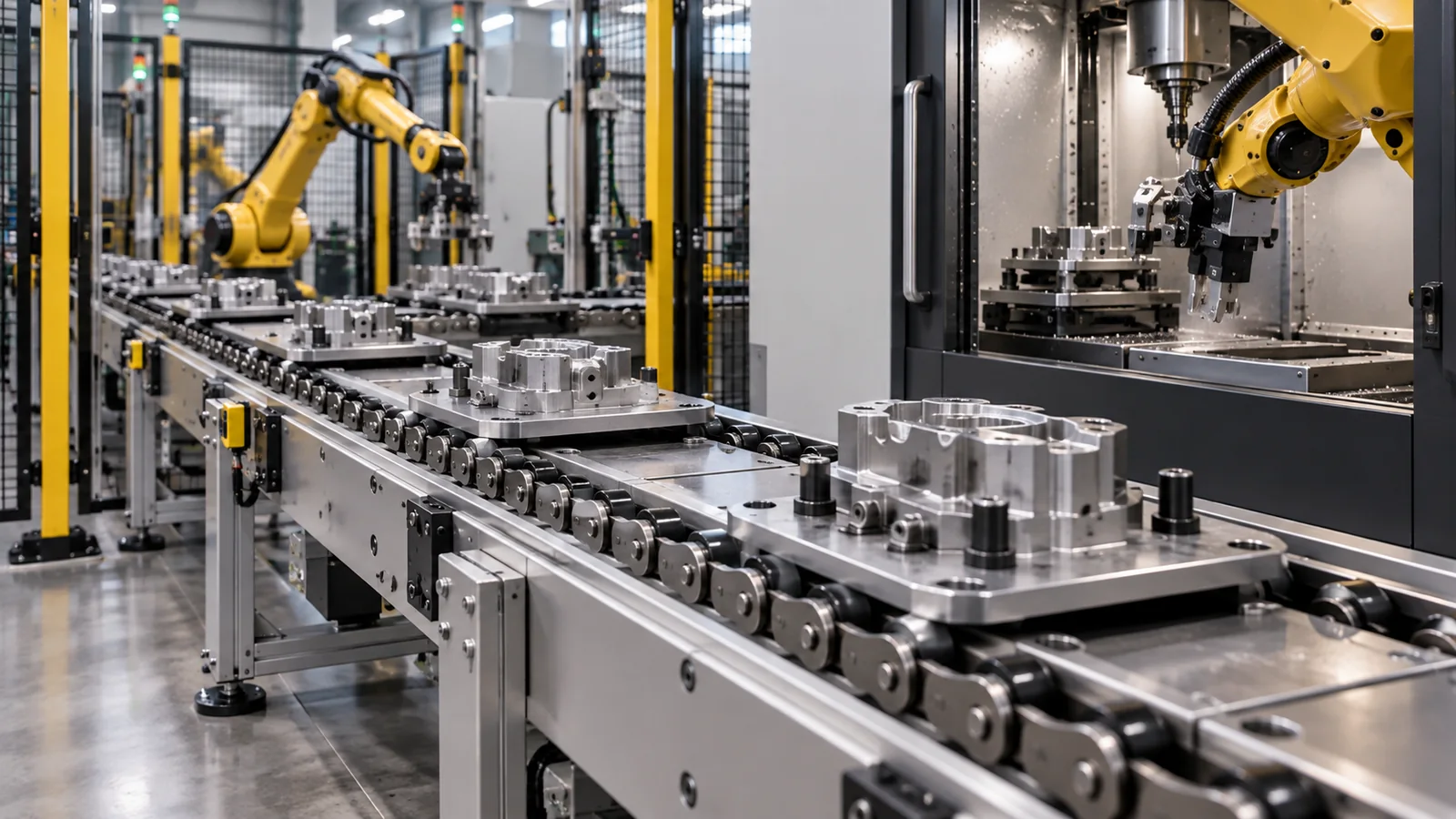
Typical projects include multi-station assembly, inspection and test, machine tending, controlled accumulation, lift-and-transfer interfaces and palletized workpiece handling. Each process changes the loading and stop sequence seen by the chain.


Review application engineering before choosing a chain family.
Record loaded carrier mass, underside contact surfaces, pallet dimensions, the number of carriers on the line and any process force applied while the pallet is stopped.
Confirm pitch, roller arrangement, strand spacing, rail material, return support, conveyor center distance and the way the chain enters and leaves each sprocket.
Define conveyor speed, starts per hour, accumulation zones, stop and locator sequence, transfer points, drive location, take-up travel and maintenance access.
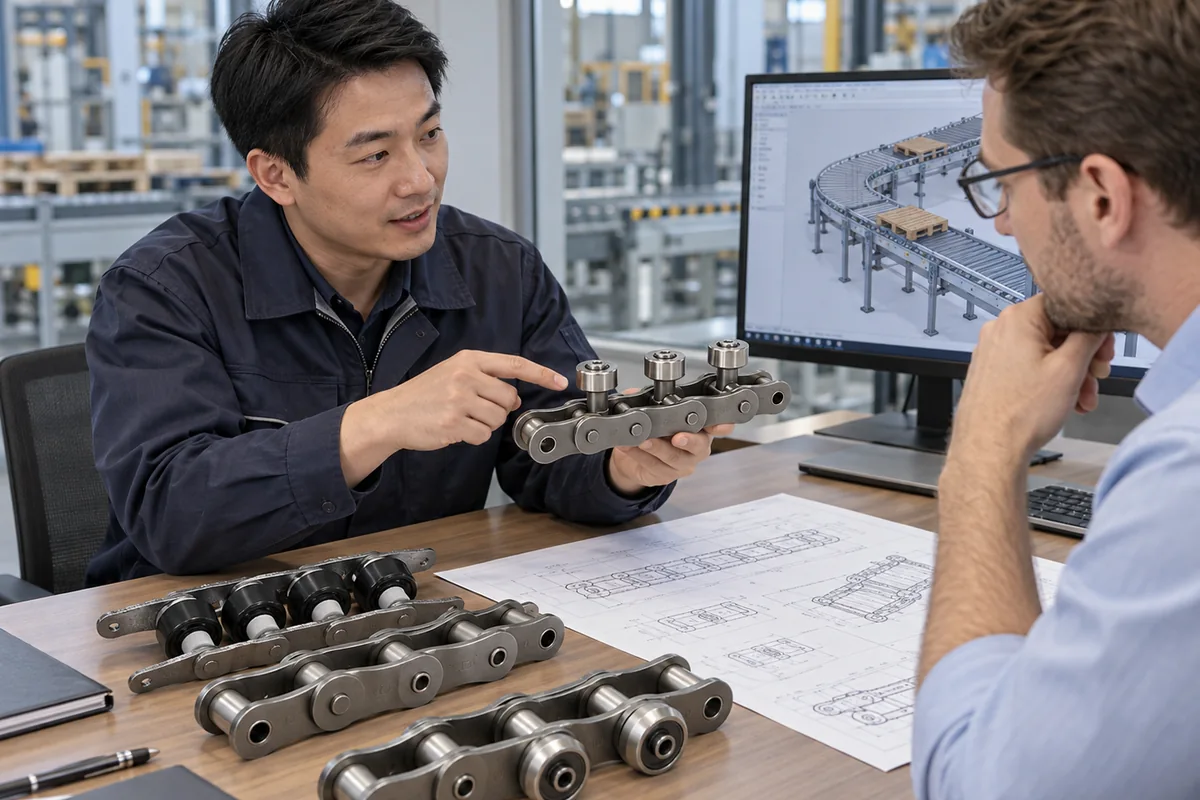
For an existing conveyor, send the visible chain code when available, several-pitch measurements, side and end photographs, sprocket tooth count and bore information, rail cross-section, strand center distance and a photograph of the carrier underside. These details help separate a true dimensional replacement from a visually similar chain.
If the machine drawing shows tolerances, special attachments, matched-strand requirements or a non-standard material, include the drawing with the RFQ.
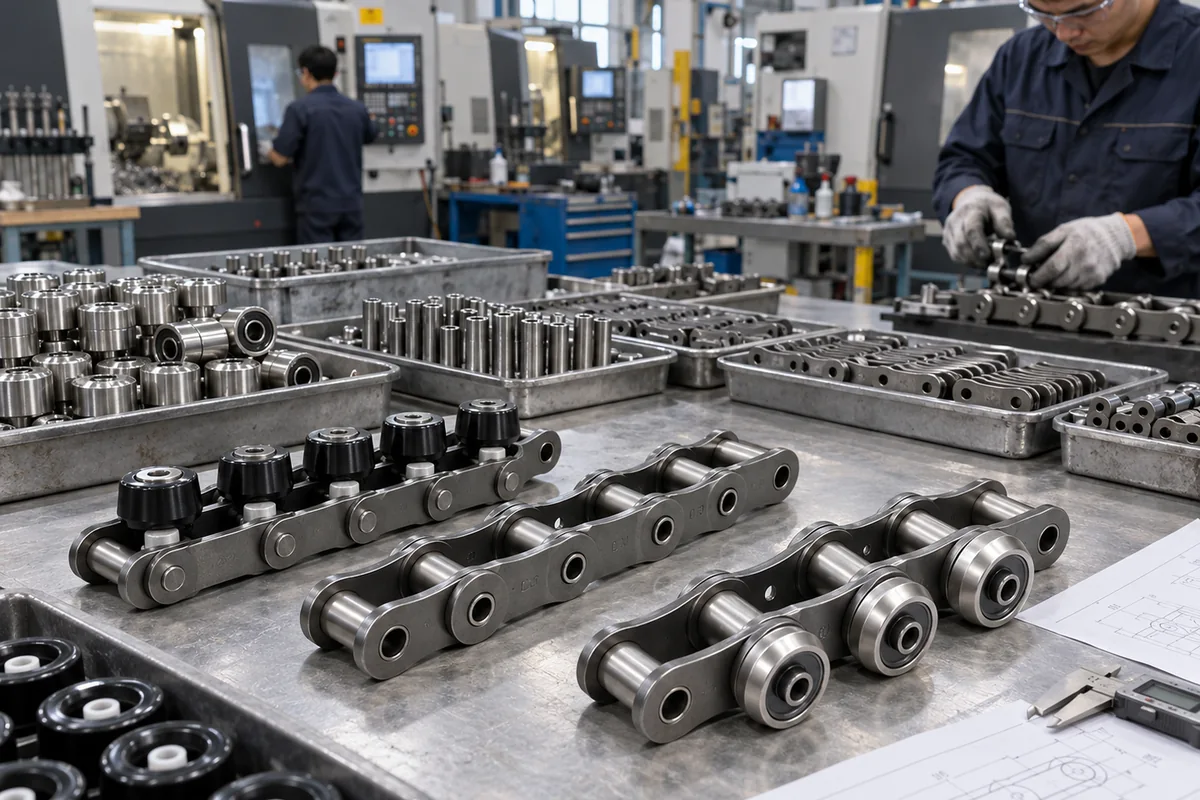
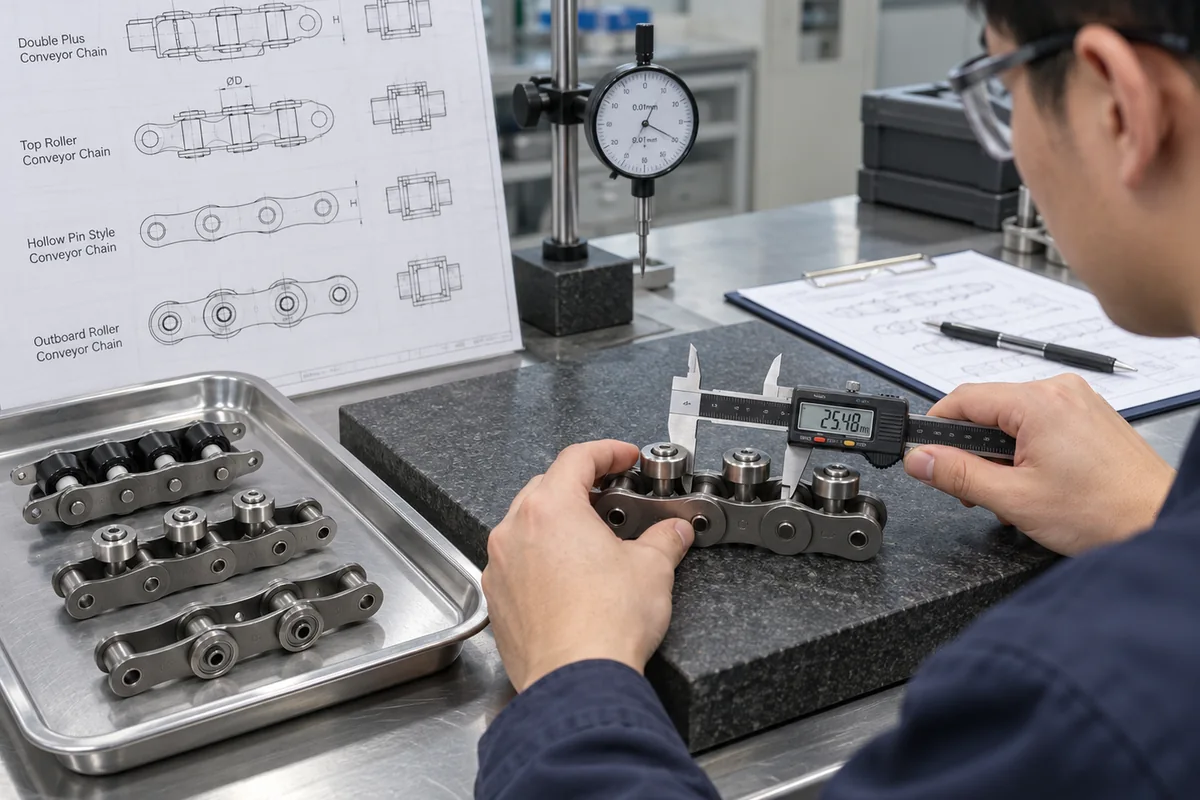
Inspection requirements should be agreed before production when the project calls for specific material documentation, dimensional records or product-specific inspection documents. For replacement chains, the most useful acceptance points are the dimensions and interfaces that can be compared with the installed sprocket, rail and carrier.
Standard parts are typically planned at 10–25 working days, customized components at 20–45 working days, and project equipment at 45–120 working days, subject to the final configuration and production review. Common trade terms include EXW, FOB, CIF and DAP; FCA, CFR, CPT, CIP and DDP can be discussed for a specific shipment.
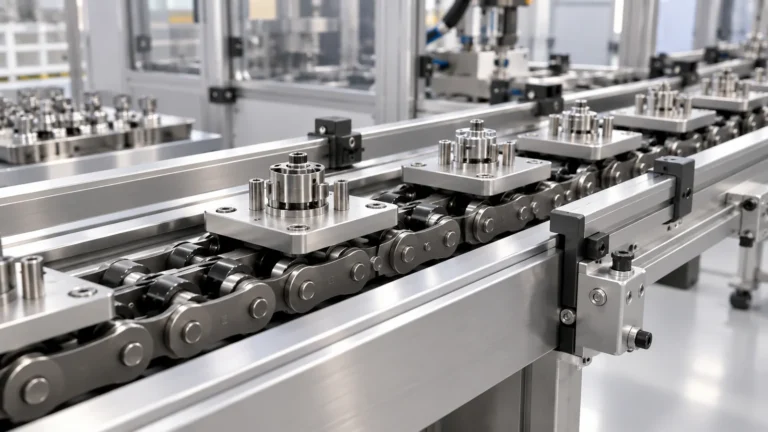
Practical engineering guide: ISO 606 and Conveyor Chain Specification Context. Selection, interfaces, application checks, maintenance and RFQ inputs.
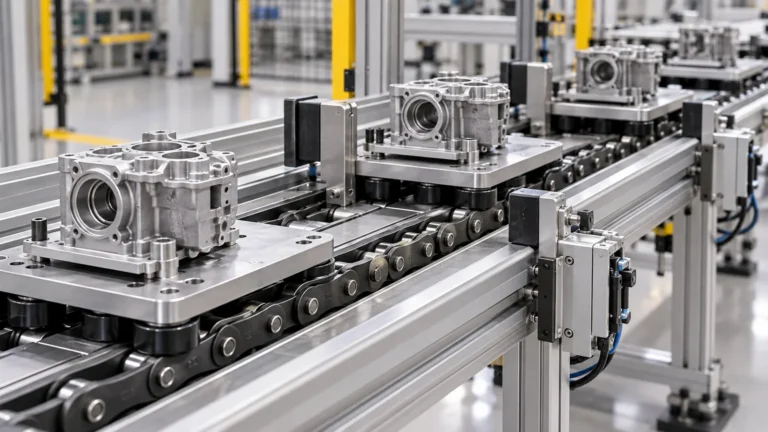
Practical engineering guide: Pallet Conveyor RFQ Checklist. Selection, interfaces, application checks, maintenance and RFQ inputs.
Practical engineering guide: Inspection and Test Conveyor Design. Selection, interfaces, application checks, maintenance and RFQ inputs.
Send the chain model or measured pitch, application, carrier/load information, quantity, sprocket data, rail/contact geometry, operating environment and any drawing or documentation requirement. That gives engineering enough context to review fit without turning the enquiry into a long back-and-forth exchange.
Company verification and project-document requirements can be included with the RFQ when they are relevant to the order.