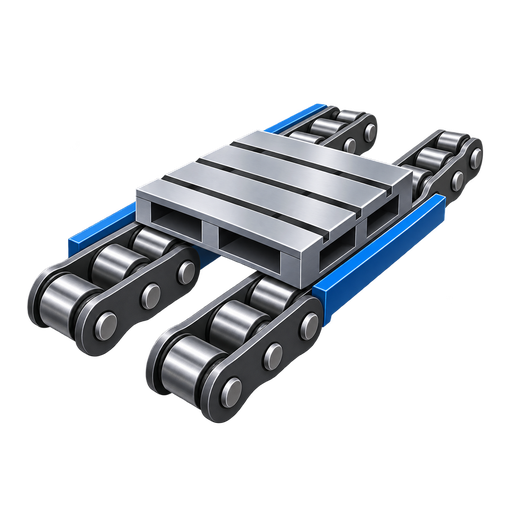
Mô tả sản phẩm
CZPT rollers enhance rotation on the bushing while reducing impact loads on the sprocket tooth during operation.
All components are heat treated to achieve maximum strength. All components are heat treated to achieve maximum strength.
Được nạp trước trong quá trình sản xuất để giảm thiểu độ giãn dài ban đầu.
Bôi trơn bằng phương pháp nhúng nóng đảm bảo bôi trơn tất cả các bộ phận của xích theo tiêu chuẩn 100%, giúp kéo dài tuổi thọ và giảm chi phí bảo trì.
| CHC KHÔNG. |
SÂN BÓNG ĐÁ | BỤI CÂY CHIỀU RỘNG |
CON LĂN DIA |
GHIM | ĐĨA | TỐI THIỂU. SỨC MẠNH |
AVG. SỨC MẠNH |
MAX. SỨC MẠNH |
TRANS SÂN BÓNG ĐÁ |
|||
| d | L | LC | H | T | ||||||||
| mm | mm | mm | mm | mm | mm | mm | mm | kgf | kgf | kgf | mm | |
| C35-1 | 9.525 | 4.68 | 5.08 | 3.60 | 12.15 | 13.40 | 8.80 | 1.25 | 800 | 1,100 | 220 | NIL |
| C40-1 | 12.700 | 7.85 | 7.92 | 3.98 | 17.80 | 21.00 | 12.00 | 1.50 | 1,420 | 1,950 | 370 | NIL |
| C50-1 | 15.875 | 9.40 | 10.16 | 5.09 | 21.80 | 25.00 | 15.00 | 2.00 | 2,200 | 3,100 | 650 | NIL |
| C60-1 | 19.050 | 12.58 | 11.91 | 5.96 | 26.90 | 31.00 | 18.00 | 2.35 | 3,190 | 4,200 | 920 | NIL |
| C80-1 | 25.400 | 15.75 | 15.87 | 7.94 | 33.50 | 38.00 | 24.10 | 3.20 | 5,680 | 7,500 | 1,500 | NIL |
| C100-1 | 31.750 | 18.90 | 19.05 | 9.54 | 41.10 | 47.00 | 30.10 | 4.00 | 8,870 | 12,100 | 2,300 | NIL |
| C120-1 | 38.100 | 25.23 | 22.22 | 11.11 | 50.80 | 57.00 | 36.20 | 4.70 | 12,770 | 16,000 | 3,100 | NIL |
| C140-1 | 44.450 | 25.23 | 25.40 | 12.71 | 54.90 | 62.00 | 42.20 | 5.50 | 17,380 | 21,000 | 4,100 | NIL |
| C160-1 | 50.800 | 31.55 | 25.87 | 14.29 | 65.50 | 73.00 | 48.20 | 6.40 | 22,700 | 30,000 | 5,400 | NIL |
| C40-2 | 12.700 | 7.85 | 7.92 | 3.98 | 32.30 | 36.20 | 12.00 | 1.50 | 2,840 | 3,900 | 630 | 14.38 |
| C50-2 | 15.875 | 9.40 | 10.16 | 5.09 | 39.90 | 44.00 | 15.00 | 2.00 | 4,440 | 6,200 | 1,100 | 18.11 |
| C60-2 | 19.050 | 12.58 | 11.92 | 5.96 | 49.80 | 54.40 | 18.00 | 2.35 | 6,380 | 8,400 | 1,530 | 22.78 |
| C80-2 | 25.400 | 15.75 | 15.87 | 7.94 | 62.70 | 68.10 | 24.10 | 3.20 | 11,360 | 15,000 | 2,550 | 29.29 |
| C100-2 | 31.750 | 18.90 | 19.05 | 9.54 | 77.00 | 83.10 | 30.10 | 4.00 | 17,740 | 24,200 | 3,900 | 35.76 |
| C120-2 | 38.100 | 25.23 | 22.22 | 11.11 | 96.30 | 102.90 | 36.20 | 4.70 | 25,540 | 32,000 | 5,250 | 45.44 |
| C140-2 | 44.450 | 25.23 | 25.40 | 12.71 | 103.60 | 111.00 | 42.20 | 5.50 | 347,600 | 42,000 | 6,970 | 48.87 |
| C160-2 | 50.800 | 31.55 | 28.57 | 14.29 | 124.20 | 132.10 | 48.20 | 6.40 | 57,460 | 60,000 | 9,150 | 58.55 |
| Cách sử dụng: | Transmission Chain, Conveyor Chain, Roller Chain |
|---|---|
| Vật liệu: | Thép hợp kim/thép cacbon |
| Xử lý bề mặt: | Đánh bóng |
| Tính năng: | Chịu nhiệt |
| Kích thước dây chuyền: | 3/8"*2" |
| Kết cấu: | Xích con lăn |
| Tùy chỉnh: |
Có sẵn
| Yêu cầu tùy chỉnh |
|---|
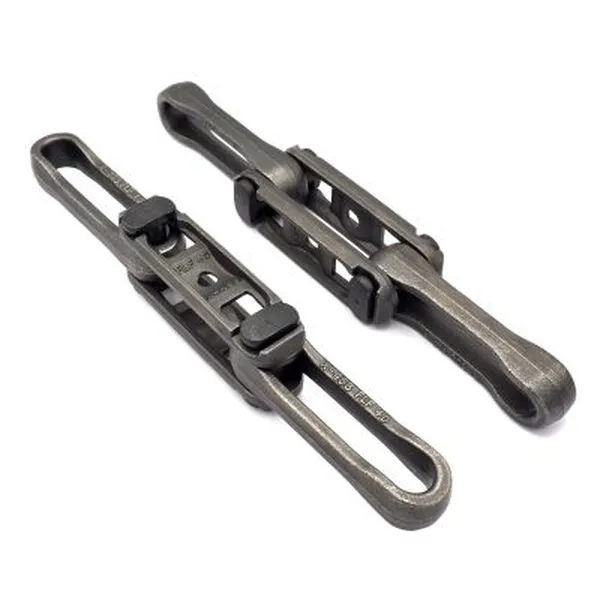
What are the advantages of using a slat conveyor chain?
A slat conveyor chain offers several advantages in material handling and conveying applications. Here are some key benefits:
1. Heavy-Duty Capacity:
– Slat conveyor chains are designed to handle heavy loads and can withstand rigorous industrial environments.
– They are commonly used in applications that require transporting large, bulky, or irregularly shaped items, such as automotive parts, pallets, or containers.
2. Flexibility:
– Slat chains can be customized and configured to suit specific conveying requirements. They are available in various widths, lengths, and chain configurations to accommodate different product sizes and shapes.
– The modular design of slat chains allows for easy modification or expansion of the conveyor system as production needs change.
3. Versatility:
– Slat chains can be used in both horizontal and inclined conveying applications. They are capable of moving products up or down slopes, making them suitable for production lines with varying elevations.
– These chains can be integrated with curves, turns, merges, and diverters to create complex conveying systems that optimize space utilization and product flow.
4. Durability and Longevity:
– Slat chains are typically made from robust materials such as steel or plastic, providing excellent durability and resistance to wear and tear.
– They can withstand demanding operating conditions, including high temperatures, corrosive environments, or exposure to chemicals.
5. Low Maintenance:
– Slat conveyor chains require minimal maintenance compared to other types of conveyor systems. They have fewer moving parts and typically operate with reduced friction.
– With proper lubrication and periodic inspection, slat chains can maintain their performance and reliability over an extended service life.
6. Easy Cleaning:
– The open design of slat chains allows for easy cleaning and debris removal. They are suitable for applications that require frequent sanitation or hygiene maintenance, such as in food processing or pharmaceutical industries.
Overall, using a slat conveyor chain offers the advantages of high load capacity, flexibility in design, versatility in conveying applications, durability, low maintenance requirements, and ease of cleaning. These features make slat chains an effective solution for various industries requiring efficient and reliable material handling.

Hệ thống băng tải đóng góp như thế nào vào hiệu quả sản xuất tổng thể?
Hệ thống băng tải đóng vai trò quan trọng trong việc nâng cao hiệu quả sản xuất tổng thể trong nhiều ngành công nghiệp. Dưới đây là những cách mà nó góp phần vào hiệu quả:
1. Dòng chảy vật liệu liên tục: Hệ thống băng tải xích cho phép dòng chảy vật liệu liên tục và không gián đoạn từ điểm này đến điểm khác. Nó loại bỏ nhu cầu xử lý hoặc vận chuyển hàng hóa bằng tay, giảm thời gian ngừng hoạt động và sự chậm trễ trong quy trình sản xuất.
2. Tăng năng suất: Bằng cách tự động hóa việc xử lý vật liệu, hệ thống băng tải giúp vận chuyển hàng hóa nhanh hơn và hiệu quả hơn. Điều này cho phép năng suất và tốc độ sản xuất cao hơn, tối đa hóa việc sử dụng tài nguyên và giảm thời gian chu kỳ.
3. Nâng cao năng suất: Với hệ thống băng tải, nhân viên có thể tập trung vào các công việc tạo ra giá trị gia tăng thay vì xử lý vật liệu thủ công. Điều này dẫn đến năng suất được cải thiện vì người lao động có thể tập trung vào các thao tác đòi hỏi kỹ năng cao và quan trọng hơn.
4. Phân bổ nguồn lực hiệu quả: Hệ thống băng tải được thiết kế tốt sẽ tối ưu hóa việc sử dụng không gian, cho phép bố trí và tổ chức khu vực sản xuất hiệu quả. Nó giúp hợp lý hóa quy trình làm việc và giảm thiểu lãng phí nguồn lực như diện tích mặt bằng, nhân lực và thiết bị.
5. Kiểm soát chất lượng: Hệ thống băng tải có thể được tích hợp với các trạm kiểm tra hoặc quy trình tự động để đảm bảo kiểm soát chất lượng ở các giai đoạn sản xuất khác nhau. Điều này giúp phát hiện và khắc phục mọi lỗi hoặc sự không nhất quán, giảm thiểu khả năng sản phẩm lỗi đến tay người tiêu dùng.
6. Giảm chi phí xử lý vật liệu: Bằng cách loại bỏ hoặc giảm thiểu việc xử lý vật liệu thủ công, băng tải xích giúp giảm chi phí nhân công liên quan đến vận chuyển, nâng hạ và mang vác hàng hóa. Nó cũng giảm thiểu nguy cơ chấn thương hoặc tai nạn liên quan đến việc xử lý thủ công.
7. Tính linh hoạt và khả năng thích ứng: Hệ thống băng tải có thể được tùy chỉnh để phù hợp với các yêu cầu sản xuất cụ thể. Chúng có thể được thiết kế để chứa các loại sản phẩm khác nhau, xử lý các tải trọng khác nhau và thích ứng với những thay đổi trong nhu cầu sản xuất. Tính linh hoạt này cho phép tích hợp liền mạch với các hệ thống sản xuất hiện có và dễ dàng mở rộng quy mô.
8. An toàn và Công thái học: Hệ thống băng tải tích hợp các tính năng an toàn như tấm chắn bảo vệ, nút dừng khẩn cấp và khóa liên động để đảm bảo an toàn cho người lao động. Chúng cũng thúc đẩy các thực hành công thái học bằng cách giảm căng thẳng thể chất cho người lao động và giảm thiểu nguy cơ chấn thương cơ xương khớp.
Nhìn chung, một hệ thống băng tải xích được thiết kế tốt và bảo trì đúng cách sẽ nâng cao hiệu quả sản xuất bằng cách tối ưu hóa dòng chảy vật liệu, tăng sản lượng, cải thiện năng suất, giảm chi phí, đảm bảo kiểm soát chất lượng và ưu tiên an toàn cho người lao động.
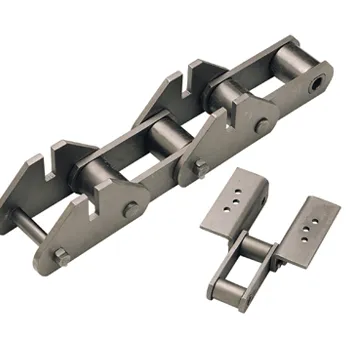
What are the maintenance requirements for a conveyor chain?
Maintaining a conveyor chain is essential to ensure its smooth operation and prolong its lifespan. Here are some key maintenance requirements for a conveyor chain:
- Regular Cleaning: Clean the conveyor chain regularly to remove dirt, debris, and contaminants that can contribute to chain wear and reduce performance. Use appropriate cleaning agents and tools to avoid damaging the chain.
- Bôi trơn: Apply the recommended lubricant to the conveyor chain according to the manufacturer’s guidelines. Lubrication helps reduce friction, minimize wear, and prevent corrosion.
- Tension Adjustment: Check the tension of the conveyor chain regularly and adjust it if necessary. Proper tension ensures smooth operation and prevents issues like chain slipping or excessive wear.
- Inspection: Conduct regular inspections of the conveyor chain to identify any signs of wear, damage, or misalignment. Look for issues such as worn sprockets, elongation, bent or damaged links, and loose connections. Address any problems promptly to prevent further damage.
- Replace Worn Components: If any components of the conveyor chain, such as links, pins, or sprockets, are excessively worn or damaged, they should be replaced. Using worn components can compromise the chain’s performance and lead to failure.
- Alignment: Ensure proper alignment of the conveyor chain by checking the alignment of sprockets, idlers, and other components. Misalignment can cause uneven wear and increase the risk of chain failure.
- Training and Education: Provide proper training to personnel responsible for operating and maintaining the conveyor chain. They should understand the maintenance requirements, safety protocols, and best practices to ensure effective and safe operation.
Following these maintenance requirements will help keep the conveyor chain in optimal condition, minimize downtime, and ensure safe and efficient material handling.


editor by CX 2023-07-26