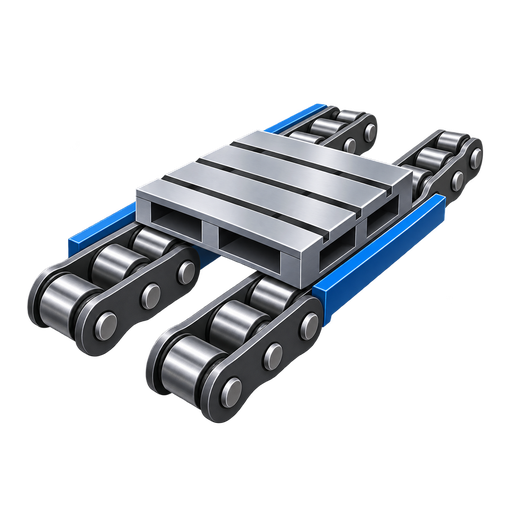
คำอธิบายผลิตภัณฑ์
ForgedScraper conveyor chain
P152F51/45/45A/45C/47/45D/45E/45F, P2000F29/29A, P101.6F20, RO6205MF3, MR56, MR80, MR224, MR315, FVR40/63/90/112
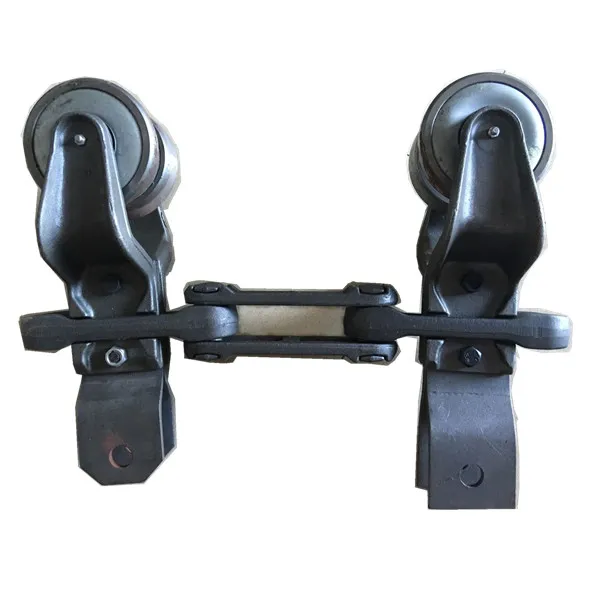
Forged chain , trolleys,carriers used on overhead conveyor production line.
Main products are Forge chain and trolley, welded link chain, Standard and non-standard stainless steel and carbon steel roller chain, Leaf chain, standard and non-standard conveyor chain, Scraper conveyor chain, Cranked link chain, double plus chain, double pitch transmission chain, plastic chain, sprockets and Other accessories.
Main products are Forge chain and trolley, welded link chain, Standard and non-standard stainless steel and carbon steel roller chain, Leaf chain, standard and non-standard conveyor chain, Scraper conveyor chain, Cranked link chain, double plus chain, double pitch transmission chain, plastic chain, sprockets and Other accessories.
The products can be combined to find the best possible solution for even the most demanding applications. Special solutions can also be developed for customers’ individual requirements.
Drop Forged Rivetless Chain, Drop Forged Chains, drop forged link,forged scraper chains.
1.Scraper chains P142,P142V,P142H,P200,P102,P250,P260
2.Detachable chain 51,52,55,57,62,74,78
3.Relevant overhead trolley&carriages&spare parts
4.as per your drawings or samples
| Drop forged detachable chains | X348,X458,X678,X698,F100,F160,P80,P100,P200 |
| CatterPilar Chains for | X348,X458,X678,X698 |
| วัสดุ: | Alloy |
|---|---|
| โครงสร้าง: | Combined Chain |
| การเตรียมพื้นผิว: | การขัดเงา |
| ขนาดสร้อย: | 1/2"*3/32" |
| คุณสมบัติ: | ทนความร้อน |
| Process: | Forging |
| ตัวอย่าง: |
US$ 1/Piece
1 Piece(Min.Order) | |
|---|
How do you calculate the required horsepower for a conveyor chain drive?
The calculation of required horsepower for a conveyor chain drive involves considering various factors related to the conveyor system and the specific application. Here is a step-by-step process:
1. Determine the Total Resistance:
– Calculate the total resistance that the conveyor chain needs to overcome during operation. This includes the resistance due to the load being conveyed, frictional losses, elevation changes, and any other resistances in the system.
2. Convert the Resistance to Equivalent Inertia:
– Convert the total resistance to an equivalent inertia by multiplying it by the square of the chain speed.
3. Calculate the Total Inertia:
– Determine the total inertia of the system by considering the inertia of all the rotating components, such as the conveyor chain, sprockets, and any other driven elements.
4. Determine the Required Torque:
– Calculate the required torque by multiplying the total inertia by the desired acceleration or deceleration rate.
5. Convert Torque to Horsepower:
– Convert the required torque to horsepower by dividing it by the motor speed (in RPM) and multiplying by a conversion factor.
6. Consider Safety Factors and Efficiency:
– Apply safety factors to the calculated horsepower to account for variations, contingencies, and future growth.
– Consider the efficiency of the drive system, including the motor, gearbox, and other transmission components, to ensure accurate power transmission.
It’s important to note that the above calculation method provides an estimate of the required horsepower. Consulting with conveyor system manufacturers, engineers, or industry-specific guidelines is recommended for precise calculations and to ensure the selected conveyor chain drive meets the application requirements.

การใช้สายพานลำเลียงแบบลูกกลิ้งมีประโยชน์อย่างไรบ้าง?
สายพานลำเลียงแบบลูกกลิ้งมีข้อดีหลายประการในการขนถ่ายและขนส่งวัสดุ ต่อไปนี้คือข้อดีบางประการ:
1. การขนส่งที่มีประสิทธิภาพ: สายพานลำเลียงแบบลูกกลิ้งได้รับการออกแบบมาเพื่อขนส่งสินค้าและวัสดุประเภทต่างๆ ได้อย่างราบรื่นและมีประสิทธิภาพ ลูกกลิ้งช่วยลดแรงเสียดทาน ทำให้ลดแรงที่ต้องใช้ในการเคลื่อนย้ายสินค้าไปตามสายพานลำเลียง
2. ความอเนกประสงค์: สายพานลำเลียงแบบลูกกลิ้งมีความอเนกประสงค์และสามารถรองรับผลิตภัณฑ์ได้หลากหลาย ตั้งแต่สินค้าขนาดเล็กและน้ำหนักเบาไปจนถึงสินค้าขนาดใหญ่และหนัก นิยมใช้ในอุตสาหกรรมต่างๆ เช่น การผลิต การจัดจำหน่าย โลจิสติกส์ และคลังสินค้า
3. ความทนทาน: โซ่ลำเลียงลูกกลิ้งมักทำจากวัสดุที่แข็งแรง เช่น เหล็ก ซึ่งให้ความทนทานและอายุการใช้งานที่ยาวนาน สามารถรับน้ำหนักมาก ใช้งานซ้ำๆ และสภาพแวดล้อมการทำงานที่รุนแรงได้
4. ความยืดหยุ่น: สายพานลำเลียงแบบลูกกลิ้งสามารถจัดวางในรูปแบบต่างๆ เพื่อรองรับความต้องการพื้นที่และรูปแบบการไหลของวัสดุที่แตกต่างกันได้ สามารถออกแบบให้เป็นเส้นตรง เส้นโค้ง เส้นเอียง หรือเส้นลดระดับ เพื่อเพิ่มประสิทธิภาพการไหลของสินค้าภายในโรงงาน
5. การสะสมสินค้าที่ง่าย: สายพานลำเลียงแบบลูกกลิ้งช่วยให้การสะสมสินค้ามีประสิทธิภาพโดยไม่ก่อให้เกิดความเสียหายหรือการติดขัด ลูกกลิ้งสามารถออกแบบให้มีระยะห่างและการจัดเรียงที่เฉพาะเจาะจง เพื่อให้สามารถควบคุมการสะสมและการปล่อยสินค้าตามแนวสายพานลำเลียงได้
6. การบำรุงรักษาขั้นต่ำ: ด้วยการบำรุงรักษาและการหล่อลื่นที่เหมาะสม โซ่ลำเลียงแบบลูกกลิ้งต้องการการดูแลรักษาเพียงเล็กน้อย การออกแบบของโซ่และลูกกลิ้งช่วยลดการสะสมของเศษสิ่งสกปรก ทำให้ทำความสะอาดและบำรุงรักษาได้ง่ายขึ้น
7. การทำงานที่ราบรื่นและเงียบ: การใช้ลูกกลิ้งในสายพานลำเลียงช่วยให้การทำงานราบรื่นและเงียบ ลดระดับเสียงในที่ทำงาน ทำให้เกิดสภาพแวดล้อมการทำงานที่สะดวกสบายและมีประสิทธิภาพมากขึ้น
8. ความปลอดภัยที่เพิ่มขึ้น: สายพานลำเลียงแบบลูกกลิ้งได้รับการออกแบบโดยคำนึงถึงความปลอดภัยเป็นหลัก สามารถติดตั้งคุณสมบัติความปลอดภัยต่างๆ เช่น ตัวป้องกัน เซ็นเซอร์ และกลไกหยุดฉุกเฉิน เพื่อให้มั่นใจในความปลอดภัยของผู้ปฏิบัติงานและป้องกันอุบัติเหตุ
การใช้สายพานลำเลียงแบบลูกกลิ้งช่วยให้ธุรกิจต่างๆ ได้รับประโยชน์จากประสิทธิภาพที่ดียิ่งขึ้น ความทนทานที่เพิ่มขึ้น ความยืดหยุ่นในการขนถ่ายวัสดุ และความปลอดภัยที่มากขึ้นในการดำเนินงาน

What factors should be considered when designing a conveyor chain system?
When designing a conveyor chain system, several factors need to be considered to ensure optimal performance and functionality. These factors include:
- Load Capacity: The load capacity of the conveyor chain system is a critical consideration. It involves determining the maximum weight and size of the materials or products to be conveyed. This information helps in selecting the appropriate chain type, size, and strength to handle the expected load.
- Speed and Throughput: The desired speed at which the conveyor system needs to operate and the expected throughput of materials are important factors. They influence the selection of chain pitch, sprocket size, and motor power to achieve the desired conveyor speed and material handling capacity.
- Environmental Conditions: The operating environment plays a crucial role in the design of a conveyor chain system. Factors such as temperature, humidity, dust, corrosive substances, and presence of water or chemicals impact the selection of materials for the chain, sprockets, and other components to ensure durability and resistance to wear and corrosion.
- Conveyor Layout and Configuration: The layout and configuration of the conveyor system are key considerations. Factors such as available space, conveyor path, incline or decline angles, and any required curves or turns affect the selection of chain type, sprocket arrangement, and overall system design.
- Maintenance and Accessibility: Easy access for maintenance and servicing is crucial for the longevity and efficient operation of the conveyor chain system. Considering factors such as lubrication points, chain tension adjustment mechanisms, and overall accessibility for inspections and repairs ensures smooth operation and minimizes downtime.
- Noise and Vibration: The level of noise and vibration generated by the conveyor chain system can impact the working environment. Design considerations such as selecting chain types with low noise characteristics, implementing proper lubrication, and using vibration-damping components help minimize noise and vibration levels.
- Safety: Safety is of paramount importance in conveyor chain system design. Factors such as guarding, emergency stop systems, proper alignment, and anti-slip measures need to be incorporated to ensure the safety of operators and prevent accidents or injuries.
Considering these factors during the design stage helps in selecting the appropriate conveyor chain type, size, and configuration to meet the specific requirements of the application, ensuring smooth and efficient material handling operations.


editor by CX 2023-08-14