Penerangan Produk
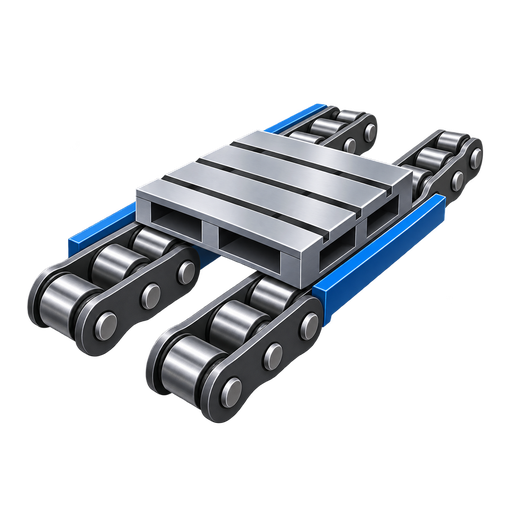
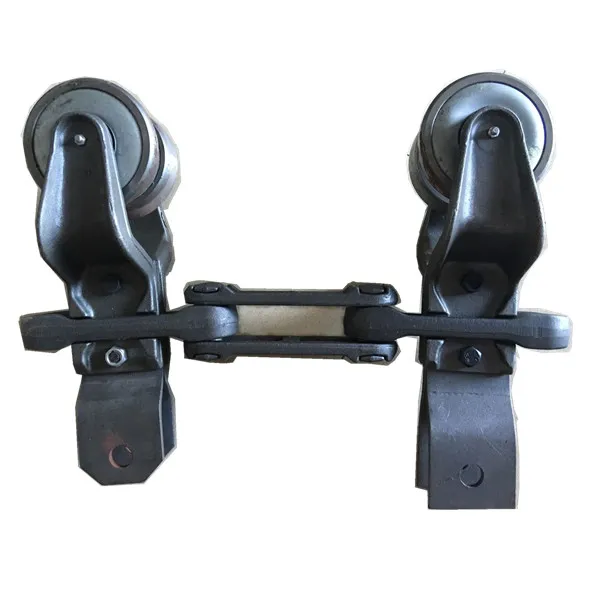
ForgedScraper conveyor chain
P152F51/45/45A/45C/47/45D/45E/45F, P2000F29/29A, P101.6F20, RO6205MF3, MR56, MR80, MR224, MR315, FVR40/63/90/112
Forged chain , trolleys,carriers used on overhead conveyor production line.
Main products are Forge chain and trolley, welded link chain, Standard and non-standard stainless steel and carbon steel roller chain, Leaf chain, standard and non-standard conveyor chain, Scraper conveyor chain, Cranked link chain, double plus chain, double pitch transmission chain, plastic chain, sprockets and Other accessories.
Main products are Forge chain and trolley, welded link chain, Standard and non-standard stainless steel and carbon steel roller chain, Leaf chain, standard and non-standard conveyor chain, Scraper conveyor chain, Cranked link chain, double plus chain, double pitch transmission chain, plastic chain, sprockets and Other accessories.
The products can be combined to find the best possible solution for even the most demanding applications. Special solutions can also be developed for customers’ individual requirements.
Drop Forged Rivetless Chain, Drop Forged Chains, drop forged link,forged scraper chains.
1.Scraper chains P142,P142V,P142H,P200,P102,P250,P260
2.Detachable chain 51,52,55,57,62,74,78
3.Relevant overhead trolley&carriages&spare parts
4.as per your drawings or samples
| Drop forged detachable chains | X348,X458,X678,X698,F100,F160,P80,P100,P200 |
| CatterPilar Chains for | X348,X458,X678,X698 |
| Bahan: | Aloi |
|---|---|
| Struktur: | Combined Chain |
| Rawatan Permukaan: | Penggilapan |
| Saiz Rantai: | 1/2"*3/32" |
| Ciri: | Tahan Haba |
| Process: | Forging |
| Sampel: |
US$ 1/Piece
1 Keping (Pesanan Minimum) | |
|---|
How do you calculate the required horsepower for a conveyor chain drive?
The calculation of required horsepower for a conveyor chain drive involves considering various factors related to the conveyor system and the specific application. Here is a step-by-step process:
1. Determine the Total Resistance:
– Calculate the total resistance that the conveyor chain needs to overcome during operation. This includes the resistance due to the load being conveyed, frictional losses, elevation changes, and any other resistances in the system.
2. Convert the Resistance to Equivalent Inertia:
– Convert the total resistance to an equivalent inertia by multiplying it by the square of the chain speed.
3. Calculate the Total Inertia:
– Determine the total inertia of the system by considering the inertia of all the rotating components, such as the conveyor chain, sprockets, and any other driven elements.
4. Determine the Required Torque:
– Calculate the required torque by multiplying the total inertia by the desired acceleration or deceleration rate.
5. Convert Torque to Horsepower:
– Convert the required torque to horsepower by dividing it by the motor speed (in RPM) and multiplying by a conversion factor.
6. Consider Safety Factors and Efficiency:
– Apply safety factors to the calculated horsepower to account for variations, contingencies, and future growth.
– Consider the efficiency of the drive system, including the motor, gearbox, and other transmission components, to ensure accurate power transmission.
It’s important to note that the above calculation method provides an estimate of the required horsepower. Consulting with conveyor system manufacturers, engineers, or industry-specific guidelines is recommended for precise calculations and to ensure the selected conveyor chain drive meets the application requirements.

Apakah faedah menggunakan rantai penghantar roller?
Rantai penghantar roller menawarkan beberapa kelebihan dalam aplikasi pengendalian dan pengangkutan bahan. Berikut adalah beberapa faedahnya:
1. Pengangkutan yang cekap: Rantai penghantar roller direka bentuk untuk mengangkut pelbagai jenis barang dan bahan dengan lancar dan cekap. Penggelek ini menyediakan pergerakan geseran rendah, sekali gus mengurangkan usaha yang diperlukan untuk menggerakkan beban di sepanjang penghantar.
2. Kebolehgunaan: Rantai penghantar roller adalah serba boleh dan boleh mengendalikan pelbagai jenis produk, daripada barang kecil dan ringan hinggalah muatan berat dan besar. Ia biasanya digunakan dalam industri seperti pembuatan, pengedaran, logistik dan gudang.
3. Ketahanan: Rantai penghantar roller biasanya diperbuat daripada bahan yang kukuh seperti keluli, yang memberikan ketahanan dan jangka hayat yang sangat baik. Rantai ini boleh menahan beban berat, penggunaan berulang dan persekitaran kerja yang keras.
4. Fleksibiliti: Rantai penghantar roller boleh dikonfigurasikan dalam pelbagai susun atur untuk menampung keperluan ruang dan corak aliran bahan yang berbeza. Rantai ini boleh lurus, melengkung, condong atau condong untuk mengoptimumkan aliran barang di dalam kemudahan.
5. Pengumpulan mudah: Rantai penghantar penggelek membolehkan pengumpulan produk yang cekap tanpa menyebabkan kerosakan atau kesesakan. Penggelek boleh direka bentuk dengan jarak dan konfigurasi tertentu untuk membolehkan pengumpulan dan pelepasan barang yang terkawal di sepanjang saluran penghantar.
6. Penyelenggaraan minimum: Dengan penyelenggaraan dan pelinciran yang betul, rantai penghantar penggelek memerlukan penyelenggaraan yang minimum. Reka bentuk rantai dan penggelek mengurangkan pengumpulan serpihan, menjadikannya lebih mudah untuk dibersihkan dan diselenggara.
7. Operasi yang lancar dan senyap: Penggunaan penggelek dalam rantai penghantar memastikan operasi yang lancar dan senyap, sekali gus mengurangkan tahap bunyi bising di tempat kerja. Ini mewujudkan persekitaran kerja yang lebih selesa dan produktif.
8. Keselamatan yang dipertingkatkan: Rantai penghantar roller direka bentuk dengan mengambil kira keselamatan. Ia boleh dilengkapi dengan pelbagai ciri keselamatan seperti pelindung, sensor dan mekanisme berhenti kecemasan untuk memastikan kesejahteraan pengendali dan mencegah kemalangan.
Dengan menggunakan rantai penghantar roller, perniagaan boleh mendapat manfaat daripada kecekapan yang lebih baik, ketahanan yang meningkat, fleksibiliti dalam pengendalian bahan dan keselamatan yang dipertingkatkan dalam operasi mereka.

What factors should be considered when designing a conveyor chain system?
When designing a conveyor chain system, several factors need to be considered to ensure optimal performance and functionality. These factors include:
- Load Capacity: The load capacity of the conveyor chain system is a critical consideration. It involves determining the maximum weight and size of the materials or products to be conveyed. This information helps in selecting the appropriate chain type, size, and strength to handle the expected load.
- Speed and Throughput: The desired speed at which the conveyor system needs to operate and the expected throughput of materials are important factors. They influence the selection of chain pitch, sprocket size, and motor power to achieve the desired conveyor speed and material handling capacity.
- Environmental Conditions: The operating environment plays a crucial role in the design of a conveyor chain system. Factors such as temperature, humidity, dust, corrosive substances, and presence of water or chemicals impact the selection of materials for the chain, sprockets, and other components to ensure durability and resistance to wear and corrosion.
- Conveyor Layout and Configuration: The layout and configuration of the conveyor system are key considerations. Factors such as available space, conveyor path, incline or decline angles, and any required curves or turns affect the selection of chain type, sprocket arrangement, and overall system design.
- Maintenance and Accessibility: Easy access for maintenance and servicing is crucial for the longevity and efficient operation of the conveyor chain system. Considering factors such as lubrication points, chain tension adjustment mechanisms, and overall accessibility for inspections and repairs ensures smooth operation and minimizes downtime.
- Noise and Vibration: The level of noise and vibration generated by the conveyor chain system can impact the working environment. Design considerations such as selecting chain types with low noise characteristics, implementing proper lubrication, and using vibration-damping components help minimize noise and vibration levels.
- Safety: Safety is of paramount importance in conveyor chain system design. Factors such as guarding, emergency stop systems, proper alignment, and anti-slip measures need to be incorporated to ensure the safety of operators and prevent accidents or injuries.
Considering these factors during the design stage helps in selecting the appropriate conveyor chain type, size, and configuration to meet the specific requirements of the application, ensuring smooth and efficient material handling operations.


editor by CX 2023-08-14