Opis produktu
Stainless Steel Conveyor Chain C2042hpss, C2052hpss
Opis produktu
1. Material: Alloy steel & Stainless steel
2. Surface treatment: Shot peening / Zinc-plated / Nickel-plated / Dacromet-plated
3. Application:
The hollow pin chain is mainly suitable for low speed, low load for endurance requirements are not very high, such as food machinery, etc. Also is suitable for high and low temperature conditions.
4. Chain No:
Type A 08BHPFSS, 40HPSS, 50HPSS, 60HPSS, 80HPSS, 12BHPSS, etc
Type B C2040HPSS, C2050HPSS, C2060HPSS, C2080HPSS, etc
| Product name | Hollow Pin Chain with ISO9001: 2008 C2042HPSS, C2052HPSS, etc |
| Materials Available | 1. Stainless Steel: SS304, SS316, etc |
| 2. Alloy Steel: 45Mn, 42CrMo, etc | |
| 3. OEM according to your request | |
| Obróbka powierzchni | Shot peening, Polishing, Oxygenation, Blackening, Zinc-plated, Nickel-plated, Anodized, etc. |
| Characteristic | Fire Resistant, Oil Resistant, Heat Resistant |
| Aplikacja | Industry machine |
| Design criterion | ISO DIN ANSI & Customer’s Drawing |
| Size | Customer’s Drawing & ISO standard |
| Pakiet | Wooden Case / Container and pallet, or made-to-order |
| Certyfikat | ISO9001: 2008 |
| Korzyść | First quality, best service, competitive price, fast delivery |
| Delivery Time | 20 days for samples. 45 days for official order. |
Detailed Photos
View more products,please click here…
Company Profile
| Tworzywo: | Stainless Steel |
|---|---|
| Struktura: | Hollow Chain |
| Rozmiar łańcucha: | C2042hpss, C2052hpss |
| Funkcja: | Odporny na ciepło |
| Sample: | for Free |
| Transport Package: | Plastic Bag+Carton Box+Plywood Case |
| Próbki: |
US$ 0/Meter
1 metr (minimalne zamówienie) | |
|---|
| Personalizacja: |
Dostępny
| Spersonalizowane żądanie |
|---|

Can a conveyor chain be used in pharmaceutical manufacturing?
Yes, conveyor chains can be used in pharmaceutical manufacturing for various applications. Conveyor systems play a crucial role in the efficient and safe transportation of pharmaceutical products throughout the manufacturing process. Here are some key considerations when using conveyor chains in pharmaceutical manufacturing:
1. Material Selection:
– Choose conveyor chains made from materials that are suitable for pharmaceutical applications, such as stainless steel or FDA-approved plastic. These materials offer corrosion resistance, cleanliness, and compliance with industry regulations.
2. Cleanliness and Sanitation:
– Ensure that the conveyor chain design allows for easy cleaning and sanitation. Smooth surfaces, minimal crevices, and access for cleaning equipment are important to maintain a hygienic environment.
3. Contamination Control:
– Implement measures to prevent contamination of pharmaceutical products. This includes using chain lubricants that are safe for pharmaceutical applications and implementing proper handling and storage procedures.
4. Ochrona produktu:
– Choose conveyor chain systems that minimize product damage or degradation. This can include utilizing gentle product handling features such as low-friction surfaces, adjustable speed controls, and proper product spacing.
5. Regulatory Compliance:
– Ensure that the conveyor chain system complies with pharmaceutical industry regulations and guidelines, such as Good Manufacturing Practices (GMP) and the requirements of regulatory bodies like the FDA.
6. Integration with Equipment:
– Consider the integration of conveyor chains with other equipment in the pharmaceutical manufacturing process, such as labeling machines, filling machines, and packaging equipment. The conveyor system should provide seamless operation and synchronization with these machines.
By carefully selecting and designing conveyor chains specifically for pharmaceutical manufacturing, it is possible to meet the stringent requirements of the industry in terms of cleanliness, product integrity, and regulatory compliance.
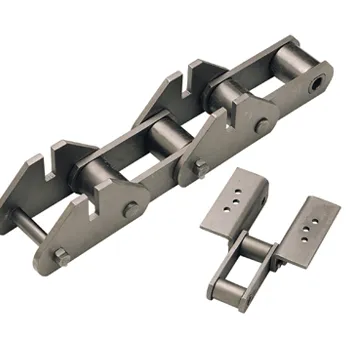
Jak łańcuch przenośnika wpływa na przepływ materiałów w linii produkcyjnej?
Łańcuch przenośnika odgrywa kluczową rolę w zapewnieniu płynnego i wydajnego przepływu materiałów na linii produkcyjnej. Oto kluczowe sposoby, w jakie łańcuch przenośnika wpływa na przepływ materiałów:
1. Ruch ciągły: Łańcuch przenośnika umożliwia ciągły ruch materiałów wzdłuż linii produkcyjnej. Bezpiecznie trzymając i transportując materiały, łańcuch zapewnia stały przepływ bez przerw i opóźnień.
2. Kontrola prędkości: Prędkość, z jaką porusza się łańcuch przenośnika, można regulować w celu dostosowania do żądanej wydajności produkcji. Pozwala to na precyzyjną kontrolę przepływu materiału, zapewniając jego zgodność z procesami zachodzącymi w dalszej części procesu i unikając wąskich gardeł lub przeciążeń.
3. Orientacja i pozycjonowanie: Łańcuchy przenośnikowe mogą być zaprojektowane z wykorzystaniem specjalnych elementów mocujących lub uchwytów, które umożliwiają orientację i pozycjonowanie materiałów w pożądany sposób. Zapewnia to prawidłowe ułożenie materiałów do przetwarzania, montażu lub pakowania, optymalizując cały przepływ produkcji.
4. Sortowanie i rozbieżność: W niektórych zastosowaniach łańcuchy przenośników mogą być wyposażone w mechanizmy sortowania lub rozbieżności materiałów w oparciu o ustalone kryteria. Pozwala to na efektywne kierowanie różnych produktów lub komponentów do odpowiednich miejsc docelowych, usprawniając przepływ materiałów.
5. Akumulacja i buforowanie: Łańcuchy przenośników mogą zawierać strefy akumulacji lub obszary buforowe, w których materiały mogą się tymczasowo zatrzymywać lub gromadzić. Funkcja ta jest przydatna w przypadku chwilowych zakłóceń w procesach produkcyjnych lub gdy zachodzi potrzeba zrównoważenia przepływu między różnymi etapami produkcji.
6. Integracja z urządzeniami: Łańcuchy przenośnikowe można zintegrować z innymi urządzeniami lub maszynami w linii produkcyjnej, takimi jak ramiona robotów, zautomatyzowane systemy pakowania czy stanowiska kontroli. Ta płynna integracja umożliwia zsynchronizowane przemieszczanie materiałów, optymalizując przepływ i wydajność całego procesu produkcyjnego.
7. Dostosowanie do specyficznych potrzeb: Łańcuchy przenośnikowe można dostosować do specyficznych wymagań w zakresie transportu materiałów. Obejmuje to takie aspekty, jak szerokość i długość łańcucha, regulacja wysokości, nachylenie lub spadek oraz specjalistyczne osprzęty lub prowadnice. Takie dostosowanie gwarantuje, że przepływ materiału jest dostosowany do unikalnych potrzeb linii produkcyjnej.
Zapewniając niezawodną i kontrolowaną metodę transportu materiałów, łańcuch przenośnika znacząco wpływa na przepływ materiałów na linii produkcyjnej. Zwiększa wydajność, ogranicza ręczną obsługę, minimalizuje ryzyko błędów i uszkodzeń, a ostatecznie przyczynia się do ogólnej wydajności i sukcesu procesu produkcyjnego.
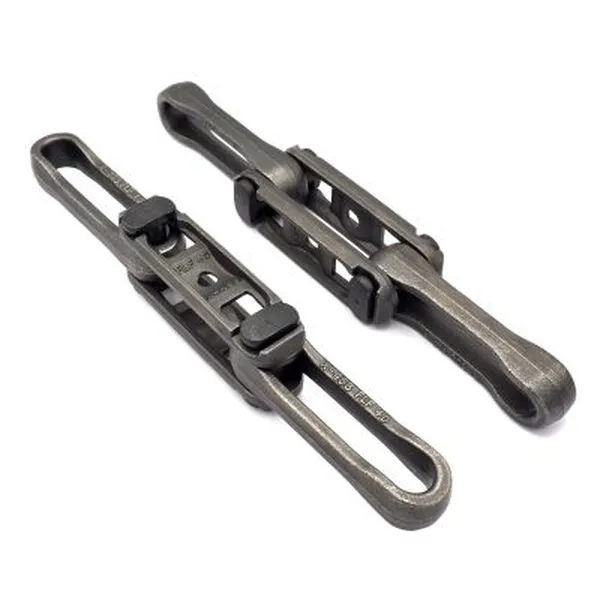
How can you prevent conveyor chain failures?
Preventing conveyor chain failures is crucial for maintaining the efficiency and reliability of a conveyor system. Here are some key preventive measures:
- Regular Inspection and Maintenance: Implement a routine inspection and maintenance schedule to identify potential issues before they escalate. Regularly inspect the chain for signs of wear, such as elongation, link plate wear, and sprocket tooth wear. Address any visible damage or abnormalities promptly.
- Proper Lubrication: Apply the appropriate lubricant to the conveyor chain to minimize friction and reduce wear. Lubrication helps to prevent metal-to-metal contact, corrosion, and excessive heat generation. Follow the manufacturer’s recommendations for lubrication frequency and use lubricants suitable for the operating conditions.
- Tensioning: Maintain proper tension in the conveyor chain to ensure optimal performance and reduce the risk of failures. Both over-tensioning and under-tensioning can lead to premature wear or chain damage. Follow the manufacturer’s guidelines for tensioning and regularly check and adjust the tension as needed.
- Sprocket Maintenance: Inspect and maintain the sprockets that engage with the conveyor chain. Check for any signs of wear or damage on the sprocket teeth and replace them if necessary. Ensure proper alignment between the chain and sprockets to prevent excessive wear and chain skipping.
- Environmental Considerations: Take into account the environmental factors that can affect the conveyor chain’s performance. Protect the chain from exposure to moisture, corrosive substances, excessive heat, or abrasive materials. Implement appropriate safeguards, such as covers or enclosures, to minimize environmental impact on the chain.
- Proper Loading: Ensure that the conveyor chain is not subjected to excessive loads beyond its capacity. Overloading can lead to accelerated wear and chain failures. Adhere to the recommended load limits and guidelines provided by the chain manufacturer.
- Operator Training: Provide proper training to operators and maintenance personnel on the correct operation, maintenance, and safety procedures related to the conveyor chain system. Educate them on identifying potential issues, performing routine inspections, and reporting any abnormalities.
By implementing these preventive measures, you can significantly reduce the risk of conveyor chain failures and extend the lifespan of the chain. Regular monitoring and maintenance are essential to ensure the system operates smoothly and safely.


editor by CX 2023-08-17