Produktbeschreibung
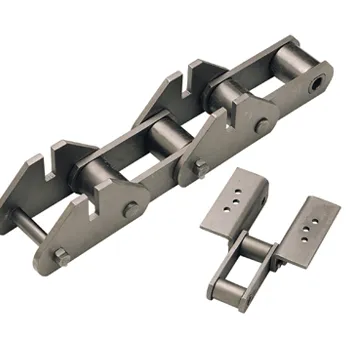
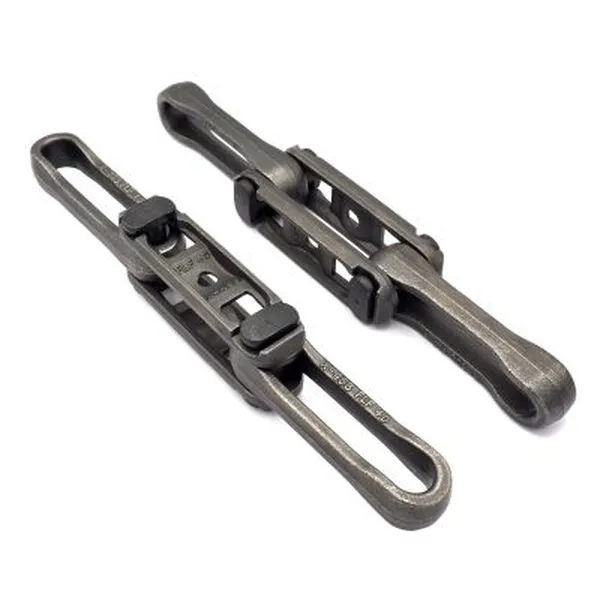
Stainless Steel Conveyor Chain C2042hpss, C2052hpss
Produktbeschreibung
1. Material: Alloy steel & Stainless steel
2. Surface treatment: Shot peening / Zinc-plated / Nickel-plated / Dacromet-plated
3. Application:
The hollow pin chain is mainly suitable for low speed, low load for endurance requirements are not very high, such as food machinery, etc. Also is suitable for high and low temperature conditions.
4. Chain No:
Type A 08BHPFSS, 40HPSS, 50HPSS, 60HPSS, 80HPSS, 12BHPSS, etc
Type B C2040HPSS, C2050HPSS, C2060HPSS, C2080HPSS, etc
| Product name | Hollow Pin Chain with ISO9001: 2008 C2042HPSS, C2052HPSS, etc |
| Materials Available | 1. Stainless Steel: SS304, SS316, etc |
| 2. Alloy Steel: 45Mn, 42CrMo, etc | |
| 3. OEM according to your request | |
| Surface Treatment | Shot peening, Polishing, Oxygenation, Blackening, Zinc-plated, Nickel-plated, Anodized, etc. |
| Characteristic | Fire Resistant, Oil Resistant, Heat Resistant |
| Anwendung | Industry machine |
| Design criterion | ISO DIN ANSI & Customer’s Drawing |
| Size | Customer’s Drawing & ISO standard |
| Package | Wooden Case / Container and pallet, or made-to-order |
| Zertifikat | ISO9001: 2008 |
| Advantage | First quality, best service, competitive price, fast delivery |
| Delivery Time | 20 days for samples. 45 days for official order. |
Detailed Photos
View more products,please click here…
Company Profile
| Material: | Stainless Steel |
|---|---|
| Struktur: | Hollow Chain |
| Kettengröße: | C2042hpss, C2052hpss |
| Besonderheit: | Hitzebeständig |
| Sample: | for Free |
| Transport Package: | Plastic Bag+Carton Box+Plywood Case |
| Proben: |
US$ 0/Meter
1 Meter (Mindestbestellmenge) | |
|---|
| Anpassung: |
Verfügbar
| Kundenspezifische Anfrage |
|---|

Can a conveyor chain be used in pharmaceutical manufacturing?
Yes, conveyor chains can be used in pharmaceutical manufacturing for various applications. Conveyor systems play a crucial role in the efficient and safe transportation of pharmaceutical products throughout the manufacturing process. Here are some key considerations when using conveyor chains in pharmaceutical manufacturing:
1. Material Selection:
– Choose conveyor chains made from materials that are suitable for pharmaceutical applications, such as stainless steel or FDA-approved plastic. These materials offer corrosion resistance, cleanliness, and compliance with industry regulations.
2. Cleanliness and Sanitation:
– Ensure that the conveyor chain design allows for easy cleaning and sanitation. Smooth surfaces, minimal crevices, and access for cleaning equipment are important to maintain a hygienic environment.
3. Contamination Control:
– Implement measures to prevent contamination of pharmaceutical products. This includes using chain lubricants that are safe for pharmaceutical applications and implementing proper handling and storage procedures.
4. Product Protection:
– Choose conveyor chain systems that minimize product damage or degradation. This can include utilizing gentle product handling features such as low-friction surfaces, adjustable speed controls, and proper product spacing.
5. Regulatory Compliance:
– Ensure that the conveyor chain system complies with pharmaceutical industry regulations and guidelines, such as Good Manufacturing Practices (GMP) and the requirements of regulatory bodies like the FDA.
6. Integration with Equipment:
– Consider the integration of conveyor chains with other equipment in the pharmaceutical manufacturing process, such as labeling machines, filling machines, and packaging equipment. The conveyor system should provide seamless operation and synchronization with these machines.
By carefully selecting and designing conveyor chains specifically for pharmaceutical manufacturing, it is possible to meet the stringent requirements of the industry in terms of cleanliness, product integrity, and regulatory compliance.
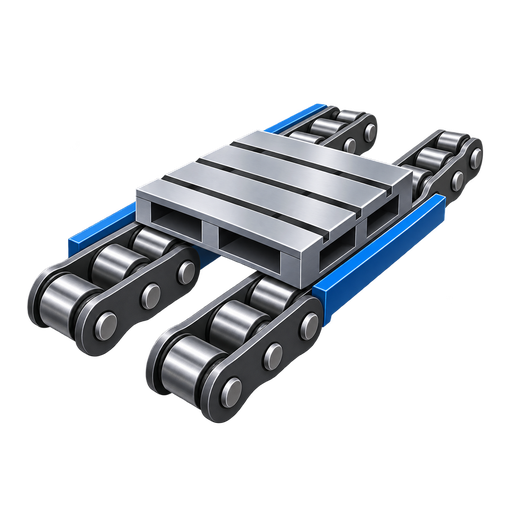
Wie beeinflusst eine Förderkette den Materialfluss in einer Produktionslinie?
Eine Förderkette spielt eine entscheidende Rolle für den reibungslosen und effizienten Materialfluss in einer Produktionslinie. Im Folgenden werden die wichtigsten Auswirkungen einer Förderkette auf den Materialfluss erläutert:
1. Kontinuierlicher Materialfluss: Eine Förderkette ermöglicht den kontinuierlichen Transport von Materialien entlang der Produktionslinie. Durch das sichere Halten und Transportieren der Materialien gewährleistet die Kette einen gleichmäßigen Materialfluss ohne Unterbrechungen oder Verzögerungen.
2. Geschwindigkeitsregelung: Die Geschwindigkeit der Förderkette lässt sich an die gewünschte Produktionsrate anpassen. Dies ermöglicht eine präzise Steuerung des Materialflusses, gewährleistet dessen Abstimmung mit den nachgelagerten Prozessen und vermeidet Engpässe oder Überlastung.
3. Ausrichtung und Positionierung: Förderketten können mit speziellen Vorrichtungen oder Halterungen ausgestattet werden, um Materialien gezielt auszurichten und zu positionieren. Dadurch wird sichergestellt, dass die Materialien für die Weiterverarbeitung, Montage oder Verpackung optimal bereitgestellt werden und der gesamte Produktionsablauf optimiert wird.
4. Sortieren und Verzweigen: In bestimmten Anwendungen können Förderketten mit Mechanismen zum Sortieren oder Verzweigen von Materialien anhand vordefinierter Kriterien ausgestattet werden. Dies ermöglicht eine effiziente Weiterleitung verschiedener Produkte oder Komponenten zu ihren jeweiligen Bestimmungsorten und optimiert so den Materialfluss.
5. Stauung und Pufferung: Förderketten können Stauzonen oder Pufferbereiche enthalten, in denen Materialien vorübergehend angehalten oder angesammelt werden können. Diese Funktion ist nützlich, wenn nachgelagerte Prozesse vorübergehend gestört sind oder wenn der Materialfluss zwischen verschiedenen Produktionsstufen ausgeglichen werden muss.
6. Integration mit anderen Anlagen: Förderketten lassen sich mit anderen Anlagen oder Maschinen in der Produktionslinie integrieren, beispielsweise mit Roboterarmen, automatisierten Verpackungssystemen oder Inspektionsstationen. Diese nahtlose Integration ermöglicht eine synchronisierte Materialhandhabung und optimiert so den Materialfluss und die Effizienz des gesamten Produktionsprozesses.
7. Anpassung an spezifische Anforderungen: Förderketten lassen sich individuell an spezifische Anforderungen der Materialförderung anpassen. Dies umfasst Aspekte wie Kettenbreite, -länge, Höhenverstellung, Steigungen oder Gefälle sowie spezielle Anbauteile oder Führungen. Durch diese Anpassung wird sichergestellt, dass der Materialfluss optimal auf die individuellen Bedürfnisse der Produktionslinie abgestimmt ist.
Durch die Bereitstellung einer zuverlässigen und kontrollierten Methode zum Materialtransport beeinflusst eine Förderkette den Materialfluss in einer Produktionslinie maßgeblich. Sie steigert die Produktivität, reduziert manuelle Eingriffe, minimiert das Risiko von Fehlern oder Beschädigungen und trägt letztendlich zur Gesamteffizienz und zum Erfolg des Fertigungsprozesses bei.
How can you prevent conveyor chain failures?
Preventing conveyor chain failures is crucial for maintaining the efficiency and reliability of a conveyor system. Here are some key preventive measures:
- Regular Inspection and Maintenance: Implement a routine inspection and maintenance schedule to identify potential issues before they escalate. Regularly inspect the chain for signs of wear, such as elongation, link plate wear, and sprocket tooth wear. Address any visible damage or abnormalities promptly.
- Proper Lubrication: Apply the appropriate lubricant to the conveyor chain to minimize friction and reduce wear. Lubrication helps to prevent metal-to-metal contact, corrosion, and excessive heat generation. Follow the manufacturer’s recommendations for lubrication frequency and use lubricants suitable for the operating conditions.
- Tensioning: Maintain proper tension in the conveyor chain to ensure optimal performance and reduce the risk of failures. Both over-tensioning and under-tensioning can lead to premature wear or chain damage. Follow the manufacturer’s guidelines for tensioning and regularly check and adjust the tension as needed.
- Sprocket Maintenance: Inspect and maintain the sprockets that engage with the conveyor chain. Check for any signs of wear or damage on the sprocket teeth and replace them if necessary. Ensure proper alignment between the chain and sprockets to prevent excessive wear and chain skipping.
- Environmental Considerations: Take into account the environmental factors that can affect the conveyor chain’s performance. Protect the chain from exposure to moisture, corrosive substances, excessive heat, or abrasive materials. Implement appropriate safeguards, such as covers or enclosures, to minimize environmental impact on the chain.
- Proper Loading: Ensure that the conveyor chain is not subjected to excessive loads beyond its capacity. Overloading can lead to accelerated wear and chain failures. Adhere to the recommended load limits and guidelines provided by the chain manufacturer.
- Operator Training: Provide proper training to operators and maintenance personnel on the correct operation, maintenance, and safety procedures related to the conveyor chain system. Educate them on identifying potential issues, performing routine inspections, and reporting any abnormalities.
By implementing these preventive measures, you can significantly reduce the risk of conveyor chain failures and extend the lifespan of the chain. Regular monitoring and maintenance are essential to ensure the system operates smoothly and safely.


editor by CX 2023-08-17