Produktbeskrivning
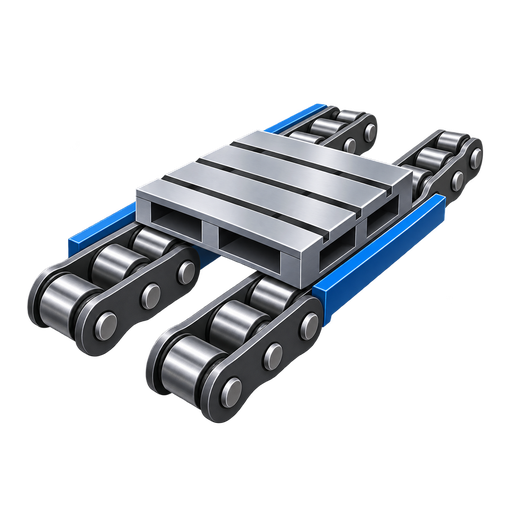
Stainless Steel Conveyor Chain C2042hpss, C2052hpss
Produktbeskrivning
1. Material: Alloy steel & Stainless steel
2. Surface treatment: Shot peening / Zinc-plated / Nickel-plated / Dacromet-plated
3. Application:
The hollow pin chain is mainly suitable for low speed, low load for endurance requirements are not very high, such as food machinery, etc. Also is suitable for high and low temperature conditions.
4. Chain No:
Type A 08BHPFSS, 40HPSS, 50HPSS, 60HPSS, 80HPSS, 12BHPSS, etc
Type B C2040HPSS, C2050HPSS, C2060HPSS, C2080HPSS, etc
| Product name | Hollow Pin Chain with ISO9001: 2008 C2042HPSS, C2052HPSS, etc |
| Materials Available | 1. Stainless Steel: SS304, SS316, etc |
| 2. Alloy Steel: 45Mn, 42CrMo, etc | |
| 3. OEM according to your request | |
| Surface Treatment | Shot peening, Polishing, Oxygenation, Blackening, Zinc-plated, Nickel-plated, Anodized, etc. |
| Characteristic | Fire Resistant, Oil Resistant, Heat Resistant |
| Ansökan | Industry machine |
| Design criterion | ISO DIN ANSI & Customer’s Drawing |
| Size | Customer’s Drawing & ISO standard |
| Package | Wooden Case / Container and pallet, or made-to-order |
| Certifikat | ISO9001: 2008 |
| Fördel | First quality, best service, competitive price, fast delivery |
| Delivery Time | 20 days for samples. 45 days for official order. |
Detailed Photos
View more products,please click here…
Company Profile
| Material: | Stainless Steel |
|---|---|
| Strukturera: | Hollow Chain |
| Kedjestorlek: | C2042hpss, C2052hpss |
| Särdrag: | Värmebeständig |
| Sample: | for Free |
| Transport Package: | Plastic Bag+Carton Box+Plywood Case |
| Prover: |
US$ 0/Meter
1 meter (minsta beställning) | |
|---|
| Anpassning: |
Tillgänglig
| Anpassad förfrågan |
|---|

Can a conveyor chain be used in pharmaceutical manufacturing?
Yes, conveyor chains can be used in pharmaceutical manufacturing for various applications. Conveyor systems play a crucial role in the efficient and safe transportation of pharmaceutical products throughout the manufacturing process. Here are some key considerations when using conveyor chains in pharmaceutical manufacturing:
1. Material Selection:
– Choose conveyor chains made from materials that are suitable for pharmaceutical applications, such as stainless steel or FDA-approved plastic. These materials offer corrosion resistance, cleanliness, and compliance with industry regulations.
2. Cleanliness and Sanitation:
– Ensure that the conveyor chain design allows for easy cleaning and sanitation. Smooth surfaces, minimal crevices, and access for cleaning equipment are important to maintain a hygienic environment.
3. Contamination Control:
– Implement measures to prevent contamination of pharmaceutical products. This includes using chain lubricants that are safe for pharmaceutical applications and implementing proper handling and storage procedures.
4. Product Protection:
– Choose conveyor chain systems that minimize product damage or degradation. This can include utilizing gentle product handling features such as low-friction surfaces, adjustable speed controls, and proper product spacing.
5. Regulatory Compliance:
– Ensure that the conveyor chain system complies with pharmaceutical industry regulations and guidelines, such as Good Manufacturing Practices (GMP) and the requirements of regulatory bodies like the FDA.
6. Integration with Equipment:
– Consider the integration of conveyor chains with other equipment in the pharmaceutical manufacturing process, such as labeling machines, filling machines, and packaging equipment. The conveyor system should provide seamless operation and synchronization with these machines.
By carefully selecting and designing conveyor chains specifically for pharmaceutical manufacturing, it is possible to meet the stringent requirements of the industry in terms of cleanliness, product integrity, and regulatory compliance.
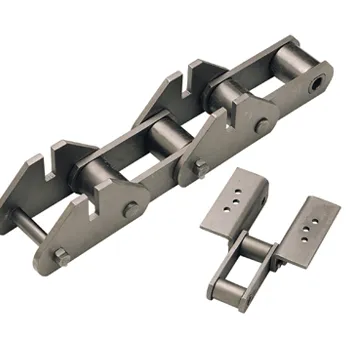
Hur påverkar en transportkedja materialflödet i en produktionslinje?
En transportkedja spelar en avgörande roll för att underlätta ett smidigt och effektivt materialflöde i en produktionslinje. Här är de viktigaste sätten på vilka en transportkedja påverkar materialflödet:
1. Kontinuerlig rörelse: En transportkedja möjliggör kontinuerlig förflyttning av material längs produktionslinjen. Genom att säkert hålla och transportera materialen säkerställer kedjan ett jämnt flöde utan avbrott eller förseningar.
2. Hastighetskontroll: Transportkedjans hastighet kan justeras för att matcha önskad produktionshastighet. Detta möjliggör exakt kontroll över materialflödet, vilket säkerställer att det är i linje med nedströmsprocesserna och undviker flaskhalsar eller överbelastning.
3. Orientering och positionering: Transportörkedjor kan utformas med specifika tillbehör eller fixturer för att orientera och positionera material på önskat sätt. Detta säkerställer att materialen presenteras korrekt för bearbetning, montering eller förpackning, vilket optimerar det totala produktionsflödet.
4. Sortering och divergering: I vissa tillämpningar kan transportörkedjor utrustas med mekanismer för sortering eller divergering av material baserat på förutbestämda kriterier. Detta möjliggör effektiv dirigering av olika produkter eller komponenter till deras respektive destinationer, vilket effektiviserar materialflödet.
5. Ackumulering och buffring: Transportörkedjor kan innehålla ackumuleringszoner eller buffringsområden där material tillfälligt kan pausa eller ackumuleras. Denna funktion är användbar när nedströmsprocesser upplever tillfälliga störningar eller när det finns ett behov av att balansera flödet mellan olika produktionssteg.
6. Integration med utrustning: Transportörkedjor kan integreras med annan utrustning eller maskiner i produktionslinjen, såsom robotarmar, automatiserade förpackningssystem eller inspektionsstationer. Denna sömlösa integration möjliggör synkroniserad materialhantering, vilket optimerar flödet och effektiviteten i hela produktionsprocessen.
7. Anpassning för specifika behov: Transportörkedjor kan anpassas för att möta specifika materialhanteringskrav. Detta inkluderar överväganden som kedjebredd, längd, höjdjusteringar, lutningar eller nedgångar samt specialiserade tillbehör eller styrningar. Sådan anpassning säkerställer att materialflödet är skräddarsytt efter produktionslinjens unika behov.
Genom att tillhandahålla en pålitlig och kontrollerad metod för att transportera material påverkar en transportkedja avsevärt materialflödet i en produktionslinje. Den ökar produktiviteten, minskar manuell hantering, minimerar risken för fel eller skador och bidrar i slutändan till tillverkningsprocessens övergripande effektivitet och framgång.
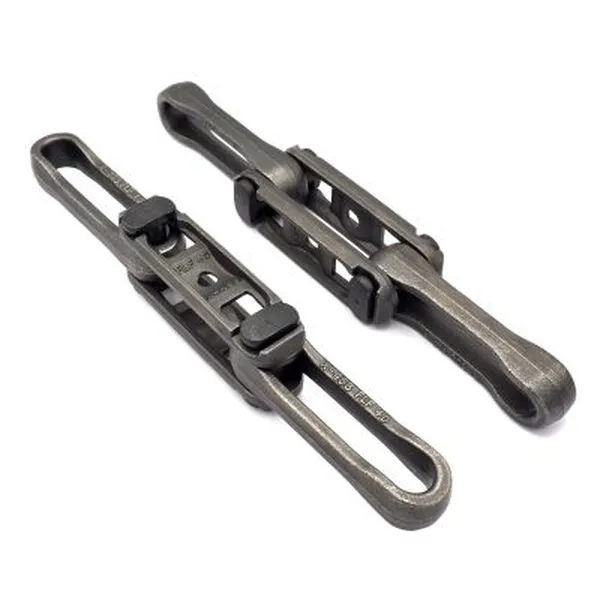
How can you prevent conveyor chain failures?
Preventing conveyor chain failures is crucial for maintaining the efficiency and reliability of a conveyor system. Here are some key preventive measures:
- Regular Inspection and Maintenance: Implement a routine inspection and maintenance schedule to identify potential issues before they escalate. Regularly inspect the chain for signs of wear, such as elongation, link plate wear, and sprocket tooth wear. Address any visible damage or abnormalities promptly.
- Proper Lubrication: Apply the appropriate lubricant to the conveyor chain to minimize friction and reduce wear. Lubrication helps to prevent metal-to-metal contact, corrosion, and excessive heat generation. Follow the manufacturer’s recommendations for lubrication frequency and use lubricants suitable for the operating conditions.
- Tensioning: Maintain proper tension in the conveyor chain to ensure optimal performance and reduce the risk of failures. Both over-tensioning and under-tensioning can lead to premature wear or chain damage. Follow the manufacturer’s guidelines for tensioning and regularly check and adjust the tension as needed.
- Sprocket Maintenance: Inspect and maintain the sprockets that engage with the conveyor chain. Check for any signs of wear or damage on the sprocket teeth and replace them if necessary. Ensure proper alignment between the chain and sprockets to prevent excessive wear and chain skipping.
- Environmental Considerations: Take into account the environmental factors that can affect the conveyor chain’s performance. Protect the chain from exposure to moisture, corrosive substances, excessive heat, or abrasive materials. Implement appropriate safeguards, such as covers or enclosures, to minimize environmental impact on the chain.
- Proper Loading: Ensure that the conveyor chain is not subjected to excessive loads beyond its capacity. Overloading can lead to accelerated wear and chain failures. Adhere to the recommended load limits and guidelines provided by the chain manufacturer.
- Operator Training: Provide proper training to operators and maintenance personnel on the correct operation, maintenance, and safety procedures related to the conveyor chain system. Educate them on identifying potential issues, performing routine inspections, and reporting any abnormalities.
By implementing these preventive measures, you can significantly reduce the risk of conveyor chain failures and extend the lifespan of the chain. Regular monitoring and maintenance are essential to ensure the system operates smoothly and safely.


editor by CX 2023-08-17