Penerangan Produk
CZPT rollers enhance rotation on the bushing while reducing impact loads on the sprocket tooth during operation.
All components are heat treated to achieve maximum strength. All components are heat treated to achieve maximum strength.
Dimuatkan terlebih dahulu semasa proses pembuatan untuk meminimumkan pemanjangan awal.
Pelinciran celup panas memastikan pelinciran 100% pada semua komponen rantai bagi memanjangkan jangka hayat dan mengurangkan kos penyelenggaraan.
| ISO TIDAK. |
ANSI TIDAK. |
PITCH | PENGGELUNG LINK LEBAR |
PENGGELUNG DIA |
PIN | PLAT | MIN. TENSILE KEKUATAN |
AVG. TENSILE KEKUATAN |
MAX. ALLOWABLE LOAD |
|||
| P | W | D | d | L | Lc | H | T | |||||
| mm | mm | mm | mm | mm | mm | mm | mm | kgf | kgf | kgf | ||
| C212AH | C2060H | 38.10 | 12.58 | 11.91 | 5.96 | 30.20 | 34.80 | 18.00 | 3.20 | 3,830 | 4,400 | 640 |
| C212AHL | C2062H | 38.10 | 12.58 | 22.23 | 5.96 | 30.20 | 34.80 | 18.00 | 3.20 | 3,830 | 4,400 | 640 |
| C216AH | C2080H | 50.80 | 15.75 | 15.88 | 7.94 | 37.40 | 42.80 | 24.10 | 4.00 | 6,820 | 8,000 | 1,100 |
| C216AHL | C2082H | 50.80 | 15.75 | 28.58 | 7.94 | 37.40 | 42.80 | 24.10 | 4.00 | 6,820 | 8,000 | 1,100 |
| C220H | C2100H | 63.50 | 18.90 | 19.05 | 9.54 | 44.50 | 50.60 | 30.10 | 4.80 | 10,650 | 12,500 | 1,900 |
| C220AHL | C2102H | 63.50 | 18.90 | 39.67 | 9.54 | 44.50 | 50.60 | 30.10 | 4.80 | 10,650 | 12,500 | 1,900 |
| C224AH | C2120H | 76.20 | 25.23 | 22.23 | 11.11 | 55.00 | 61.60 | 36.20 | 5.60 | 15,320 | 17,500 | 2,550 |
| C224AHL | C2122H | 76.20 | 25.23 | 44.45 | 11.11 | 55.00 | 61.60 | 36.20 | 5.60 | 15,320 | 17,500 | 2,550 |
| C232AH | C2160H | 101.60 | 31.55 | 28.58 | 14.29 | 69.40 | 77.30 | 48.20 | 7.10 | 27,240 | 29,500 | 4,300 |
| C232AHL | C2162H | 101.60 | 31.55 | 57.15 | 14.29 | 69.40 | 77.30 | 48.20 | 7.10 | 27,240 | 29,500 | 4,300 |
| Penggunaan: | Transmission Chain, Conveyor Chain, Double Pitch Roller Chain |
|---|---|
| Bahan: | Aloi/Keluli Karbon |
| Rawatan Permukaan: | Penggilapan |
| Ciri: | Tahan Haba |
| Saiz Rantai: | 1 1/2"*4" |
| Struktur: | Rantai Penggelek |
| Sampel: |
US$ 10/Meter
1 Meter (Pesanan Minimum) | |
|---|
| Penyesuaian: |
Tersedia
| Permintaan Tersuai |
|---|
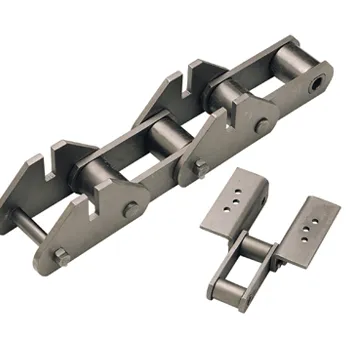
Can a conveyor chain be used in overhead conveyor systems?
Yes, a conveyor chain can be used in overhead conveyor systems. Overhead conveyor systems are designed to move materials, products, or components along an elevated path, typically in manufacturing or distribution facilities.
Conveyor chains used in overhead conveyor systems are specially designed to handle the weight and load requirements of the application. They are typically made from durable materials such as steel or stainless steel to ensure strength and longevity.
Here are some key considerations when using a conveyor chain in overhead conveyor systems:
1. Load Capacity:
– Ensure that the conveyor chain has sufficient load capacity to handle the weight of the conveyed items. The load capacity should be determined based on the maximum anticipated load and any potential dynamic forces.
2. Chain Type and Design:
– Select a conveyor chain that is suitable for overhead applications, such as an overhead conveyor chain or an inverted tooth chain. These chains are specifically designed to handle the unique requirements of overhead conveyance.
3. Lubrication:
– Proper lubrication is crucial for the smooth operation of the conveyor chain in an overhead system. Consider using lubricants that are suitable for overhead applications and ensure regular lubrication to minimize friction and wear.
4. Safety Measures:
– Implement appropriate safety measures to prevent accidents and ensure worker safety. This may include installing safety guards, emergency stop systems, and implementing regular maintenance and inspection routines.
It is important to consult with conveyor system manufacturers or experts who specialize in overhead conveyor systems to ensure the conveyor chain is selected and installed correctly for the specific application requirements.
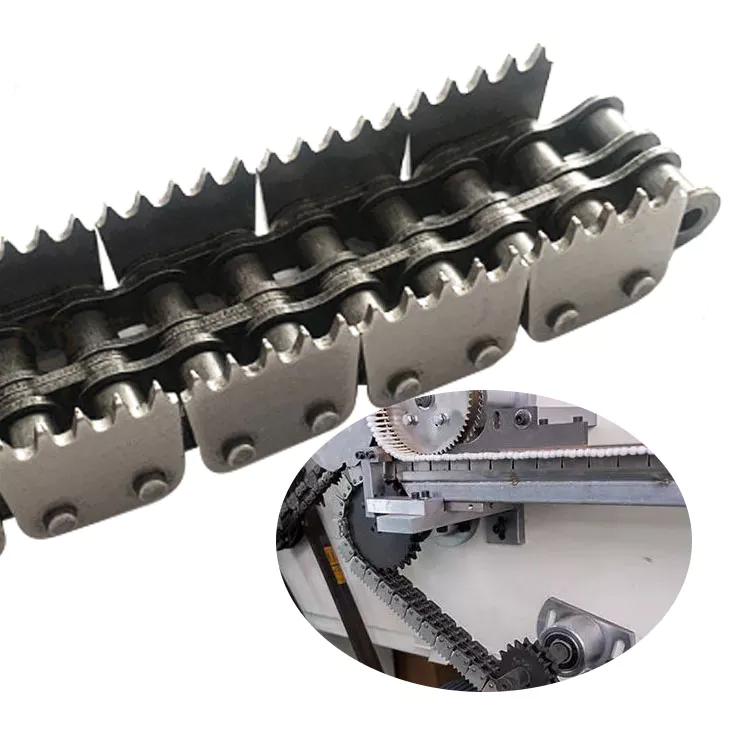
What are the different attachment options available for a conveyor chain?
Conveyor chains can be equipped with various types of attachments or accessories to accommodate specific material handling needs. Here are some common attachment options:
1. Cleats or Flights: Cleats or flights are raised sections attached to the conveyor chain to prevent materials from slipping or sliding off the chain. They are commonly used in incline or decline applications or when handling loose or bulk materials.
2. Side Plates or Side Guards: Side plates or side guards are installed along the edges of the conveyor chain to provide containment and prevent materials from spilling or falling off the sides. They are particularly useful when conveying small or irregularly shaped items.
3. Pusher Bars: Pusher bars are extensions mounted on the conveyor chain that can be pneumatically or mechanically actuated to push materials onto a different conveyor line or divert them to a specific location. They are often used for sorting or diverting applications.
4. Hold-Downs or Brackets: Hold-downs or brackets are devices attached to the conveyor chain to secure and stabilize the transported materials. They ensure that the materials remain in a fixed position during the conveying process, especially when encountering vibrations or changes in speed.
5. Guide Rails: Guide rails are installed alongside the conveyor chain to provide guidance and alignment for the materials being conveyed. They help maintain the desired path and prevent lateral movement or misalignment.
6. Magnetic Attachments: Magnetic attachments are used when handling ferrous materials. They allow the conveyor chain to attract and hold magnetic objects, ensuring effective transport and separation.
7. Tooling Plates: Tooling plates are platforms or mounting surfaces attached to the conveyor chain to accommodate specific equipment, such as fixtures, sensors, or robotic arms. They provide a convenient and customizable interface for integrating additional functionalities into the conveyor system.
8. Diverters or Transfer Units: Diverters or transfer units are specialized attachments that enable the seamless transfer of materials from one conveyor line to another, or between different processing stations. They ensure smooth transitions and precise material flow control.
These attachment options offer flexibility and versatility in conveyor chain applications, allowing customization based on the specific requirements of the material being transported or the production process. By selecting the appropriate attachments, conveyor chains can effectively handle a wide range of materials and optimize material flow within a conveyor system.
Bagaimanakah anda menegangkan rantai penghantar dengan betul?
Menegangkan rantai penghantar dengan betul adalah penting untuk kelancaran operasinya dan untuk mengelakkan masalah seperti rantai tergelincir atau haus berlebihan. Berikut adalah langkah-langkah untuk menegangkan rantai penghantar dengan betul:
- Kenal pasti Titik Ketegangan: Tentukan lokasi di mana rantai penghantar boleh ditegangkan. Ini biasanya di hujung rantai atau pada peranti penegang tertentu.
- Longgarkan Peranti Penegang: Jika terdapat peranti penegang, seperti bolt boleh laras atau skru penegang, longgarkannya untuk membolehkan pelarasan.
- Gunakan Tegangan: Berikan tegangan pada rantai penghantar sama ada dengan menarik rantai secara manual atau menggunakan alat penegang. Jumlah tegangan yang diperlukan bergantung pada jenis rantai dan cadangan pengilang.
- Periksa Ketegangan: Gunakan tolok tegangan atau kaedah lain yang sesuai untuk mengukur tegangan rantai penghantar. Tegangan tersebut hendaklah berada dalam julat yang ditentukan oleh pengilang rantai.
- Laraskan Ketegangan: Jika ketegangan terlalu longgar atau terlalu ketat, buat pelarasan sewajarnya. Ketatkan atau longgarkan peranti penegang sehingga ketegangan yang diingini dicapai.
- Selamatkan Peranti Penegang: Setelah ketegangan yang betul dicapai, ketatkan peranti penegang dengan kukuh untuk memegang rantai di tempatnya.
- Sahkan Ketegangan: Selepas menegangkan rantai, lakukan pemeriksaan visual dan jalankan penghantar untuk memastikan rantai berjalan lancar tanpa kendur atau ketat yang berlebihan. Buat sebarang pelarasan selanjutnya jika perlu.
Adalah penting untuk merujuk kepada garis panduan khusus yang disediakan oleh pengeluar rantai penghantar untuk arahan penegangan yang betul, kerana kaedah yang tepat mungkin berbeza-beza bergantung pada jenis dan reka bentuk rantai. Periksa ketegangan rantai penghantar secara berkala dan buat pelarasan yang diperlukan untuk mengekalkan prestasi optimum.


editor by CX 2023-08-09