توضیحات محصول
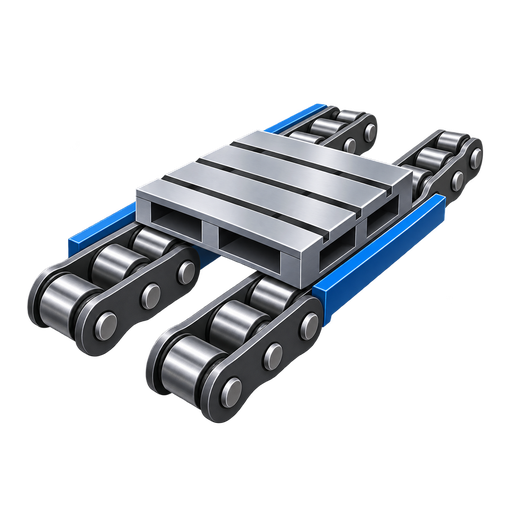
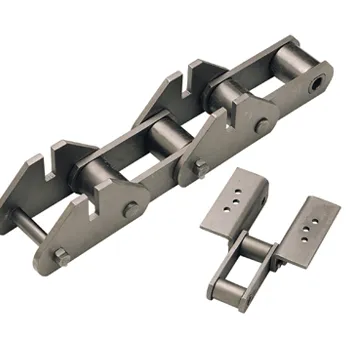
CZPT rollers enhance rotation on the bushing while reducing impact loads on the sprocket tooth during operation.
All components are heat treated to achieve maximum strength. All components are heat treated to achieve maximum strength.
در طول فرآیند تولید از قبل بارگذاری شده تا ازدیاد طول اولیه به حداقل برسد.
روانکاری غوطهوری گرم، روانکاری 100% تمام اجزای زنجیره را تضمین میکند تا عمر سایش را افزایش داده و هزینههای نگهداری را کاهش دهد.
| ISO خیر. |
ANSI خیر. |
زمین | غلتک LINK عرض |
غلتک دیا |
پین | بشقاب | MIN. TENSILE قدرت |
AVG. TENSILE قدرت |
MAX. ALLOWABLE LOAD |
|||
| P | W | D | د | ل | Lc | ح | تی | |||||
| میلیمتر | میلیمتر | میلیمتر | میلیمتر | میلیمتر | میلیمتر | میلیمتر | میلیمتر | کیلوگرم | کیلوگرم | کیلوگرم | ||
| C212AH | C2060H | 38.10 | 12.58 | 11.91 | 5.96 | 30.20 | 34.80 | 18.00 | 3.20 | 3,830 | 4,400 | 640 |
| C212AHL | C2062H | 38.10 | 12.58 | 22.23 | 5.96 | 30.20 | 34.80 | 18.00 | 3.20 | 3,830 | 4,400 | 640 |
| C216AH | C2080H | 50.80 | 15.75 | 15.88 | 7.94 | 37.40 | 42.80 | 24.10 | 4.00 | 6,820 | 8,000 | 1,100 |
| C216AHL | C2082H | 50.80 | 15.75 | 28.58 | 7.94 | 37.40 | 42.80 | 24.10 | 4.00 | 6,820 | 8,000 | 1,100 |
| C220H | C2100H | 63.50 | 18.90 | 19.05 | 9.54 | 44.50 | 50.60 | 30.10 | 4.80 | 10,650 | 12,500 | 1,900 |
| C220AHL | C2102H | 63.50 | 18.90 | 39.67 | 9.54 | 44.50 | 50.60 | 30.10 | 4.80 | 10,650 | 12,500 | 1,900 |
| C224AH | C2120H | 76.20 | 25.23 | 22.23 | 11.11 | 55.00 | 61.60 | 36.20 | 5.60 | 15,320 | 17,500 | 2,550 |
| C224AHL | C2122H | 76.20 | 25.23 | 44.45 | 11.11 | 55.00 | 61.60 | 36.20 | 5.60 | 15,320 | 17,500 | 2,550 |
| C232AH | C2160H | 101.60 | 31.55 | 28.58 | 14.29 | 69.40 | 77.30 | 48.20 | 7.10 | 27,240 | 29,500 | 4,300 |
| C232AHL | C2162H | 101.60 | 31.55 | 57.15 | 14.29 | 69.40 | 77.30 | 48.20 | 7.10 | 27,240 | 29,500 | 4,300 |
| طریقه استفاده: | Transmission Chain, Conveyor Chain, Double Pitch Roller Chain |
|---|---|
| مواد: | آلیاژ/فولاد کربنی |
| درمان سطحی: | پولیش کاری |
| ویژگی: | مقاوم در برابر حرارت |
| اندازه زنجیر: | 1 1/2"*4" |
| ساختار: | زنجیر غلتکی |
| نمونهها: |
US$ 10/متر
1 متر (حداقل سفارش) | |
|---|
| سفارشی سازی: |
موجود است
| درخواست سفارشی |
|---|
Can a conveyor chain be used in overhead conveyor systems?
Yes, a conveyor chain can be used in overhead conveyor systems. Overhead conveyor systems are designed to move materials, products, or components along an elevated path, typically in manufacturing or distribution facilities.
Conveyor chains used in overhead conveyor systems are specially designed to handle the weight and load requirements of the application. They are typically made from durable materials such as steel or stainless steel to ensure strength and longevity.
Here are some key considerations when using a conveyor chain in overhead conveyor systems:
1. Load Capacity:
– Ensure that the conveyor chain has sufficient load capacity to handle the weight of the conveyed items. The load capacity should be determined based on the maximum anticipated load and any potential dynamic forces.
2. Chain Type and Design:
– Select a conveyor chain that is suitable for overhead applications, such as an overhead conveyor chain or an inverted tooth chain. These chains are specifically designed to handle the unique requirements of overhead conveyance.
3. Lubrication:
– Proper lubrication is crucial for the smooth operation of the conveyor chain in an overhead system. Consider using lubricants that are suitable for overhead applications and ensure regular lubrication to minimize friction and wear.
4. Safety Measures:
– Implement appropriate safety measures to prevent accidents and ensure worker safety. This may include installing safety guards, emergency stop systems, and implementing regular maintenance and inspection routines.
It is important to consult with conveyor system manufacturers or experts who specialize in overhead conveyor systems to ensure the conveyor chain is selected and installed correctly for the specific application requirements.
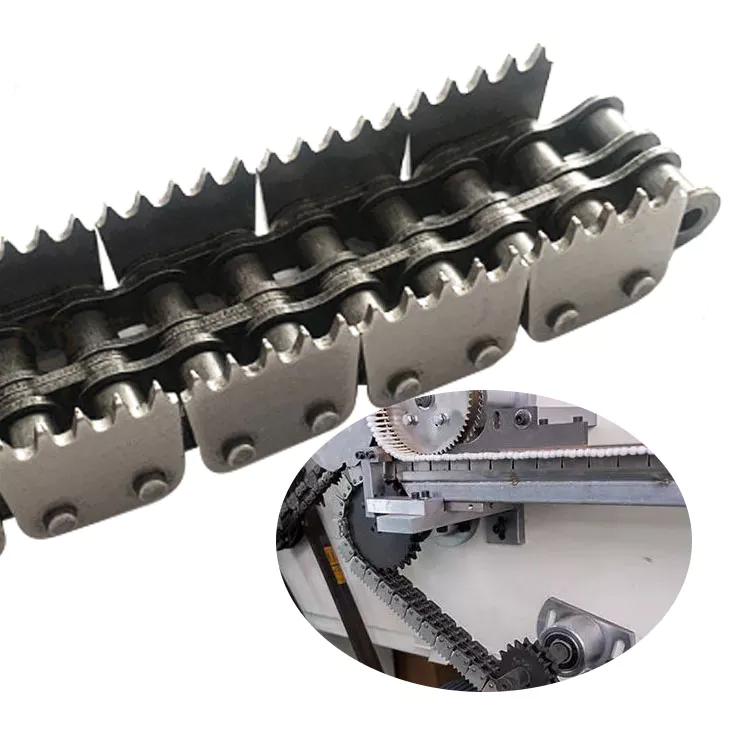
What are the different attachment options available for a conveyor chain?
Conveyor chains can be equipped with various types of attachments or accessories to accommodate specific material handling needs. Here are some common attachment options:
1. Cleats or Flights: Cleats or flights are raised sections attached to the conveyor chain to prevent materials from slipping or sliding off the chain. They are commonly used in incline or decline applications or when handling loose or bulk materials.
2. Side Plates or Side Guards: Side plates or side guards are installed along the edges of the conveyor chain to provide containment and prevent materials from spilling or falling off the sides. They are particularly useful when conveying small or irregularly shaped items.
3. Pusher Bars: Pusher bars are extensions mounted on the conveyor chain that can be pneumatically or mechanically actuated to push materials onto a different conveyor line or divert them to a specific location. They are often used for sorting or diverting applications.
4. Hold-Downs or Brackets: Hold-downs or brackets are devices attached to the conveyor chain to secure and stabilize the transported materials. They ensure that the materials remain in a fixed position during the conveying process, especially when encountering vibrations or changes in speed.
5. Guide Rails: Guide rails are installed alongside the conveyor chain to provide guidance and alignment for the materials being conveyed. They help maintain the desired path and prevent lateral movement or misalignment.
6. Magnetic Attachments: Magnetic attachments are used when handling ferrous materials. They allow the conveyor chain to attract and hold magnetic objects, ensuring effective transport and separation.
7. Tooling Plates: Tooling plates are platforms or mounting surfaces attached to the conveyor chain to accommodate specific equipment, such as fixtures, sensors, or robotic arms. They provide a convenient and customizable interface for integrating additional functionalities into the conveyor system.
8. Diverters or Transfer Units: Diverters or transfer units are specialized attachments that enable the seamless transfer of materials from one conveyor line to another, or between different processing stations. They ensure smooth transitions and precise material flow control.
These attachment options offer flexibility and versatility in conveyor chain applications, allowing customization based on the specific requirements of the material being transported or the production process. By selecting the appropriate attachments, conveyor chains can effectively handle a wide range of materials and optimize material flow within a conveyor system.
چگونه به طور صحیح زنجیر نقاله را کشش دهیم؟
کشش مناسب زنجیر نقاله برای عملکرد روان آن و جلوگیری از مشکلاتی مانند لغزش زنجیر یا سایش بیش از حد بسیار مهم است. در اینجا مراحل کشش مناسب زنجیر نقاله آمده است:
- نقاط تنش را شناسایی کنید: مکانهایی را که میتوان زنجیر نقاله را در آنها کشید، تعیین کنید. این مکانها معمولاً در انتهای زنجیر یا در دستگاههای کشش خاص هستند.
- دستگاههای کشش را شل کنید: اگر وسایل کششی مانند پیچهای قابل تنظیم یا پیچهای کششی وجود دارد، آنها را شل کنید تا امکان تنظیم فراهم شود.
- اعمال تنش: با کشیدن دستی زنجیر یا با استفاده از ابزار کشش، به زنجیر نقاله کشش اعمال کنید. میزان کشش مورد نیاز به نوع زنجیر و توصیههای سازنده بستگی دارد.
- تنش را بررسی کنید: از یک دستگاه کشش سنج یا روش مناسب دیگر برای اندازه گیری کشش زنجیر نقاله استفاده کنید. کشش باید در محدوده مشخص شده توسط سازنده زنجیر باشد.
- تنش را تنظیم کنید: اگر کشش خیلی شل یا خیلی سفت است، تنظیمات مربوطه را انجام دهید. دستگاههای کشش را تا زمانی که کشش مورد نظر حاصل شود، سفت یا شل کنید.
- دستگاههای کشش را محکم کنید: پس از رسیدن به کشش مناسب، ابزارهای کشش را محکم کنید تا زنجیر در جای خود ثابت بماند.
- تنش را تأیید کنید: پس از کشش زنجیر، یک بازرسی بصری انجام دهید و نوار نقاله را روشن کنید تا مطمئن شوید که زنجیر به نرمی و بدون شلی یا سفتی بیش از حد حرکت میکند. در صورت لزوم، تنظیمات بیشتری انجام دهید.
برای دستورالعملهای صحیح کشش، مراجعه به دستورالعملهای خاص ارائه شده توسط سازنده زنجیر نقاله بسیار مهم است، زیرا روش دقیق ممکن است بسته به نوع و طراحی زنجیر متفاوت باشد. به طور منظم کشش زنجیر نقاله را بررسی کنید و در صورت نیاز تنظیمات لازم را برای حفظ عملکرد بهینه انجام دهید.


editor by CX 2023-08-09