产品描述
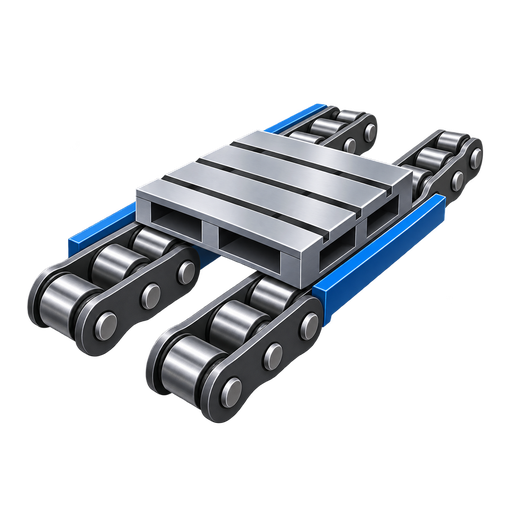
High Quality & Made to Order Stainless Steel Table Top Conveyor Chain (TS635)
产品描述
1. Material: Stainless steel chain / Alloy Carbon Steel
2. Surface Treatment: Zinc-Plated / Nickel-Plated / Dacromet-Plated
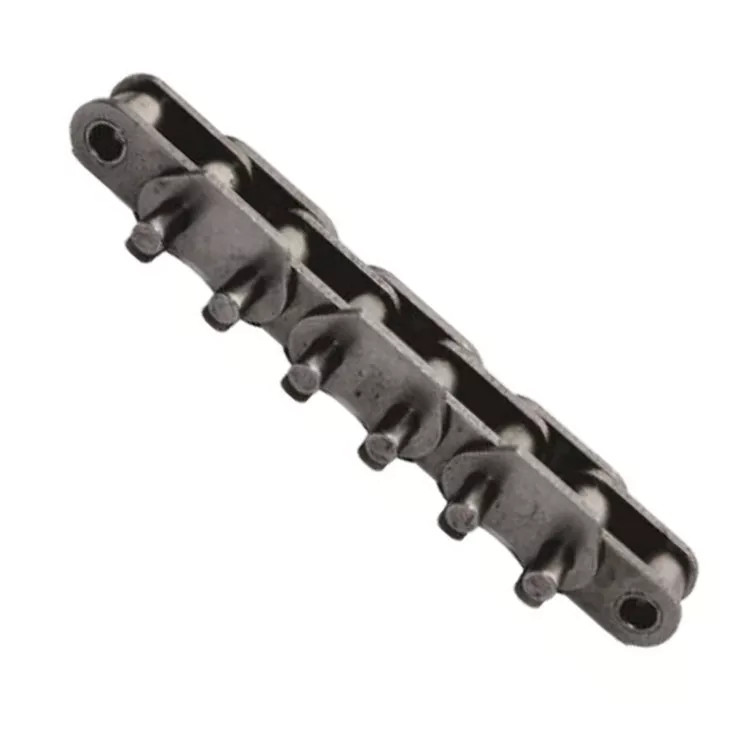
3. Short pitch stainless steel conveyor chain with attachments.
4. Double pitch stainless steel conveyor chain.
5. Double pitch hollow pin chain.
Note: If you have drawing or samples, we can do the special conveyor chains.
| Product name | Table Top Conveyor Chain (TS635) |
| Materials Available | 1. Stainless Steel: SS304, SS316, etc |
| 2. Alloy Steel: 45Mn, 42CrMo, etc | |
| 3. OEM according to your request | |
| 表面处理 | Shot peening, Polishing, Oxygenation, Blackening, Zinc-plated, Nickel-plated, Anodized, etc. |
| Characteristic | Fire Resistant, Oil Resistant, Heat Resistant |
| 应用 | Mainly used in products transmission |
| Design criterion | ISO DIN ANSI & Customer’s Drawing |
| 尺寸 | Customer’s Drawing & ISO standard |
| 包裹 | Wooden Case / Container and pallet, or made-to-order |
| 证书 | ISO9001: 2008 |
| 优势 | First quality, Best service, Competitive price, Fast delivery |
| Delivery Time | 20 days for samples. 45 days for official order. |
View more products,please click here…
Company Profile
| 材料: | Stainless Steel |
|---|---|
| 结构: | 传送链 |
| 表面处理: | 油膜 |
| 链条尺寸: | Ts635 |
| 特征: | 耐热 |
| Sample: | for Free |
| 示例: |
US$ 0/Meter
1米(最小起订量) | |
|---|
| 定制化: |
可用的
| 定制请求 |
|---|
传送链如何影响系统的能源效率?
传送链在传送系统的能源效率中起着至关重要的作用。以下是它影响能源效率的几个方面:
1. 降低能耗:
设计精良、摩擦特性低的输送链可以最大限度地降低能耗。通过降低链条与输送机部件之间的摩擦阻力,可以减少驱动链条和沿输送系统输送物料所需的能量。
2. 高效动力传输:
输送链的设计和构造有助于实现高效的动力传输。优化节距、滚轮直径和链轮齿形的链条可确保平稳有效的动力传输,最大限度地减少运行过程中的能量损失。
3. 正确的链条张紧度:
保持合适的链条张力对提高能源效率至关重要。张力合适的链条可确保链条与链轮之间实现最佳接触,从而最大限度地减少打滑和动力损失。定期检查和调整链条张力有助于最大限度地提高能源效率。
4. 对齐和跟踪:
输送链的正确对准和跟踪对于提高能源效率至关重要。未对准或跟踪不良的链条会导致摩擦力增大,从而增加能源消耗。定期监测和调整链条的对准情况可确保平稳高效运行。
5. 定期维护:
对输送链进行日常维护,包括润滑、清洁和检查,有助于保持其最佳性能和能源效率。充足的润滑可以减少摩擦和磨损,最大限度地减少动力损失,并延长链条的使用寿命。
6. 系统设计优化:
在输送系统的设计阶段考虑能源效率,可以显著影响其整体效率。合理选择输送链部件,例如低摩擦材料和高效驱动系统,有助于最大限度地降低能耗,提高系统的能源效率。
通过采用这些做法和利用节能型输送链技术,企业可以降低能源成本,最大限度地减少对环境的影响,并提高其运营的整体可持续性。
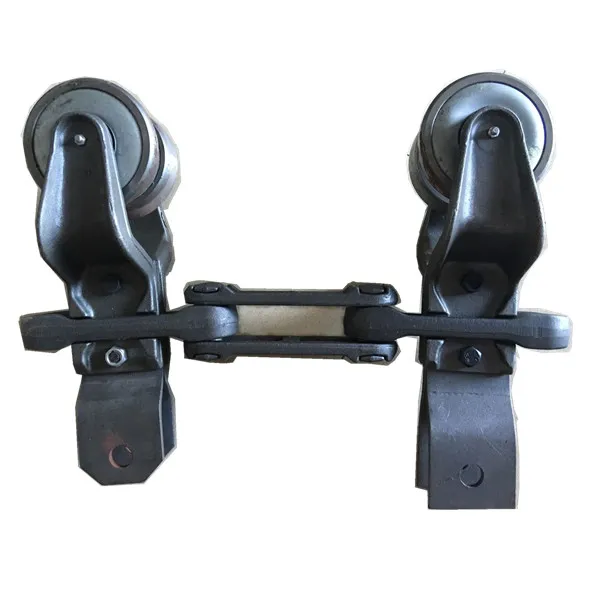
What are the design considerations for a long-span conveyor chain conveyor?
Designing a long-span conveyor chain conveyor requires careful consideration of various factors to ensure its efficiency, safety, and reliability. Here are some key design considerations:
1. Conveyor Chain Selection: Choose a conveyor chain that is suitable for long spans and can withstand the required load capacity. Consider factors such as chain material, pitch, strength, and durability to ensure it can handle the anticipated load and operating conditions.
2. Conveyor Structure: The conveyor structure should be designed to provide sufficient support and stability for the long span. Consider factors such as material strength, rigidity, and deflection to ensure the structure can handle the weight of the conveyor chain, the product being transported, and any additional loads.
3. Drive System: Select an appropriate drive system that can efficiently power the long-span conveyor chain. Consider factors such as motor power, speed, torque, and control mechanisms to ensure smooth and reliable operation.
4. Tensioning and Alignment: Proper tensioning and alignment of the conveyor chain are critical for its performance and longevity. Design the system with adequate provisions for tensioning devices and alignment mechanisms to maintain optimal chain tension and alignment throughout the conveyor’s length.
5. Supports and Bearings: Install adequate supports and bearings along the length of the conveyor to reduce chain sagging, minimize friction, and ensure smooth movement. Consider factors such as bearing type, lubrication, and maintenance requirements.
6. Conveyor Controls and Safety: Implement appropriate controls and safety features to monitor and control the operation of the long-span conveyor chain. This may include emergency stop systems, speed monitoring, overload protection, and safety interlocks.
7. Environmental Factors: Consider the environmental conditions in which the conveyor will operate, such as temperature, humidity, dust, and corrosive substances. Select materials and components that can withstand these conditions and implement proper ventilation, dust collection, and corrosion protection measures.
8. Maintenance and Accessibility: Design the conveyor system with ease of maintenance and accessibility in mind. Provide sufficient access points, walkways, and platforms for inspection, cleaning, and maintenance tasks. Consider factors such as lubrication points, conveyor cleaning systems, and easy replacement of worn components.
9. Future Expansion and Flexibility: Anticipate future needs for expansion or modifications and design the long-span conveyor chain conveyor with flexibility in mind. This may include allowing for additional conveyor sections, transfer points, or integration with other equipment.
By considering these design considerations, a long-span conveyor chain conveyor can be efficiently designed and optimized for its intended application, ensuring reliable and cost-effective material handling operations.
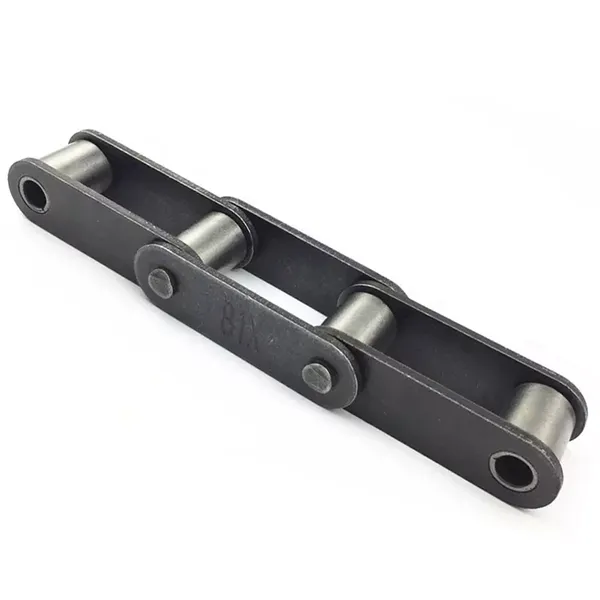
What are the common causes of conveyor chain failures?
Conveyor chain failures can occur due to various reasons, and identifying the root cause is crucial for preventing future issues. Here are some common causes of conveyor chain failures:
- Lack of Lubrication: Insufficient or improper lubrication can lead to increased friction and wear on the chain components, resulting in premature failure.
- Excessive Load: Overloading the conveyor chain beyond its rated capacity can cause excessive stress and strain, leading to chain elongation, deformation, or link breakage.
- Misalignment: Improper alignment of the conveyor chain can cause uneven loading and excessive wear on specific areas, leading to chain failure.
- Environmental Factors: Harsh operating environments, such as high temperatures, corrosive substances, or abrasive materials, can accelerate chain wear and corrosion, leading to failure.
- Foreign Objects: The presence of foreign objects or debris on the conveyor system can interfere with the movement of the chain, causing jamming, binding, or chain damage.
- Poor Maintenance: Inadequate maintenance practices, such as irregular inspections, failure to address minor issues promptly, or neglecting to replace worn components, can contribute to chain failures.
- Incorrect Installation: Improper installation, including incorrect tensioning, misalignment, or using incompatible components, can result in premature chain failure.
- Fatigue and Wear: Continuous operation over time can lead to fatigue and wear in the chain, especially in high-speed or heavy-duty applications, resulting in eventual failure.
Regular maintenance, proper lubrication, adequate training for operators, and adherence to manufacturer guidelines can help mitigate these common causes of conveyor chain failures. Conducting routine inspections, promptly addressing issues, and replacing worn components can also significantly extend the life of the conveyor chain.


editor by CX 2023-09-07