产品描述
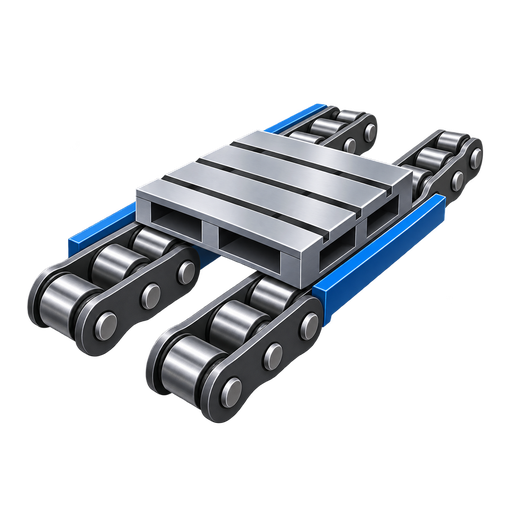
Double Pitch Transmission Chains with K1 Attachments -2040k1
A. Our Services:
1. Any of your kind inquiry about chain would be replied within 24 hours.
2. Well-trained and experienced sales staffs will reply all your concerns in fluent English.
3. OEM services are available with us, our professional designer would make your private idea into being.
4. Protection of your sales area, ideas of design and all your private information.
5. Delivery by air mail or ship for your orders.
6. With years of manufacture and promotion experience in global market, brings you profit and great success!
B.Technical parameters
C. Company show & Product Process
D. Packaging
| Packaging Details: | Chain+Plastic Bag+Neutral Box+Wooden case+Big Carton+Steel Pallets |
| Delivery Detail: | five weeks |
E. FAQ:
1. 您是生产厂家还是贸易公司?
We are a factory founded in 1991 with trade team for international service.
2. 您通常采用哪些付款方式?
电汇(T/T)30% 定金支付,70% 凭单据支付,西联汇款,即期信用证
3. what is your lead time for your goods?
Normally 45 days after confirmed order. 30 days could be available in low season for some items (during May to July), and 65 days during new year and hot season ( Jan to March).
4. Do you attend any Show?
We attend Hannover show in Germany, NMW in Austrilia, Canton fair, PTC, in China and many other special furniture shows.
| 用法: | 传动链 |
|---|---|
| 材料: | 合金/碳钢 |
| 表面处理: | Oil Blooming |
| 特征: | 耐热 |
| 链条尺寸: | 1/2"*3/32" |
| 结构: | 滚子链 |
| 定制化: |
可用的
| 定制请求 |
|---|

Can a conveyor chain be used in pharmaceutical manufacturing?
Yes, conveyor chains can be used in pharmaceutical manufacturing for various applications. Conveyor systems play a crucial role in the efficient and safe transportation of pharmaceutical products throughout the manufacturing process. Here are some key considerations when using conveyor chains in pharmaceutical manufacturing:
1. Material Selection:
– Choose conveyor chains made from materials that are suitable for pharmaceutical applications, such as stainless steel or FDA-approved plastic. These materials offer corrosion resistance, cleanliness, and compliance with industry regulations.
2. Cleanliness and Sanitation:
– Ensure that the conveyor chain design allows for easy cleaning and sanitation. Smooth surfaces, minimal crevices, and access for cleaning equipment are important to maintain a hygienic environment.
3. Contamination Control:
– Implement measures to prevent contamination of pharmaceutical products. This includes using chain lubricants that are safe for pharmaceutical applications and implementing proper handling and storage procedures.
4. Product Protection:
– Choose conveyor chain systems that minimize product damage or degradation. This can include utilizing gentle product handling features such as low-friction surfaces, adjustable speed controls, and proper product spacing.
5. Regulatory Compliance:
– Ensure that the conveyor chain system complies with pharmaceutical industry regulations and guidelines, such as Good Manufacturing Practices (GMP) and the requirements of regulatory bodies like the FDA.
6. Integration with Equipment:
– Consider the integration of conveyor chains with other equipment in the pharmaceutical manufacturing process, such as labeling machines, filling machines, and packaging equipment. The conveyor system should provide seamless operation and synchronization with these machines.
By carefully selecting and designing conveyor chains specifically for pharmaceutical manufacturing, it is possible to meet the stringent requirements of the industry in terms of cleanliness, product integrity, and regulatory compliance.
What are the different attachment options available for a conveyor chain?
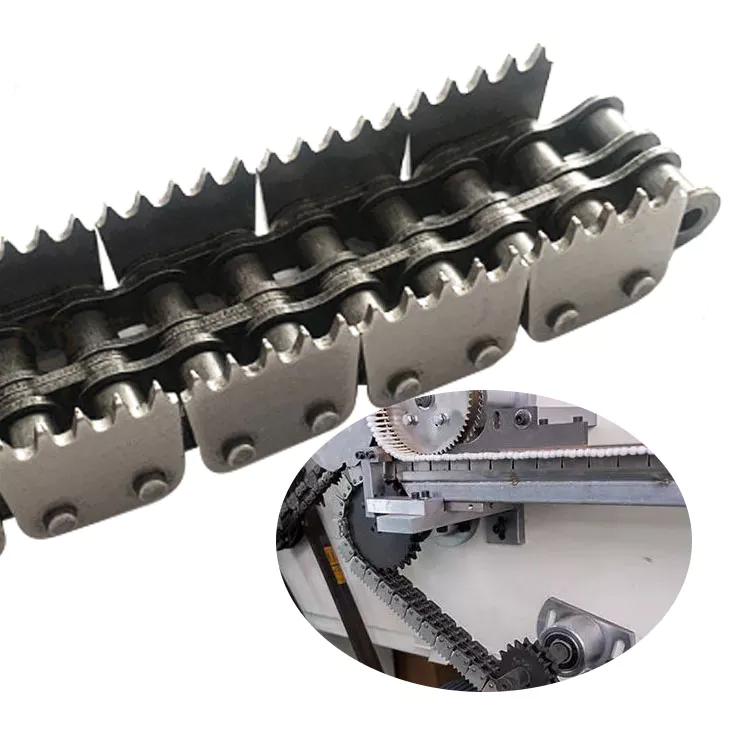
Conveyor chains can be equipped with various types of attachments or accessories to accommodate specific material handling needs. Here are some common attachment options:
1. Cleats or Flights: Cleats or flights are raised sections attached to the conveyor chain to prevent materials from slipping or sliding off the chain. They are commonly used in incline or decline applications or when handling loose or bulk materials.
2. Side Plates or Side Guards: Side plates or side guards are installed along the edges of the conveyor chain to provide containment and prevent materials from spilling or falling off the sides. They are particularly useful when conveying small or irregularly shaped items.
3. Pusher Bars: Pusher bars are extensions mounted on the conveyor chain that can be pneumatically or mechanically actuated to push materials onto a different conveyor line or divert them to a specific location. They are often used for sorting or diverting applications.
4. Hold-Downs or Brackets: Hold-downs or brackets are devices attached to the conveyor chain to secure and stabilize the transported materials. They ensure that the materials remain in a fixed position during the conveying process, especially when encountering vibrations or changes in speed.
5. Guide Rails: Guide rails are installed alongside the conveyor chain to provide guidance and alignment for the materials being conveyed. They help maintain the desired path and prevent lateral movement or misalignment.
6. Magnetic Attachments: Magnetic attachments are used when handling ferrous materials. They allow the conveyor chain to attract and hold magnetic objects, ensuring effective transport and separation.
7. Tooling Plates: Tooling plates are platforms or mounting surfaces attached to the conveyor chain to accommodate specific equipment, such as fixtures, sensors, or robotic arms. They provide a convenient and customizable interface for integrating additional functionalities into the conveyor system.
8. Diverters or Transfer Units: Diverters or transfer units are specialized attachments that enable the seamless transfer of materials from one conveyor line to another, or between different processing stations. They ensure smooth transitions and precise material flow control.
These attachment options offer flexibility and versatility in conveyor chain applications, allowing customization based on the specific requirements of the material being transported or the production process. By selecting the appropriate attachments, conveyor chains can effectively handle a wide range of materials and optimize material flow within a conveyor system.
如何正确地张紧传送链?
正确张紧输送链对于其平稳运行至关重要,并能防止链条打滑或过度磨损等问题。以下是正确张紧输送链的步骤:
- 找出受力点: 确定输送链的张紧位置。这些位置通常位于链条的两端或特定的张紧装置处。
- 松开张紧装置: 如果装有张紧装置,例如可调节螺栓或张紧螺钉,请将其松开以便进行调整。
- 施加张力: 可通过手动拉动或使用张紧工具对输送链施加张力。所需的张力大小取决于链条类型和制造商的建议。
- 检查张力: 使用张力计或其他合适的方法测量输送链的张力。张力应在链条制造商提供的规定范围内。
- 调整张力: 如果张力过松或过紧,请进行相应调整。拧紧或放松张紧装置,直至达到所需的张力。
- 固定张紧装置: 达到合适的张力后,牢牢拧紧张紧装置,将链条固定到位。
- 检查张力: 张紧链条后,进行目视检查并运行输送机,确保链条运行顺畅,无过松或过紧。如有必要,进行进一步调整。
务必参考输送链制造商提供的具体指南,以获取正确的张紧说明,因为具体方法可能因链条类型和设计而异。定期检查输送链的张紧度,并根据需要进行调整,以保持最佳性能。


editor by CX 2023-08-29