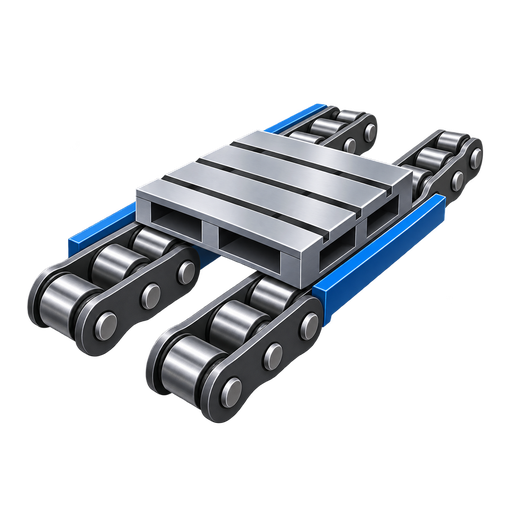
คำอธิบายผลิตภัณฑ์
| MODEL | พี | ที | t | ชม. | ชม | b | ง |
| S16 | 100 | 30 | 15 | 27 | 8 | 16 | 14 |
| P102-W385 | 102 | 30 | 13 | 27 | 9 | 14 | 14 |
| RUS270 | 123 | 50 | 24 | 46 | 16 | 25 | 20 20.5 |
| Z20 | 125 | 50 | 24 | 48 | 15 | 26 | 20 |
| P140 | 140 | 78 | 31 | 50 | 19 | 32 | 25 |
| Z30 | 142 | 64 | 28.5 | 50 | 18 | 30.5 | 25 |
| 150 | 150 | 38 | 18 | 40 | 10 | 20 | 18 |
| P155 | 155 | 79 | 39.5 | 63.5 | 36 | 40.5 | 30 |
| Z25 | 160 | 58 | 28 | 55 | 18 | 30 | 25 |
| YD310 | 200 | 43 | 20 | 47 | 12 | 22 | 20 |
| A-3634 | 216 | 64 | 26 | 72 | 20 | 28.5 | 35 |
| X63 | 250 | 60 | 28 | 70 | 20 | 30 | 25 |
| P260 | 260 | 72 | 32 | 75 | 20 | 34 | 32 |
ZheJiang CZPT Precision Casting and Forging Inc. was established in 2003, covering an area of 40,000 square meter with 300 employees. In 2571, the company passed the quality management system certification of GB/T 19001-2016 and ISO 9001:2015, and has a number of invention patents.It is a national high-tech enterprise.
Our main products are bucket teeth,side teeth,bucket adapter for excavator and loader; Forged pipe coupling for concrete pump ; Drop forged chain for scraper conveyor, etc. Other casting and forging parts canalsobecustomized accordingto customer drawings. The main materials are alloy steel, high manganese steel, gray iron, ductile iron, etc.
Our company can produce casting range in 0.1kg-2tons, forging range in 0.1kg-100kgs, casting and forging annual capacity of 10,000tons.From productdesign, mold development to heattreatment, machining and spraying, we provide the whole processof internal manufacturing to better control the cost and quality.
ZheJiang Plus Import and Export Trading Co., Ltd. was established in 2571, is Wanxin’s subsidiary, mainly responsible for marketing and export.
คำถามที่พบบ่อย
Q1.Are you a manufacturer or a trading company?
we are totally manufacturer of machinery parts.
Q2.Can i get samples for checking the quality?
we can provide free samples,but you need to pay the freight.
Q3.What’s your MOQ?
For normal prodcuts,we don’t have MOQ.
For customerized products,we will tell you MOQ based on your drawing.
Q4.What’s your delivery time?
it’s about 7-45 days based on your quantity.
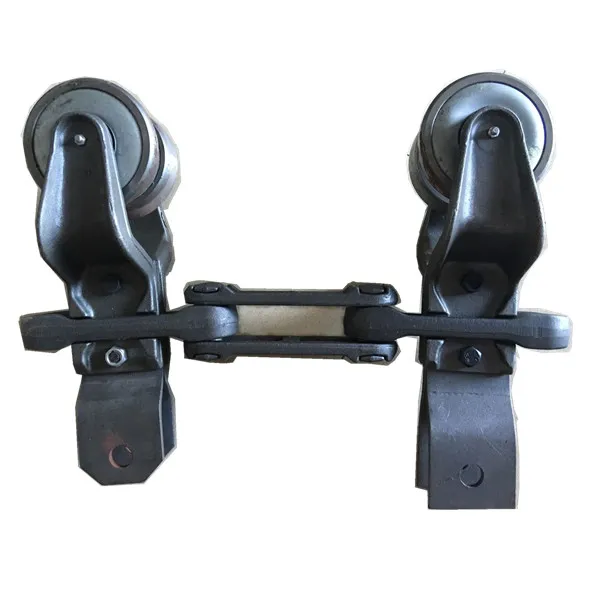
| วัสดุ: | โลหะผสม |
|---|---|
| โครงสร้าง: | โซ่ลูกกลิ้ง |
| การเตรียมพื้นผิว: | Electroplating |
| ขนาดสร้อย: | 1/2"*11/128" |
| คุณสมบัติ: | ทนไฟ ทนน้ำมัน ทนความร้อน |
| การรับประกัน: | 12 Months Warranty |
| ตัวอย่าง: |
US$ 100/Piece
1 ชิ้น (สั่งขั้นต่ำ) | |
|---|
| การปรับแต่ง: |
มีอยู่
| คำขอที่กำหนดเอง |
|---|

How do you ensure proper tensioning and alignment of a conveyor chain?
Proper tensioning and alignment are essential for the efficient and reliable operation of a conveyor chain. Here are the steps to ensure correct tensioning and alignment:
1. Initial Installation:
– Ensure that the conveyor frame and supports are properly aligned and leveled before installing the chain. Any misalignment or unevenness can lead to tensioning and alignment issues.
– Follow the manufacturer’s guidelines and specifications for chain installation. This includes proper placement of sprockets, tensioners, and guides.
2. Tensioning:
– Adjust the tension of the chain to the manufacturer’s recommended specifications. Proper tension prevents excessive sagging or tightness, reducing wear and extending the chain’s life.
– Use tensioning devices, such as adjustable take-up units or tensioning screws, to achieve the desired tension. Refer to the manufacturer’s guidelines for the appropriate method of tensioning for your specific conveyor chain.
– Regularly check and adjust the tension as needed. Factors such as chain wear, load variations, and temperature changes can affect the chain’s tension over time.
3. Alignment:
– Check the alignment of the chain with respect to the sprockets and guides. Misalignment can cause uneven wear, increased friction, and premature failure of the chain.
– Inspect the alignment by visually examining the chain’s path along the sprockets and guides. It should run smoothly without any signs of rubbing or excessive deviation.
– Use alignment tools, such as laser alignment devices or straightedges, to accurately assess and correct any misalignment. Adjust the position of sprockets, guides, and supports as necessary.
4. Regular Maintenance:
– Implement a scheduled maintenance program to regularly inspect and maintain proper tensioning and alignment of the conveyor chain.
– Monitor the chain’s performance, including wear patterns, noise levels, and power consumption, as indicators of potential tensioning or alignment issues.
– Keep the chain clean and free from debris or contaminants that can affect its movement and alignment.
By following these steps and regularly monitoring the tensioning and alignment of the conveyor chain, you can ensure smooth and reliable operation, minimize chain wear, and reduce the risk of unexpected failures.
What are the design considerations for a long-span conveyor chain conveyor?
Designing a long-span conveyor chain conveyor requires careful consideration of various factors to ensure its efficiency, safety, and reliability. Here are some key design considerations:
1. Conveyor Chain Selection: Choose a conveyor chain that is suitable for long spans and can withstand the required load capacity. Consider factors such as chain material, pitch, strength, and durability to ensure it can handle the anticipated load and operating conditions.
2. Conveyor Structure: The conveyor structure should be designed to provide sufficient support and stability for the long span. Consider factors such as material strength, rigidity, and deflection to ensure the structure can handle the weight of the conveyor chain, the product being transported, and any additional loads.
3. Drive System: Select an appropriate drive system that can efficiently power the long-span conveyor chain. Consider factors such as motor power, speed, torque, and control mechanisms to ensure smooth and reliable operation.
4. Tensioning and Alignment: Proper tensioning and alignment of the conveyor chain are critical for its performance and longevity. Design the system with adequate provisions for tensioning devices and alignment mechanisms to maintain optimal chain tension and alignment throughout the conveyor’s length.
5. Supports and Bearings: Install adequate supports and bearings along the length of the conveyor to reduce chain sagging, minimize friction, and ensure smooth movement. Consider factors such as bearing type, lubrication, and maintenance requirements.
6. Conveyor Controls and Safety: Implement appropriate controls and safety features to monitor and control the operation of the long-span conveyor chain. This may include emergency stop systems, speed monitoring, overload protection, and safety interlocks.
7. Environmental Factors: Consider the environmental conditions in which the conveyor will operate, such as temperature, humidity, dust, and corrosive substances. Select materials and components that can withstand these conditions and implement proper ventilation, dust collection, and corrosion protection measures.
8. Maintenance and Accessibility: Design the conveyor system with ease of maintenance and accessibility in mind. Provide sufficient access points, walkways, and platforms for inspection, cleaning, and maintenance tasks. Consider factors such as lubrication points, conveyor cleaning systems, and easy replacement of worn components.
9. Future Expansion and Flexibility: Anticipate future needs for expansion or modifications and design the long-span conveyor chain conveyor with flexibility in mind. This may include allowing for additional conveyor sections, transfer points, or integration with other equipment.
By considering these design considerations, a long-span conveyor chain conveyor can be efficiently designed and optimized for its intended application, ensuring reliable and cost-effective material handling operations.
คุณจะเพิ่มประสิทธิภาพของระบบสายพานลำเลียงได้อย่างไร?
เพื่อให้ระบบสายพานลำเลียงมีประสิทธิภาพสูงสุด ควรพิจารณาและนำปัจจัยหลายประการมาใช้:
1. การออกแบบระบบ: ตรวจสอบให้แน่ใจว่าระบบลำเลียงได้รับการออกแบบอย่างเหมาะสมเพื่อลดการสูญเสียพลังงาน ลดแรงเสียดทาน และเพิ่มประสิทธิภาพการไหลของวัสดุ พิจารณาปัจจัยต่างๆ เช่น ความยาวของสายพานลำเลียง มุมเอียงขึ้น/ลง และจำนวนและการจัดวางของชุดขับเคลื่อน เพื่อให้การทำงานมีประสิทธิภาพ
2. การเลือกโซ่: เลือกโซ่ลำเลียงที่เหมาะสมตามข้อกำหนดการใช้งานเฉพาะ เช่น ความสามารถในการรับน้ำหนัก ความเร็ว และสภาพแวดล้อม พิจารณาปัจจัยต่างๆ เช่น วัสดุของโซ่ ระยะห่างของฟันโซ่ และความแข็งแรง เพื่อให้มั่นใจถึงประสิทธิภาพสูงสุดและอายุการใช้งานที่ยาวนาน
3. การหล่อลื่น: การหล่อลื่นโซ่ลำเลียงอย่างเหมาะสมเป็นสิ่งสำคัญในการลดแรงเสียดทาน การสึกหรอ และการสิ้นเปลืองพลังงาน เลือกสารหล่อลื่นที่เหมาะสมกับการใช้งานและบำรุงรักษาระดับการหล่อลื่นอย่างสม่ำเสมอเพื่อให้มั่นใจว่าโซ่ทำงานได้อย่างราบรื่น
4. การปรับความตึงและการจัดแนว: ตรวจสอบและปรับความตึงและการจัดแนวของโซ่สายพานลำเลียงอย่างสม่ำเสมอ เพื่อป้องกันการหย่อนหรือตึงเกินไป การปรับความตึงและการจัดแนวที่เหมาะสมจะช่วยลดการสึกหรอของโซ่ ลดการสูญเสียพลังงาน และรับประกันประสิทธิภาพที่สม่ำเสมอ
5. การบำรุงรักษาเชิงป้องกัน: จัดทำโปรแกรมการบำรุงรักษาอย่างสม่ำเสมอเพื่อระบุและแก้ไขปัญหาที่อาจเกิดขึ้นก่อนที่จะลุกลามใหญ่โต ซึ่งรวมถึงการทำความสะอาดโซ่ ตรวจสอบเฟืองและตัวนำ เปลี่ยนชิ้นส่วนที่สึกหรอ และตรวจสอบความตึงและการจัดแนวที่เหมาะสม ระบบที่ได้รับการบำรุงรักษาอย่างดีจะช่วยลดเวลาหยุดทำงานและยืดอายุการใช้งานของโซ่
6. การตรวจสอบระบบ: ใช้เครื่องมือตรวจสอบ เช่น เซ็นเซอร์ กล้อง หรือระบบอัตโนมัติ เพื่อติดตามประสิทธิภาพของระบบสายพานลำเลียง การตรวจสอบจะให้ข้อมูลที่มีค่าเกี่ยวกับแรงตึงของโซ่ การจัดแนว ความเร็ว และการใช้พลังงาน ซึ่งช่วยให้สามารถปรับเปลี่ยนและเพิ่มประสิทธิภาพได้ทันท่วงที
7. การฝึกอบรมและการสร้างความตระหนักรู้แก่ผู้ปฏิบัติงาน: ฝึกอบรมผู้ปฏิบัติงานเกี่ยวกับแนวทางปฏิบัติที่ดีที่สุดในการใช้งานและบำรุงรักษาระบบสายพานลำเลียง ส่งเสริมความตระหนักรู้เกี่ยวกับการประหยัดพลังงาน การจัดการที่ถูกต้อง และระเบียบด้านความปลอดภัย เพื่อให้มั่นใจถึงประสิทธิภาพการทำงานของระบบอย่างสูงสุด
ด้วยการพิจารณาปัจจัยเหล่านี้และนำมาตรการที่เหมาะสมมาใช้ ประสิทธิภาพของระบบสายพานลำเลียงจึงสามารถปรับให้เหมาะสมที่สุด ส่งผลให้ผลผลิตดีขึ้น การใช้พลังงานลดลง และอายุการใช้งานของโซ่ยาวนานขึ้น


editor by CX 2023-08-08