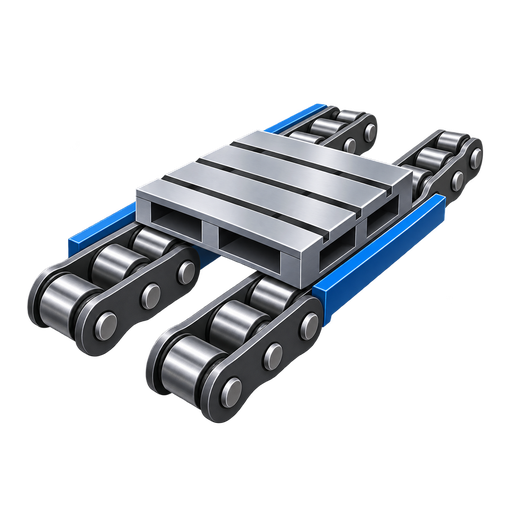
Produktbeskrivelse
| MODEL | P | T | t | h | H | b | d |
| S16 | 100 | 30 | 15 | 27 | 8 | 16 | 14 |
| P102-W385 | 102 | 30 | 13 | 27 | 9 | 14 | 14 |
| RUS270 | 123 | 50 | 24 | 46 | 16 | 25 | 20 20.5 |
| Z20 | 125 | 50 | 24 | 48 | 15 | 26 | 20 |
| P140 | 140 | 78 | 31 | 50 | 19 | 32 | 25 |
| Z30 | 142 | 64 | 28.5 | 50 | 18 | 30.5 | 25 |
| 150 | 150 | 38 | 18 | 40 | 10 | 20 | 18 |
| P155 | 155 | 79 | 39.5 | 63.5 | 36 | 40.5 | 30 |
| Z25 | 160 | 58 | 28 | 55 | 18 | 30 | 25 |
| YD310 | 200 | 43 | 20 | 47 | 12 | 22 | 20 |
| A-3634 | 216 | 64 | 26 | 72 | 20 | 28.5 | 35 |
| X63 | 250 | 60 | 28 | 70 | 20 | 30 | 25 |
| P260 | 260 | 72 | 32 | 75 | 20 | 34 | 32 |
ZheJiang CZPT Precision Casting and Forging Inc. was established in 2003, covering an area of 40,000 square meter with 300 employees. In 2571, the company passed the quality management system certification of GB/T 19001-2016 and ISO 9001:2015, and has a number of invention patents.It is a national high-tech enterprise.
Our main products are bucket teeth,side teeth,bucket adapter for excavator and loader; Forged pipe coupling for concrete pump ; Drop forged chain for scraper conveyor, etc. Other casting and forging parts canalsobecustomized accordingto customer drawings. The main materials are alloy steel, high manganese steel, gray iron, ductile iron, etc.
Our company can produce casting range in 0.1kg-2tons, forging range in 0.1kg-100kgs, casting and forging annual capacity of 10,000tons.From productdesign, mold development to heattreatment, machining and spraying, we provide the whole processof internal manufacturing to better control the cost and quality.
ZheJiang Plus Import and Export Trading Co., Ltd. was established in 2571, is Wanxin’s subsidiary, mainly responsible for marketing and export.
Vanlige spørsmål
Q1.Are you a manufacturer or a trading company?
we are totally manufacturer of machinery parts.
Q2.Can i get samples for checking the quality?
we can provide free samples,but you need to pay the freight.
Q3.What’s your MOQ?
For normal prodcuts,we don’t have MOQ.
For customerized products,we will tell you MOQ based on your drawing.
Q4.What’s your delivery time?
it’s about 7-45 days based on your quantity.
| Materiale: | Legering |
|---|---|
| Struktur: | Rullekjede |
| Overflatebehandling: | Electroplating |
| Kjedestørrelse: | 1/2" * 11/128" |
| Trekk: | Brannbestandig, oljebestandig, varmebestandig |
| Warranty: | 12 Months Warranty |
| Prøver: |
US$ 100/Piece
1 stk (min. bestilling) | |
|---|
| Tilpasning: |
Tilgjengelig
| Tilpasset forespørsel |
|---|

How do you ensure proper tensioning and alignment of a conveyor chain?
Proper tensioning and alignment are essential for the efficient and reliable operation of a conveyor chain. Here are the steps to ensure correct tensioning and alignment:
1. Initial Installation:
– Ensure that the conveyor frame and supports are properly aligned and leveled before installing the chain. Any misalignment or unevenness can lead to tensioning and alignment issues.
– Follow the manufacturer’s guidelines and specifications for chain installation. This includes proper placement of sprockets, tensioners, and guides.
2. Tensioning:
– Adjust the tension of the chain to the manufacturer’s recommended specifications. Proper tension prevents excessive sagging or tightness, reducing wear and extending the chain’s life.
– Use tensioning devices, such as adjustable take-up units or tensioning screws, to achieve the desired tension. Refer to the manufacturer’s guidelines for the appropriate method of tensioning for your specific conveyor chain.
– Regularly check and adjust the tension as needed. Factors such as chain wear, load variations, and temperature changes can affect the chain’s tension over time.
3. Alignment:
– Check the alignment of the chain with respect to the sprockets and guides. Misalignment can cause uneven wear, increased friction, and premature failure of the chain.
– Inspect the alignment by visually examining the chain’s path along the sprockets and guides. It should run smoothly without any signs of rubbing or excessive deviation.
– Use alignment tools, such as laser alignment devices or straightedges, to accurately assess and correct any misalignment. Adjust the position of sprockets, guides, and supports as necessary.
4. Regular Maintenance:
– Implement a scheduled maintenance program to regularly inspect and maintain proper tensioning and alignment of the conveyor chain.
– Monitor the chain’s performance, including wear patterns, noise levels, and power consumption, as indicators of potential tensioning or alignment issues.
– Keep the chain clean and free from debris or contaminants that can affect its movement and alignment.
By following these steps and regularly monitoring the tensioning and alignment of the conveyor chain, you can ensure smooth and reliable operation, minimize chain wear, and reduce the risk of unexpected failures.
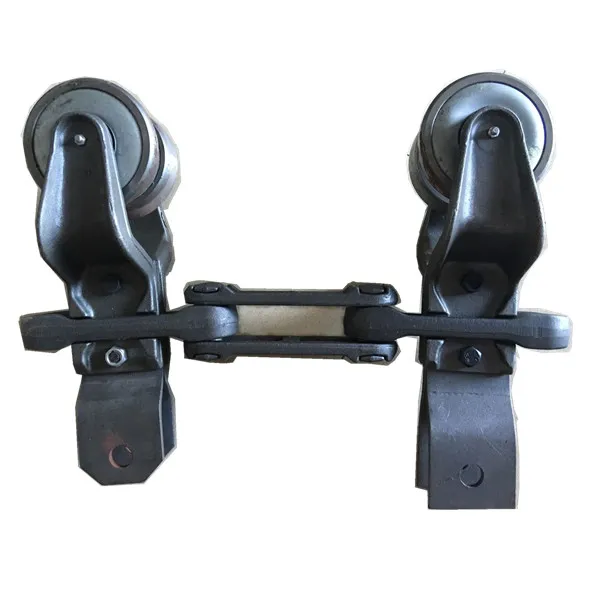
What are the design considerations for a long-span conveyor chain conveyor?
Designing a long-span conveyor chain conveyor requires careful consideration of various factors to ensure its efficiency, safety, and reliability. Here are some key design considerations:
1. Conveyor Chain Selection: Choose a conveyor chain that is suitable for long spans and can withstand the required load capacity. Consider factors such as chain material, pitch, strength, and durability to ensure it can handle the anticipated load and operating conditions.
2. Conveyor Structure: The conveyor structure should be designed to provide sufficient support and stability for the long span. Consider factors such as material strength, rigidity, and deflection to ensure the structure can handle the weight of the conveyor chain, the product being transported, and any additional loads.
3. Drive System: Select an appropriate drive system that can efficiently power the long-span conveyor chain. Consider factors such as motor power, speed, torque, and control mechanisms to ensure smooth and reliable operation.
4. Tensioning and Alignment: Proper tensioning and alignment of the conveyor chain are critical for its performance and longevity. Design the system with adequate provisions for tensioning devices and alignment mechanisms to maintain optimal chain tension and alignment throughout the conveyor’s length.
5. Supports and Bearings: Install adequate supports and bearings along the length of the conveyor to reduce chain sagging, minimize friction, and ensure smooth movement. Consider factors such as bearing type, lubrication, and maintenance requirements.
6. Conveyor Controls and Safety: Implement appropriate controls and safety features to monitor and control the operation of the long-span conveyor chain. This may include emergency stop systems, speed monitoring, overload protection, and safety interlocks.
7. Environmental Factors: Consider the environmental conditions in which the conveyor will operate, such as temperature, humidity, dust, and corrosive substances. Select materials and components that can withstand these conditions and implement proper ventilation, dust collection, and corrosion protection measures.
8. Maintenance and Accessibility: Design the conveyor system with ease of maintenance and accessibility in mind. Provide sufficient access points, walkways, and platforms for inspection, cleaning, and maintenance tasks. Consider factors such as lubrication points, conveyor cleaning systems, and easy replacement of worn components.
9. Future Expansion and Flexibility: Anticipate future needs for expansion or modifications and design the long-span conveyor chain conveyor with flexibility in mind. This may include allowing for additional conveyor sections, transfer points, or integration with other equipment.
By considering these design considerations, a long-span conveyor chain conveyor can be efficiently designed and optimized for its intended application, ensuring reliable and cost-effective material handling operations.
Hvordan optimaliserer du effektiviteten til et transportkjedesystem?
For å optimalisere effektiviteten til et transportkjedesystem, bør flere faktorer vurderes og implementeres:
1. Systemdesign: Sørg for at transportbåndsystemet er riktig utformet for å minimere energitap, redusere friksjon og optimalisere materialflyten. Vurder faktorer som transportbåndets lengde, stignings-/fallvinkler og antall og plassering av drivenheter for å oppnå effektiv drift.
2. Valg av kjede: Velg riktig transportkjede basert på de spesifikke kravene til bruken, som lastekapasitet, hastighet og miljøforhold. Vurder faktorer som kjedemateriale, stigning og styrke for å sikre optimal ytelse og levetid.
3. Smøring: Riktig smøring av transportkjeden er viktig for å redusere friksjon, slitasje og strømforbruk. Velg riktig smøremiddel for bruksområdet og vedlikehold smørenivåene regelmessig for å sikre jevn kjededrift.
4. Stramming og justering: Kontroller og juster strammingen og justeringen av transportkjeden regelmessig for å forhindre for mye slakk eller stramhet. Riktig stramming og justering bidrar til å minimere kjedeslitasje, redusere energitap og sikre jevn ytelse.
5. Forebyggende vedlikehold: Implementer et regelmessig vedlikeholdsprogram for å identifisere og håndtere potensielle problemer før de eskalerer. Dette inkluderer rengjøring av kjedet, inspeksjon av tannhjul og føringer, utskifting av slitte komponenter og kontroll av riktig spenning og justering. Et godt vedlikeholdt system reduserer nedetid og forlenger kjedets levetid.
6. Systemovervåking: Bruk overvåkingsverktøy som sensorer, kameraer eller automatiserte systemer for å spore ytelsen til transportkjedesystemet. Overvåking kan gi verdifulle data om kjedestramming, justering, hastighet og strømforbruk, noe som muliggjør rettidig justering og optimalisering.
7. Opplæring og operatørbevissthet: Opplær operatører i beste praksis for drift og vedlikehold av transportkjedesystemet. Fremme bevissthet om energieffektivitet, riktig håndtering og sikkerhetsprotokoller for å sikre optimal systemytelse.
Ved å vurdere disse faktorene og implementere passende tiltak, kan effektiviteten til et transportkjedesystem optimaliseres, noe som fører til forbedret produktivitet, redusert energiforbruk og lengre kjedelevetid.


editor by CX 2023-08-08