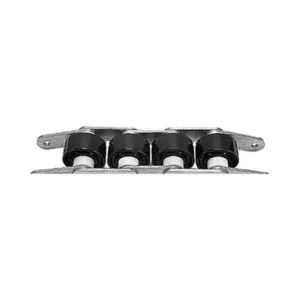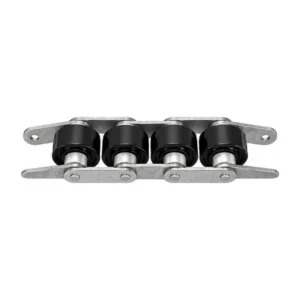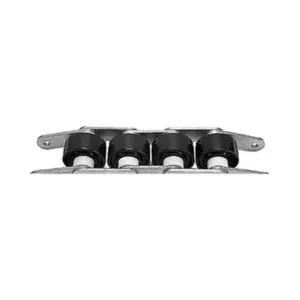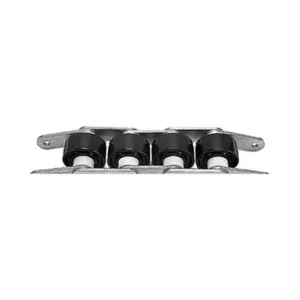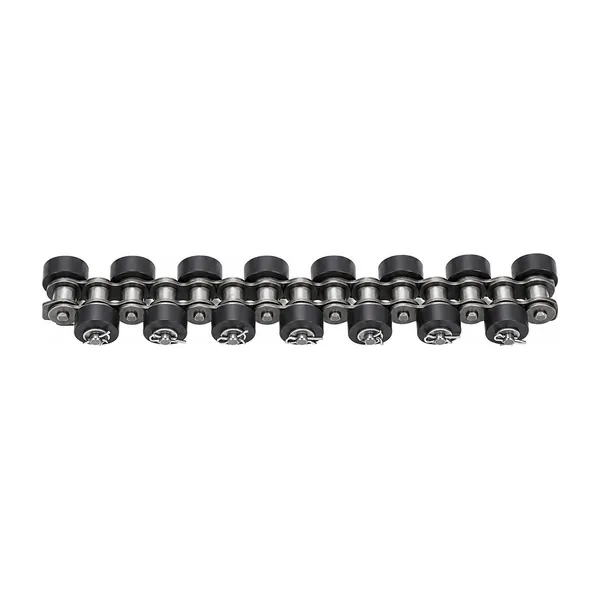
Double Pitch Side Roller Chains
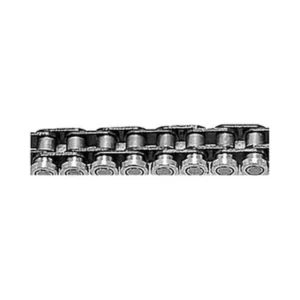
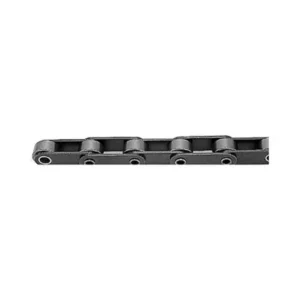
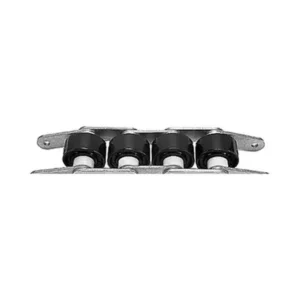
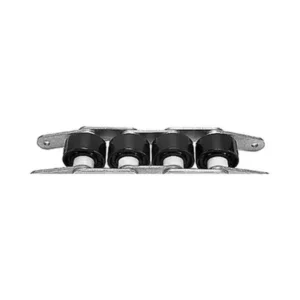
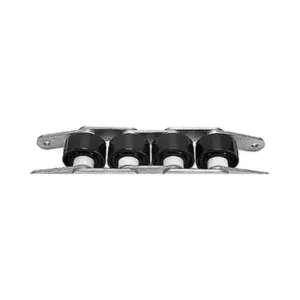
C216AL-PSR Double Pitch Polyacetal Side Roller Chain with 50.8 mm pitch for pallet and workpiece-carrier conveyor layouts. Confirm…
Browse pallet and workpiece-carrier conveyor chains by mechanical architecture. Begin with how the carrier is supported, whether accumulation is required, and which roller or pin interface meets the guide rail or fixture. Then use the model pages for dimensional confirmation.
C216AL-PSR Double Pitch Polyacetal Side Roller Chain with 50.8 mm pitch for pallet and workpiece-carrier conveyor layouts. Confirm…
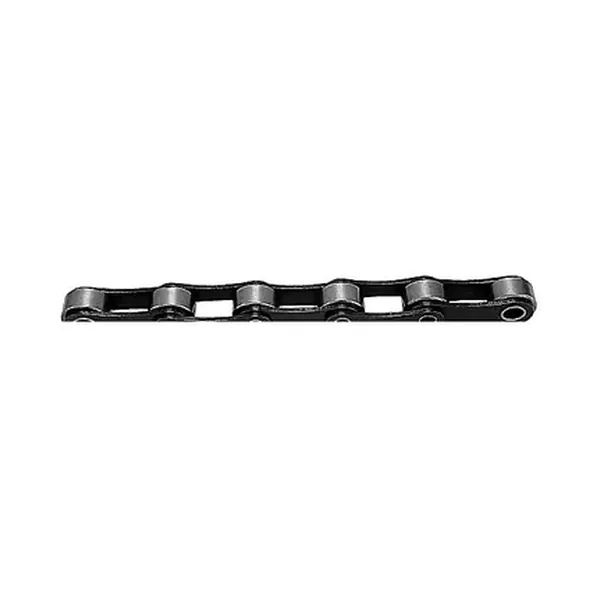
C216AHP hollow pin conveyor chain with 50.8 mm pitch and exact verified bore, pin, plate, tensile and mass…
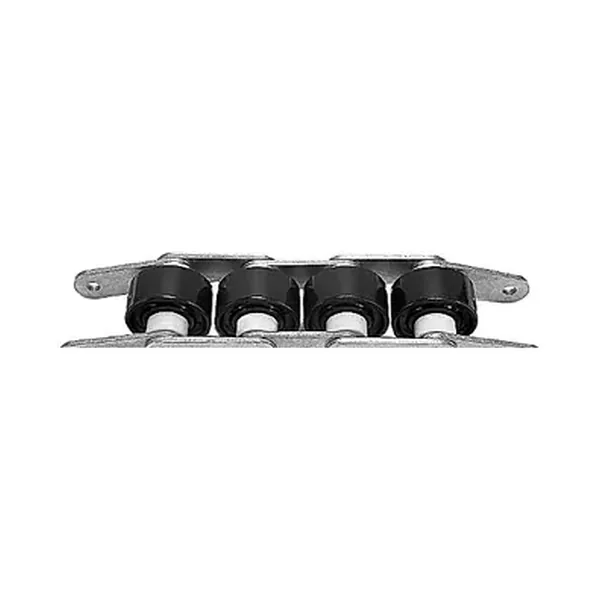
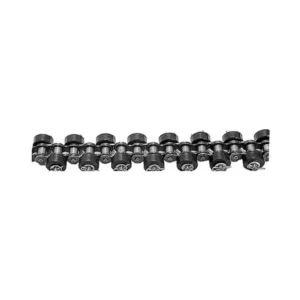
BS30-C216A 3.0x double plus pallet conveyor chain with plastic rollers, 50.8 mm pitch and an exact verified dimensional…
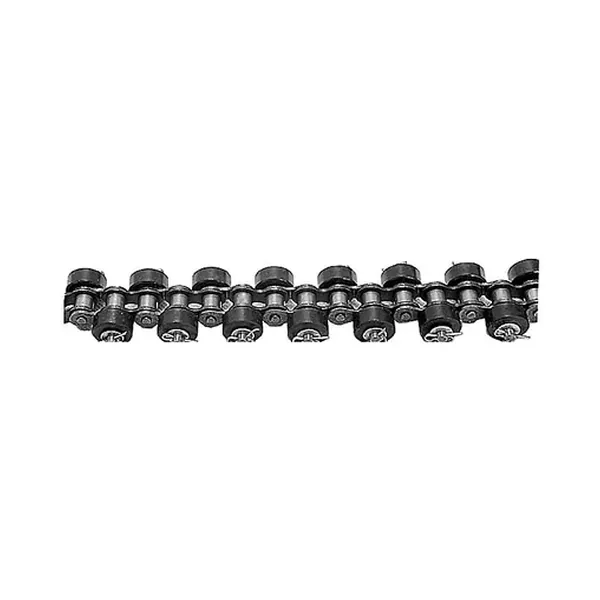
20A-PSR polyacetal side roller chain with 31.75 mm pitch for rail-supported pallet and workpiece-carrier conveyor layouts. Exact dimensional…
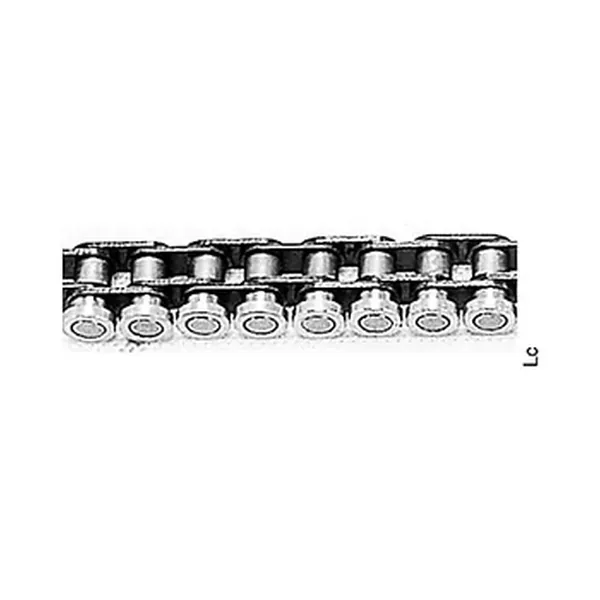
06C-CDL stainless steel side roller chain with 9.525 mm pitch and verified dimensional data for conveyor rail, pallet…
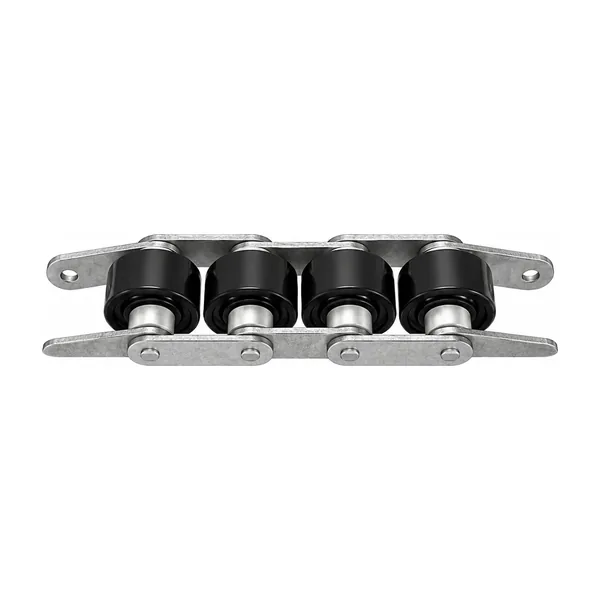
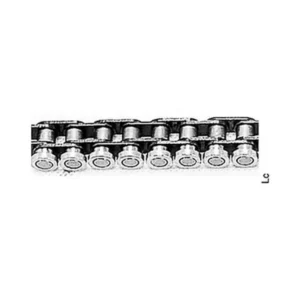
BS25-C208AR Double Plus Chain Steel Rollers with 25.4 mm pitch for pallet and workpiece-carrier conveyor layouts. Confirm roller…
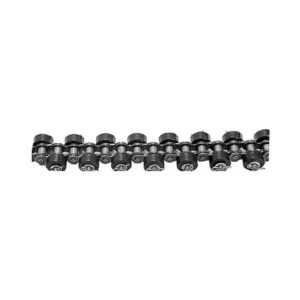
For free-flow pallet conveying where roller geometry allows a carrier to travel faster than chain speed and to accumulate while the chain continues to move. Confirm roller type, rail, stop sequence and queue length.
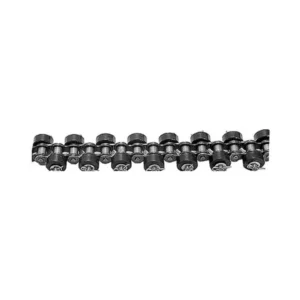
For layouts in which outboard rollers support or guide the chain on dedicated rails. Confirm side-roller position, diameter, rail section and carrier load path.
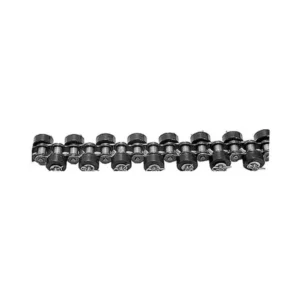
For chains that accept cross rods, fixtures or project-specific hardware through the hollow pins. Review the base chain and fixture load path as separate design items.
Use the parent family to compare roller arrangements, pitch series and system interfaces before opening individual model pages.
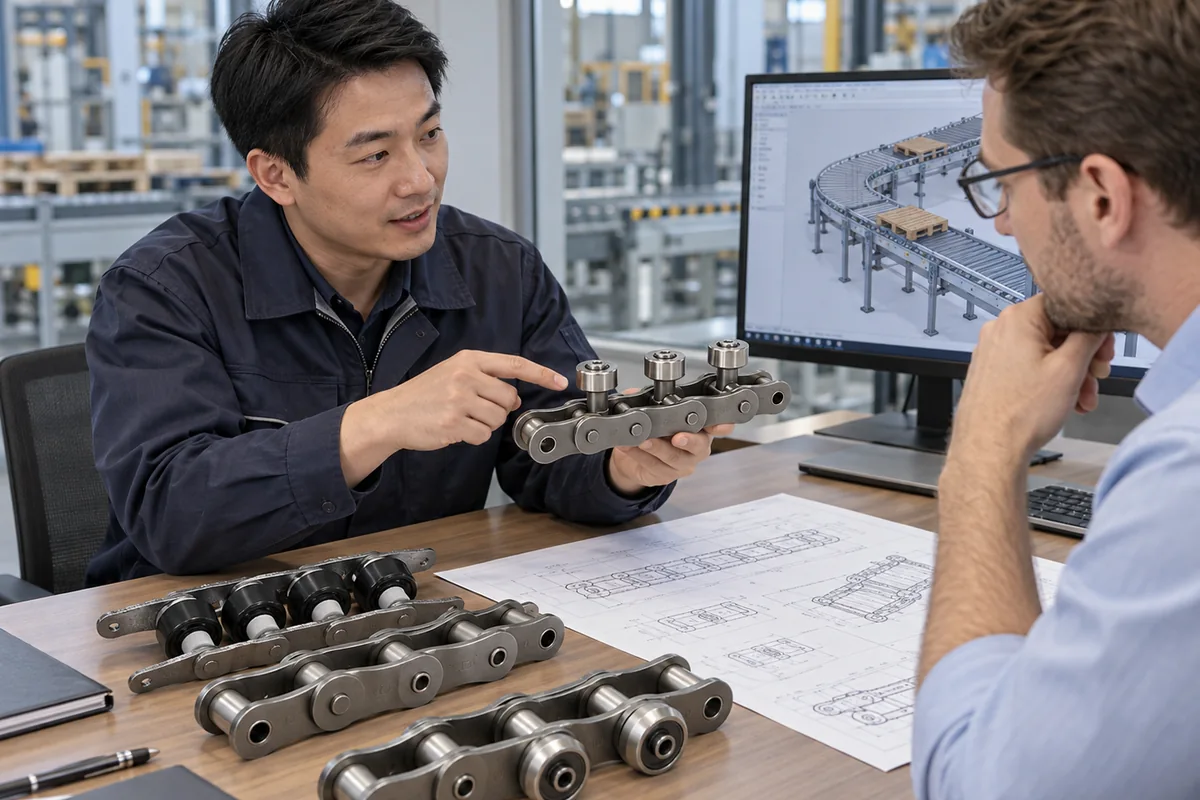
Measure several pitches, photograph the chain from the side and end, record sprocket tooth count and bore, and show the rail or carrier surface that contacts the chain. Pitch alone does not establish interchangeability because roller position, pin dimensions, plate profile and strand spacing also affect fit.
For new conveyors, provide the loaded carrier mass, conveyor length and speed, accumulation sequence, rail concept, strand centers, drive/take-up layout and environment. Keep unknown values open for engineering confirmation rather than copying them from a visually similar model.
| Project input | Useful information |
|---|---|
| Chain | Model if known, several-pitch measurement, roller/pin arrangement and quantity. |
| Carrier | Loaded mass, dimensions, underside contact and station locating method. |
| Conveyor | Length, speed, strand spacing, rail profile, transfers and accumulation zones. |
| Drive | Sprocket tooth count, bore, drive position, shaft alignment and take-up. |
| Environment | Temperature, contamination, moisture and lubrication constraints. |
Showing 1–16 of 30 results