Productbeschrijving
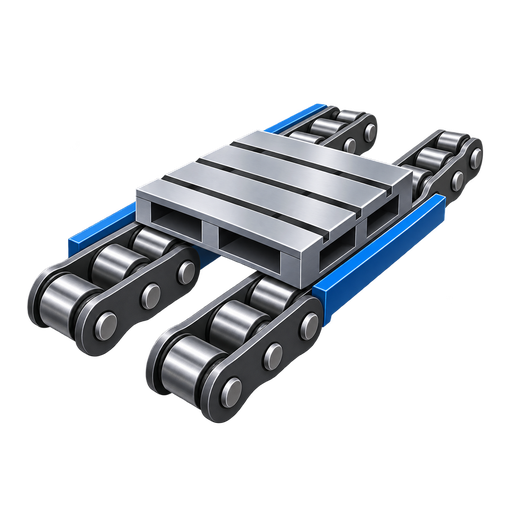
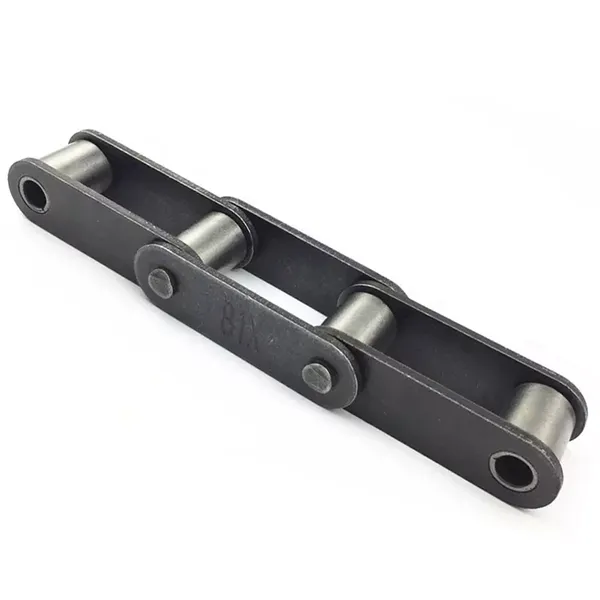
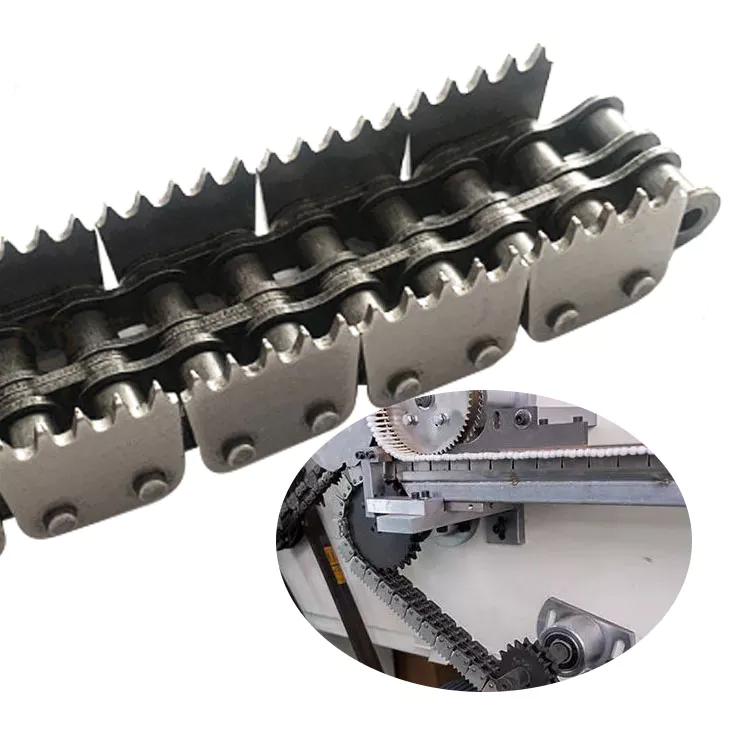
Transportkettingen (M-serie)
Kettingnummer: M20, M28, M40, M56, M80, M112, M160, M224, M315, M450
Steek: 40,0 mm tot 200,0 mm
Voor gratis proefmonsters
Snelle levering
Groen product
Internationale goedkeuringen
Ervaren personeel
Waarom voor ons kiezen?
1. Hangzhou Xihu (Westmeer) Dis.hua Chain Group Co., Ltd is opgericht in 1991. We hebben 5 dochterondernemingen in China en 6 dochterondernemingen in het buitenland.
2. We beschikken over een productieoppervlakte van 200.100 vierkante meter, meer dan 1.800 geavanceerde machines en ruim 3.100 hooggekwalificeerde medewerkers. Onze jaarlijkse productiecapaciteit bedraagt meer dan 20.000.000 meter.
3. Wij zijn gespecialiseerd in de productie van allerlei soorten standaardkettingen en speciale kettingen, zoals kettingen uit de A- of B-serie, aandrijfkettingen, transportkettingen, sleepkettingen, landbouwkettingen, enzovoort;
4. We hebben de ISO9001-, ISO14001-, ISO16969-, AAA- en API-certificaten behaald.
Het bedrijf is gespecialiseerd in de productie van allerlei soorten standaardkettingen en speciale kettingen, zoals kettingen uit de A- of B-serie, autokettingen, roestvrijstalen kettingen, maaidorserkettingen, zware schakelkettingen voor transmissies, garagekettingen voor stereo-installaties en onderhoudsvrije kettingen, enzovoort.
De afgelopen jaren heeft het bedrijf geïnvesteerd in kapitaal en vertrouwd op technologische vooruitgang om de ontwikkeling van nieuwe producten en technologische vernieuwingen te versnellen. Het streeft ernaar zeer sterke en nauwkeurige kettingen te produceren om te voldoen aan de eisen van de binnenlandse en buitenlandse markten. Bijgevoegd vindt u onze catalogus, waarin ons bedrijf uitgebreid wordt beschreven en de belangrijkste producten die we momenteel leveren, worden weergegeven. U kunt ook onze online bedrijfspresentatie bekijken, waar u onze nieuwste productlijn kunt vinden.
Should any of these items be of interest to you, please let us know. We will be happy to give you a quotation CHINAMFG receipt of your detailed requirements.
We look CHINAMFG to receiving your enquires soon.
| Gebruik: | Transmissieketting |
|---|---|
| Materiaal: | Roestvrij staal |
| Oppervlaktebehandeling: | Polijsten |
| Functie: | Hittebestendig |
| Kettingmaat: | 1/2"*11/128" |
| Structuur: | Rollenketting |
| Aanpassing: |
Beschikbaar
| Aanvraag op maat |
|---|
Hoe gedraagt een transportketting zich bij transport over hellingen?
Een transportketting is ontworpen voor diverse soorten transport, waaronder toepassingen met hellingen. Hieronder wordt uitgelegd hoe een transportketting deze situaties aanpakt:
1. Hellend transport: Wanneer een transportsysteem materialen bergopwaarts moet verplaatsen, wordt een hellende transportketting gebruikt. Het ontwerp van de ketting omvat speciale hulpstukken of nokken die extra grip bieden en voorkomen dat materiaal wegglijdt of naar achteren schuift. Deze hulpstukken zijn strategisch langs de ketting geplaatst om effectief transport op hellingen te garanderen.
2. Hellend transport: Voor transportbanden die materialen bergafwaarts verplaatsen, wordt een hellende transportketting gebruikt. Net als bij hellend transport kan de ketting speciale hulpstukken of geleiders hebben die de snelheid regelen en voorkomen dat het materiaal te snel naar beneden glijdt. Deze hulpstukken houden het materiaal op zijn plaats en zorgen voor een gecontroleerde en efficiënte neerwaartse stroom.
Zowel bij hellend als dalend transport is het belangrijk om zorgvuldig na te denken over het ontwerp van de transportketting, inclusief het type en de opstelling van de hulpstukken. De grootte, vorm en het gewicht van het te transporteren materiaal spelen ook een rol bij het bepalen van de juiste kettingconfiguratie. Het is belangrijk om fabrikanten of experts op het gebied van transportkettingen te raadplegen om de juiste ketting en hulpstukken te selecteren voor specifieke hellende of dalende toepassingen.

How does a conveyor chain contribute to overall production efficiency?
A conveyor chain plays a crucial role in enhancing overall production efficiency in various industries. Here are the ways in which it contributes to efficiency:
1. Continuous Material Flow: A conveyor chain enables continuous and uninterrupted material flow from one point to another. It eliminates the need for manual handling or transportation of goods, reducing downtime and delays in production processes.
2. Increased Throughput: By automating material handling, a conveyor chain enables faster and more efficient movement of goods. It allows for higher throughput and production rates, maximizing the utilization of resources and reducing cycle times.
3. Improved Productivity: With a conveyor chain, employees can focus on value-added tasks rather than manual material handling. This leads to improved productivity as workers can concentrate on more skilled and critical operations.
4. Efficient Resource Allocation: A well-designed conveyor chain system optimizes the utilization of space, allowing for efficient layout and organization of production areas. It helps in streamlining workflow and minimizing wastage of resources such as floor space, manpower, and equipment.
5. Quality Control: Conveyor chains can be integrated with inspection stations or automated processes to ensure quality control at various stages of production. This helps in detecting and rectifying any defects or inconsistencies, reducing the chances of faulty products reaching the market.
6. Reduced Material Handling Costs: By eliminating or minimizing manual material handling, a conveyor chain reduces labor costs associated with transportation, lifting, and carrying of goods. It also minimizes the risk of injuries or accidents related to manual handling.
7. Flexibility and Adaptability: Conveyor chains can be customized to suit specific production requirements. They can be designed to accommodate different types of products, handle various load capacities, and adapt to changes in production demands. This flexibility allows for seamless integration with existing production systems and easy scalability.
8. Safety and Ergonomics: Conveyor chains incorporate safety features such as guards, emergency stop buttons, and interlocks to ensure worker safety. They also promote ergonomic practices by reducing physical strain on workers and minimizing the risk of musculoskeletal injuries.
Overall, a well-designed and properly maintained conveyor chain system enhances production efficiency by optimizing material flow, increasing throughput, improving productivity, reducing costs, ensuring quality control, and prioritizing worker safety.
How do you properly tension a conveyor chain?
Properly tensioning a conveyor chain is crucial for its smooth operation and to prevent issues like chain slipping or excessive wear. Here are the steps to properly tension a conveyor chain:
- Identify the Tensioning Points: Determine the locations where the conveyor chain can be tensioned. These are typically at the ends of the chain or at specific tensioning devices.
- Loosen the Tensioning Devices: If there are tensioning devices in place, such as adjustable bolts or tensioning screws, loosen them to allow for adjustment.
- Apply Tension: Apply tension to the conveyor chain by either manually pulling the chain or using a tensioning tool. The amount of tension required depends on the chain type and the manufacturer’s recommendations.
- Check the Tension: Use a tension gauge or other suitable method to measure the tension of the conveyor chain. The tension should fall within the specified range provided by the chain manufacturer.
- Adjust the Tension: If the tension is too loose or too tight, make adjustments accordingly. Tighten or loosen the tensioning devices until the desired tension is achieved.
- Secure the Tensioning Devices: Once the proper tension is achieved, securely tighten the tensioning devices to hold the chain in place.
- Verify the Tension: After tensioning the chain, perform a visual inspection and run the conveyor to ensure the chain runs smoothly without excessive slack or tightness. Make any further adjustments if necessary.
It’s important to refer to the specific guidelines provided by the conveyor chain manufacturer for proper tensioning instructions, as the exact method may vary depending on the chain type and design. Regularly check the tension of the conveyor chain and make adjustments as needed to maintain optimal performance.


editor by CX 2023-10-21