Produktbeskrivelse
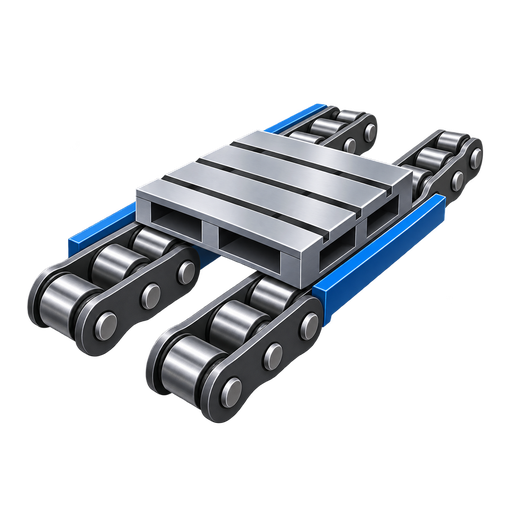
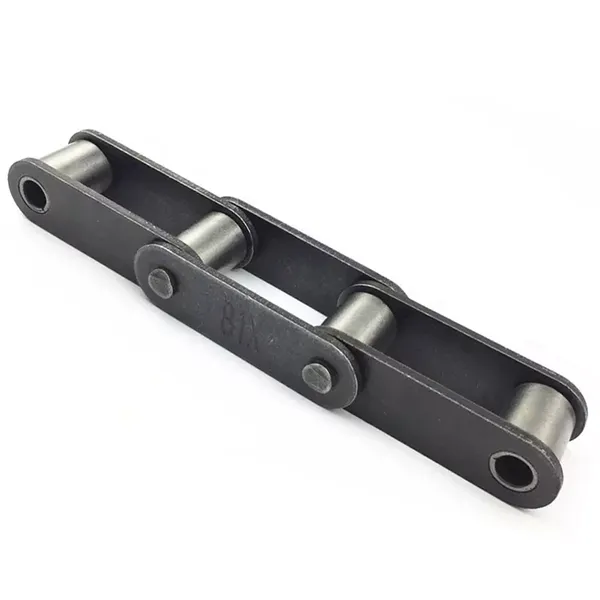
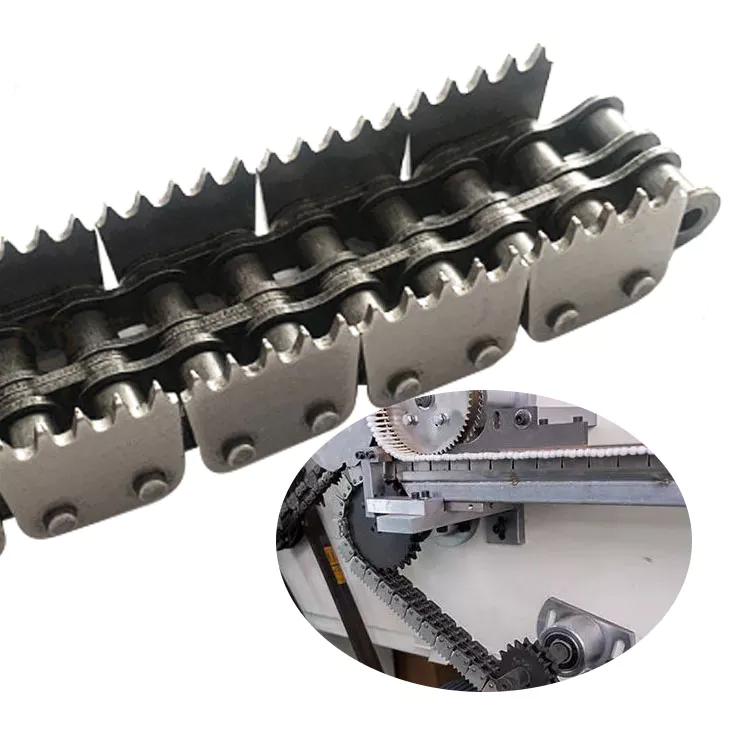
Transportkjeder (M-serien)
Kjede nr.: M20, M28, M40, M56, M80, M112, M160, M224, M315, M450
Avstand: 40,0 mm til 200,0 mm
For gratis vareprøver
Rask levering
Grønt produkt
Internasjonale godkjenninger
Erfarne ansatte
Hvorfor velge oss?
1. HangZhou Xihu (West Lake) Dis.hua Chain Group Co., Ltd ble etablert i 1991. Vi har 5 datterselskaper i Kina og også 6 datterselskaper i utlandet.
2. Vi dekker et produksjonsområde på 200.100 kvadratmeter, har mer enn 1800 sett med avansert utstyr og over 3100 høyt kvalifiserte ansatte, den årlige produksjonskapasiteten har oversteget 20 000 000 meter;
3. Vi har spesialisert oss på å produsere alle typer standardkjeder og spesialkjeder, som A- eller B-seriekjeder, drivkjeder, transportkjeder, slepekjeder, landbrukskjeder og så videre;
4. Vi har fått ISO9001-, ISO14001-, ISO16969-, AAA- og API-sertifikater.
Selskapet spesialiserer seg på produksjon av alle typer standardkjeder og spesialkjeder, EG A- eller B-seriekjeder, bilkjeder, rustfrie stålkjeder, skurtreskerkjeder, kraftige girkjeder med sveivlenker, stereogarasjekjeder og vedlikeholdsfrie kjeder etc.
I de senere årene har selskapet investert kapital og er avhengig av teknologisk forbedring for å akselerere utviklingen av nye produkter og teknologireformen. Det har som mål å produsere høyfaste og presise kjettinger for å møte kravene i det innenlandske og utenlandske markedet. Vi har vedlagt en katalog som introduserer selskapet vårt i detalj og dekker hovedproduktene vi leverer for tiden. Du kan også besøke vår nettbaserte bedriftsintroduksjon som inkluderer vår nyeste produktlinje.
Should any of these items be of interest to you, please let us know. We will be happy to give you a quotation CHINAMFG receipt of your detailed requirements.
We look CHINAMFG to receiving your enquires soon.
| Bruk: | Transmisjonskjede |
|---|---|
| Materiale: | Rustfritt stål |
| Overflatebehandling: | Polering |
| Trekk: | Varmebestandig |
| Kjedestørrelse: | 1/2" * 11/128" |
| Struktur: | Rullekjede |
| Tilpasning: |
Tilgjengelig
| Tilpasset forespørsel |
|---|
How does a conveyor chain handle inclined or declined conveyance?
A conveyor chain is designed to handle various types of conveyance, including inclined or declined applications. Here’s how a conveyor chain handles these situations:
1. Inclined Conveyance: When a conveyor system is required to move materials uphill, an inclined conveyor chain is used. The chain’s design includes special attachments or cleats that provide additional grip and prevent material from slipping or sliding backward. These attachments are strategically positioned along the chain to ensure effective conveyance on inclines.
2. Declined Conveyance: For conveyors that move materials downhill, a declined conveyor chain is utilized. Similar to inclined conveyance, the chain may have specialized attachments or cleats that help control the speed and prevent material from sliding too quickly. These attachments keep the material in place and ensure a controlled and efficient flow downward.
Both inclined and declined conveyance require careful consideration of the chain’s design, including the type and arrangement of attachments. The size, shape, and weight of the conveyed material also play a role in determining the appropriate chain configuration. It’s important to consult with conveyor chain manufacturers or experts to select the right chain and attachments for specific inclined or declined applications.

How does a conveyor chain contribute to overall production efficiency?
A conveyor chain plays a crucial role in enhancing overall production efficiency in various industries. Here are the ways in which it contributes to efficiency:
1. Continuous Material Flow: A conveyor chain enables continuous and uninterrupted material flow from one point to another. It eliminates the need for manual handling or transportation of goods, reducing downtime and delays in production processes.
2. Increased Throughput: By automating material handling, a conveyor chain enables faster and more efficient movement of goods. It allows for higher throughput and production rates, maximizing the utilization of resources and reducing cycle times.
3. Improved Productivity: With a conveyor chain, employees can focus on value-added tasks rather than manual material handling. This leads to improved productivity as workers can concentrate on more skilled and critical operations.
4. Efficient Resource Allocation: A well-designed conveyor chain system optimizes the utilization of space, allowing for efficient layout and organization of production areas. It helps in streamlining workflow and minimizing wastage of resources such as floor space, manpower, and equipment.
5. Quality Control: Conveyor chains can be integrated with inspection stations or automated processes to ensure quality control at various stages of production. This helps in detecting and rectifying any defects or inconsistencies, reducing the chances of faulty products reaching the market.
6. Reduced Material Handling Costs: By eliminating or minimizing manual material handling, a conveyor chain reduces labor costs associated with transportation, lifting, and carrying of goods. It also minimizes the risk of injuries or accidents related to manual handling.
7. Flexibility and Adaptability: Conveyor chains can be customized to suit specific production requirements. They can be designed to accommodate different types of products, handle various load capacities, and adapt to changes in production demands. This flexibility allows for seamless integration with existing production systems and easy scalability.
8. Safety and Ergonomics: Conveyor chains incorporate safety features such as guards, emergency stop buttons, and interlocks to ensure worker safety. They also promote ergonomic practices by reducing physical strain on workers and minimizing the risk of musculoskeletal injuries.
Overall, a well-designed and properly maintained conveyor chain system enhances production efficiency by optimizing material flow, increasing throughput, improving productivity, reducing costs, ensuring quality control, and prioritizing worker safety.
How do you properly tension a conveyor chain?
Properly tensioning a conveyor chain is crucial for its smooth operation and to prevent issues like chain slipping or excessive wear. Here are the steps to properly tension a conveyor chain:
- Identify the Tensioning Points: Determine the locations where the conveyor chain can be tensioned. These are typically at the ends of the chain or at specific tensioning devices.
- Loosen the Tensioning Devices: If there are tensioning devices in place, such as adjustable bolts or tensioning screws, loosen them to allow for adjustment.
- Apply Tension: Apply tension to the conveyor chain by either manually pulling the chain or using a tensioning tool. The amount of tension required depends on the chain type and the manufacturer’s recommendations.
- Check the Tension: Use a tension gauge or other suitable method to measure the tension of the conveyor chain. The tension should fall within the specified range provided by the chain manufacturer.
- Adjust the Tension: If the tension is too loose or too tight, make adjustments accordingly. Tighten or loosen the tensioning devices until the desired tension is achieved.
- Secure the Tensioning Devices: Once the proper tension is achieved, securely tighten the tensioning devices to hold the chain in place.
- Verify the Tension: After tensioning the chain, perform a visual inspection and run the conveyor to ensure the chain runs smoothly without excessive slack or tightness. Make any further adjustments if necessary.
It’s important to refer to the specific guidelines provided by the conveyor chain manufacturer for proper tensioning instructions, as the exact method may vary depending on the chain type and design. Regularly check the tension of the conveyor chain and make adjustments as needed to maintain optimal performance.


editor by CX 2023-10-21