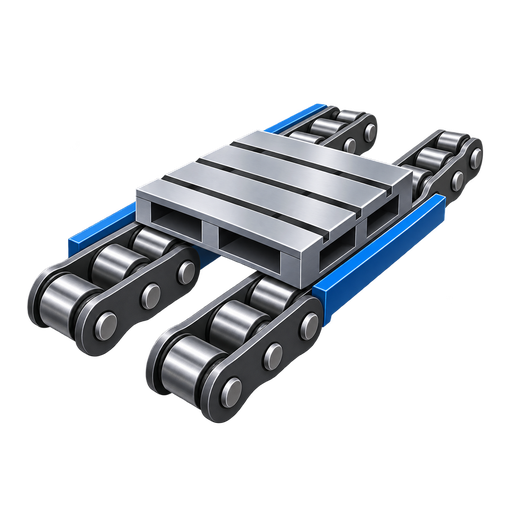
Plastic Roller vs Steel Roller Double Plus Chain
Practical engineering guide: Plastic Roller vs Steel Roller Double Plus Chain. Selection, interfaces, application checks, maintenance and RFQ inputs.
This guide focuses on how roller material changes the interface with guide rails and environment without authorizing any unsupported load claim. It is written for machine builders, maintenance teams and buyers who need a chain selection that can be checked against drawings and the real conveyor rather than a generic product label.
Plastic Roller vs Steel Roller Double Plus Chain
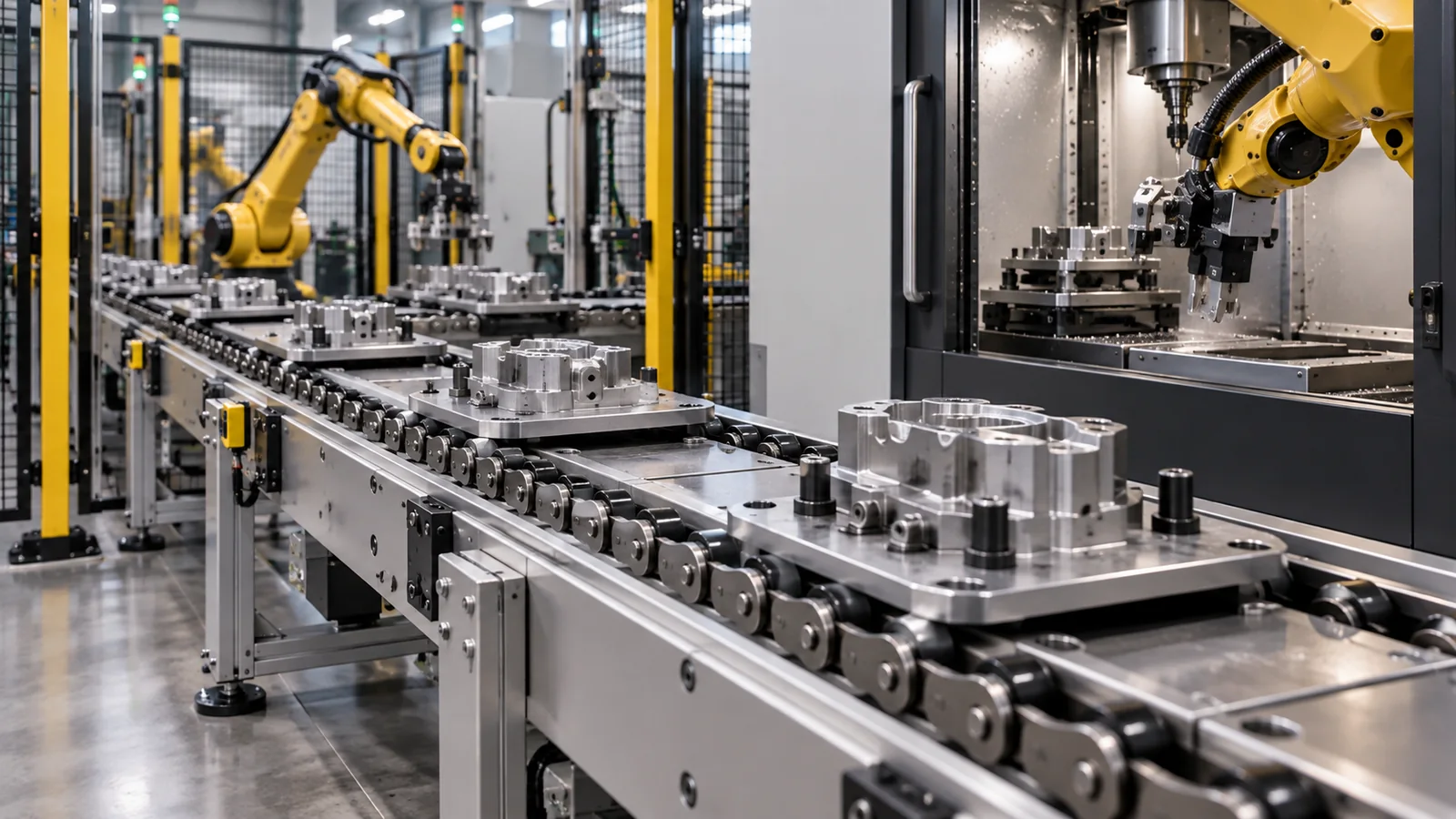
For engineering and purchasing teams, the key is to separate what the technical data proves from what the complete conveyor still needs to confirm. In a typical project such as a pallet conveyor running through clean assembly and heavier process zones, chain pitch, roller contact, rail alignment, sprocket engagement, carrier stiffness, stops and maintenance access all influence the result. A useful engineering review therefore combines model-level data with the operating sequence of the machine.
Неліктен бұл мәселе маңызды
How roller material changes the interface with guide rails and environment without authorizing any unsupported load claim affects more than catalogue selection. It changes how the workpiece carrier enters a station, how loads pass into guide rails, how the chain approaches the drive and how the system behaves during stopping or accumulation. If one interface is ignored, the symptom may appear somewhere else: a roller can wear because a rail joint is high, a chain can pull sideways because a pallet stop is offset, or a new chain can run badly because the old sprocket is worn.
The practical objective is not to eliminate every variation in the machine. It is to identify the variables that must be controlled, define which dimensions are fixed by the chain source, and leave unsupported items for explicit RFQ confirmation. This is also why using a plastic-roller photo to specify a steel-roller model is a risky shortcut. It replaces measurable machine data with an assumption and can make a correct-looking part fail at installation.
In the approved catalogue used for this project, the Double Plus family is presented in 2.5-times and 3-times speed groups. That description supports the speed-ratio concept, but it does not remove the need to check the model-specific data row. A BS25 and BS30 chain can share a nominal pitch while having different roller geometry, so the complete row and drawing remain the authority for replacement work.
Алдымен анықтау үшін төрт тексеру
Roller Material
Record the relevant diameter, offset, contact surface, clearance and visible wear so the running interface can be checked.
Rail Material
Record the relevant diameter, offset, contact surface, clearance and visible wear so the running interface can be checked.
Temperature/Contamination
State the real operating environment and maintenance constraints so material and lubrication choices are reviewed for the complete conveyor.
Noise And Wear Expectations
Конвейердің осы бөлігіне қолданылатын өлшенетін жағдайды, орнатылған интерфейсті және қабылдау тексеруін көрсетіңіз.
Тізбектің дәл геометриясынан бастаңыз
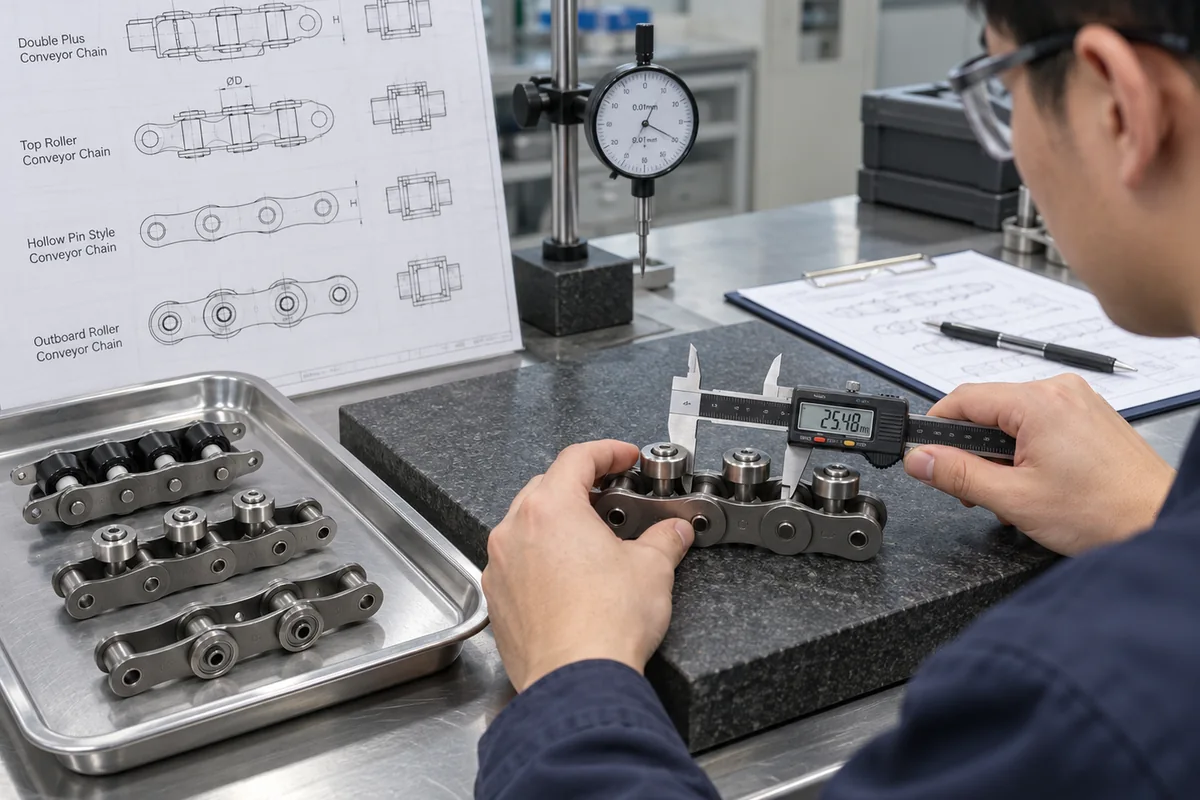
Модель нөмірі қолжетімді болған кезде, дәл модель сипаттамасын және сәйкес сызбаны пайдаланыңыз. Қадамды, ролик диаметрлерін, ішкі енін, түйреуіштің диаметрі мен ұзындығын, пластинаның биіктігі мен қалыңдығын және конвейермен байланысатын кез келген бүйірлік роликтің, үлкен роликтің немесе қуыс түйреуіштің өлшемдерін салыстырыңыз. Код белгісіз болған кезде, орнатылған тізбекті жүйелі түрде өлшеңіз. Бірнеше түйреуіштердегі қадамды өлшеу бір тозған саңылауды оқудан гөрі сенімдірек, ал фотосуреттерде бүйірлік профиль, роликтің орналасуы, жұлдызша және рельстің жанасуы көрсетілуі керек.
Созылу беріктігін паллеттің пайдалы жүктемесі ретінде пайдаланбаңыз. Каталогтың созылу көрсеткіштері материал/компонент сынақ қасиеттері болып табылады. Конвейердің жұмыс жағдайларына сонымен қатар желі ұзындығы, тізбек жіптерінің саны, тасымалдаушылар саны, үдеу, соққы, үйкеліс, майлау, жұлдызша өлшемі, тозу күйі және қажетті қауіпсіздік коэффициенті кіреді. Тізбекті жүйе үшін тек осы шарттар түсінілгеннен кейін ғана тексеруге болады.
Таңдау жұмысының барысы
- Roller Material: Қажетті шартты нақты тізбек сызбасымен немесе жүйенің орналасуымен салыстырыңыз және кез келген ашық сұрақты RFQ растауы үшін жазып алыңыз.
- Rail Material: Қажетті шартты нақты тізбек сызбасымен немесе жүйенің орналасуымен салыстырыңыз және кез келген ашық сұрақты RFQ растауы үшін жазып алыңыз.
- Temperature/Contamination: Қажетті шартты нақты тізбек сызбасымен немесе жүйенің орналасуымен салыстырыңыз және кез келген ашық сұрақты RFQ растауы үшін жазып алыңыз.
- Noise And Wear Expectations: Қажетті шартты нақты тізбек сызбасымен немесе жүйенің орналасуымен салыстырыңыз және кез келген ашық сұрақты RFQ растауы үшін жазып алыңыз.
- Тасымалдаушы және міндет: жүктелген тасымалдаушы массасын, тасымалдаушылар санын, желі жылдамдығын, сағатына іске қосылуын, жинақталу үлгісін және кез келген көлбеу немесе тік ауысуды жазып алыңыз.
- Көлік жүргізу және қайтару: жұлдызша деректерін, біліктің туралануын, көтеру қашықтығын, қайтару тірегін және майлауға қол жеткізуді растаңыз.
- Шығару шарты: Техникалық деректерде көрсетілмеген кез келген өрісті – мысалы, арнайы материалдың сыныбы, жабын, рұқсат етілген жүйе жүктемесі немесе қоршаған орта рейтингісін – бағалаудың орнына, RFQ растау элементі ретінде тізімдеңіз.
Жүйелік интеграция
Тізбек анықталғаннан кейін, конвейердің жүктемені машинаның қалған бөлігіне қалай тасымалдайтынын тексеріңіз. Бағыттаушы немесе тозу рельсі роликтің белгіленген бетін ұстап тұруы және қосылыстар арқылы үздіксіз болуы керек. Параллель жіптердің көрсетілген орталық қашықтығы және синхрондалған жетек уақыты болуы керек. Тоқтатқыштар тізбектің бүйірлік тақтасына емес, жобаланған паллет бетіне тиюі керек. Көлденең берілістер мен көтергіштер тасымалдаушының саңылауға түсіп кетпеуі немесе түйреуіш/пластинаның шетіне түспеуі үшін жеткілікті тірек қажет.
Жиналатын жүйелер үшін тасымалдауды тоқтатудан бөлек ұстаңыз. Тасымалдаушы ұстап тұрғанда тізбек қозғалысын жалғастыруы мүмкін, бірақ тоқтату күшін, кезек ұзындығын, қайта іске қосу реттілігін және жергілікті үйкелісті әлі де тексеру қажет. Өңдеу үшін дайындаманы орналастыратын жүйелер үшін қажетті қайталанушылық қалыпты конвейерлік тасымалдау қамтамасыз ете алатыннан тығыз болған кезде арнайы орналастыру мүмкіндіктерін пайдаланыңыз.
Іске қосу және техникалық қызмет көрсету
Алдымен жаңа немесе жөнделген конвейерді төмен жылдамдықпен тапсырыс беріңіз. Бірнеше толық тізбекті тізбектерді айналдырып, жетек, қайтару, рельс ауысуларын, тоқтауларды және ауыстыруларды бақылаңыз. Тізбектің бір айналымында немесе жұлдызшаның бір айналымында бір рет қайталанатын дыбыстарды тыңдаңыз, себебі бұл үлгілер тығыз қосылысты, роликтің зақымдалуын, жергілікті рельс баспалдағының немесе жұлдызшаның мәселесін анықтауға көмектеседі. Қатты дайындама паллеттерімен параллель жіптердегі қиғаштықтарды бақылаңыз; тіпті шағын уақыт айырмашылықтары да тасымалдаушының бір жағын жүктей алады.
Техникалық қызмет көрсету ақаулықты күтудің орнына үрдістерді бақылауы керек. Бекітілген әдісті қолдана отырып, созылуды немесе ұзындықты тексеруді жазып алыңыз, роликтердің еркін айналуын және қалыптан тыс жазықтықтарын тексеріңіз, тураланбағанын көрсететін жылтыратылған бүйірлік жанасу белгілерін іздеңіз, жұлдызша тістерін тексеріңіз және тарту орнын тексеріңіз. Майлау аралықтары жұмыс ортасын және шынжыр өндірушісінің нұсқауларын көрсетуі керек; егер ол абразивті ластануды тартса немесе технологиялық аймаққа енсе, көбірек майлау автоматты түрде жақсы болмайды.
RFQ тексеру тізімі
Ауыстыру туралы сұраныс үшін, егер оқылатын болса, модель кодын, өлшенген қадамды, роликтің орналасуын, шынжырдың енін, пластинаның биіктігін, түйреуіштердің өлшемдерін, бүйірлік профильдің фотосуретін және жұлдызша/рельс байланысын көрсететін фотосуретті жіберіңіз. Жаңа жүйе үшін конвейер ұзындығын, тасымалдаушы өлшемін және жүктелген массаны, жіптер санын, жіп аралығын, жылдамдығын, іске қосылу/тоқтау, буфер ұзындығын, қоршаған орта жағдайларын және тағайындалған елді қосыңыз. Бұл мәліметтер шынжыр сәйкестігін конвейердің толық жұмыс есебінен бөлуге мүмкіндік береді.
Compare roller material in the real rail environment
Roller material should be considered together with rail material, carrier load, contamination, temperature, start frequency and maintenance practice. The useful comparison is not simply plastic versus steel; it is how the complete roller/rail pair behaves in the intended duty.
For a replacement, confirm that the roller dimensions and chain geometry match before considering a material change. If the project has a cleanliness, chemical, temperature or special material requirement, include it explicitly in the enquiry so the roller and surrounding conveyor can be reviewed as one system.
Интерфейсті өлшеу
Егер ауыстыру құрылғысы бар жабдыққа сәйкес келуі керек болса, бірнеше көлбеу өлшемдерін, шеткі көрініс геометриясын және жұлдызша/рельс бөлшектерін пайдаланыңыз.
Міндетті сипаттаңыз
Жүктелген тасымалдаушының массасын, жылдамдығын, іске қосылуын, жинақталуын немесе индекстелуін және жұмыс ортасын қосыңыз.
Ең нашар жағдайды сынап көріңіз
Тек жүксіз жүрудің орнына, өкіл тасымалдаушылармен және ең талапшыл кезек, тоқтау, ауыстыру немесе қайта іске қосу шарттарымен комиссия.
Ашық элементтерді ашық ұстаңыз
Егер материал, жабын, арнайы төзімділік, құжаттама қажеттілігі немесе рұқсат етілген жүйе жүктемесі көрсетілмесе, оны сұрауда растаңыз.
Жиі қойылатын сұрақтар
Тек алаңнан ғана ауыстырушыны таңдай аламын ба?
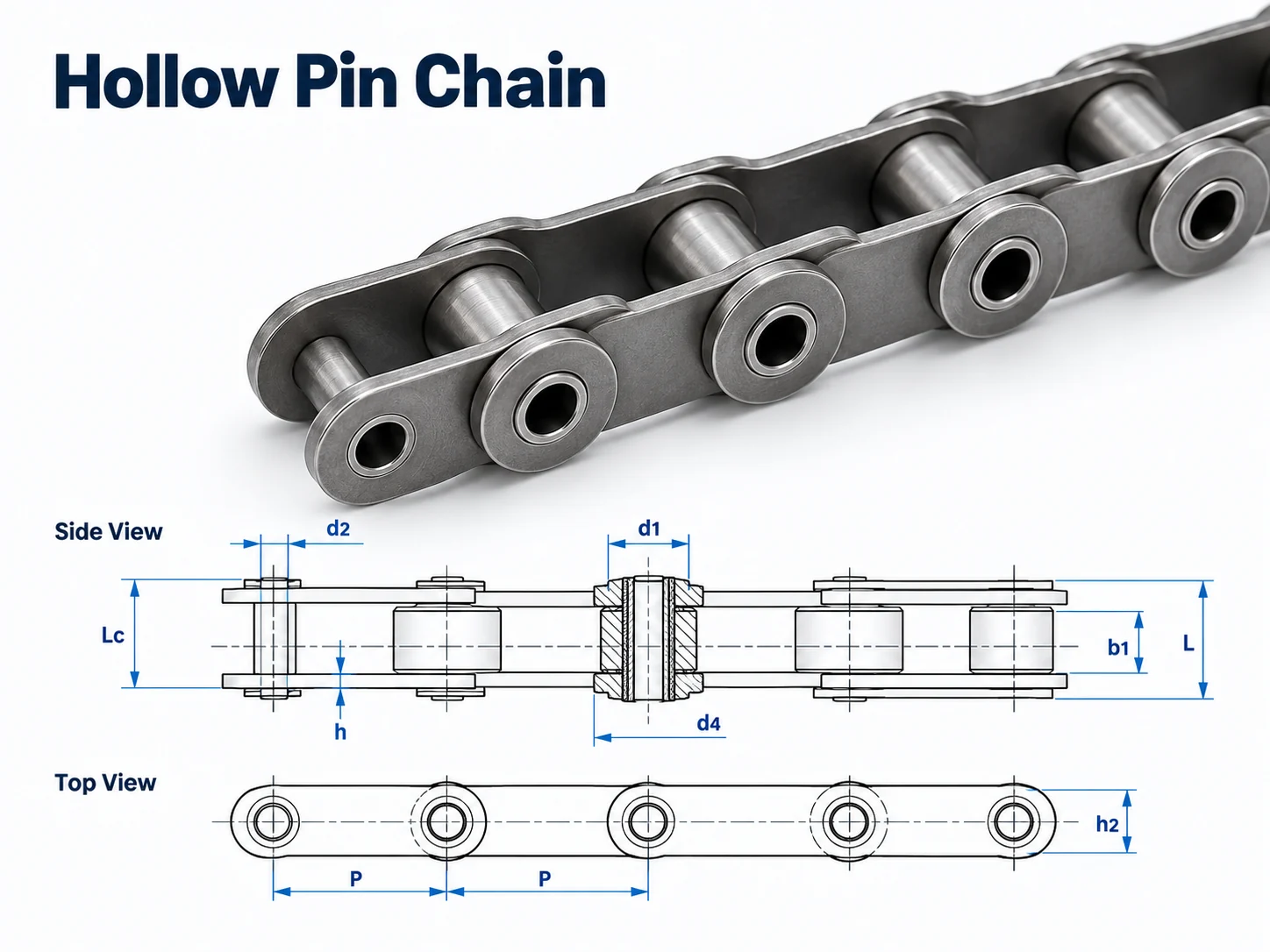
For plastic roller vs steel roller double plus chain, pitch is only the first filter. Confirm roller geometry, inner width, pins, plates and any side-roller or hollow-pin features against the installed conveyor before treating two chains as interchangeable.
Созылу күші жоғары болса, бұл жүкті паллетке көтере аламын дегенді білдіре ме?
For plastic roller vs steel roller double plus chain, do not convert tensile strength directly into pallet payload. Service load depends on strand count, friction, acceleration, stop impact, sprockets, rails and the safety margin used for the machine.
Отбасылық фотосурет нақты үлгіні дәлелдей ала ма?
Жоқ. Отбасының бейнесі құрылымды түсіндіруге көмектесе алады, бірақ модельдің сәйкестігі мен өлшемдері модельге тән техникалық сипаттамадан, сызбадан немесе расталған өндірістік деректерден алынуы керек.
Қандай ақпарат баға ұсынысын жылдамдатады?
For an RFQ related to plastic roller vs steel roller double plus chain, send the model code or dimensional sketch, clear photographs, conveyor layout, loaded carrier information, quantity and delivery country so the review starts from reproducible machine data.
Key engineering variables for Plastic Roller vs Steel Roller Double Plus Chain
Double Plus selection combines speed ratio, large/small roller interaction, guide rails and carrier underside contact. Record the operating case in one line: what the conveyor carries, how fast it moves, where it stops and what condition triggered the review. Capture dimensions and observations another engineer can reproduce.
| Кіріс | Нені жазу керек | Неліктен маңызды |
|---|---|---|
| Тасымалдаушы/жүк | Жүктелген масса, ауырлық центрі, төменгі жанасу және тасымалдаушылар саны | Қолдау, үйкеліс және тоқтату мінез-құлқы |
| Қозғалыс | Жылдамдық, іске қосу, тоқтату, жинақтау және индекстеу | Динамикалық сұраныс және процесс уақытын есептеу |
| Тізбек жолы | Қадам, роликтер, жіп аралығы және рельстер | Механикалық сәйкестендіру және бақылау |
| Көлік жүргізу | Тісжегі тістері, туралау, тарту және жетек орны | Қатысу және шиеленістің таралуы |
| Қоршаған орта | Температура, шаң, ылғал, тазалау және майлау шектеулері | Материалды таңдау және күтім |
Байланысты өнім және таңдау ресурстары
Қолданыңыз паллет конвейерінің тізбегінің каталогы отбасыларды салыстыру және инженерлік іріктеу жұмысының барысы машиналық деректер толық емес болған кезде.
What to include with an enquiry about Plastic Roller vs Steel Roller Double Plus Chain
Орнатылған немесе ұсынылған тізбек тұқымдасын, санын, қолданылуын, тасымалдаушысын/жүктемесін, негізгі өлшемдерін және жаңа бөлшек шешуі керек жұмыс жағдайын анықтаңыз. Қолданыстағы код белгісіз болған кезде фотосуреттерді немесе сызбаларды тіркеңіз және ашық материалдарды, құжаттаманы немесе жеткізу талаптарын көрінетін етіп сақтаңыз.
Make the selection from interfaces, not from one catalogue dimension
A useful selection sequence starts with the carrier and rail, then moves to the chain and sprocket. Measure several pitches, identify the roller arrangement and compare plate height, pin dimensions and roller position against the drawing. Confirm the sprocket tooth count and bore and check whether the chain enters the rail smoothly after leaving the sprocket. For side-roller or hollow-pin designs, include the outboard rail or cross-rod interface in the same review. For Double Plus layouts, state the required conveying and accumulation behavior together with queue length and stop sequence. If any key dimension is unknown, leave it as an RFQ confirmation item instead of filling it from a neighboring model.
Geometry
Pitch over several joints, roller arrangement, pin/plate dimensions and strand spacing.
Көлік жүргізу
Sprocket tooth count, bore, shaft alignment, take-up and chain entry/exit geometry.
Duty
Speed, starts per hour, maximum queue, carrier mass and environmental conditions.
Confirm the model
Compare the complete model drawing and list any unstated material, tolerance or application requirement in the enquiry.
Record both transport and accumulation conditions
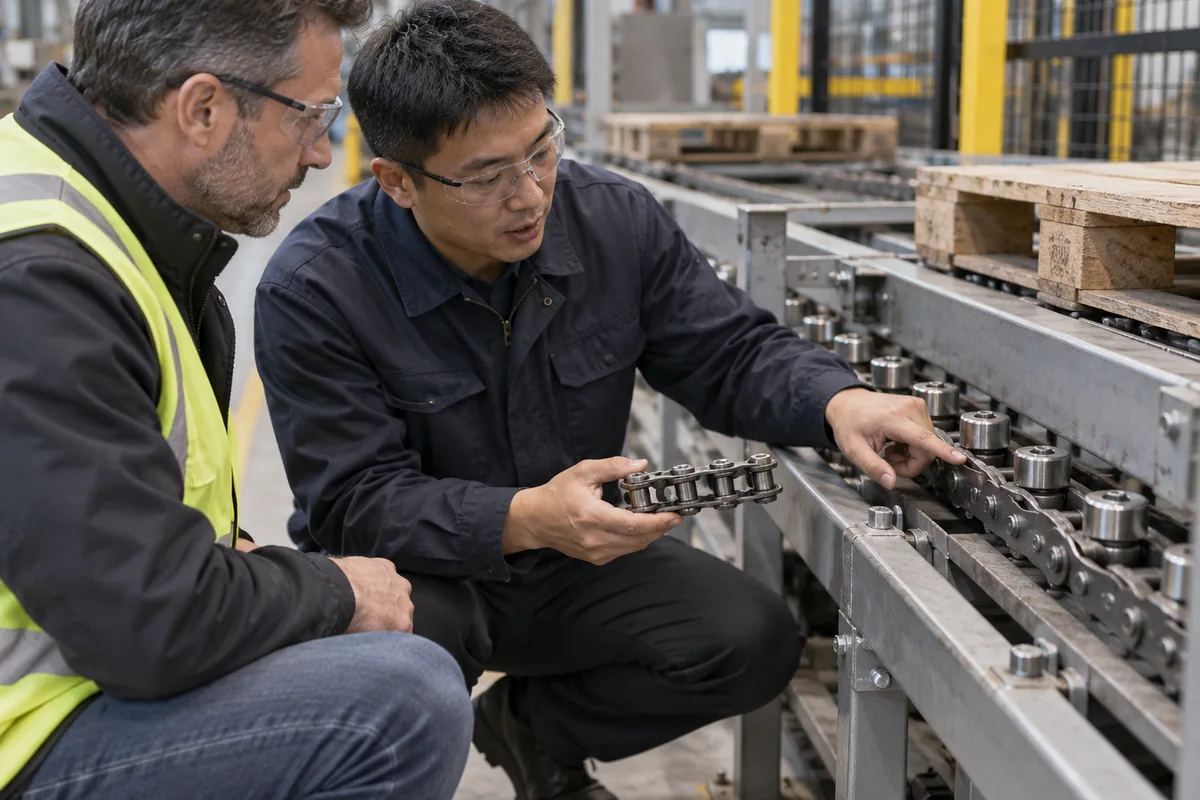
When reviewing Plastic Roller vs Steel Roller Double Plus Chain, collect data from the conveyor while carriers are moving freely and again while the longest realistic queue is stopped. Record loaded carrier mass, carrier spacing, conveyor and carrier speed where available, stop position, release interval and restart sequence. Mark a carrier so its movement can be followed through the queue, and compare both strands on a dual-chain system. Photographs should show the roller/rail interface from the end as well as the chain from the side.
Use the same survey to check the drive and supporting geometry. Count sprocket teeth, record bore or shaft arrangement, note take-up position, and look for polished edges or impact marks at rail joints and transfers. If the conveyor is being modified rather than simply repaired, include the new takt time, maximum queue and any change in pallet mass. These observations make it possible to distinguish a chain-family question from a rail, stop or timing problem before parts are specified.
Free travel
Carrier speed, roller rotation, tracking and transfer support.
Queued travel
Maximum accumulation, stop contact, drag and restart behavior.
Көлік жүргізу
Sprocket tooth count, shaft arrangement, take-up and chain entry.
Machine interface
Rail section, carrier underside, strand centers and station clearances.
Choose roller construction from the complete duty, not appearance
Compare the two options first on geometry: pitch, large and small roller diameters, rail contact, carrier support and sprocket interface. Then document the service conditions that may influence roller choice, including carrier mass, queue length, restart frequency, contamination, temperature, cleaning and lubrication restrictions. Keep material suitability separate from dimensional fit so neither question is hidden by a family label.
Inspect an existing conveyor for roller surface wear and rail marks. Scuffing, flat spots or edge contact can point to rail steps, side loading or a stop/restart condition rather than a material problem. On steel rollers, impact marks can reveal transfer discontinuities; on polymer rollers, localized wear can reveal the same geometry issue in a different form.
When requesting a recommendation, send the installed chain model when available, an end view of the roller/rail interface, carrier load and the operating environment. If a particular polymer grade, stainless grade, coating or documentation requirement is important, state it explicitly. Do not infer it from a photograph or generic product family.