Descrizione del prodotto
About Factory
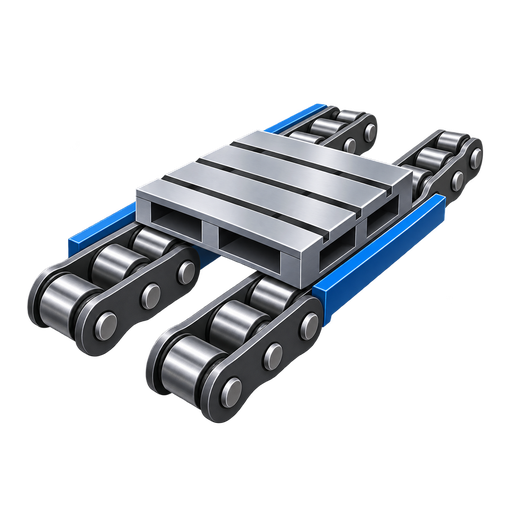
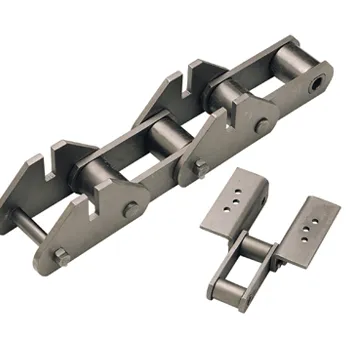
With more than 18 years’ histiory, we are a professinal manufacturer for drop forged products such as forged chain (X348 X458 X658 X678 X698 F100 F160), scraper chain (10160, 14218, 14226, 142N), conveyor trolley (X348, X458, X678, XT160), and drive chain (X348, X458, X678), and so forth standard moulds of chain.
Besides, we can also produce as per your drawing or sample, special link chain, pusher, pin and plate, according to customers’ unique requirements.
Descrizione del prodotto
1) Material: Alloy steel, 40Cr, 42CrMo and so on.
2) Types: X348 X458 X658 X678 X698 F100 F160, and so on. (Or as per your drawing)
3) Process: Moulding→Forging→Polishing & Blasting→Fine machining→Heat treatment→Blasting→Inspecting & testing→Packing
Presentazione del prodotto
Dati tecnici
| Modello | Pece | Dimensione | Angolo laterale | Lunghezza standard misurata (mm) | Quantità misurata | Resistenza alla trazione (kN) | Peso (kg/m) | |||||
| UN | F | G | J | K | S | |||||||
| 80H | 80 | 73 | 42 | 18.4 | 20 | 34.5 | 19.5 | 7 | 3032/3058 | 38 | 250 | 7.8 |
| X348 | 76.6 | 46 | 27 | 12.7 | 12.7 | 20.6 | 13.5 | 9 | 3050.5/3095.2 | 40 | 110 | 3.2 |
| X458 | 102.4 | 57 | 37 | 16 | 16 | 26.5 | 17.5 | 9 | 3063.1/3090.2 | 30 | 210 | 5.2 |
| 468H | 102.4 | 84.1 | 47.8 | 18 | 29.5 | 42.9 | 22.2 | 9 | 3063.1/3090.2 | 30 | 318 | 11.5 |
| X658 | 153.2 | 55.6 | 35 | 16 | 16 | 57.2 | 17.5 | 7 | 3055.1/3082.8 | 20 | 210 | 4 |
| X678 | 153.2 | 77 | 50.8 | 22.2 | 21 | 34.2 | 25 | 7 | 3055.1/3082.8 | 20 | 320 | 9.5 |
| 678 | 153.2 | 77 | 50.8 | 22.2 | 21 | 34.2 | 25 | 7 | 3055.1/3082.8 | 20 | 320 | 9.5 |
| 698 | 153.2 | 95.25 | 64 | 28 | 25.4 | 41.3 | 32 | 5 | 3055.1/3082.8 | 20 | 515 | 17 |
| 998 | 229.4 | 95.25 | 67.5 | 28 | 25.4 | 41.3 | 32 | 5 | 3205/3232.4 | 13 | 515 | 14.8 |
| 9118 | 229.4 | 123.8 | 76.2 | 35 | 33.5 | 52 | 38.1 | 5 | 3205/3232.4 | 13 | 832 | 24.2 |
| S348 | 76.6 | 38.9 | 28.6 | 12.7 | 12.7 | 20.6 | 13.5 | 9 | 3050.5/3095.2 | 40 | 110 | 3.2 |
| S458 | 102.4 | 52.1 | 35 | 16 | 16 | 26.5 | 17.5 | 9 | 3063.1/3090.2 | 30 | 210 | 5.2 |
| S678 | 153.2 | 69.8 | 50.8 | 22.2 | 21 | 34.2 | 25 | 7 | 3055.1/3082.8 | 20 | 320 | 9.5 |
| S698 | 153.2 | 73 | 68.3 | 28 | 25.4 | 41.3 | 32 | 5 | 3055.1/3082.8 | 20 | 515 | 17 |
| S9118 | 229.4 | 98.4 | 77.8 | 35 | 33.5 | 52 | 38.1 | 5 | 3205/3232.4 | 13 | 832 | 24.2 |
| F100 | 100 | 57 | 37 | 16 | 16 | 26.5 | 17.5 | 9 | 2991.3/3018.3 | 30 | 210 | 5.2 |
| F160 | 160 | 78 | 54 | 24 | 20.5 | 36 | 28 | 7 | 3190.7/3219.5 | 20 | 318 | 10.3 |
Products & Testing Equipments
Applicazione dei prodotti
Packing & Delivery
Perché scegliere noi?
1. We are engaged in chain industry over 15 years with rich market experience. We keep improving production techniques. All the products have longer working life and have passed the market test.
2. We can design the correct chains with high quality material, good abrasion resistance, good corrosion, high strengthen and etc as per your request or the chain application.
3. We are the chain manufacturer; you can directly purchase the product from us with low price and high quality.
4. We have a professional team for international trade, they have abundant experiences and are always ready to solve problems for customers. So you have nothing to worry about.
5. We have the long-term cooperative forwarder who can give us the lowest freight. And it can help you to save the freight. What’s more, for the FCL, we will design the packages as per the container sizes with the largest capacity to save the shipping cost for both of us.
|
Shipping Cost:
Estimated freight per unit. |
To be negotiated |
|---|
| Materiale: | Alloy |
|---|---|
| Struttura: | Combined Chain |
| Trattamento superficiale: | Lucidatura |
| Esempi: |
US$ 5/Piece
1 Piece(Min.Order) | Order Sample |
|---|
| Personalizzazione: |
Disponibile
| Richiesta personalizzata |
|---|

Quali sono i fattori da considerare nella scelta di una catena trasportatrice resistente alla corrosione?
Nella scelta di una catena per trasportatori resistente alla corrosione, è necessario considerare diversi fattori per garantirne la durata e le prestazioni in ambienti corrosivi. Ecco alcuni aspetti chiave da tenere in considerazione:
1. Scelta del materiale: Scegliere un materiale per la catena intrinsecamente resistente alla corrosione. L'acciaio inossidabile, come AISI 304 o AISI 316, è una scelta comune grazie alle sue eccellenti proprietà di resistenza alla corrosione. Altri materiali, come catene in plastica o leghe speciali, possono essere presi in considerazione in base alle specifiche esigenze applicative.
2. Rivestimenti e trattamenti superficiali: In alcuni casi, è possibile applicare ulteriori rivestimenti protettivi o trattamenti superficiali per migliorare la resistenza alla corrosione della catena. Questi rivestimenti, come la zincatura, la galvanizzazione galvanica o i rivestimenti epossidici, creano una barriera tra il materiale della catena e le sostanze corrosive, impedendo il contatto diretto e riducendo il rischio di corrosione.
3. Compatibilità ambientale: Considerare gli agenti corrosivi specifici presenti nell'ambiente in cui verrà utilizzata la catena di trasporto. Diverse sostanze corrosive, come acidi, alcali o acqua salata, richiedono specifiche proprietà di resistenza. Assicurarsi che il materiale e i rivestimenti della catena selezionati siano compatibili con gli agenti corrosivi presenti nell'ambiente operativo.
4. Manutenzione e lubrificazione: Una corretta manutenzione e lubrificazione svolgono un ruolo cruciale nella prevenzione della corrosione e nel prolungamento della durata di una catena di trasporto. La pulizia regolare, l'ispezione e l'applicazione di lubrificanti appropriati possono contribuire a rimuovere i contaminanti corrosivi e a proteggere la superficie della catena dal degrado.
5. Test e certificazione: prendete in considerazione catene che siano state sottoposte a test e certificazioni per la resistenza alla corrosione secondo gli standard di settore pertinenti. Cercate certificazioni come ISO 9227 (test in nebbia salina) o ASTM B117 (test di resistenza alla corrosione) per garantire le prestazioni della catena in ambienti corrosivi.
Valutando attentamente questi fattori e consultandovi con i produttori di catene per nastri trasportatori o con esperti in materiali resistenti alla corrosione, potrete selezionare una catena adatta al vostro specifico ambiente corrosivo, riducendo al minimo il rischio di problemi legati alla corrosione e garantendo prestazioni e durata ottimali.

What are the factors to consider when selecting the pitch of a conveyor chain?
When selecting the pitch of a conveyor chain, several factors need to be considered to ensure optimal performance and efficiency. Here are the key factors:
1. Load Capacity: The pitch of the conveyor chain should be selected based on the anticipated load capacity of the system. Consider the weight and size of the conveyed materials to ensure the chain can handle the required load without exceeding its capacity.
2. Speed and Application: The operating speed of the conveyor system and the specific application play a role in determining the pitch. Higher speeds may require smaller pitch chains to maintain smooth and reliable operation.
3. Conveyor Length: The length of the conveyor system affects the selection of the chain pitch. Longer conveyors may require larger pitch chains to distribute the load and reduce tension on individual chain links.
4. Space Constraints: Consider the available space for the conveyor system. Smaller pitch chains may be preferred in applications with limited space to minimize the overall footprint of the conveyor.
5. Wear and Maintenance: The pitch selection should also consider the anticipated wear and maintenance requirements. Smaller pitch chains often provide better wear resistance and may require less frequent lubrication and maintenance.
6. Speed Regulation: If the conveyor system requires speed regulation or precise positioning, the pitch selection should align with the control capabilities of the drive system. Smaller pitch chains can offer finer control and accuracy.
7. Compatibility: Ensure that the selected pitch is compatible with other components of the conveyor system, including sprockets, guides, and attachments. They should be designed to work together smoothly and efficiently.
8. Application Environment: Consider the environmental conditions in which the conveyor will operate. Factors such as temperature, humidity, corrosive substances, or abrasive materials may influence the choice of chain pitch and material to ensure durability and longevity.
By considering these factors, you can select the appropriate pitch for the conveyor chain, ensuring optimal performance, longevity, and reliable operation of the system.
What are the maintenance requirements for a conveyor chain?
Maintaining a conveyor chain is essential to ensure its smooth operation and prolong its lifespan. Here are some key maintenance requirements for a conveyor chain:
- Regular Cleaning: Clean the conveyor chain regularly to remove dirt, debris, and contaminants that can contribute to chain wear and reduce performance. Use appropriate cleaning agents and tools to avoid damaging the chain.
- Lubrificazione: Apply the recommended lubricant to the conveyor chain according to the manufacturer’s guidelines. Lubrication helps reduce friction, minimize wear, and prevent corrosion.
- Tension Adjustment: Check the tension of the conveyor chain regularly and adjust it if necessary. Proper tension ensures smooth operation and prevents issues like chain slipping or excessive wear.
- Inspection: Conduct regular inspections of the conveyor chain to identify any signs of wear, damage, or misalignment. Look for issues such as worn sprockets, elongation, bent or damaged links, and loose connections. Address any problems promptly to prevent further damage.
- Replace Worn Components: If any components of the conveyor chain, such as links, pins, or sprockets, are excessively worn or damaged, they should be replaced. Using worn components can compromise the chain’s performance and lead to failure.
- Alignment: Ensure proper alignment of the conveyor chain by checking the alignment of sprockets, idlers, and other components. Misalignment can cause uneven wear and increase the risk of chain failure.
- Training and Education: Provide proper training to personnel responsible for operating and maintaining the conveyor chain. They should understand the maintenance requirements, safety protocols, and best practices to ensure effective and safe operation.
Following these maintenance requirements will help keep the conveyor chain in optimal condition, minimize downtime, and ensure safe and efficient material handling.


editor by CX 2023-10-08