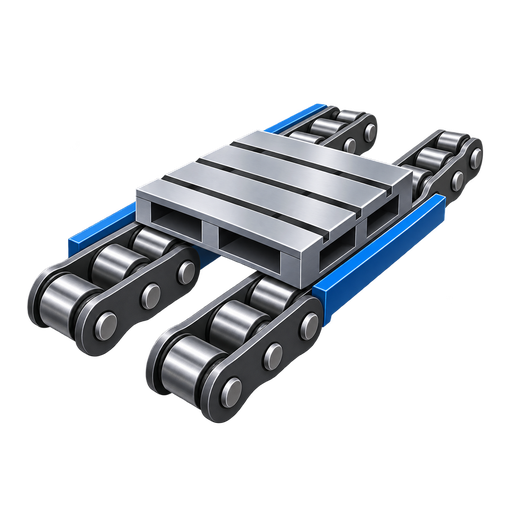
وصف المنتج
About Factory
With more than 18 years’ histiory, we are a professinal manufacturer for drop forged products such as forged chain (X348 X458 X658 X678 X698 F100 F160), scraper chain (10160, 14218, 14226, 142N), conveyor trolley (X348, X458, X678, XT160), and drive chain (X348, X458, X678), and so forth standard moulds of chain.
Besides, we can also produce as per your drawing or sample, special link chain, pusher, pin and plate, according to customers’ unique requirements.
وصف المنتج
1) Material: Alloy steel, 40Cr, 42CrMo and so on.
2) Types: X348 X458 X658 X678 X698 F100 F160, and so on. (Or as per your drawing)
3) Process: Moulding→Forging→Polishing & Blasting→Fine machining→Heat treatment→Blasting→Inspecting & testing→Packing
Product Show
Technical Data
| Model | Pitch | Dimension | Lateral Corner | Standard Measured Length (mm) | Measured Quantity | Tensile Strength (KN) | Weight (Kg/m) | |||||
| A | F | G | J | K | S | |||||||
| 80H | 80 | 73 | 42 | 18.4 | 20 | 34.5 | 19.5 | 7 | 3032/3058 | 38 | 250 | 7.8 |
| X348 | 76.6 | 46 | 27 | 12.7 | 12.7 | 20.6 | 13.5 | 9 | 3050.5/3095.2 | 40 | 110 | 3.2 |
| X458 | 102.4 | 57 | 37 | 16 | 16 | 26.5 | 17.5 | 9 | 3063.1/3090.2 | 30 | 210 | 5.2 |
| 468H | 102.4 | 84.1 | 47.8 | 18 | 29.5 | 42.9 | 22.2 | 9 | 3063.1/3090.2 | 30 | 318 | 11.5 |
| X658 | 153.2 | 55.6 | 35 | 16 | 16 | 57.2 | 17.5 | 7 | 3055.1/3082.8 | 20 | 210 | 4 |
| X678 | 153.2 | 77 | 50.8 | 22.2 | 21 | 34.2 | 25 | 7 | 3055.1/3082.8 | 20 | 320 | 9.5 |
| 678 | 153.2 | 77 | 50.8 | 22.2 | 21 | 34.2 | 25 | 7 | 3055.1/3082.8 | 20 | 320 | 9.5 |
| 698 | 153.2 | 95.25 | 64 | 28 | 25.4 | 41.3 | 32 | 5 | 3055.1/3082.8 | 20 | 515 | 17 |
| 998 | 229.4 | 95.25 | 67.5 | 28 | 25.4 | 41.3 | 32 | 5 | 3205/3232.4 | 13 | 515 | 14.8 |
| 9118 | 229.4 | 123.8 | 76.2 | 35 | 33.5 | 52 | 38.1 | 5 | 3205/3232.4 | 13 | 832 | 24.2 |
| S348 | 76.6 | 38.9 | 28.6 | 12.7 | 12.7 | 20.6 | 13.5 | 9 | 3050.5/3095.2 | 40 | 110 | 3.2 |
| S458 | 102.4 | 52.1 | 35 | 16 | 16 | 26.5 | 17.5 | 9 | 3063.1/3090.2 | 30 | 210 | 5.2 |
| S678 | 153.2 | 69.8 | 50.8 | 22.2 | 21 | 34.2 | 25 | 7 | 3055.1/3082.8 | 20 | 320 | 9.5 |
| S698 | 153.2 | 73 | 68.3 | 28 | 25.4 | 41.3 | 32 | 5 | 3055.1/3082.8 | 20 | 515 | 17 |
| S9118 | 229.4 | 98.4 | 77.8 | 35 | 33.5 | 52 | 38.1 | 5 | 3205/3232.4 | 13 | 832 | 24.2 |
| F100 | 100 | 57 | 37 | 16 | 16 | 26.5 | 17.5 | 9 | 2991.3/3018.3 | 30 | 210 | 5.2 |
| F160 | 160 | 78 | 54 | 24 | 20.5 | 36 | 28 | 7 | 3190.7/3219.5 | 20 | 318 | 10.3 |
Products & Testing Equipments
Products Application
Packing & Delivery
Why Choose Us?
1. We are engaged in chain industry over 15 years with rich market experience. We keep improving production techniques. All the products have longer working life and have passed the market test.
2. We can design the correct chains with high quality material, good abrasion resistance, good corrosion, high strengthen and etc as per your request or the chain application.
3. We are the chain manufacturer; you can directly purchase the product from us with low price and high quality.
4. We have a professional team for international trade, they have abundant experiences and are always ready to solve problems for customers. So you have nothing to worry about.
5. We have the long-term cooperative forwarder who can give us the lowest freight. And it can help you to save the freight. What’s more, for the FCL, we will design the packages as per the container sizes with the largest capacity to save the shipping cost for both of us.
|
تكلفة الشحن:
تكلفة الشحن المقدرة لكل وحدة. |
سيتم التفاوض عليه |
|---|
| مادة: | Alloy |
|---|---|
| بناء: | Combined Chain |
| معالجة السطح: | تلميع |
| أمثلة: |
US$ 5/Piece
1 Piece(Min.Order) | اطلب عينة |
|---|
| التخصيص: |
متاح
| طلب مخصص |
|---|

ما هي الاعتبارات التي يجب مراعاتها عند اختيار سلسلة ناقلة مقاومة للتآكل؟
عند اختيار سلسلة ناقلة مقاومة للتآكل، يجب مراعاة عدة عوامل لضمان عمر السلسلة وأدائها في البيئات المسببة للتآكل. فيما يلي بعض الاعتبارات الرئيسية:
1. اختيار المادة: اختر مادة سلسلة مقاومة للتآكل بطبيعتها. يُعد الفولاذ المقاوم للصدأ، مثل AISI 304 أو AISI 316، خيارًا شائعًا نظرًا لخصائصه الممتازة في مقاومة التآكل. كما يمكن النظر في مواد أخرى مثل السلاسل البلاستيكية أو السبائك الخاصة بناءً على متطلبات التطبيق المحددة.
٢. الطلاءات ومعالجات الأسطح: في بعض الحالات، يمكن تطبيق طلاءات واقية إضافية أو معالجات للأسطح لتعزيز مقاومة السلسلة للتآكل. تُشكل هذه الطلاءات، مثل طلاء الزنك أو الجلفنة أو طلاءات الإيبوكسي، حاجزًا بين مادة السلسلة والمواد المسببة للتآكل، مما يمنع التلامس المباشر ويقلل من خطر التآكل.
3. التوافق البيئي: يجب مراعاة العوامل المسببة للتآكل الموجودة في البيئة التي ستُستخدم فيها سلسلة النقل. تتطلب المواد المسببة للتآكل المختلفة، مثل الأحماض والقلويات والمياه المالحة، خصائص مقاومة محددة. تأكد من أن مادة السلسلة المختارة والطلاءات متوافقة مع العوامل المسببة للتآكل الموجودة في بيئة التشغيل.
٤. الصيانة والتشحيم: تلعب الصيانة والتشحيم السليمان دورًا حاسمًا في منع التآكل وإطالة عمر سلسلة النقل. يساعد التنظيف والفحص المنتظمين، بالإضافة إلى استخدام مواد التشحيم المناسبة، على إزالة الملوثات المسببة للتآكل وحماية سطح السلسلة من التلف.
5. الاختبار والاعتماد: يُنصح باختيار السلاسل التي خضعت لاختبارات وحصلت على شهادات مقاومة للتآكل وفقًا لمعايير الصناعة ذات الصلة. ابحث عن شهادات مثل ISO 9227 (اختبار رذاذ الملح) أو ASTM B117 (اختبار مقاومة التآكل) لضمان أداء السلسلة في البيئات المسببة للتآكل.
من خلال دراسة هذه العوامل بعناية والتشاور مع مصنعي سلاسل النقل أو خبراء مقاومة التآكل، يمكنك اختيار سلسلة مناسبة تمامًا لبيئتك المسببة للتآكل، مما يقلل من مخاطر المشكلات المتعلقة بالتآكل ويضمن الأداء الأمثل وطول العمر.

ما هي العوامل التي يجب مراعاتها عند اختيار درجة ميل سلسلة النقل؟
عند اختيار خطوة سلسلة النقل، يجب مراعاة عدة عوامل لضمان الأداء الأمثل والكفاءة. فيما يلي أهم هذه العوامل:
1. سعة التحميل: يجب اختيار خطوة سلسلة النقل بناءً على سعة التحميل المتوقعة للنظام. يجب مراعاة وزن وحجم المواد المنقولة لضمان قدرة السلسلة على تحمل الحمل المطلوب دون تجاوز سعتها.
٢. السرعة والتطبيق: تؤثر سرعة تشغيل نظام النقل والتطبيق المحدد على تحديد خطوة السلسلة. قد تتطلب السرعات العالية سلاسل ذات خطوة أصغر للحفاظ على تشغيل سلس وموثوق.
3. طول الناقل: يؤثر طول نظام النقل على اختيار خطوة السلسلة. قد تتطلب الناقلات الأطول سلاسل ذات خطوة أكبر لتوزيع الحمل وتقليل الشد على حلقات السلسلة الفردية.
4. قيود المساحة: ضع في اعتبارك المساحة المتاحة لنظام النقل. قد يُفضّل استخدام سلاسل ذات مسافة أصغر بين السلاسل في التطبيقات ذات المساحة المحدودة لتقليل المساحة الإجمالية التي يشغلها نظام النقل.
5. التآكل والصيانة: ينبغي أن يراعي اختيار درجة ميل السلسلة متطلبات التآكل والصيانة المتوقعة. غالبًا ما توفر السلاسل ذات درجة الميل الأصغر مقاومة أفضل للتآكل، وقد تتطلب تشحيمًا وصيانة أقل تكرارًا.
6. تنظيم السرعة: إذا كان نظام النقل يتطلب تنظيم السرعة أو تحديد المواقع بدقة، فيجب أن يتوافق اختيار درجة ميل السلاسل مع إمكانيات التحكم في نظام القيادة. توفر السلاسل ذات درجة الميل الأصغر تحكمًا ودقةً أكبر.
7. التوافق: تأكد من أن درجة الميل المختارة متوافقة مع المكونات الأخرى لنظام النقل، بما في ذلك العجلات المسننة، والموجهات، والملحقات. يجب تصميمها بحيث تعمل معًا بسلاسة وكفاءة.
8. بيئة التطبيق: يجب مراعاة الظروف البيئية التي سيعمل فيها الناقل. قد تؤثر عوامل مثل درجة الحرارة والرطوبة والمواد المسببة للتآكل أو المواد الكاشطة على اختيار خطوة السلسلة ومادتها لضمان المتانة وطول العمر.
من خلال مراعاة هذه العوامل، يمكنك اختيار درجة الميل المناسبة لسلسلة النقل، مما يضمن الأداء الأمثل وطول العمر والتشغيل الموثوق للنظام.
What are the maintenance requirements for a conveyor chain?
Maintaining a conveyor chain is essential to ensure its smooth operation and prolong its lifespan. Here are some key maintenance requirements for a conveyor chain:
- Regular Cleaning: Clean the conveyor chain regularly to remove dirt, debris, and contaminants that can contribute to chain wear and reduce performance. Use appropriate cleaning agents and tools to avoid damaging the chain.
- تشحيم: Apply the recommended lubricant to the conveyor chain according to the manufacturer’s guidelines. Lubrication helps reduce friction, minimize wear, and prevent corrosion.
- Tension Adjustment: Check the tension of the conveyor chain regularly and adjust it if necessary. Proper tension ensures smooth operation and prevents issues like chain slipping or excessive wear.
- Inspection: Conduct regular inspections of the conveyor chain to identify any signs of wear, damage, or misalignment. Look for issues such as worn sprockets, elongation, bent or damaged links, and loose connections. Address any problems promptly to prevent further damage.
- Replace Worn Components: If any components of the conveyor chain, such as links, pins, or sprockets, are excessively worn or damaged, they should be replaced. Using worn components can compromise the chain’s performance and lead to failure.
- Alignment: Ensure proper alignment of the conveyor chain by checking the alignment of sprockets, idlers, and other components. Misalignment can cause uneven wear and increase the risk of chain failure.
- Training and Education: Provide proper training to personnel responsible for operating and maintaining the conveyor chain. They should understand the maintenance requirements, safety protocols, and best practices to ensure effective and safe operation.
Following these maintenance requirements will help keep the conveyor chain in optimal condition, minimize downtime, and ensure safe and efficient material handling.


editor by CX 2023-10-08