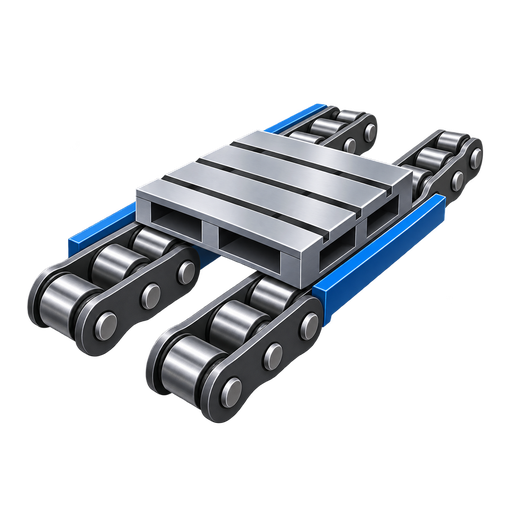
Description du produit
OUR PRODUCTS
Stainless Steel Chain 304/316/316L 4×20/5×24/6×18/8×24mm 30 Years factory Good Usage feedback
Our Services
1. Prompt reply for inquiry within 24 hours
2. One on one service guarantees you the best purchasing experience.
3. Strong production capacity and professional technical engineer can guarantee the delivery time and quality.
4. Strict quality control.
ZheJiang CHINAMFG chain is a professional manufuacturer which is specialized in producing lifting chain, mining chain,lashing chain,anchor chain, ash handler chain,fishing chain etc..since 1991.
We have certified by ISO 2000 ,and get CE certification, safety certificate of mining products,classification society certification.
Our chains can be exported to overseas markets,such as United States,Japan,Germany,Russia,,Eastern Europe and Southeast Asianountries.
CHINAMFG chains has 4 producing lines with more than 220 employees.
Our chain’s diameters ranges from 6mm-42mm and grade standard ranges form G30 to CHINAMFG serious which can meet the requirementsof mining, lifting,berthing,strapping,lifting, fishery and other fields.
/* 22 janvier 2571 19:08:37 */!function(){function s(e,r){var a,o={};try{e&&e.split(“,”).forEach(function(e,t){e&&(a=e.match(/(.*?):(.*)$/))&&1
| Usage: | Transmission Chain, Drag Chain, Conveyor Chain, Dedicated Special Chain |
|---|---|
| Matériel: | Alloy |
| Traitement de surface : | Polissage |
| Fonctionnalité: | Rust-Resisting Material |
| Taille de la chaîne : | D3mm-D64mm |
| Structure: | Welded Chain |
| Exemples : |
US$ 150/Ton
1 Ton(Min.Order) | |
|---|
| Personnalisation : |
Disponible
| Demande personnalisée |
|---|
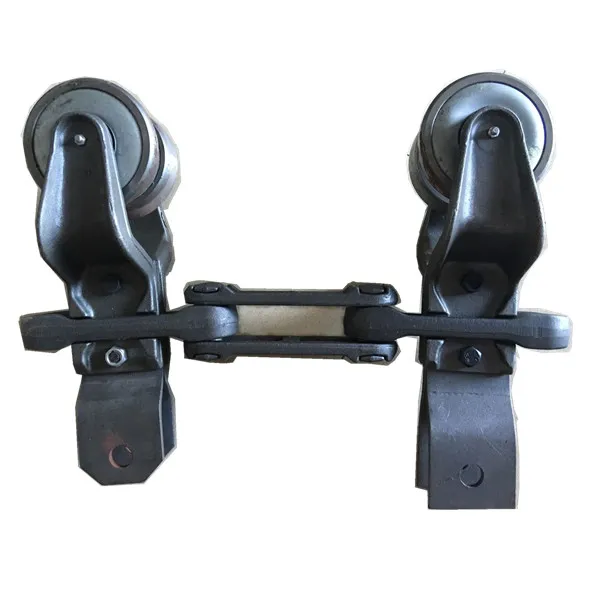
How do you calculate the required horsepower for a conveyor chain drive?
The calculation of required horsepower for a conveyor chain drive involves considering various factors related to the conveyor system and the specific application. Here is a step-by-step process:
1. Determine the Total Resistance:
– Calculate the total resistance that the conveyor chain needs to overcome during operation. This includes the resistance due to the load being conveyed, frictional losses, elevation changes, and any other resistances in the system.
2. Convert the Resistance to Equivalent Inertia:
– Convert the total resistance to an equivalent inertia by multiplying it by the square of the chain speed.
3. Calculate the Total Inertia:
– Determine the total inertia of the system by considering the inertia of all the rotating components, such as the conveyor chain, sprockets, and any other driven elements.
4. Determine the Required Torque:
– Calculate the required torque by multiplying the total inertia by the desired acceleration or deceleration rate.
5. Convert Torque to Horsepower:
– Convert the required torque to horsepower by dividing it by the motor speed (in RPM) and multiplying by a conversion factor.
6. Consider Safety Factors and Efficiency:
– Apply safety factors to the calculated horsepower to account for variations, contingencies, and future growth.
– Consider the efficiency of the drive system, including the motor, gearbox, and other transmission components, to ensure accurate power transmission.
It’s important to note that the above calculation method provides an estimate of the required horsepower. Consulting with conveyor system manufacturers, engineers, or industry-specific guidelines is recommended for precise calculations and to ensure the selected conveyor chain drive meets the application requirements.
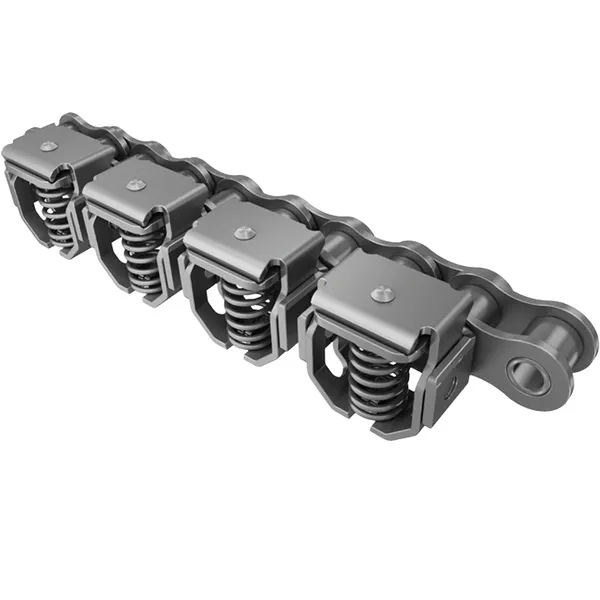
Quelles sont les meilleures pratiques pour le stockage et la manutention des chaînes de convoyeurs ?
Un stockage et une manipulation appropriés des chaînes de convoyeurs sont essentiels pour maintenir leurs performances, prévenir les dommages et prolonger leur durée de vie. Voici quelques bonnes pratiques à suivre :
1. Zone de stockage propre et sèche : Stockez les chaînes de convoyeur dans un environnement propre et sec afin d’éviter l’accumulation de saleté, de poussière, d’humidité ou de contaminants qui peuvent affecter leurs performances et provoquer de la corrosion.
2. Support adéquat : Veillez à ce que les chaînes de convoyeur stockées soient correctement soutenues afin d’éviter toute flexion ou déformation excessive. Utilisez des palettes, des rayonnages ou des conteneurs de stockage adaptés au poids et à la longueur des chaînes.
3. Éviter les températures excessives : les chaînes de convoyeur doivent être stockées dans un endroit à température modérée afin d'éviter les températures extrêmes qui pourraient affecter les propriétés des matériaux ou la lubrification des chaînes.
4. Protection contre les chocs et les vibrations : Protégez les chaînes stockées des chocs ou des vibrations excessives susceptibles de les endommager ou de les déformer. Utilisez des emballages ou des housses adaptés pour les protéger de tout dommage physique potentiel.
5. Lubrification : Appliquez une fine couche de lubrifiant approprié sur les chaînes avant le remisage afin de prévenir la corrosion et d’assurer leur bon fonctionnement. Respectez les recommandations du fabricant concernant le type et la quantité de lubrifiant.
6. Inspections régulières : Inspectez périodiquement les chaînes de convoyeur stockées afin de vérifier l’absence de dommages, de corrosion ou de déformation. En cas de problème, prenez les mesures appropriées, telles que le nettoyage, la lubrification ou le remplacement des chaînes.
7. Techniques de manutention appropriées : Lors de la manipulation de chaînes de convoyeur, utilisez des équipements ou outils de levage appropriés afin d’éviter les efforts excessifs et les torsions. Évitez de traîner ou de laisser tomber les chaînes, car cela pourrait endommager les maillons ou les fixations.
8. Formation et sensibilisation : Former le personnel chargé de la manipulation et du stockage des chaînes de convoyeurs afin de garantir sa connaissance des procédures appropriées et des bonnes pratiques. Sensibiliser le personnel à l’importance d’une manipulation et d’un stockage soigneux pour prévenir les accidents et préserver l’intégrité des chaînes.
En suivant ces bonnes pratiques, vous pouvez garantir la longévité et la fiabilité de vos chaînes de convoyeurs, réduisant ainsi les risques d'arrêts de production et de réparations coûteuses.
How do you optimize the efficiency of a conveyor chain system?
To optimize the efficiency of a conveyor chain system, several factors should be considered and implemented:
1. System Design: Ensure that the conveyor system is properly designed to minimize energy losses, reduce friction, and optimize material flow. Consider factors such as conveyor length, incline/decline angles, and the number and placement of drive units to achieve efficient operation.
2. Chain Selection: Select the appropriate conveyor chain based on the specific application requirements, such as load capacity, speed, and environmental conditions. Consider factors like chain material, pitch, and strength to ensure optimal performance and longevity.
3. Lubrication: Proper lubrication of the conveyor chain is essential for reducing friction, wear, and power consumption. Choose the right lubricant for the application and regularly maintain the lubrication levels to ensure smooth chain operation.
4. Tensioning and Alignment: Regularly inspect and adjust the tension and alignment of the conveyor chain to prevent excessive slack or tightness. Proper tensioning and alignment help to minimize chain wear, reduce energy losses, and ensure consistent performance.
5. Preventive Maintenance: Implement a regular maintenance program to identify and address potential issues before they escalate. This includes cleaning the chain, inspecting sprockets and guides, replacing worn components, and checking for proper tension and alignment. A well-maintained system reduces downtime and extends the life of the chain.
6. System Monitoring: Utilize monitoring tools such as sensors, cameras, or automated systems to track the performance of the conveyor chain system. Monitoring can provide valuable data on chain tension, alignment, speed, and power consumption, allowing for timely adjustments and optimization.
7. Training and Operator Awareness: Train operators on best practices for operating and maintaining the conveyor chain system. Promote awareness of energy efficiency, proper handling, and safety protocols to ensure optimal system performance.
By considering these factors and implementing appropriate measures, the efficiency of a conveyor chain system can be optimized, leading to improved productivity, reduced energy consumption, and longer chain life.


editor by CX 2024-04-25