Productbeschrijving
OUR PRODUCTS
Stainless Steel Chain 304/316/316L 4×20/5×24/6×18/8×24mm 30 Years factory Good Usage feedback
Our Services
1. Prompt reply for inquiry within 24 hours
2. One on one service guarantees you the best purchasing experience.
3. Strong production capacity and professional technical engineer can guarantee the delivery time and quality.
4. Strict quality control.
ZheJiang CHINAMFG chain is a professional manufuacturer which is specialized in producing lifting chain, mining chain,lashing chain,anchor chain, ash handler chain,fishing chain etc..since 1991.
We have certified by ISO 2000 ,and get CE certification, safety certificate of mining products,classification society certification.
Our chains can be exported to overseas markets,such as United States,Japan,Germany,Russia,,Eastern Europe and Southeast Asianountries.
CHINAMFG chains has 4 producing lines with more than 220 employees.
Our chain’s diameters ranges from 6mm-42mm and grade standard ranges form G30 to CHINAMFG serious which can meet the requirementsof mining, lifting,berthing,strapping,lifting, fishery and other fields.
/* 22 januari 2571 19:08:37 */!function(){function s(e,r){var a,o={};try{e&&e.split(“,”).forEach(function(e,t){e&&(a=e.match(/(.*?):(.*)$/))&&1
| Gebruik: | Transmission Chain, Drag Chain, Conveyor Chain, Dedicated Special Chain |
|---|---|
| Materiaal: | Alloy |
| Oppervlaktebehandeling: | Polijsten |
| Functie: | Rust-Resisting Material |
| Kettingmaat: | D3mm-D64mm |
| Structuur: | Welded Chain |
| Voorbeelden: |
US$ 150/Ton
1 Ton(Min.Order) | |
|---|
| Aanpassing: |
Beschikbaar
| Aanvraag op maat |
|---|
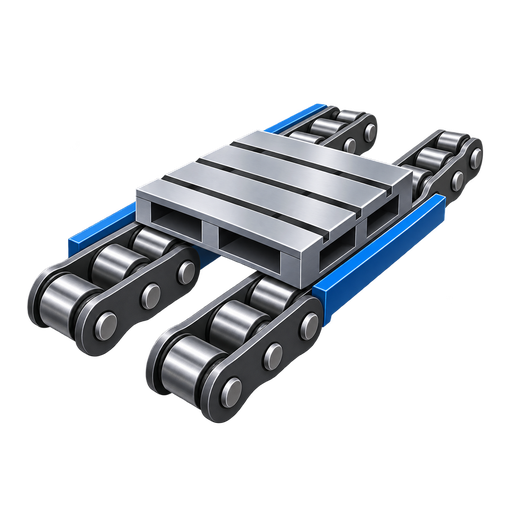
How do you calculate the required horsepower for a conveyor chain drive?
The calculation of required horsepower for a conveyor chain drive involves considering various factors related to the conveyor system and the specific application. Here is a step-by-step process:
1. Determine the Total Resistance:
– Calculate the total resistance that the conveyor chain needs to overcome during operation. This includes the resistance due to the load being conveyed, frictional losses, elevation changes, and any other resistances in the system.
2. Convert the Resistance to Equivalent Inertia:
– Convert the total resistance to an equivalent inertia by multiplying it by the square of the chain speed.
3. Calculate the Total Inertia:
– Determine the total inertia of the system by considering the inertia of all the rotating components, such as the conveyor chain, sprockets, and any other driven elements.
4. Determine the Required Torque:
– Calculate the required torque by multiplying the total inertia by the desired acceleration or deceleration rate.
5. Convert Torque to Horsepower:
– Convert the required torque to horsepower by dividing it by the motor speed (in RPM) and multiplying by a conversion factor.
6. Consider Safety Factors and Efficiency:
– Apply safety factors to the calculated horsepower to account for variations, contingencies, and future growth.
– Consider the efficiency of the drive system, including the motor, gearbox, and other transmission components, to ensure accurate power transmission.
It’s important to note that the above calculation method provides an estimate of the required horsepower. Consulting with conveyor system manufacturers, engineers, or industry-specific guidelines is recommended for precise calculations and to ensure the selected conveyor chain drive meets the application requirements.
Wat zijn de beste werkwijzen voor het opslaan en hanteren van transportkettingen?
Correcte opslag en behandeling van transportkettingen zijn essentieel om hun prestaties te behouden, schade te voorkomen en hun levensduur te verlengen. Hieronder volgen enkele goede praktijken om in overweging te nemen:
1. Schone en droge opslagruimte: Bewaar transportkettingen in een schone en droge omgeving om ophoping van vuil, stof, vocht of andere verontreinigingen te voorkomen die de prestaties kunnen beïnvloeden en corrosie kunnen veroorzaken.
2. Voldoende ondersteuning: Zorg ervoor dat de opgeslagen transportkettingen goed ondersteund worden om overmatige buiging of vervorming te voorkomen. Gebruik pallets, rekken of daarvoor bestemde opslagcontainers die het gewicht en de lengte van de kettingen kunnen dragen.
3. Vermijd extreme hitte of kou: Transportkettingen moeten worden opgeslagen in een ruimte met een gematigde temperatuur om extreme hitte of kou te vermijden die de materiaaleigenschappen of de smering van de kettingen kunnen beïnvloeden.
4. Bescherming tegen stoten en trillingen: Bescherm de opgeslagen kettingen tegen stoten of overmatige trillingen die schade of vervorming kunnen veroorzaken. Gebruik geschikte verpakkingen of hoezen om de kettingen te beschermen tegen mogelijke fysieke schade.
5. Smering: Breng vóór opslag een dunne laag geschikt smeermiddel aan op de kettingen om corrosie te voorkomen en een soepele werking te garanderen. Volg de aanbevelingen van de fabrikant met betrekking tot het type en de hoeveelheid smeermiddel.
6. Regelmatige inspecties: Inspecteer de opgeslagen transportkettingen periodiek om er zeker van te zijn dat er geen tekenen van beschadiging, corrosie of vervorming zijn. Als er problemen worden geconstateerd, neem dan passende maatregelen, zoals het reinigen, smeren of vervangen van de kettingen.
7. Correcte hanteringstechnieken: Gebruik bij het hanteren van transportkettingen de juiste hijsapparatuur of gereedschappen om overmatige belasting of buiging te voorkomen. Vermijd het slepen of laten vallen van de kettingen, aangezien dit schade kan veroorzaken aan de schakels of bevestigingen.
8. Training en bewustwording: Geef training aan personeel dat betrokken is bij het hanteren en opslaan van transportkettingen om ervoor te zorgen dat ze de juiste procedures en beste werkwijzen begrijpen. Bevorder het bewustzijn van het belang van zorgvuldig hanteren en opslaan om ongelukken te voorkomen en de integriteit van de ketting te behouden.
Door deze beste praktijken te volgen, kunt u de levensduur en betrouwbare werking van uw transportkettingen garanderen, waardoor het risico op stilstand en kostbare reparaties wordt verminderd.
How do you optimize the efficiency of a conveyor chain system?
To optimize the efficiency of a conveyor chain system, several factors should be considered and implemented:
1. System Design: Ensure that the conveyor system is properly designed to minimize energy losses, reduce friction, and optimize material flow. Consider factors such as conveyor length, incline/decline angles, and the number and placement of drive units to achieve efficient operation.
2. Chain Selection: Select the appropriate conveyor chain based on the specific application requirements, such as load capacity, speed, and environmental conditions. Consider factors like chain material, pitch, and strength to ensure optimal performance and longevity.
3. Lubrication: Proper lubrication of the conveyor chain is essential for reducing friction, wear, and power consumption. Choose the right lubricant for the application and regularly maintain the lubrication levels to ensure smooth chain operation.
4. Tensioning and Alignment: Regularly inspect and adjust the tension and alignment of the conveyor chain to prevent excessive slack or tightness. Proper tensioning and alignment help to minimize chain wear, reduce energy losses, and ensure consistent performance.
5. Preventive Maintenance: Implement a regular maintenance program to identify and address potential issues before they escalate. This includes cleaning the chain, inspecting sprockets and guides, replacing worn components, and checking for proper tension and alignment. A well-maintained system reduces downtime and extends the life of the chain.
6. System Monitoring: Utilize monitoring tools such as sensors, cameras, or automated systems to track the performance of the conveyor chain system. Monitoring can provide valuable data on chain tension, alignment, speed, and power consumption, allowing for timely adjustments and optimization.
7. Training and Operator Awareness: Train operators on best practices for operating and maintaining the conveyor chain system. Promote awareness of energy efficiency, proper handling, and safety protocols to ensure optimal system performance.
By considering these factors and implementing appropriate measures, the efficiency of a conveyor chain system can be optimized, leading to improved productivity, reduced energy consumption, and longer chain life.


editor by CX 2024-04-25