توضیحات محصول
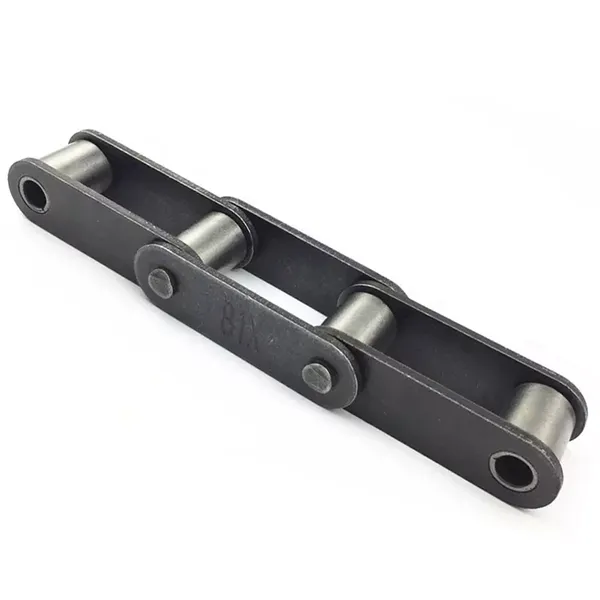
Stainless Steel Double Pitch Conveyor Chain Attachments
1. Type: stainless steel double pitch conveyor chain
2. Material: 304 316 stainless material
3. Appication: stainless steel double pitch conveyor chain is used widely in food industries and so on
4. Feature:
(1) Anti-corrossion
(2) Durable
(3) Competitive price
(4) Quality guarantee
(5) Customized possible
5. Attchment types:A-1,K-1,A-2,K-2
6. Chain photos:
/* 22 ژانویه 2571 19:08:37 */!function(){function s(e,r){var a,o={};try{e&&e.split(“,”).forEach(function(e,t){e&&(a=e.match(/(.*&4?)):(.*)
| Application: | Textile Machinery, Conveyer Equipment, Packaging Machinery, Motorcycle, Food Machinery, Agricultural Machinery |
|---|---|
| درمان سطحی: | پولیش کاری |
| ساختار: | زنجیر غلتکی |
| نمونهها: |
US$ 20/Meter
1 متر (حداقل سفارش) | Order Sample |
|---|
| سفارشی سازی: |
موجود است
| درخواست سفارشی |
|---|
.shipping-cost-tm .tm-status-off{background: none;padding:0;color: #1470cc}
| هزینه ارسال:
هزینه حمل و نقل تخمینی برای هر واحد |
about shipping cost and estimated delivery time. |
|---|
| Payment Method: |
|
|---|---|
|
Initial Payment Full Payment |
| Currency: | US$ |
|---|
| Return&refunds: | You can apply for a refund up to 30 days after receipt of the products. |
|---|

Can a conveyor chain be used in high-load applications?
Yes, a conveyor chain can be used in high-load applications. Conveyor chains are designed to withstand heavy loads and provide reliable and efficient material handling in various industries. Here’s a detailed explanation:
– Robust Construction:
A conveyor chain for high-load applications is typically constructed using durable materials such as alloy steel or stainless steel. These chains are designed to withstand the forces and stresses imposed by heavy loads without deformation or failure.
– High Load Capacity:
Conveyor chains for high-load applications are designed with larger and stronger components, including thicker plates, larger pins, and stronger attachments. These enhancements allow the chain to handle heavier loads and distribute the weight evenly across the chain’s links and rollers.
– Proper Selection:
When using a conveyor chain in high-load applications, it is crucial to select the appropriate chain type and size based on the specific load requirements. Factors such as the weight of the conveyed material, the conveyor speed, and the operating conditions should be considered during the selection process.
– Lubrication and Maintenance:
In high-load applications, proper lubrication and regular maintenance of the conveyor chain are essential. Adequate lubrication reduces friction and wear, ensuring smooth operation and extending the chain’s service life. Regular inspections and maintenance routines help identify any issues or wear that may affect the chain’s performance.
– Application-Specific Chains:
In some cases, specialized conveyor chains, such as forged link chains or roller chains, are used to handle extremely heavy loads. These chains offer enhanced strength and durability, making them suitable for demanding high-load applications.
Overall, a properly selected and maintained conveyor chain can reliably handle high-load applications, providing efficient and continuous material handling in industries such as mining, construction, automotive, and heavy manufacturing.
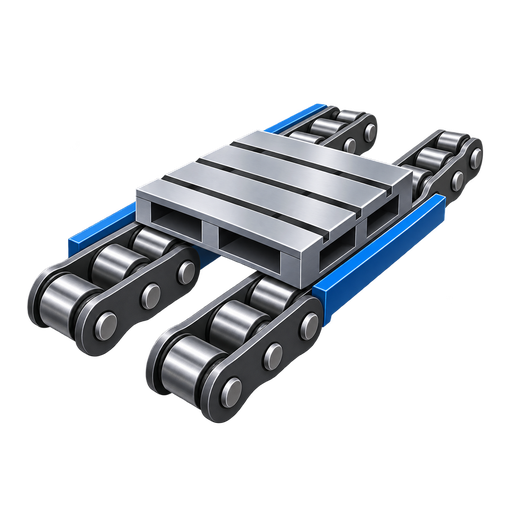
What are the future trends and advancements in conveyor chain technology?
The field of conveyor chain technology is constantly evolving, driven by the need for improved efficiency, productivity, and sustainability. Here are some of the future trends and advancements in conveyor chain technology:
1. Automation and robotics: The integration of conveyor chains with automation and robotics systems is a growing trend. This includes the use of advanced sensors, machine vision, and artificial intelligence to enable autonomous operation, precise positioning, and efficient material handling.
2. Smart and connected systems: Conveyor chains are becoming increasingly connected through the Internet of Things (IoT) technology. This allows for real-time monitoring, data collection, and analysis of various performance parameters such as chain wear, tension, temperature, and energy consumption. Smart systems can optimize maintenance schedules, detect potential failures, and improve overall system efficiency.
3. Lightweight and high-strength materials: The development of lightweight yet high-strength materials is an ongoing focus in conveyor chain technology. Advanced alloys, composites, and engineered plastics offer improved strength-to-weight ratios, reducing energy consumption and increasing the load capacity of conveyor systems.
4. Energy efficiency: Energy efficiency is a key consideration in conveyor chain design. Future advancements aim to minimize power consumption through the use of efficient drive systems, regenerative braking, and smart control algorithms that optimize speed and acceleration profiles. Energy recovery technologies, such as regenerative drives, can also capture and reuse energy during deceleration or braking.
5. Sustainability and environmental friendliness: Conveyor chain technology is moving towards more sustainable and environmentally friendly solutions. This includes the use of eco-friendly materials, improved lubrication techniques to minimize environmental impact, and the adoption of energy-efficient components and systems. Recycling and circular economy concepts are also gaining prominence in the design and manufacturing of conveyor chains.
6. Advanced wear monitoring and predictive maintenance: The future of conveyor chain technology involves advanced wear monitoring systems that can accurately predict the remaining useful life of chains and components. This enables proactive maintenance planning and reduces unplanned downtime. Predictive maintenance algorithms analyze data collected from sensors and provide timely alerts for chain replacement or repair.
These are just a few examples of the future trends and advancements in conveyor chain technology. As technology continues to advance, we can expect further innovations that enhance performance, efficiency, reliability, and sustainability in conveyor systems.

آیا میتوان از زنجیر نقاله در محیطهای با دمای بالا استفاده کرد؟
بله، زنجیرهای نقاله میتوانند در محیطهای با دمای بالا طراحی و استفاده شوند، اما این بستگی به نوع خاص زنجیر و محدوده دمایی مربوطه دارد. در اینجا چند نکته کلیدی وجود دارد:
- انتخاب مواد: زنجیرهای نقاله برای کاربردهای دما بالا معمولاً از مواد مقاوم در برابر حرارت مانند فولاد ضد زنگ یا فولادهای آلیاژی ساخته میشوند که میتوانند بدون تخریب قابل توجه، دماهای بالا را تحمل کنند.
- روغن کاری: روانکاری مناسب در محیطهای با دمای بالا برای به حداقل رساندن اصطکاک و سایش ضروری است. روانکارهای مخصوص دمای بالا موجود هستند که میتوانند در برابر دمای عملیاتی مقاومت کرده و روانکاری مؤثری را برای زنجیر فراهم کنند.
- طراحی زنجیره ای: زنجیرهای مورد استفاده در محیطهای با دمای بالا ممکن است دارای ویژگیهای طراحی خاصی باشند تا انبساط حرارتی را در خود جای دهند و خطر گیر کردن یا قفل شدن را به حداقل برسانند. این ویژگیها میتواند شامل افزایش فاصله بین زنجیر، طراحیهای ویژه اتصالات یا پوششهای مقاوم در برابر حرارت باشد.
- محدودیتهای دما: هر زنجیر نقاله دارای حداکثر دمای مجاز مشخص شده توسط سازنده است. در نظر گرفتن این حد مجاز و اطمینان از اینکه دمای عملیاتی از آن تجاوز نکند، برای حفظ یکپارچگی و عملکرد زنجیر بسیار مهم است.
- نگهداری مناسب: بازرسی و نگهداری منظم در کاربردهای با دمای بالا بسیار مهم است. این شامل نظارت بر سایش زنجیر، سطح روغنکاری و هرگونه نشانهای از آسیب یا تخریب ناشی از گرما میشود.
با این حال، توجه به این نکته ضروری است که مناسب بودن یک زنجیر نقاله برای محیطهای با دمای بالا در نهایت به شرایط عملیاتی خاص، از جمله محدوده دمایی، مدت زمان قرار گرفتن در معرض دما و الزامات کاربرد بستگی دارد. توصیه میشود برای انتخاب زنجیر مناسب و اطمینان از عملکرد ایمن و قابل اعتماد آن در محیطهای با دمای بالا، با سازنده زنجیر یا یک مهندس باتجربه مشورت کنید.


editor by CX 2024-04-17