製品説明
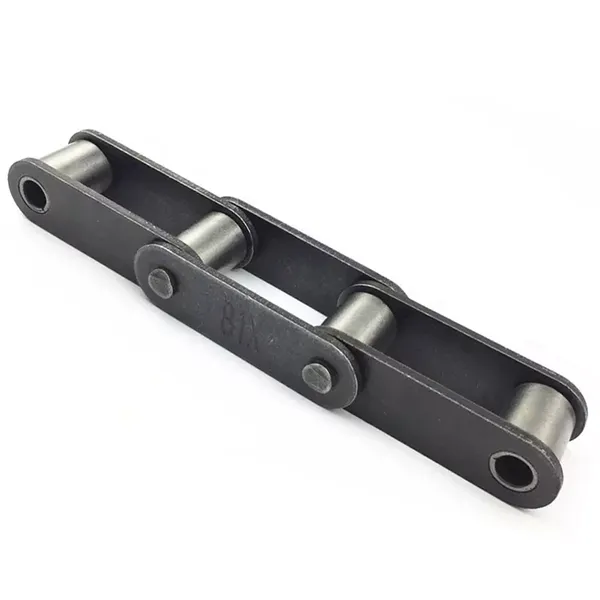
Stainless Steel Double Pitch Conveyor Chain Attachments
1. Type: stainless steel double pitch conveyor chain
2. Material: 304 316 stainless material
3. Appication: stainless steel double pitch conveyor chain is used widely in food industries and so on
4. Feature:
(1) Anti-corrossion
(2) Durable
(3) Competitive price
(4) Quality guarantee
(5) Customized possible
5. Attchment types:A-1,K-1,A-2,K-2
6. Chain photos:
/* 2571 年 1 月 22 日 19:08:37 */!function(){function s(e,r){var a,o={};try{e&&e.split(“,”).forEach(function(e,t){e&&(a=e.match(/(.*?):(.*)$/))&&1
| 応用: | Textile Machinery, Conveyer Equipment, Packaging Machinery, Motorcycle, Food Machinery, Agricultural Machinery |
|---|---|
| 表面処理: | 研磨 |
| 構造: | ローラーチェーン |
| サンプル: |
US$ 20/Meter
1メートル(最小注文単位) | サンプルを注文する |
|---|
| カスタマイズ: |
利用可能
| カスタマイズされたリクエスト |
|---|
.shipping-cost-tm .tm-status-off{background: none;padding:0;color: #1470cc}
| 送料:
単位当たりの推定運賃。 |
about shipping cost and estimated delivery time. |
|---|
| Payment Method: |
|
|---|---|
|
Initial Payment Full Payment |
| Currency: | US$ |
|---|
| Return&refunds: | You can apply for a refund up to 30 days after receipt of the products. |
|---|

Can a conveyor chain be used in high-load applications?
Yes, a conveyor chain can be used in high-load applications. Conveyor chains are designed to withstand heavy loads and provide reliable and efficient material handling in various industries. Here’s a detailed explanation:
– Robust Construction:
A conveyor chain for high-load applications is typically constructed using durable materials such as alloy steel or stainless steel. These chains are designed to withstand the forces and stresses imposed by heavy loads without deformation or failure.
– High Load Capacity:
Conveyor chains for high-load applications are designed with larger and stronger components, including thicker plates, larger pins, and stronger attachments. These enhancements allow the chain to handle heavier loads and distribute the weight evenly across the chain’s links and rollers.
– Proper Selection:
When using a conveyor chain in high-load applications, it is crucial to select the appropriate chain type and size based on the specific load requirements. Factors such as the weight of the conveyed material, the conveyor speed, and the operating conditions should be considered during the selection process.
– Lubrication and Maintenance:
In high-load applications, proper lubrication and regular maintenance of the conveyor chain are essential. Adequate lubrication reduces friction and wear, ensuring smooth operation and extending the chain’s service life. Regular inspections and maintenance routines help identify any issues or wear that may affect the chain’s performance.
– Application-Specific Chains:
In some cases, specialized conveyor chains, such as forged link chains or roller chains, are used to handle extremely heavy loads. These chains offer enhanced strength and durability, making them suitable for demanding high-load applications.
Overall, a properly selected and maintained conveyor chain can reliably handle high-load applications, providing efficient and continuous material handling in industries such as mining, construction, automotive, and heavy manufacturing.
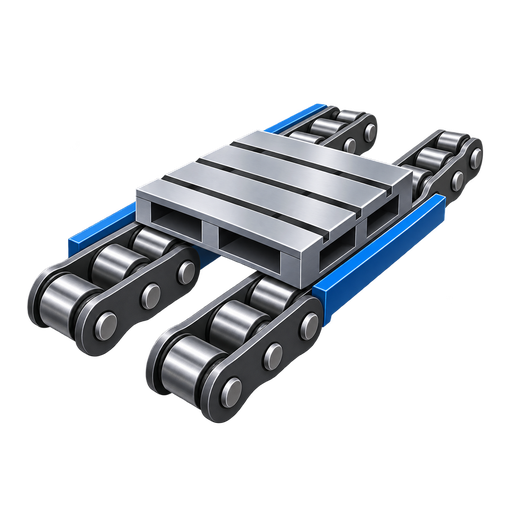
What are the future trends and advancements in conveyor chain technology?
The field of conveyor chain technology is constantly evolving, driven by the need for improved efficiency, productivity, and sustainability. Here are some of the future trends and advancements in conveyor chain technology:
1. Automation and robotics: The integration of conveyor chains with automation and robotics systems is a growing trend. This includes the use of advanced sensors, machine vision, and artificial intelligence to enable autonomous operation, precise positioning, and efficient material handling.
2. Smart and connected systems: Conveyor chains are becoming increasingly connected through the Internet of Things (IoT) technology. This allows for real-time monitoring, data collection, and analysis of various performance parameters such as chain wear, tension, temperature, and energy consumption. Smart systems can optimize maintenance schedules, detect potential failures, and improve overall system efficiency.
3. Lightweight and high-strength materials: The development of lightweight yet high-strength materials is an ongoing focus in conveyor chain technology. Advanced alloys, composites, and engineered plastics offer improved strength-to-weight ratios, reducing energy consumption and increasing the load capacity of conveyor systems.
4. Energy efficiency: Energy efficiency is a key consideration in conveyor chain design. Future advancements aim to minimize power consumption through the use of efficient drive systems, regenerative braking, and smart control algorithms that optimize speed and acceleration profiles. Energy recovery technologies, such as regenerative drives, can also capture and reuse energy during deceleration or braking.
5. Sustainability and environmental friendliness: Conveyor chain technology is moving towards more sustainable and environmentally friendly solutions. This includes the use of eco-friendly materials, improved lubrication techniques to minimize environmental impact, and the adoption of energy-efficient components and systems. Recycling and circular economy concepts are also gaining prominence in the design and manufacturing of conveyor chains.
6. Advanced wear monitoring and predictive maintenance: The future of conveyor chain technology involves advanced wear monitoring systems that can accurately predict the remaining useful life of chains and components. This enables proactive maintenance planning and reduces unplanned downtime. Predictive maintenance algorithms analyze data collected from sensors and provide timely alerts for chain replacement or repair.
These are just a few examples of the future trends and advancements in conveyor chain technology. As technology continues to advance, we can expect further innovations that enhance performance, efficiency, reliability, and sustainability in conveyor systems.

コンベアチェーンは高温環境で使用できますか?
はい、コンベヤチェーンは高温環境下でも設計・使用できますが、チェーンの種類と使用温度範囲によって異なります。以下に、重要な考慮事項をいくつか示します。
- 材料の選択: 高温用途向けのコンベヤチェーンは、一般的にステンレス鋼や合金鋼などの耐熱性材料で作られており、高温下でも著しい劣化なく耐えることができます。
- 潤滑: 高温環境下では、摩擦と摩耗を最小限に抑えるために適切な潤滑が不可欠です。高温に耐え、効果的なチェーン潤滑を提供する特殊な高温潤滑剤が市販されています。
- チェーンデザイン: 高温環境で使用されるチェーンは、熱膨張に対応し、固着や焼き付きのリスクを最小限に抑えるための特別な設計が施されている場合があります。これには、クリアランスの拡大、特殊なジョイント設計、耐熱コーティングなどが含まれます。
- 温度制限: 各コンベヤチェーンには、製造元によって定められた最高使用温度制限があります。チェーンの健全性と性能を維持するためには、この制限を考慮し、動作温度が制限を超えないようにすることが重要です。
- 適切なメンテナンス: 高温環境下での使用においては、定期的な点検とメンテナンスが不可欠です。これには、チェーンの摩耗状態、潤滑油レベル、および熱による損傷や劣化の兆候を監視することが含まれます。
ただし、コンベヤチェーンが高温環境に適しているかどうかは、最終的には温度範囲、暴露時間、用途要件などの具体的な運転条件によって決まることに留意することが重要です。適切なチェーンを選定し、高温環境下での安全かつ信頼性の高い運転を確保するためには、チェーンメーカーまたは経験豊富なエンジニアに相談することをお勧めします。


editor by CX 2024-04-17