Опис продукту
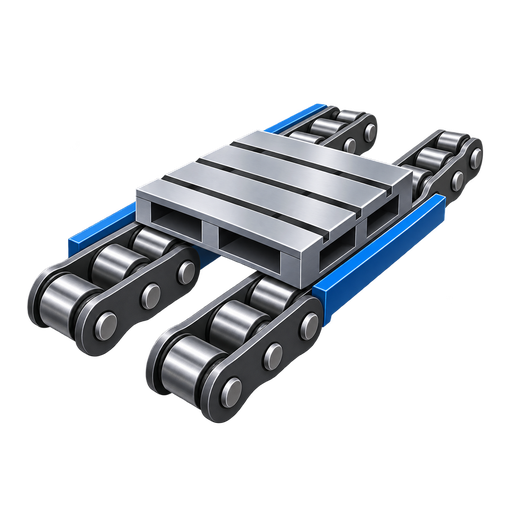
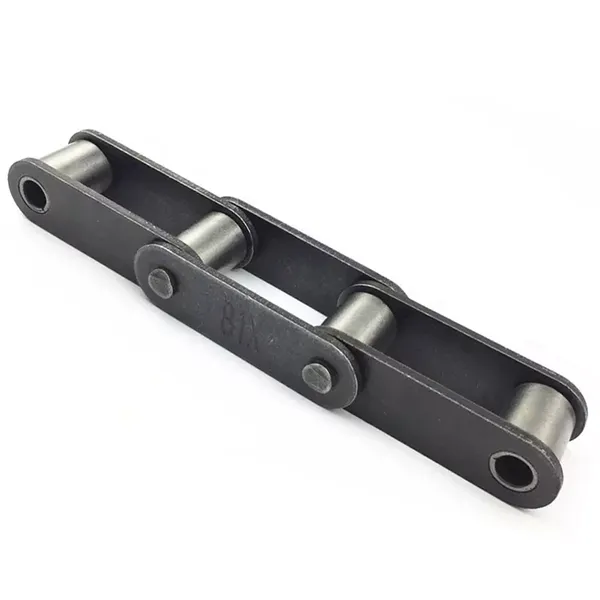
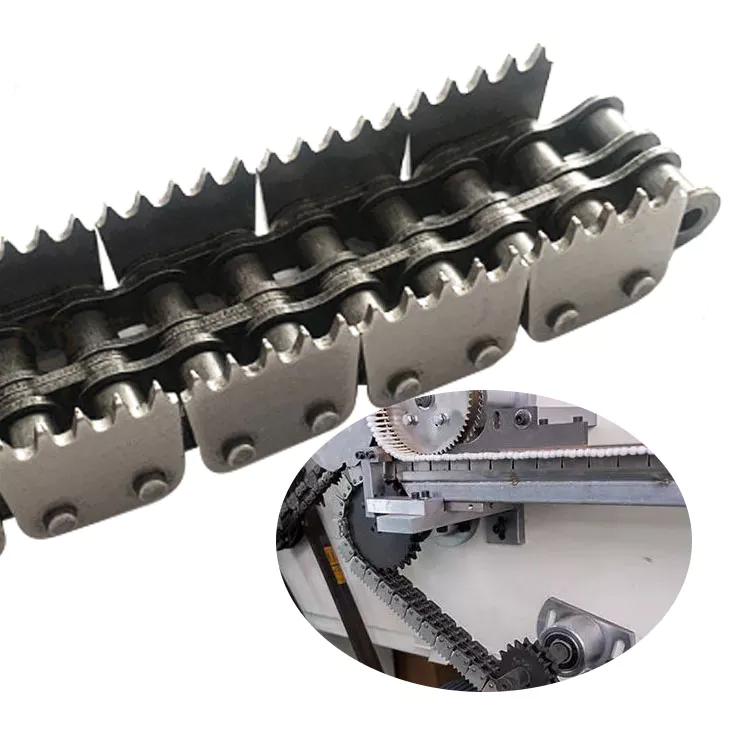
Конвеєрні ланцюги (серія M)
Номер ланцюга: M20, M28, M40, M56, M80, M112, M160, M224, M315, M450
Крок: від 40,0 мм до 200,0 мм
Для безкоштовних зразків
Оперативна доставка
Екологічний продукт
Міжнародні схвалення
Досвідчений персонал
Чому варто обрати нас?
1. HangZhou Xihu (Західне озеро) Dis.hua Chain Group Co., Ltd заснована в 1991 році, у нас є 5 дочірніх компаній у Китаї, а також 6 дочірніх компаній за кордоном;
2. Ми займаємо виробничу площу 200 100 квадратних метрів, маємо понад 1800 комплектів сучасного обладнання та понад 3100 висококваліфікованих співробітників, річна виробнича потужність перевищує 20 000 000 метрів;
3. Ми спеціалізуємося на виробництві всіх видів стандартних та спеціальних ланцюгів, таких як ланцюги серії A або B, приводні ланцюги, конвеєрні ланцюги, тягові ланцюги, сільськогосподарські ланцюги тощо;
4. Ми отримали сертифікати ISO9001, ISO14001, ISO16969, AAA та API.
Компанія спеціалізується на виробництві всіх видів стандартних та спеціальних ланцюгів, ланцюгів серії EG A або B, автомобільних ланцюгів, ланцюгів з нержавіючої сталі, ланцюгів для зернозбиральних комбайнів, важких колінчастих трансмісійних ланцюгів, ланцюгів для стереосистем та ланцюгів, що не потребують обслуговування, тощо.
В останні роки компанія інвестує капітал і залежить від удосконалення технологій, щоб пришвидшити розробку нових продуктів та технологічну реформу. Вона має намір виробляти високоміцні та прецизійні ланцюги, щоб задовольнити потреби внутрішнього та зарубіжного ринків. Ми додаємо наш каталог, який детально представляє нашу компанію та охоплює основні продукти, які ми постачаємо на даний момент. Ви також можете відвідати нашу онлайн-сторінку з інформацією про компанію, яка включає нашу найновішу лінійку продуктів.
Should any of these items be of interest to you, please let us know. We will be happy to give you a quotation CHINAMFG receipt of your detailed requirements.
We look CHINAMFG to receiving your enquires soon.
| Використання: | Ланцюг передачі |
|---|---|
| Матеріал: | Нержавіюча сталь |
| Обробка поверхні: | Полірування |
| Функція: | Термостійкий |
| Розмір ланцюга: | 1/2 дюйма * 11/128 дюйма |
| Структура: | Роликовий ланцюг |
| Налаштування: |
Доступно
| Індивідуальний запит |
|---|
Як конвеєрний ланцюг справляється з похилим або нахиленим транспортуванням?
Конвеєрний ланцюг призначений для обробки різних типів транспортування, включаючи похилі або нахилені застосування. Ось як конвеєрний ланцюг справляється з такими ситуаціями:
1. Похиле транспортування: Коли конвеєрна система потрібна для переміщення матеріалів вгору, використовується похилий конвеєрний ланцюг. Конструкція ланцюга включає спеціальні кріплення або шипи, які забезпечують додаткове зчеплення та запобігають ковзанню або зсуву матеріалу назад. Ці кріплення стратегічно розташовані вздовж ланцюга, щоб забезпечити ефективне транспортування на схилах.
2. Похилий транспорт: Для конвеєрів, які переміщують матеріали вниз по схилу, використовується похилий конвеєрний ланцюг. Подібно до похилого транспортування, ланцюг може мати спеціальні кріплення або затискачі, які допомагають контролювати швидкість і запобігають занадто швидкому ковзанню матеріалу. Ці кріплення утримують матеріал на місці та забезпечують контрольований та ефективний потік вниз.
Як похиле, так і похиле транспортування вимагають ретельного розгляду конструкції ланцюга, включаючи тип і розташування кріплень. Розмір, форма та вага транспортованого матеріалу також відіграють певну роль у визначенні відповідної конфігурації ланцюга. Важливо проконсультуватися з виробниками конвеєрних ланцюгів або експертами, щоб вибрати правильний ланцюг та кріплення для конкретних похилих або похилих застосувань.

How does a conveyor chain contribute to overall production efficiency?
A conveyor chain plays a crucial role in enhancing overall production efficiency in various industries. Here are the ways in which it contributes to efficiency:
1. Continuous Material Flow: A conveyor chain enables continuous and uninterrupted material flow from one point to another. It eliminates the need for manual handling or transportation of goods, reducing downtime and delays in production processes.
2. Increased Throughput: By automating material handling, a conveyor chain enables faster and more efficient movement of goods. It allows for higher throughput and production rates, maximizing the utilization of resources and reducing cycle times.
3. Improved Productivity: With a conveyor chain, employees can focus on value-added tasks rather than manual material handling. This leads to improved productivity as workers can concentrate on more skilled and critical operations.
4. Efficient Resource Allocation: A well-designed conveyor chain system optimizes the utilization of space, allowing for efficient layout and organization of production areas. It helps in streamlining workflow and minimizing wastage of resources such as floor space, manpower, and equipment.
5. Quality Control: Conveyor chains can be integrated with inspection stations or automated processes to ensure quality control at various stages of production. This helps in detecting and rectifying any defects or inconsistencies, reducing the chances of faulty products reaching the market.
6. Reduced Material Handling Costs: By eliminating or minimizing manual material handling, a conveyor chain reduces labor costs associated with transportation, lifting, and carrying of goods. It also minimizes the risk of injuries or accidents related to manual handling.
7. Flexibility and Adaptability: Conveyor chains can be customized to suit specific production requirements. They can be designed to accommodate different types of products, handle various load capacities, and adapt to changes in production demands. This flexibility allows for seamless integration with existing production systems and easy scalability.
8. Safety and Ergonomics: Conveyor chains incorporate safety features such as guards, emergency stop buttons, and interlocks to ensure worker safety. They also promote ergonomic practices by reducing physical strain on workers and minimizing the risk of musculoskeletal injuries.
Overall, a well-designed and properly maintained conveyor chain system enhances production efficiency by optimizing material flow, increasing throughput, improving productivity, reducing costs, ensuring quality control, and prioritizing worker safety.
How do you properly tension a conveyor chain?
Properly tensioning a conveyor chain is crucial for its smooth operation and to prevent issues like chain slipping or excessive wear. Here are the steps to properly tension a conveyor chain:
- Identify the Tensioning Points: Determine the locations where the conveyor chain can be tensioned. These are typically at the ends of the chain or at specific tensioning devices.
- Loosen the Tensioning Devices: If there are tensioning devices in place, such as adjustable bolts or tensioning screws, loosen them to allow for adjustment.
- Apply Tension: Apply tension to the conveyor chain by either manually pulling the chain or using a tensioning tool. The amount of tension required depends on the chain type and the manufacturer’s recommendations.
- Check the Tension: Use a tension gauge or other suitable method to measure the tension of the conveyor chain. The tension should fall within the specified range provided by the chain manufacturer.
- Adjust the Tension: If the tension is too loose or too tight, make adjustments accordingly. Tighten or loosen the tensioning devices until the desired tension is achieved.
- Secure the Tensioning Devices: Once the proper tension is achieved, securely tighten the tensioning devices to hold the chain in place.
- Verify the Tension: After tensioning the chain, perform a visual inspection and run the conveyor to ensure the chain runs smoothly without excessive slack or tightness. Make any further adjustments if necessary.
It’s important to refer to the specific guidelines provided by the conveyor chain manufacturer for proper tensioning instructions, as the exact method may vary depending on the chain type and design. Regularly check the tension of the conveyor chain and make adjustments as needed to maintain optimal performance.


editor by CX 2023-10-21