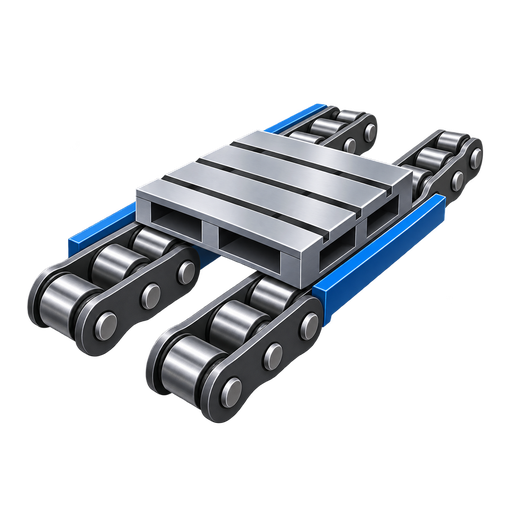
Side Roller Chains in Pallet Conveyor Systems
Practical engineering guide: Side Roller Chains in Pallet Conveyor Systems. Selection, interfaces, application checks, maintenance and RFQ inputs.
This guide focuses on how outboard rollers create a defined support or guidance interface against rails. It is written for machine builders, maintenance teams and buyers who need a chain selection that can be checked against drawings and the real conveyor rather than a generic product label.
Side Roller Chains in Pallet Conveyor Systems
Many conveyor problems begin when a correct catalogue component is installed into an interface that was never checked in detail. In a typical project such as a guided pallet line with rollers running along parallel rails, chain pitch, roller contact, rail alignment, sprocket engagement, carrier stiffness, stops and maintenance access all influence the result. A useful engineering review therefore combines model-level data with the operating sequence of the machine.
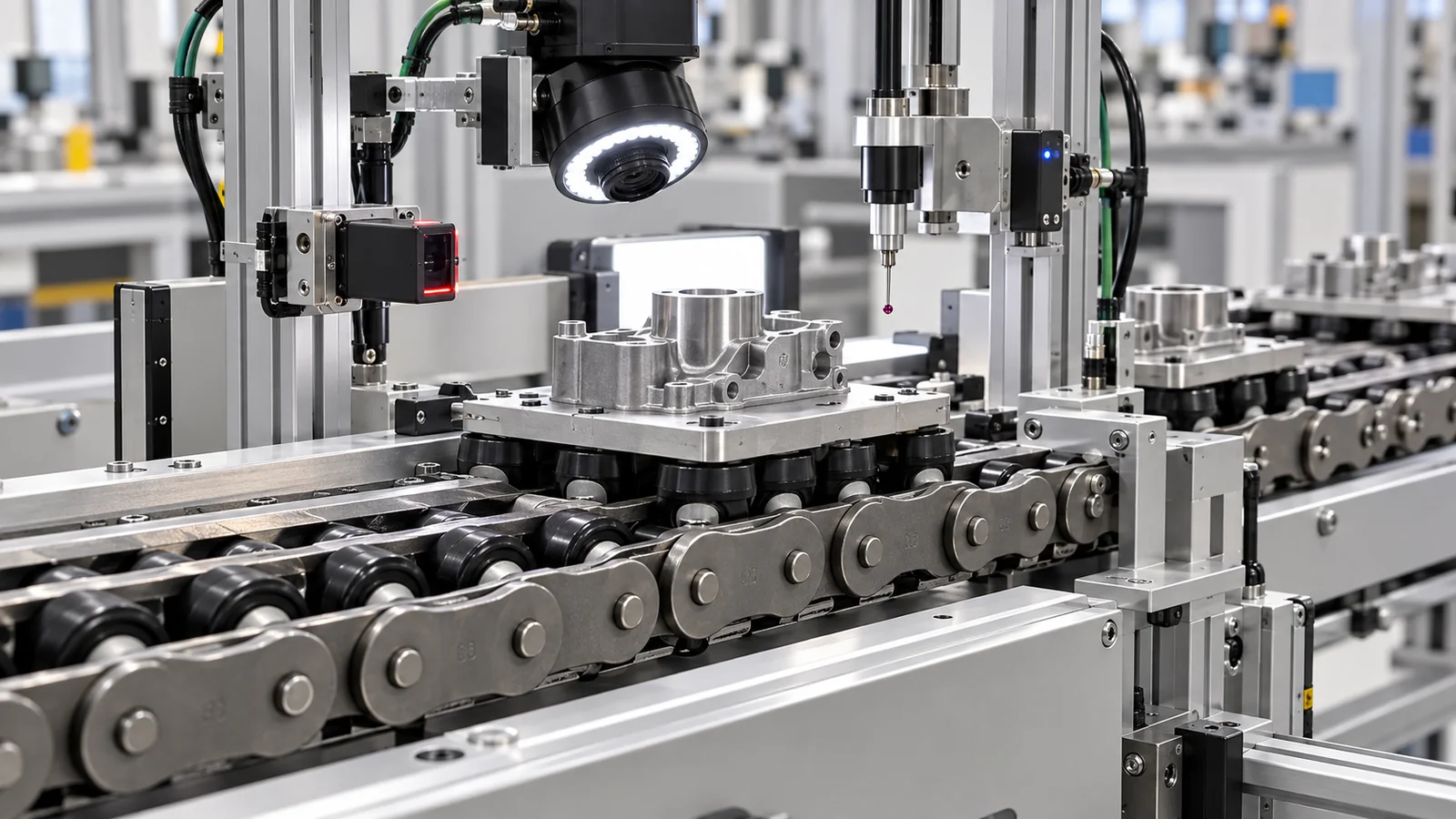
இந்தப் பிரச்சினை ஏன் முக்கியமானது
How outboard rollers create a defined support or guidance interface against rails affects more than catalogue selection. It changes how the workpiece carrier enters a station, how loads pass into guide rails, how the chain approaches the drive and how the system behaves during stopping or accumulation. If one interface is ignored, the symptom may appear somewhere else: a roller can wear because a rail joint is high, a chain can pull sideways because a pallet stop is offset, or a new chain can run badly because the old sprocket is worn.
The practical objective is not to eliminate every variation in the machine. It is to identify the variables that must be controlled, define which dimensions are fixed by the chain source, and leave unsupported items for explicit RFQ confirmation. This is also why assuming every side roller is designed for the same rail location is a risky shortcut. It replaces measurable machine data with an assumption and can make a correct-looking part fail at installation.
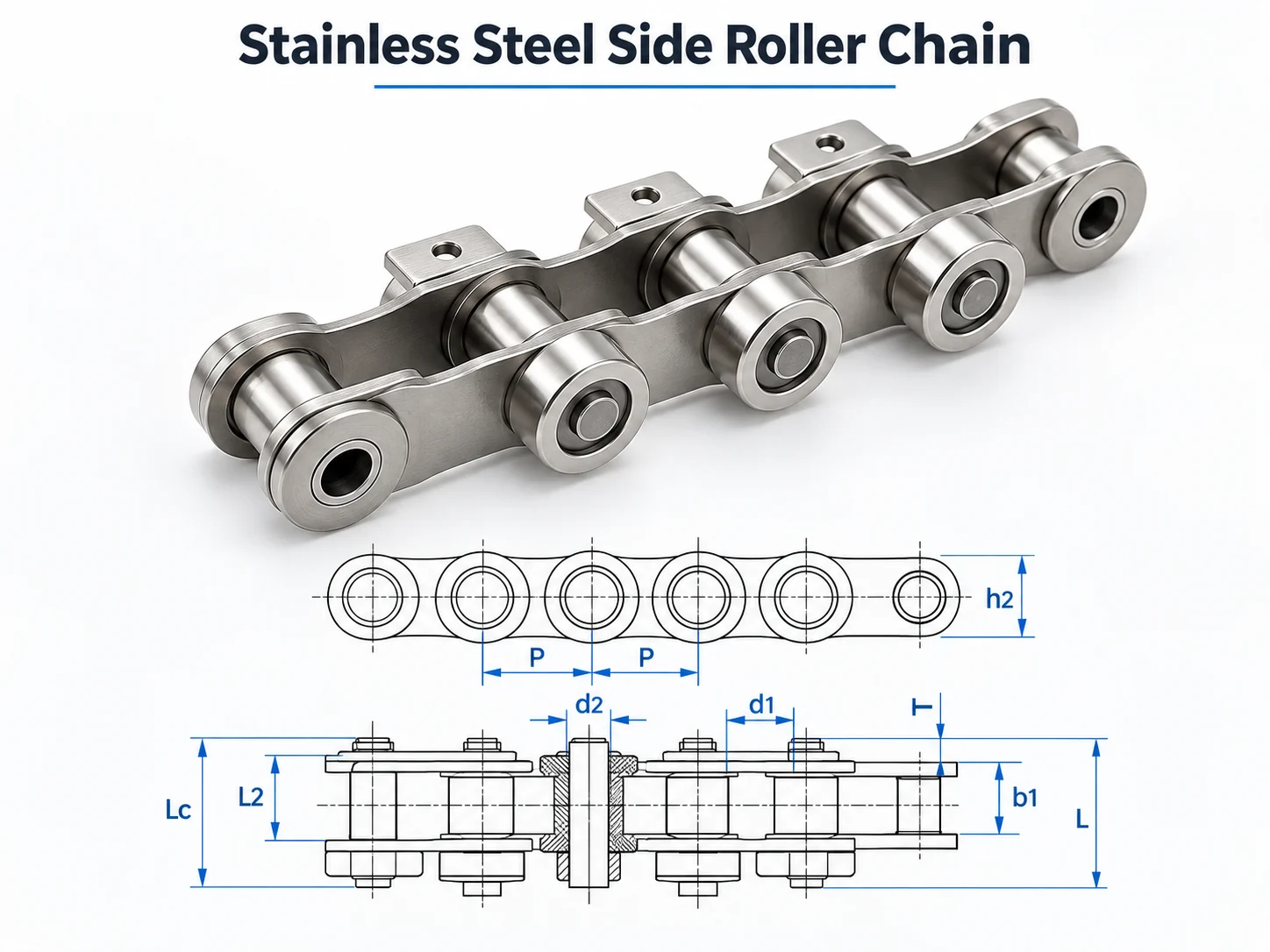
Side-roller chains are especially sensitive to the rail interface because the outboard roller position determines where support or guidance occurs. The rail should meet the intended roller surface without pushing the chain plates laterally. Keep standard-pitch, double-pitch, polymer-roller and stainless families distinct when their geometry differs; those boundaries should remain visible in the product structure.
முதலில் வரையறுக்க வேண்டிய நான்கு சோதனைகள்
Side-Roller Diameter
Record the relevant diameter, offset, contact surface, clearance and visible wear so the running interface can be checked.
Roller Offset
Record the relevant diameter, offset, contact surface, clearance and visible wear so the running interface can be checked.
Rail Width
Record the relevant diameter, offset, contact surface, clearance and visible wear so the running interface can be checked.
Lateral Clearance
கன்வேயரின் இந்தப் பகுதிக்குப் பொருந்தக்கூடிய அளவிடக்கூடிய நிலை, நிறுவப்பட்ட இடைமுகம் மற்றும் ஏற்புச் சரிபார்ப்பு ஆகியவற்றைக் குறிப்பிடவும்.
துல்லியமான சங்கிலி வடிவவியலுடன் தொடங்குங்கள்
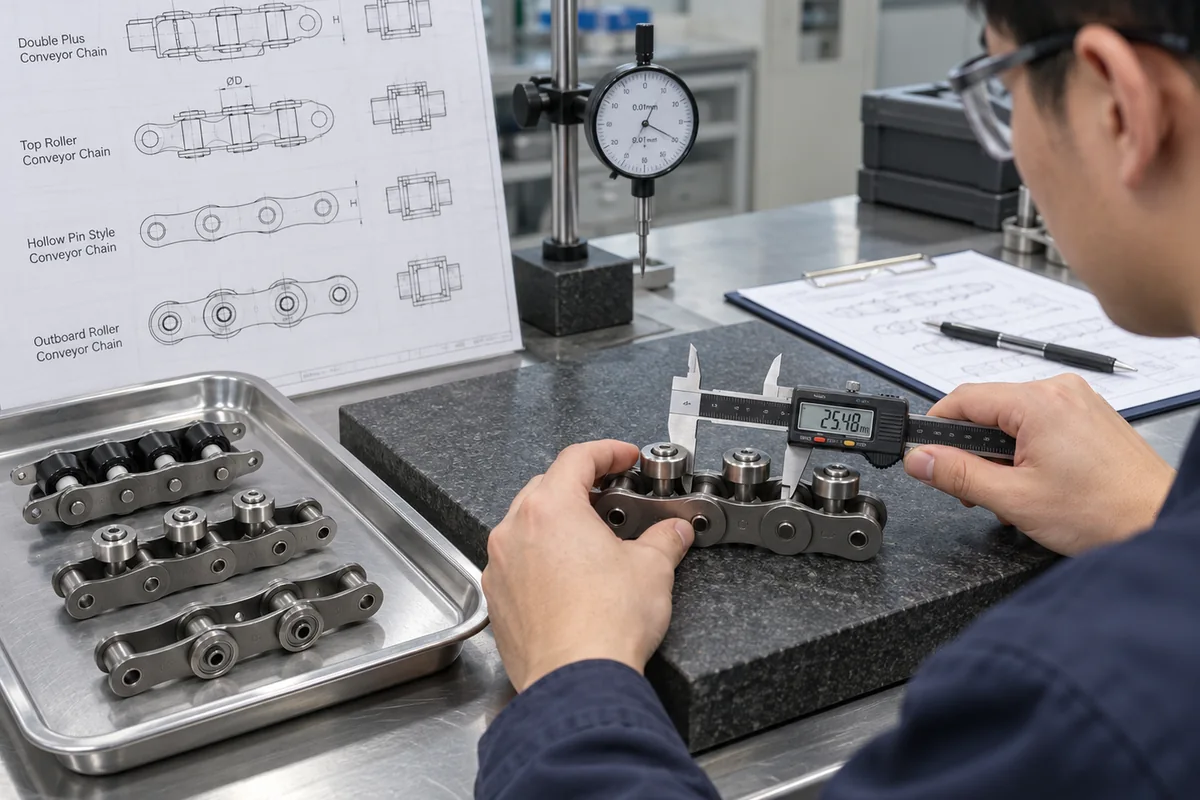
மாடல் எண் கிடைக்கும்போது, சரியான மாடல் விவரக்குறிப்பு மற்றும் அதனுடன் பொருந்தும் வரைபடத்தைப் பயன்படுத்தவும். பிட்ச், ரோலர் விட்டங்கள், உள் அகலம், பின் விட்டம் மற்றும் நீளம், பிளேட் உயரம் மற்றும் தடிமன், மற்றும் கன்வேயருடன் இணையும் ஏதேனும் பக்கவாட்டு ரோலர், பெரிய ரோலர் அல்லது உள்ளீடற்ற பின் ஆகியவற்றின் பரிமாணங்களை ஒப்பிட்டுப் பார்க்கவும். குறியீடு தெரியாதபோது, நிறுவப்பட்ட சங்கிலியை முறையாக அளவிடவும். தேய்ந்துபோன ஒற்றை இடைவெளியை அளவிடுவதை விட, பல பின்களுக்கு இடையே பிட்சை அளவிடுவது மிகவும் நம்பகமானது. மேலும், புகைப்படங்கள் பக்கவாட்டுத் தோற்றம், ரோலர் அமைப்பு, ஸ்ப்ராக்கெட் மற்றும் ரெயில் தொடர்பு ஆகியவற்றைக் காட்ட வேண்டும்.
இழுவிசை வலிமையை பேலட் பேலோடாகப் பயன்படுத்த வேண்டாம். பட்டியல் இழுவிசை எண்கள் என்பவை பொருள்/கூறு சோதனைப் பண்புகளாகும். கன்வேயரின் இயக்க நிலைமைகளில், லைன் நீளம், சங்கிலி இழைகளின் எண்ணிக்கை, கேரியர் எண்ணிக்கை, முடுக்கம், அதிர்ச்சி, உராய்வு, உயவு, ஸ்ப்ராக்கெட் அளவு, தேய்மான நிலை மற்றும் தேவையான பாதுகாப்பு காரணி ஆகியவையும் அடங்கும். அந்த நிலைமைகள் புரிந்து கொள்ளப்பட்ட பின்னரே ஒரு அமைப்புக்கான சங்கிலியைச் சரிபார்க்க முடியும்.
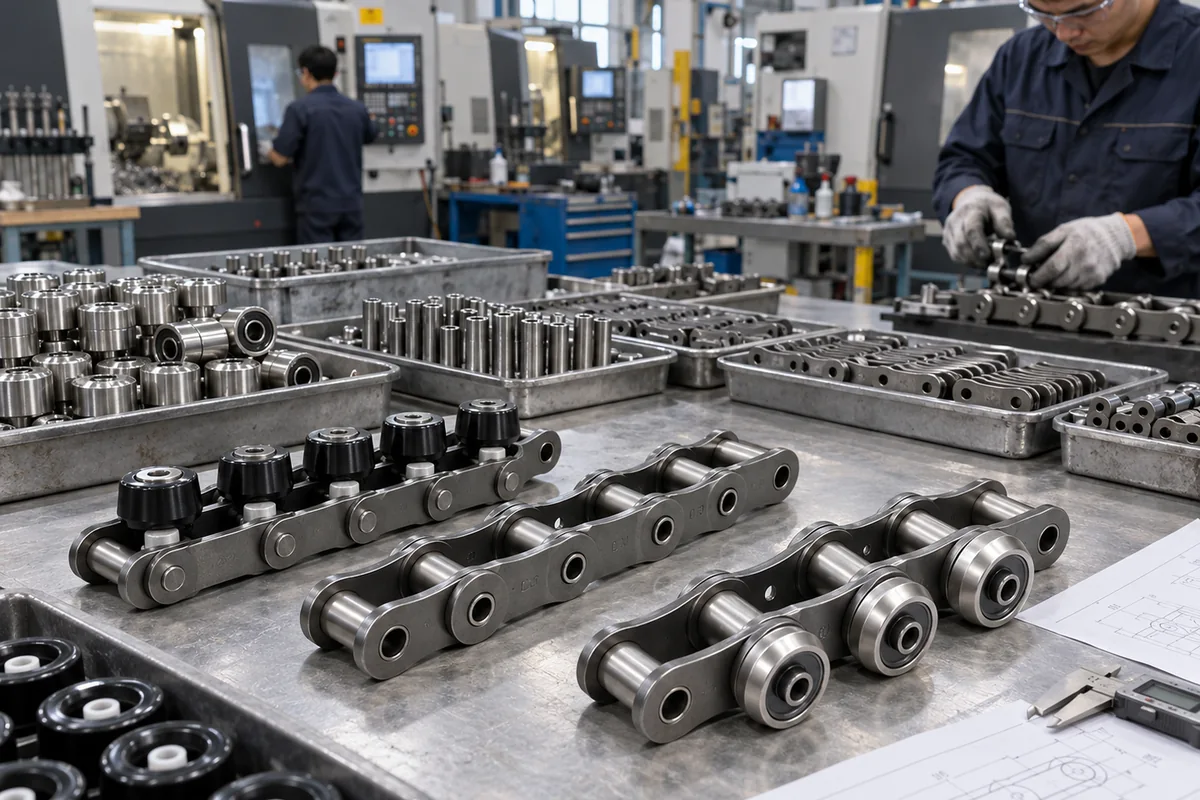
தேர்வு பணிப்பாய்வு
- Side-Roller Diameter: தேவையான நிபந்தனையைத் துல்லியமான சங்கிலி வரைபடம் அல்லது அமைப்பு தளவமைப்புடன் ஒப்பிட்டு, விலைக்கோப்பு உறுதிப்படுத்தலுக்கான (RFQ) விடுபட்ட சந்தேகங்களைப் பதிவு செய்யவும்.
- Roller Offset: தேவையான நிபந்தனையைத் துல்லியமான சங்கிலி வரைபடம் அல்லது அமைப்பு தளவமைப்புடன் ஒப்பிட்டு, விலைக்கோப்பு உறுதிப்படுத்தலுக்கான (RFQ) விடுபட்ட சந்தேகங்களைப் பதிவு செய்யவும்.
- Rail Width: தேவையான நிபந்தனையைத் துல்லியமான சங்கிலி வரைபடம் அல்லது அமைப்பு தளவமைப்புடன் ஒப்பிட்டு, விலைக்கோப்பு உறுதிப்படுத்தலுக்கான (RFQ) விடுபட்ட சந்தேகங்களைப் பதிவு செய்யவும்.
- Lateral Clearance: தேவையான நிபந்தனையைத் துல்லியமான சங்கிலி வரைபடம் அல்லது அமைப்பு தளவமைப்புடன் ஒப்பிட்டு, விலைக்கோப்பு உறுதிப்படுத்தலுக்கான (RFQ) விடுபட்ட சந்தேகங்களைப் பதிவு செய்யவும்.
- போக்குவரத்து மற்றும் கடமை: ஏற்றப்பட்ட கேரியர் நிறை, கேரியர்களின் எண்ணிக்கை, லைன் வேகம், ஒரு மணி நேரத்திற்கான தொடக்கங்கள், குவிப்பு முறை மற்றும் ஏதேனும் சாய்வு அல்லது செங்குத்து மாற்றம் ஆகியவற்றை பதிவு செய்யவும்.
- ஓட்டிச் சென்று திரும்புதல்: ஸ்ப்ராக்கெட் தரவு, ஷாஃப்ட் சீரமைப்பு, டேக்-அப் வரம்பு, ரிட்டர்ன் சப்போர்ட் மற்றும் லூப்ரிகேஷன் அணுகல் ஆகியவற்றை உறுதிப்படுத்தவும்.
- வெளியீட்டு நிபந்தனை: சிறப்புப் பொருள் தரம், பூச்சு, அனுமதிக்கப்பட்ட அமைப்புச் சுமை அல்லது சுற்றுச்சூழல் மதிப்பீடு போன்ற, தொழில்நுட்பத் தரவுகளில் குறிப்பிடப்படாத எந்தவொரு புலத்தையும் மதிப்பிடுவதற்குப் பதிலாக, RFQ உறுதிப்படுத்தல் இனமாகப் பட்டியலிடவும்.
அமைப்பு ஒருங்கிணைப்பு
சங்கிலி அடையாளம் காணப்பட்டவுடன், கன்வேயர் இயந்திரத்தின் மற்ற பகுதிகளுக்குச் சுமையை எவ்வாறு மாற்றுகிறது என்பதைச் சரிபார்க்கவும். வழிகாட்டி அல்லது தேய்மானப் பட்டை, உத்தேசிக்கப்பட்ட உருளை மேற்பரப்பைத் தாங்க வேண்டும் மற்றும் இணைப்புகள் வழியாகத் தொடர்ச்சியாக இருக்க வேண்டும். இணை இழைகள் குறிப்பிட்ட மையத் தூரத்தையும் ஒத்திசைக்கப்பட்ட இயக்க நேரத்தையும் கொண்டிருக்க வேண்டும். நிறுத்தங்கள், சங்கிலியின் பக்கத் தகட்டை அல்லாமல், வடிவமைக்கப்பட்ட தட்டு முகத்தைத் தொட வேண்டும். குறுக்கு இடமாற்றங்கள் மற்றும் தூக்குதல்களுக்குப் போதுமான ஆதரவு தேவை, அப்போதுதான் கேரியர் ஒரு இடைவெளியில் விழவோ அல்லது ஒரு முள்/தட்டின் விளிம்பில் இறங்கவோ செய்யாது.
பொருட்களைக் குவிக்கும் அமைப்புகளுக்கு, போக்குவரத்தை நிறுத்துவதிலிருந்து பிரிக்கவும். கேரியர் நிறுத்தப்பட்டிருக்கும்போது சங்கிலி தொடர்ந்து நகரலாம், ஆனால் நிறுத்தும் விசை, வரிசை நீளம், மறுதொடக்கம் செய்யும் முறை மற்றும் உள்ளூர் உராய்வு ஆகியவற்றை இன்னும் சரிபார்க்க வேண்டும். செயலாக்கத்திற்காக ஒரு பணிப்பொருளை நிலைநிறுத்தும் அமைப்புகளுக்கு, சாதாரண கன்வேயர் போக்குவரத்து வழங்கக்கூடியதை விடத் தேவையான மீண்டும் மீண்டும் செய்யும் துல்லியம் இறுக்கமாக இருக்கும்போது, பிரத்யேக இருப்பிட அம்சங்களைப் பயன்படுத்தவும்.
செயல்பாட்டுக்குக் கொண்டுவருதல் மற்றும் பராமரிப்பு
புதிய அல்லது பழுதுபார்க்கப்பட்ட கன்வேயரை முதலில் குறைந்த வேகத்தில் இயக்கவும். பல முழுமையான சங்கிலிச் சுற்றுகளை மெதுவாக இயக்கி, அதன் இயக்கம், திரும்புதல், தண்டவாள மாற்றங்கள், நிறுத்தங்கள் மற்றும் இடமாற்றங்களைக் கவனிக்கவும். சங்கிலியின் ஒவ்வொரு சுற்றுக்கும் அல்லது ஸ்ப்ராக்கெட்டின் ஒவ்வொரு சுழற்சிக்கும் ஒருமுறை மீண்டும் மீண்டும் வரும் ஒலிகளைக் கவனியுங்கள், ஏனெனில் அந்த வடிவங்கள் இறுக்கமான இணைப்பு, ரோலர் சேதம், தண்டவாளத்தின் குறிப்பிட்ட பகுதியில் ஏற்படும் ஏற்ற இறக்கம் அல்லது ஸ்ப்ராக்கெட் சிக்கலைக் கண்டறிய உதவுகின்றன. கடினமான வேலைப்பொருள் தட்டுகளில், இணையாக உள்ள இழைகளில் ஏற்படும் சாய்வைக் கவனியுங்கள்; சிறிய நேர வேறுபாடுகள் கூட கேரியரின் ஒரு பக்கத்தில் சுமையை ஏற்படுத்தக்கூடும்.
பராமரிப்பு என்பது ஒரு கோளாறுக்காகக் காத்திருப்பதை விடுத்து, அதன் போக்குகளைக் கண்காணிப்பதாக இருக்க வேண்டும். அங்கீகரிக்கப்பட்ட முறையைப் பயன்படுத்தி நீட்சி அல்லது நீளச் சோதனைகளைப் பதிவு செய்யவும்; உருளைகளின் தடையற்ற சுழற்சி மற்றும் அசாதாரணமான தட்டையான பகுதிகளை ஆய்வு செய்யவும்; சீரற்ற நிலையைக் குறிக்கும் மெருகூட்டப்பட்ட பக்கவாட்டுத் தொடர்பு அடையாளங்களைத் தேடவும்; பற்சக்கரப் பற்களை ஆய்வு செய்து, அதன் பிடிப்பு நிலையைச் சரிபார்க்கவும். மசகு எண்ணெய் இடும் இடைவெளிகள், இயக்கச் சூழலையும் சங்கிலி உற்பத்தியாளரின் வழிகாட்டுதலையும் பிரதிபலிக்க வேண்டும்; மசகு எண்ணெய் சிராய்ப்பு அசுத்தங்களை ஈர்த்தாலோ அல்லது ஒரு செயல்முறைப் பகுதிக்குள் நுழைந்தாலோ, அதிக மசகு எண்ணெய் இடுவது தானாகவே சிறந்ததாகிவிடாது.
RFQ சரிபார்ப்புப் பட்டியல்
மாற்று கோரிக்கைக்கு, மாடல் குறியீடு (தெளிவாகத் தெரிந்தால்), அளவிடப்பட்ட பிட்ச், ரோலர் அமைப்பு, சங்கிலி அகலம், தட்டு உயரம், பின் பரிமாணங்கள், பக்கவாட்டுத் தோற்றத்தின் புகைப்படம் மற்றும் ஸ்ப்ராக்கெட்/ரெயில் தொடர்பைக் காட்டும் புகைப்படம் ஆகியவற்றை அனுப்பவும். ஒரு புதிய அமைப்புக்கு, கன்வேயர் நீளம், கேரியர் அளவு மற்றும் ஏற்றப்பட்ட நிறை, இழைகளின் எண்ணிக்கை, இழை இடைவெளி, வேகம், தொடக்கங்கள்/நிறுத்தங்கள், பஃபர் நீளம், சுற்றுச்சூழல் நிலைமைகள் மற்றும் சேரும் நாடு ஆகியவற்றைச் சேர்க்கவும். இந்த விவரங்கள், ஒரு முழுமையான கன்வேயர்-பணி கணக்கீட்டிலிருந்து சங்கிலிப் பொருத்தத்தைப் பிரித்தெடுக்க உதவுகின்றன.
Make the side roller and rail one design interface
Side-roller chains carry or guide through an outboard roller whose diameter and offset must match the rail. Confirm the roller centerline, rail width, lateral clearance, strand spacing and return path.
An end-view photograph is especially valuable for replacement work because it shows the relationship between chain body, side roller and rail. At transfers, maintain support so the roller does not drop into a gap or strike a rail edge.
இடைமுகத்தை அளவிடவும்
ஏற்கனவே உள்ள இயந்திரத்தில் ஒரு மாற்றுப் பாகம் பொருந்த வேண்டியிருக்கும் போது, பல்வேறு சுழற்சி அளவுகள், இறுதித் தோற்ற வடிவியல் மற்றும் பற்சக்கரம்/தண்டவாள விவரங்களைப் பயன்படுத்தவும்.
கடமையை விவரிக்கவும்
ஏற்றப்பட்ட கேரியரின் நிறை, வேகம், தொடக்கங்கள், திரள் அல்லது குறியீட்டு நடத்தை மற்றும் இயக்கச் சூழல் ஆகியவற்றை உள்ளடக்கவும்.
மிக மோசமான சூழ்நிலையைச் சோதித்துப் பாருங்கள்
வெறும் சுமையற்ற பயணத்தை மட்டும் கொண்டிராமல், புகழ்பெற்ற போக்குவரத்து நிறுவனங்களுடனான ஒப்பந்தம் மற்றும் மிகவும் சவாலான வரிசை, நிறுத்தம், இடமாற்றம் அல்லது மீண்டும் தொடங்குதல் போன்ற நிலைமைகளையும் கருத்தில் கொள்ள வேண்டும்.
திறந்த பொருட்களை வெளிப்படையாக வைத்திருங்கள்
பொருள், பூச்சு, சிறப்பு சகிப்புத்தன்மை, ஆவணத் தேவை அல்லது அனுமதிக்கப்பட்ட அமைப்புச் சுமை ஆகியவை குறிப்பிடப்படவில்லை எனில், அதை விசாரணையில் உறுதிப்படுத்தவும்.
அடிக்கடி கேட்கப்படும் கேள்விகள்
பேச்சு வழியை மட்டும் வைத்து ஒரு மாற்று நபரைத் தேர்ந்தெடுக்க முடியுமா?
For side roller chains in pallet conveyor systems, pitch is only the first filter. Confirm roller geometry, inner width, pins, plates and any side-roller or hollow-pin features against the installed conveyor before treating two chains as interchangeable.
அதிக இழுவிசை மதிப்பு இருந்தால், அந்தச் சுமையை நான் பலகையில் வைத்துத் தூக்கிச் செல்ல முடியுமா?
For side roller chains in pallet conveyor systems, do not convert tensile strength directly into pallet payload. Service load depends on strand count, friction, acceleration, stop impact, sprockets, rails and the safety margin used for the machine.
ஒரு மாதிரி குடும்பப் புகைப்படம் சரியான மாடலை நிரூபிக்க முடியுமா?
இல்லை. ஒரு மாதிரி குடும்பப் படம் கட்டமைப்பை விளக்க உதவக்கூடும், ஆனால் மாடலின் அடையாளம் மற்றும் பரிமாணங்கள், அந்த மாடலுக்கென உள்ள தொழில்நுட்ப விவரக்குறிப்பு, வரைபடம் அல்லது உறுதிசெய்யப்பட்ட உற்பத்தித் தரவுகளிலிருந்துதான் பெறப்பட வேண்டும்.
எந்தத் தகவல் ஒரு விலைப்புள்ளியை விரைவுபடுத்துகிறது?
For an RFQ related to side roller chains in pallet conveyor systems, send the model code or dimensional sketch, clear photographs, conveyor layout, loaded carrier information, quantity and delivery country so the review starts from reproducible machine data.
Key engineering variables for Side Roller Chains in Pallet Conveyor Systems
Side rollers transfer support to external rails, so roller diameter, rail height and side loading need explicit checks. Record the operating case in one line: what the conveyor carries, how fast it moves, where it stops and what condition triggered the review. Capture dimensions and observations another engineer can reproduce.
| உள்ளீடு | என்ன பதிவு செய்ய வேண்டும் | அது ஏன் முக்கியம் |
|---|---|---|
| கேரியர்/சுமை | ஏற்றப்பட்ட நிறை, ஈர்ப்பு மையம், கீழ்ப்புறத் தொடர்பு மற்றும் கேரியர் எண்ணிக்கை | ஆதரவு, உராய்வு மற்றும் நிறுத்த நடத்தை |
| இயக்கம் | வேகம், தொடக்கங்கள், நிறுத்தங்கள், திரட்டல் மற்றும் குறியிடல் | மாறும் தேவை மற்றும் செயல்முறை நேரம் |
| சங்கிலி பாதை | பிட்ச், ரோலர்கள், இழை இடைவெளி மற்றும் தண்டவாளங்கள் | இயந்திரப் பொருத்தம் மற்றும் கண்காணிப்பு |
| ஓட்டுநர் | ஸ்ப்ராக்கெட் பற்கள், சீரமைப்பு, இழுவை மற்றும் இயக்க நிலை | ஈடுபாடு மற்றும் பதற்றப் பரவல் |
| சுற்றுச்சூழல் | வெப்பநிலை, தூசி, ஈரப்பதம், சுத்தம் செய்தல் மற்றும் உயவு வரம்புகள் | பொருள் மற்றும் பராமரிப்புத் தேர்வுகள் |
தொடர்புடைய தயாரிப்பு மற்றும் தேர்வு ஆதாரங்கள்
பயன்படுத்தவும் தட்டு கன்வேயர் சங்கிலி பட்டியல் குடும்பங்களையும் ஒப்பிட்டுப் பார்க்க பொறியியல் தேர்வு பணிப்பாய்வு இயந்திரத் தரவு முழுமையடையாதபோது.
What to include with an enquiry about Side Roller Chains in Pallet Conveyor Systems
நிறுவப்பட்ட அல்லது முன்மொழியப்பட்ட சங்கிலி வகை, அதன் எண்ணிக்கை, பயன்பாடு, தாங்கி/சுமை, முக்கிய பரிமாணங்கள் மற்றும் புதிய பாகம் தீர்க்க வேண்டிய இயக்க நிலை ஆகியவற்றை அடையாளம் காணவும். தற்போதுள்ள விதிமுறை நிச்சயமற்றதாக இருக்கும்போது புகைப்படங்கள் அல்லது வரைபடங்களை இணைக்கவும், மேலும் முடிக்கப்படாத பொருட்கள், ஆவணங்கள் அல்லது விநியோகத் தேவைகளைத் தெளிவாகத் தெரியும்படி வைக்கவும்.
Make the selection from interfaces, not from one catalogue dimension
A useful selection sequence starts with the carrier and rail, then moves to the chain and sprocket. Measure several pitches, identify the roller arrangement and compare plate height, pin dimensions and roller position against the drawing. Confirm the sprocket tooth count and bore and check whether the chain enters the rail smoothly after leaving the sprocket. For side-roller or hollow-pin designs, include the outboard rail or cross-rod interface in the same review. For Double Plus layouts, state the required conveying and accumulation behavior together with queue length and stop sequence. If any key dimension is unknown, leave it as an RFQ confirmation item instead of filling it from a neighboring model.
Geometry
Pitch over several joints, roller arrangement, pin/plate dimensions and strand spacing.
ஓட்டுநர்
Sprocket tooth count, bore, shaft alignment, take-up and chain entry/exit geometry.
Duty
Speed, starts per hour, maximum queue, carrier mass and environmental conditions.
Confirm the model
Compare the complete model drawing and list any unstated material, tolerance or application requirement in the enquiry.
Capture the special interface as well as the base chain
For Side Roller Chains in Pallet Conveyor Systems, the feature that differentiates the family must be measured directly. Side-roller chains need an end view showing roller diameter, offset and rail contact. Hollow-pin chains need pin-bore and cross-rod information, including rod span and retention. Material-specific versions also need the real operating environment stated separately from their dimensions. A nominal pitch or side photograph alone is not enough to confirm interchangeability.
Follow the special feature through the complete loop. Check rail joints, transfers, sprocket approach, return support and any location where a rod, roller or fastener could lose clearance. If two strands are connected by a carrier or cross rod, compare strand centers and take-up positions. For an RFQ, combine the exact geometry with loaded carrier information, speed, stop/queue behavior and any special material or documentation requirement; this keeps mechanical fit and application suitability visible as separate checks.
End view
Show roller offset, hollow-pin bore or attachment relationship to the chain body.
Clearance
Check rails, sprockets, return supports, guards and transfer gaps.
Load path
Identify how the carrier, fixture or cross rod transfers force.
Service condition
State environment, cleaning, lubrication and material/document requirements.
Photograph the chain from the end while it is on the rail
An end view should show the side-roller diameter, offset from the chain body and the rail surface beneath it. Add a ruler or dimensioned sketch for the rail width and height, and measure strand centers if the conveyor uses parallel chains. This view often distinguishes variants that look almost identical from the side.
Follow the side roller through joints and transfers at low speed. Look for edge impact, loss of support, plate rubbing or a roller that stops turning. Mark the location and check rail continuity before replacing the chain. If wear is concentrated on one side, compare rail level and carrier alignment on both strands.
For a replacement RFQ, include several-pitch measurement, side-roller geometry, sprocket tooth count/bore and photographs of the running interface. Keep standard-pitch, double-pitch, polymer-roller and stainless families separate unless the dimensions and application requirements are explicitly matched.