Product Description
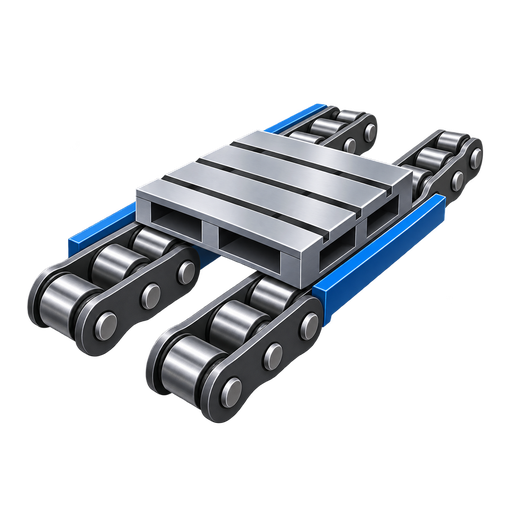
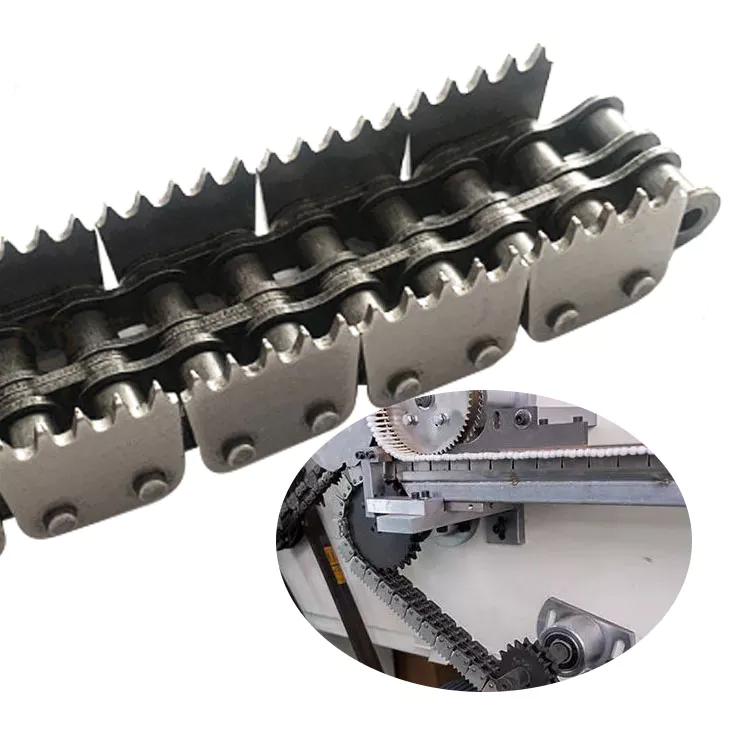
MC Series Hollow Pin Chains:
Carbon Steel and Stainless Steel Hollow Pin Chain for food handling conveyors. Products are available in ANSI standard series, double pitch series with standard rollers, and large rollers.
This chain has hollow pins so that the holes can be used to mount various pins and attachments.
| Product Name |
MC Series Hollow Pin Chains |
| Тип | MC28, MC56, MC112, MC224 |
| Colour | primary |
| Material | carbon steel, alloy steel,stainless steel |
| Customize | YES |
| OEM | YES |
| Surface Treatment | rust-preventative oil |
| Shipping Type | sea & air |
| Market | global |
| Payment Terms | T/T in advance |
| Packaging | carton,wooden case,pallet |
Main products:
Transmission Chains:
Standard Roller Chains/ Nickel-Plated Roller Chain/ Stainless Steel Roller Chain/ Bicycle Chain/ Motorcycle Chain/ Chains for Automotive Engines/ Leaf Chains/ Silent Chain.
Conveyor Chains:
Small Size Conveyor Chains/ Large Size Conveyor Chains/ Roller Conveyor Chain/ Hollow Pin Chain/ Drive Chain/ Steel Bushing Chain/ Welded Steel Mill Chain/ Welded Steel Drag Chain/ Barloop Chain/ Drop Forged Rivetless Chain/ Caterpiller Drive Chain/ Cast Combination Chain/ Cast Pintle Chain/ Double Flex Chain/ Specialty Chain/ Plastic Top Chain/ Snap Cover Chain.
Link Chains:
Grade 120 Alloy Chain/ Grade 100 Alloy chain/ Grade 80 Lifting Chain/ Grade 70 Transport Chain/ Grade 50 Stainless Steel Chain/ Grade 43 High Test Chain/ Grade 40 High Test chain/ Grade 30 Proof Coil Chain/ Double Loop Chain/ Single Jack Chain/ Twist Chain/ Register Chain/ Ball Chain/ Oval Link/ Square Chain.
Sprockets:
Single Type A Hub/ Single Type B Hub/ Single Type C Hub/ Single Type D Hub/ Double Strand Type B Hub/ Double Strand Type C Hub/ Hardened Teeth Type A/ Double Single Type A Sprocket/ Double Pitch Strand Type B Hub/ Large Roller Double Pitch Sprocket.
Gear & Rack:
Spur Gears/ Helical Gears/ Bevel Gear/ Hypoid Gears/ Worm Gear/ Internal Helical Gear/ Herringbone Gears/ Rack And Pinion Gears/ Sector Gear/ Internal Ring Gear/ Miter Gears/ Nylon Gear Rack.
Wire Mesh:
Woven Wire Mesh/ Plain Weave/ Twilled Weave/ Plain Dutch Weave/ Twilled Dutch Weave/ Reverse Plain Dutch Weave/ Reverse Twilled Dutch Weave/ Five Heddle Weave/ Super Mesh Weave/ Welded Wire Mesh/ Wire Mesh Belt.
Shackles:
Screw Pin Anchor Shackle/ Round Pin Anchor Shackle/ Bolt Type Safety Anchor Shackle/ Screw Pin Chain Shackle/ Round Pin Chain Shackle/ Bolt Type Safety Chain Shackle.
Hooks:
Clevis Sling Hook/ Clevis Grab Hook/ Eye Sling Hooks/ Eye Grab Hook/ Clevis Foundry Hooks.
Riggings:
Chain Hoists/ Wire Rope Clip/ Link/ Coupling Link/ Quick Link/ Snap Hooks/ Eye Bolt/ Turnbuckle/ Anchor Rod/ Swivels/ Cable Thimble.
Machinery Equipment:
Belt conveyors/ Scraper Conveyor/ Chain Conveyor/ Plate Conveyor/ Roller Conveyor/ Spiral Conveyor/ Elevator Conveyors/ Incline Conveyor/ Vegetable And Fruit Processing Machines/ Food Processing Machinery/ Dairy Processing Equipment/ Slaughtering Equipment/ Brewing Equipment/ Frozen Drink Machine.
Company information:
We are engaged in the import and export of Mechanical Hardware.
We have professional factory. Technology is strong in products of different specifications complete, has strong product development and manufacturing capacity.to provide all kinds of hardware tools products, specifications complete, variety, quality, reasonable price.
Our Advantages:
Our company has over 20 years’ experience producing high-quality hardware products.
The products are reliable and we can manufacture the products according to customers’ requirement.
We can also cooperate with customers to develop new products.
Our products have been certified by CE and ROHS, also can provide customized product Certificate.
We sincerely welcome domestic and foreign, new and old customers to carry on the cooperation and exchange with us, and establish a long-time cooperative relationship.
Company Name: HangZhou CHINAMFG Jin Hao International Trade Co., Ltd.
| Material: | Alloy |
|---|---|
| Structure: | Hollow Chain |
| Surface Treatment: | Oxygenation |
| Chain Size: | 1/2"*11/128" |
| Feature: | Oil Resistant |
| Chain No.: | Mc56 |
| Samples: |
US$ 10/Piece
1 Piece(Min.Order) | |
|---|
| Customization: |
Available
| Customized Request |
|---|
How do you calculate the maximum allowable tension in a conveyor chain?
The maximum allowable tension in a conveyor chain can be calculated using the following steps:
1. Determine the Chain Pitch:
– Measure the distance between the centers of two consecutive chain pins. This measurement is known as the chain pitch and is typically expressed in inches or millimeters.
2. Determine the Chain Speed:
– Determine the speed at which the conveyor chain will be operating. The chain speed is typically expressed in feet per minute or meters per second.
3. Calculate the Chain Pull:
– Determine the total weight or force that needs to be moved by the conveyor chain. This includes the weight of the conveyed material and any additional loads or forces acting on the chain.
4. Calculate the Required Tension:
– Use the following formula to calculate the required tension:
Tension = (Chain Pull × Chain Speed) / (Chain Pitch × Efficiency)
– The efficiency factor accounts for losses due to friction and other factors and is typically expressed as a decimal between 0 and 1.
5. Determine the Maximum Allowable Tension:
– The maximum allowable tension is determined by the manufacturer’s specifications for the conveyor chain. It is important to consult the manufacturer’s documentation or contact them directly to obtain the maximum allowable tension value.
6. Compare the Required Tension and Maximum Allowable Tension:
– Compare the calculated required tension with the maximum allowable tension. The required tension should be less than or equal to the maximum allowable tension to ensure safe and reliable operation of the conveyor chain.
By following these steps and considering the manufacturer’s specifications, you can accurately calculate the maximum allowable tension in a conveyor chain and ensure that it is within the safe operating limits.
How do you select the appropriate lubricant for a conveyor chain?
Selecting the right lubricant is crucial for maintaining the performance and longevity of a conveyor chain. Here are the key factors to consider when choosing a lubricant:
1. Chain Type and Material: Different conveyor chains may have specific requirements for lubrication based on their construction materials and design. Consult the manufacturer’s recommendations or specifications to determine the lubricant compatibility.
2. Operating Conditions: Consider the operating environment, such as temperature, humidity, and presence of contaminants. For high-temperature applications, choose a lubricant with a higher temperature tolerance. In wet or dusty environments, opt for lubricants that offer excellent resistance to water washout and provide effective protection against contaminants.
3. Load and Speed: Evaluate the load capacity and speed of the conveyor chain. Higher loads and speeds may require lubricants with better film strength and anti-wear properties to reduce friction and prevent premature wear.
4. Lubrication Method: Determine the lubrication method that will be used for the conveyor chain. Lubricants can be applied through drip systems, brushes, spray nozzles, or automatic lubrication systems. Consider the viscosity and consistency of the lubricant to ensure proper application and distribution.
5. Food-Grade Requirements: In food processing or pharmaceutical applications, where direct contact with the product may occur, it’s essential to use food-grade lubricants that meet industry regulations and requirements for safety and hygiene.
6. Maintenance Schedule: Consider the desired maintenance intervals and the lubricant’s longevity. Some lubricants may require more frequent reapplication, while others provide longer-lasting lubrication.
7. Compatibility with Other Materials: Take into account the compatibility of the lubricant with other materials in the conveyor system, such as seals, gaskets, and paints. Ensure that the lubricant does not cause any adverse effects on these components.
It is recommended to consult with lubricant manufacturers or industry experts to select the most suitable lubricant for your specific conveyor chain application. They can provide guidance based on their expertise and knowledge of lubricant formulations and performance characteristics.

Can a conveyor chain be used for vertical lifting applications?
Yes, conveyor chains can be used for vertical lifting applications in certain circumstances. However, several factors need to be considered to ensure safe and efficient vertical lifting with a conveyor chain.
1. Chain Type: Not all conveyor chains are suitable for vertical lifting. Specialized chain types, such as bucket elevator chains or vertical reciprocating conveyor chains, are designed specifically for vertical lifting applications.
2. Load Capacity: The conveyor chain selected for vertical lifting must have the appropriate load capacity to handle the weight of the load being lifted. It is crucial to consider both the static and dynamic loads during the lifting operation.
3. Speed and Acceleration: The speed and acceleration of the vertical lifting operation should be within the recommended limits of the conveyor chain to prevent excessive stress and potential failure.
4. Safety Mechanisms: Adequate safety mechanisms, such as overload protection devices or emergency stop systems, should be implemented to ensure the safety of the lifting operation.
5. Maintenance and Inspection: Regular maintenance and inspection of the conveyor chain are essential to identify any wear, fatigue, or damage that could compromise the lifting operation’s safety and reliability.
It is important to consult the manufacturer’s guidelines and recommendations when considering the use of a conveyor chain for vertical lifting applications. They can provide specific information regarding chain selection, installation, maintenance, and safety considerations for vertical lifting operations.


editor by CX 2023-11-20