Opis produktu
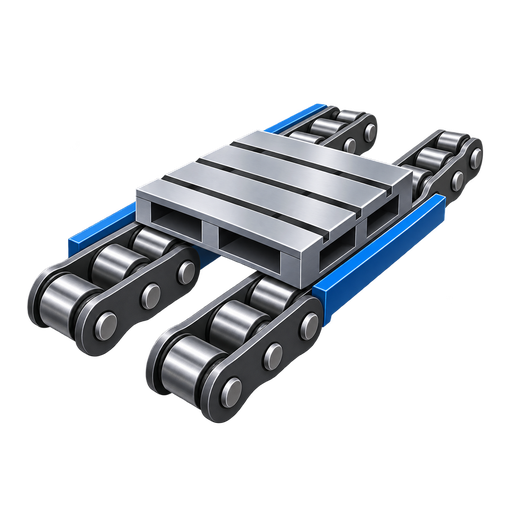
SGS Approved Conveyor Chain
A. Our Services
1. Any of your kind inquiry conveyor chain would be replied within 24 hours.
2. Well-trained and experienced sales staffs will reply all your concerns in fluent English.
3. OEM services are available with us, our professional designer would make your private idea into being.
4. Protection of your sales area, ideas of design and all your private information.
5. Delivery by air mail or ship for your orders.
6. With years of manufacture and promotion experience in global market, brings you profit and great success!
B. Conveyor Chain List
1. Double pitch precision roller chains and attachments for transmission and conveyors
ANSI 2040 ~ 2100,ANSI C2040 ~ C2100, ANSI C2042 ~ C2102,ANSI C2062H ~ C2102H,
Attachment: K1,KK1,M1(SK1),K2,KK2,M2(SK2) and so on
2. Hollow pin chains
40HP ~ 80HP, 08BHP ~ 16BHP, C2040HP ~ C2080HP, C2042HP ~ C2082HP
3. Lumber conveyor chains & attachments
81X, 81XH, 81XHH, 81XHS, 81XF1, 81XHF10
4. Stainless steel roller chains & attachments
35SS ~ 140SS, 06BSS ~ 32BSS
Attachment: WK1, WK2
5. Steel pintle chains
662, 667H, 667X, 667XH, 667XH, 667K, 667J, 88K, 88C
6. Special chains
40-1-1LTR ~ 100-1-1LTR, P19.05F50, P22.225F10, 16A-CGF1, C212AL-CGF1, C216AL-CGF1 and so on
C. Company show & Product process
D. Packaging & Certificate
| Packaging Details: | Chain+Plastic Bag+Neutral Box+Wooden case+Big Carton+Steel Pallets |
| Delivery Detail: | six weeks |
E. FAQ
1. Czy jesteś producentem czy firmą handlową?
We are a factory founded in 1991 with trade team for international service.
2. Jakie formy płatności zazwyczaj stosujesz?
Depozyt T/T 30% i 70% na podstawie dokumentu, Western Union, L/C na widok
3. what is your lead time for your goods?
Normally 45 days after confirmed order. 30 days could be available in low season for some items (during May to July), and 65 days during new year and hot season ( Jan to March).
4. Do you attend any Show?
We attend Hannover show in Germany, NMW in Austrilia, Canton fair, PTC, in China and many other special furniture shows.
5. Do you have any instant chat ?
/* March 10, 2571 17:59:20 */!function(){function s(e,r){var a,o={};try{e&&e.split(“,”).forEach(function(e,t){e&&(a=e.match(/(.*?):(.*)$/))&&1
| Stosowanie: | Łańcuch transmisyjny |
|---|---|
| Tworzywo: | Stal stopowa/węglowa |
| Obróbka powierzchni: | Oil Blooming |
| Funkcja: | Odporny na ciepło |
| Rozmiar łańcucha: | 1/2"*3/32" |
| Struktura: | Łańcuch rolkowy |
| Personalizacja: |
Dostępny
| Spersonalizowane żądanie |
|---|
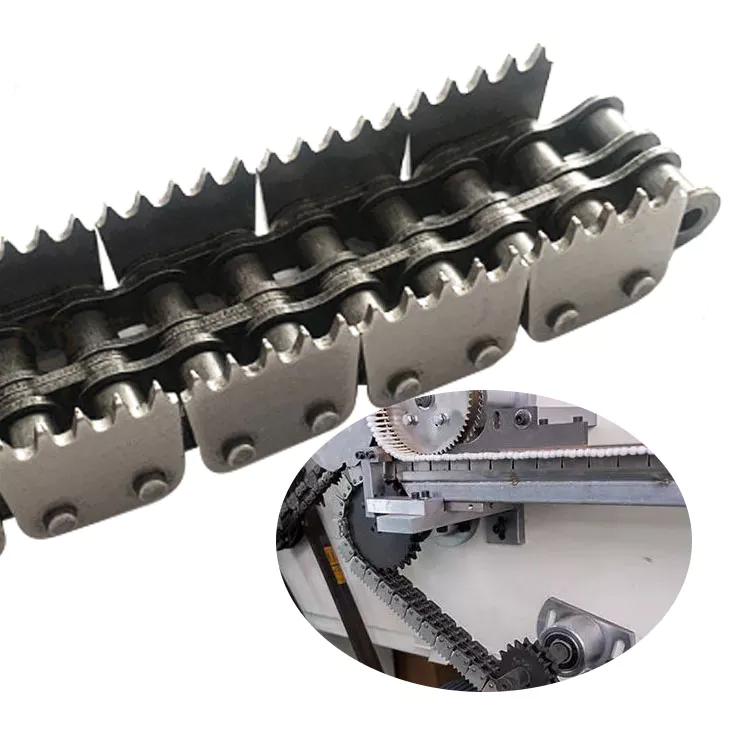
What are the benefits of using a silent conveyor chain?
A silent conveyor chain, also known as a noise-reducing conveyor chain, offers several advantages in conveyor system applications:
1. Noise Reduction:
– One of the primary benefits of using a silent conveyor chain is the significant reduction in noise levels. These chains are specifically designed to minimize the noise generated during operation, creating a quieter and more comfortable working environment.
2. Improved Work Environment:
– By reducing noise levels, a silent conveyor chain contributes to a better work environment, particularly in settings where noise reduction is important, such as manufacturing facilities, warehouses, and distribution centers. It helps reduce employee fatigue, enhances communication, and improves overall worker satisfaction.
3. Compliance with Noise Regulations:
– In some industries or regions, there are specific noise regulations that must be met. Using a silent conveyor chain helps ensure compliance with these regulations, avoiding potential penalties and legal issues.
4. Increased Productivity:
– A quieter working environment created by a silent conveyor chain can lead to increased productivity. With reduced noise distractions, employees can focus better on their tasks, resulting in improved efficiency and output.
5. Extended Chain and Equipment Life:
– Silent conveyor chains are often designed with advanced materials and technologies that offer enhanced wear resistance and durability. They can withstand heavy loads, reduce friction, and minimize wear and tear on both the chain and the associated equipment, resulting in longer service life and reduced maintenance costs.
6. Versatility:
– Silent conveyor chains are available in various configurations and designs, making them compatible with a wide range of conveyor systems and applications. They can be used in different industries, including automotive, food processing, packaging, and more.
When considering a silent conveyor chain, it is important to consult with a reputable chain manufacturer or supplier to ensure the chain meets the specific requirements of the application.
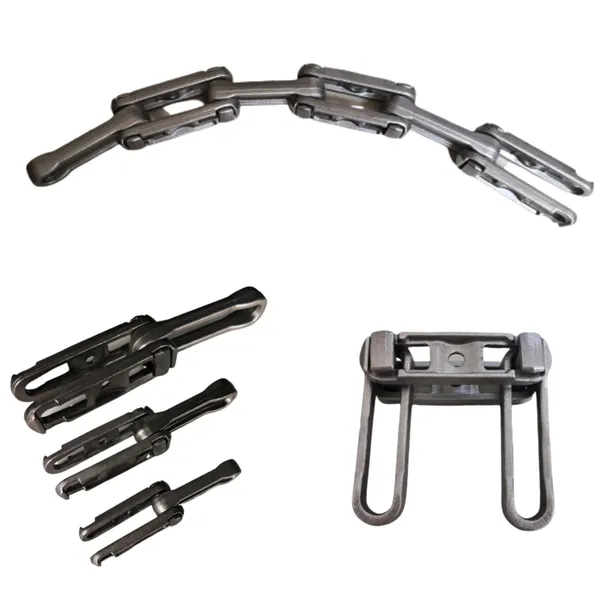
How does lubrication affect the performance of a conveyor chain?
Lubrication plays a crucial role in the performance and longevity of a conveyor chain. Proper lubrication helps to reduce friction, wear, and heat generation, ensuring smooth operation and minimizing the risk of premature failure. Here’s how lubrication affects the performance of a conveyor chain:
1. Friction Reduction: Lubrication forms a thin film between the chain components, reducing friction between metal surfaces. This reduces the energy required for operation, minimizes heat generation, and prevents excessive wear and tear.
2. Wear Prevention: Lubrication forms a protective layer on the chain components, preventing direct metal-to-metal contact. This helps to reduce wear and extend the service life of the chain.
3. Corrosion Protection: Lubricants often contain anti-corrosion additives that protect the chain from rust and oxidation. This is particularly important in environments with high humidity or exposure to corrosive substances.
4. Noise Reduction: Proper lubrication reduces the noise generated during chain operation by minimizing friction and metal-to-metal contact. This can contribute to a quieter and more comfortable working environment.
5. Temperature Control: Lubrication helps to dissipate heat generated during chain operation, preventing excessive temperature rise. This is crucial in high-speed or heavy-duty applications where heat can lead to accelerated wear and reduced chain performance.
6. Maintenance and Service Life: Regular lubrication and proper lubricant selection are essential for maintaining the chain’s performance and extending its service life. Adequate lubrication reduces the need for frequent maintenance, minimizes downtime, and lowers overall operating costs.
It’s important to follow the manufacturer’s recommendations for lubrication frequency and use the appropriate lubricant for the conveyor chain. Regular inspections and maintenance checks should also be conducted to ensure proper lubrication levels and address any issues promptly. Proper lubrication practices will enhance the performance, reliability, and durability of the conveyor chain system.
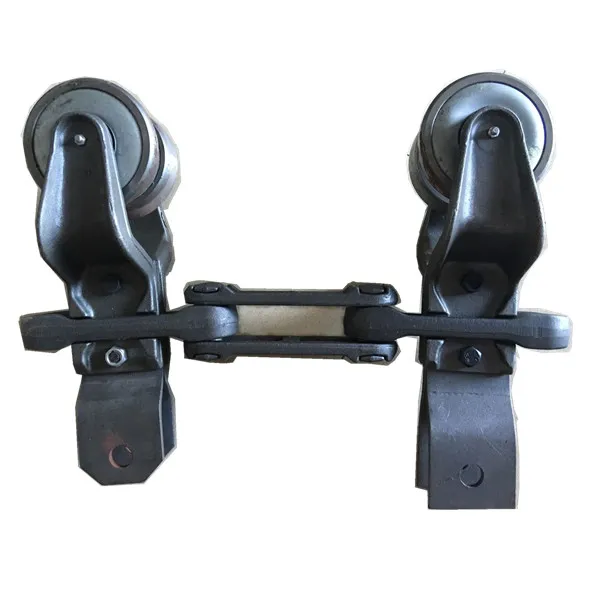
Jak zoptymalizować wydajność systemu przenośników łańcuchowych?
Aby zoptymalizować wydajność systemu przenośników łańcuchowych, należy wziąć pod uwagę i wdrożyć kilka czynników:
1. Projekt systemu: Upewnij się, że system przenośników jest prawidłowo zaprojektowany, aby zminimalizować straty energii, zmniejszyć tarcie i zoptymalizować przepływ materiału. Weź pod uwagę takie czynniki, jak długość przenośnika, kąty nachylenia/spadku oraz liczbę i rozmieszczenie jednostek napędowych, aby zapewnić wydajną pracę.
2. Wybór łańcucha: Wybierz odpowiedni łańcuch przenośnika w oparciu o wymagania konkretnego zastosowania, takie jak nośność, prędkość i warunki środowiskowe. Weź pod uwagę takie czynniki, jak materiał łańcucha, podziałka i wytrzymałość, aby zapewnić optymalną wydajność i trwałość.
3. Smarowanie: Prawidłowe smarowanie łańcucha przenośnika jest niezbędne do zmniejszenia tarcia, zużycia i zużycia energii. Wybierz odpowiedni środek smarny do danego zastosowania i regularnie utrzymuj poziom smarowania, aby zapewnić płynną pracę łańcucha.
4. Napinanie i wyrównanie: Regularnie sprawdzaj i reguluj napinanie i wyrównanie łańcucha przenośnika, aby zapobiec nadmiernemu luzowi lub naprężeniu. Prawidłowe napinanie i wyrównanie pomaga zminimalizować zużycie łańcucha, zmniejszyć straty energii i zapewnić stałą wydajność.
5. Konserwacja zapobiegawcza: Wdrażaj regularny program konserwacji, aby identyfikować i rozwiązywać potencjalne problemy, zanim się nasilą. Obejmuje on czyszczenie łańcucha, kontrolę zębatek i prowadnic, wymianę zużytych elementów oraz sprawdzanie prawidłowego naciągu i ustawienia. Dobrze utrzymany system skraca przestoje i wydłuża żywotność łańcucha.
6. Monitorowanie systemu: Wykorzystaj narzędzia monitorujące, takie jak czujniki, kamery lub systemy automatyczne, aby śledzić wydajność systemu łańcuchów przenośnikowych. Monitorowanie może dostarczyć cennych danych dotyczących napięcia łańcucha, jego ustawienia, prędkości i zużycia energii, umożliwiając terminową regulację i optymalizację.
7. Szkolenie i podnoszenie świadomości operatorów: Szkolenie operatorów w zakresie najlepszych praktyk obsługi i konserwacji systemu przenośników łańcuchowych. Promowanie świadomości w zakresie efektywności energetycznej, prawidłowej obsługi i protokołów bezpieczeństwa w celu zapewnienia optymalnej wydajności systemu.
Biorąc pod uwagę te czynniki i wdrażając odpowiednie środki, można zoptymalizować wydajność systemu łańcuchów przenośnikowych, co przekłada się na poprawę produktywności, zmniejszenie zużycia energii i dłuższą żywotność łańcucha.


editor by CX 2024-01-11