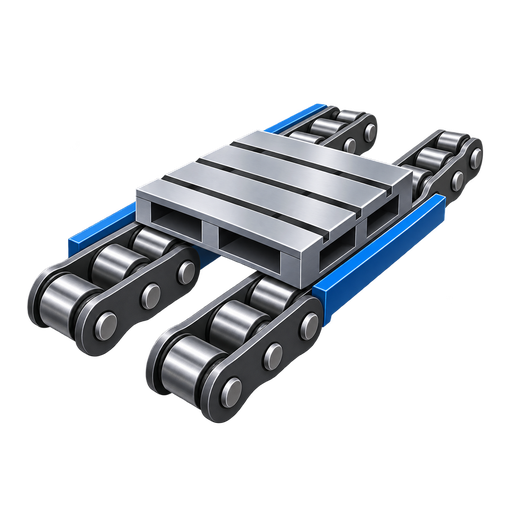
Opis produktu
Product Image
Chain usage method
Opis produktu
| Forged Alloy Steel Lifting Chaln | |
| Material | SteelG80AlloyAlloy Steellron.Stainless Steel.20Mn2Carbon,Carbon Steel.Metal,Ss304Alloy Steel Chain,Stell,Plastic25 Mnv.316 Stainless SteelManganese Steel |
| Finish | ZincGalvanizedPlainBlackenPolish,Painted,Oxidation,Plated,Zinc Plated,Hot Dip Galvanized,Electroplated,Powder Coating, Black Finish,Plating,Yellow Galvanized,Plastic Coated. |
| Model Number | G 100,G 80 Chain,En 818-2 6MmG 70.10MmG 43.Din 766.CHINAMFG Link Chain Din 763,G 3013 Mm,2 Mm,3 Mm,4 Mm,5 Mm,Nacm 96 |
| Specification | 6mm-32mm |
| W.L.L | 1ton-30+ton |
Parametry produktu
Company Profile
ZheJiang Xihu (West Lake) Dis. Metal Manufacturing Co, Ltd. is a large-scale production enterprise integrating production and sales. The
companywasestablished in 12 years.
t is an enterprise developed in the wave of China’s system reform and opening to the outsideworld
lt has core technologies and cultivated a skilled workforce.
The company’s development has been packaged first: Teng GaogiangRiggingFactory The main production and operation
of American-style shackles. Japanese-style shackles, American-stveshackles clis hook and loop slinas, U-shaped wires
nuts, bolts, wood grain wire expansion and other metal products The companyadheres to theservice tenet of integrity
based, service-orented, dident and enterprisina, and continuous development, and has
wonwidespreadpraise from customers.
Packaging & Shipping
Często zadawane pytania
| Stosowanie: | Transmission Chain, Drag Chain, Conveyor Chain, Dedicated Special Chain, Trailer Chain |
|---|---|
| Tworzywo: | Stal nierdzewna |
| Obróbka powierzchni: | Electroplating |
| Próbki: |
US$ 1/Piece
1 sztuka (minimalne zamówienie) | Order Sample Buyer pays for shipping
|
|---|
.shipping-cost-tm .tm-status-off{background: none;padding:0;color: #1470cc}
|
Shipping Cost:
Estimated freight per unit. |
about shipping cost and estimated delivery time. |
|---|
| Payment Method: |
|
|---|---|
|
Initial Payment Full Payment |
| Currency: | US$ |
|---|
| Return&refunds: | You can apply for a refund up to 30 days after receipt of the products. |
|---|
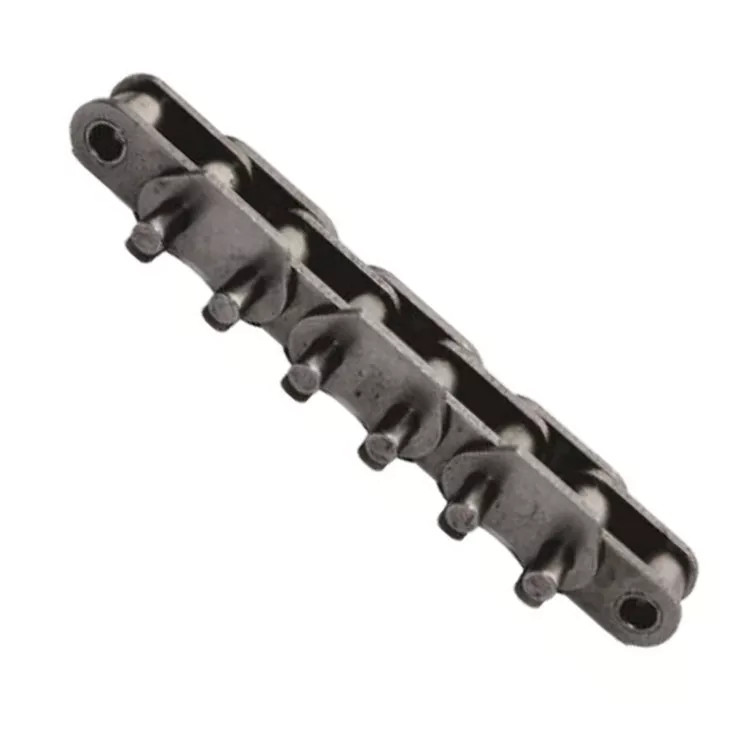
Jak łańcuch przenośnika wpływa na efektywność energetyczną systemu?
Łańcuch przenośnika odgrywa znaczącą rolę w efektywności energetycznej systemu przenośnikowego. Oto sposoby, w jakie wpływa on na efektywność energetyczną:
1. Zmniejszone zużycie energii:
– Dobrze zaprojektowany łańcuch przenośnika o niskim współczynniku tarcia może zminimalizować zużycie energii. Dzięki zmniejszeniu oporu tarcia między łańcuchem a elementami przenośnika, do przesuwania łańcucha i transportu materiałów wzdłuż systemu przenośnika potrzeba mniej energii.
2. Efektywne przenoszenie mocy:
– Konstrukcja i wykonanie łańcucha przenośnika przyczyniają się do efektywnego przenoszenia mocy. Łańcuchy o zoptymalizowanym skoku, średnicy rolki i profilu zęba zapewniają płynne i efektywne przenoszenie mocy, minimalizując straty energii podczas pracy.
3. Prawidłowe napinanie łańcucha:
– Utrzymanie prawidłowego naciągu łańcucha ma kluczowe znaczenie dla efektywności energetycznej. Odpowiednio napięty łańcuch zapewnia optymalny kontakt między łańcuchem a zębatkami, minimalizując poślizg i utratę mocy. Regularne kontrole i regulacja naciągu łańcucha pomagają zmaksymalizować efektywność energetyczną.
4. Wyrównanie i śledzenie:
– Prawidłowe ustawienie i prowadzenie łańcucha przenośnika ma kluczowe znaczenie dla efektywności energetycznej. Niewłaściwe ustawienie lub nieprawidłowe prowadzenie łańcucha może powodować zwiększone tarcie, co przekłada się na większe zużycie energii. Regularne monitorowanie i regulacja ustawienia łańcucha zapewniają płynną i wydajną pracę.
5. Regularna konserwacja:
– Rutynowa konserwacja łańcucha przenośnika, obejmująca smarowanie, czyszczenie i przeglądy, pomaga utrzymać optymalną wydajność i efektywność energetyczną. Odpowiednie smarowanie zmniejsza tarcie i zużycie, minimalizując straty mocy i wydłużając żywotność łańcucha.
6. Optymalizacja projektu systemu:
– Uwzględnienie efektywności energetycznej na etapie projektowania systemu przenośników może znacząco wpłynąć na jego ogólną wydajność. Właściwy dobór komponentów łańcucha przenośnika, takich jak materiały o niskim współczynniku tarcia i wydajne układy napędowe, może pomóc zminimalizować zużycie energii i poprawić efektywność energetyczną systemu.
Stosując te praktyki i wykorzystując energooszczędne technologie łańcuchów przenośnikowych, przedsiębiorstwa mogą obniżyć koszty energii, zminimalizować wpływ na środowisko i zwiększyć ogólną zrównoważoność swoich działań.
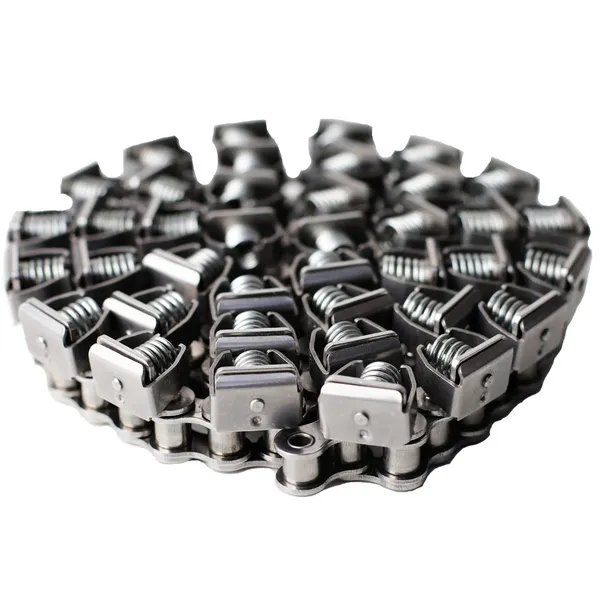
How do you calculate the power requirements for a conveyor chain?
Calculating the power requirements for a conveyor chain involves considering various factors. Here’s a step-by-step process:
1. Determine the total weight to be transported: Measure or estimate the total weight of the material or product that will be carried by the conveyor chain. This includes the weight of the product itself, any packaging, and additional loads.
2. Determine the speed of the conveyor: Determine the desired speed at which the conveyor chain will operate. This is typically measured in feet per minute (FPM) or meters per second (m/s).
3. Calculate the required capacity: Multiply the total weight by the desired speed to determine the required capacity of the conveyor system. This will give you the weight per unit of time (e.g., pounds per minute or kilograms per hour).
4. Consider the conveyor’s design factors: Take into account various design factors such as the type and pitch of the conveyor chain, the coefficient of friction between the chain and the conveyor components, and any incline or decline angles of the conveyor system. These factors affect the power requirements.
5. Determine the required power: Use the following formula to calculate the power requirements:
Power (in horsepower) = (Capacity × Friction Factor) ÷ (33,000 × Efficiency)
Where:
– Capacity is the weight per unit of time (from step 3)
– Friction Factor is the ratio of chain tension to chain weight, taking into account the design factors
– 33,000 is a conversion factor to convert the units to horsepower
– Efficiency is the overall efficiency of the conveyor system, typically expressed as a decimal value (e.g., 0.95 for 95% efficiency)
6. Select a suitable motor: Based on the calculated power requirements, select a motor that can provide the necessary power to drive the conveyor chain. Consider factors such as motor type, motor efficiency, and overload capacity.
It’s important to note that the power requirements may vary depending on specific conveyor system designs and operating conditions. Consulting with a qualified engineer or conveyor manufacturer is recommended to ensure accurate calculations and proper motor selection.

What are the cost considerations when purchasing a conveyor chain?
When purchasing a conveyor chain, there are several cost considerations that need to be taken into account to ensure an optimal investment and operational efficiency.
1. Initial Cost: The initial cost of the conveyor chain includes the cost of the chain itself, as well as any additional components such as sprockets, attachments, and connecting links. It is important to compare prices from different suppliers and evaluate the overall value for the money.
2. Maintenance and Repair Costs: Consider the long-term maintenance and repair costs associated with the conveyor chain. Some chains may require more frequent lubrication or replacement of components, which can add to the overall operating expenses.
3. Service Life: The service life of the conveyor chain is an essential factor in determining its cost-effectiveness. Chains with longer service life may have a higher initial cost but can result in lower replacement and downtime costs in the long run.
4. Energy Efficiency: Energy consumption is an ongoing cost to consider. Conveyor chains that offer lower friction and efficient power transmission can contribute to energy savings and reduce operating expenses.
5. Maintenance Ease: Consider the ease of maintenance when selecting a conveyor chain. Chains that are easier to clean, inspect, and maintain can reduce labor costs and increase operational efficiency.
6. Compatibility and Integration: Ensure that the selected conveyor chain is compatible with the existing conveyor system or equipment. Retrofitting or modifying the system to accommodate a specific chain may incur additional costs.
7. Supplier Support and Warranty: Evaluate the level of technical support provided by the supplier and the warranty coverage offered for the conveyor chain. This can impact the overall cost of ownership and provide peace of mind in case of any unforeseen issues.
It is important to consider these factors holistically and make a cost-benefit analysis based on the specific requirements of the application. Choosing a conveyor chain that aligns with the budget, performance needs, and long-term cost considerations will help optimize the investment and ensure efficient material handling operations.


editor by CX 2023-10-26