Produktbeskrivelse
Produktbeskrivelse
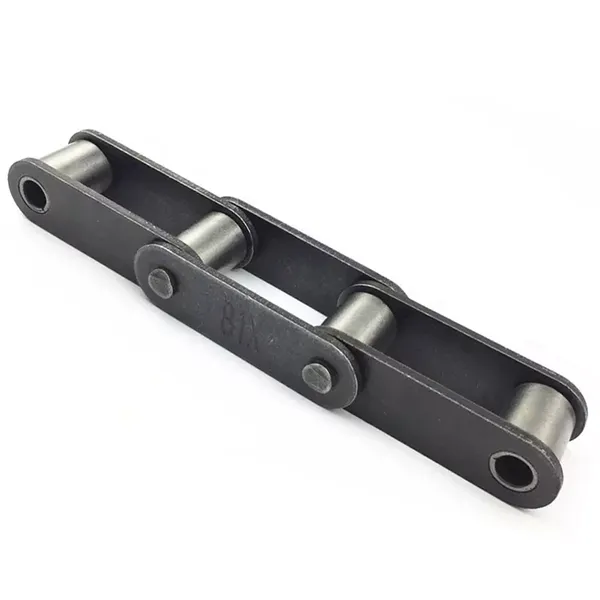
Hollow Pin Conveyor Chains (MC Series)
Chain No.: MC28, MC56, MC112, MC224
Pitch: 63.0 to 160.0 mm
For gratis vareprøver
Rask levering
Grønt produkt
Internasjonale godkjenninger
Erfarne ansatte
Detailed Photos
Produktparametere
We look CHINAMFG to receiving your enquires soon.
Conveyor chain is used for conveyor products from 1 place to another place e. X for the lumber, we supply good quality Conveyor chain, such as: 81X, 81XH, 81XHH, 81XHS, 500R and so on, if you have special demand we also could develop it for you.
Our Advantages
Hvorfor velge oss?
1. HangZhou CHINAMFG Chain Group Co., Ltd established in 1991, we have 5 subsidiaries in China and also have 6 subsidiaries abroad;
2. Vi dekker et produksjonsområde på 200.100 kvadratmeter, har mer enn 1800 sett med avansert utstyr og over 3100 høyt kvalifiserte ansatte, den årlige produksjonskapasiteten har oversteget 20 000 000 meter;
3. Vi har spesialisert oss på å produsere alle typer standardkjeder og spesialkjeder, som A- eller B-seriekjeder, drivkjeder, transportkjeder, slepekjeder, landbrukskjeder og så videre;
4. Vi har fått ISO9001-, ISO14001-, ISO16969-, AAA- og API-sertifikater.
The company is specialized in producing all kinds of standard chains and special chains, E. G. A or B series chains, automobile chains, stainless steel chains, combine harvester chains, heavy-duty cranked link transmission chains, stereo garage chains and maintenance-free chains etc. In recent years, it invests the capital and depends on the improvement of technology to accelerate the step of new product development and the step of technology reform. It intends to produce high strength and precision chains in order to meet requirements of the domestic and overseas markets. We have enclosed our catalog, which introduces our company in detail and covers the main products we supply at present. You may also visit our online company introduction at which includes our latest product line.
Should any of these items be of interest to you, please let us know. We will be happy to give you a quotation CHINAMFG receipt of your detailed requirements.
| Bruk: | Transmisjonskjede |
|---|---|
| Materiale: | Rustfritt stål |
| Overflatebehandling: | Shot Peening |
| Trekk: | Varmebestandig |
| Kjedestørrelse: | We Can Produce According to Your Requirements |
| Struktur: | All Kinds of You Required |
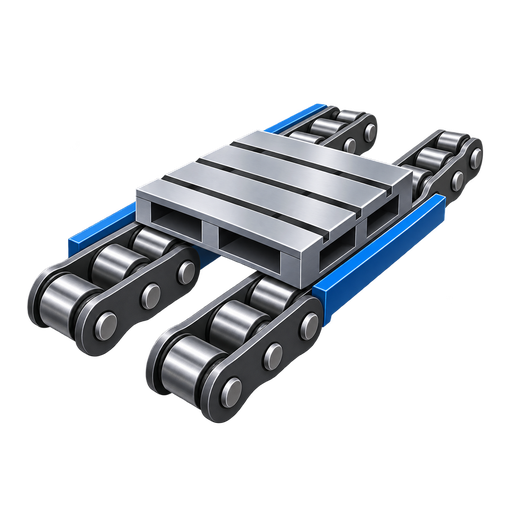
How does a conveyor chain handle inclined or declined conveyance?
A conveyor chain is designed to handle various types of conveyance, including inclined or declined applications. Here’s how a conveyor chain handles these situations:
1. Inclined Conveyance: When a conveyor system is required to move materials uphill, an inclined conveyor chain is used. The chain’s design includes special attachments or cleats that provide additional grip and prevent material from slipping or sliding backward. These attachments are strategically positioned along the chain to ensure effective conveyance on inclines.
2. Declined Conveyance: For conveyors that move materials downhill, a declined conveyor chain is utilized. Similar to inclined conveyance, the chain may have specialized attachments or cleats that help control the speed and prevent material from sliding too quickly. These attachments keep the material in place and ensure a controlled and efficient flow downward.
Both inclined and declined conveyance require careful consideration of the chain’s design, including the type and arrangement of attachments. The size, shape, and weight of the conveyed material also play a role in determining the appropriate chain configuration. It’s important to consult with conveyor chain manufacturers or experts to select the right chain and attachments for specific inclined or declined applications.
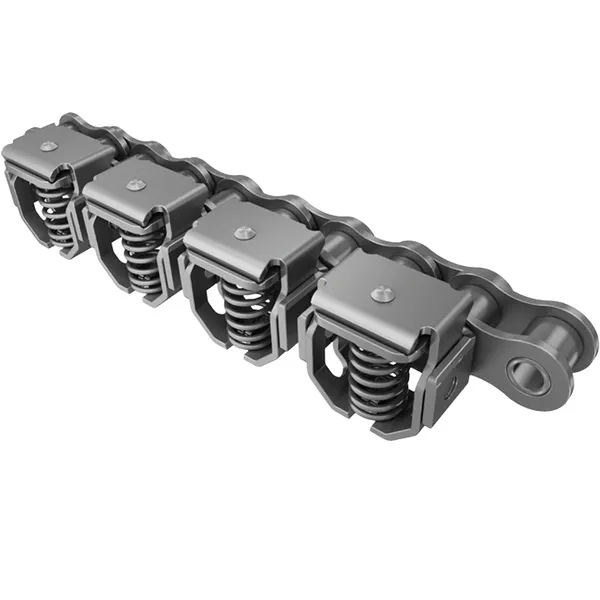
Hva er beste praksis for lagring og håndtering av transportkjeder?
Riktig lagring og håndtering av transportkjeder er avgjørende for å opprettholde ytelsen, forhindre skade og forlenge levetiden. Her er noen gode fremgangsmåter å vurdere:
1. Rent og tørt lagringsområde: Oppbevar transportkjeder i et rent og tørt miljø for å forhindre opphopning av smuss, støv, fuktighet eller forurensninger som kan påvirke ytelsen og forårsake korrosjon.
2. Tilstrekkelig støtte: Sørg for at de lagrede transportkjedene er tilstrekkelig støttet for å forhindre overdreven bøying eller deformasjon. Bruk paller, reoler eller angitte lagringsbeholdere som kan håndtere vekten og lengden på kjedene.
3. Unngå overdreven varme eller kulde: Transportkjeder bør oppbevares i et område med moderat temperatur for å unngå ekstrem varme eller kulde som kan påvirke kjedenes materialegenskaper eller smøring.
4. Beskyttelse mot støt og vibrasjoner: Beskytt de lagrede kjedene mot støt eller overdreven vibrasjon som kan forårsake skade eller deformasjon. Bruk egnet emballasje eller deksler for å beskytte kjedene mot potensiell fysisk skade.
5. Smøring: Smør et tynt lag med passende smøremiddel på kjedene før lagring for å forhindre korrosjon og opprettholde problemfri drift. Følg produsentens anbefalinger for smøretype og -mengde.
6. Regelmessige inspeksjoner: Inspiser de lagrede transportkjedene med jevne mellomrom for å sikre at det ikke er tegn på skade, korrosjon eller deformasjon. Hvis det oppdages problemer, må du iverksette nødvendige tiltak, som å rengjøre, smøre eller bytte ut kjedene.
7. Riktig håndteringsteknikk: Bruk passende løfteutstyr eller verktøy ved håndtering av transportkjeder for å unngå overdreven belastning eller bøying. Unngå å dra eller slippe kjedene, da dette kan forårsake skade på kjedeleddene eller festene.
8. Opplæring og bevisstgjøring: Gi opplæring til personell involvert i håndtering og lagring av transportkjeder for å sikre at de forstår riktige prosedyrer og beste praksis. Fremme bevissthet om viktigheten av forsiktig håndtering og lagring for å forhindre ulykker og opprettholde kjedets integritet.
Ved å følge disse beste fremgangsmåtene kan du sikre transportkjedenes levetid og pålitelige ytelse, noe som reduserer risikoen for nedetid og kostbare reparasjoner.
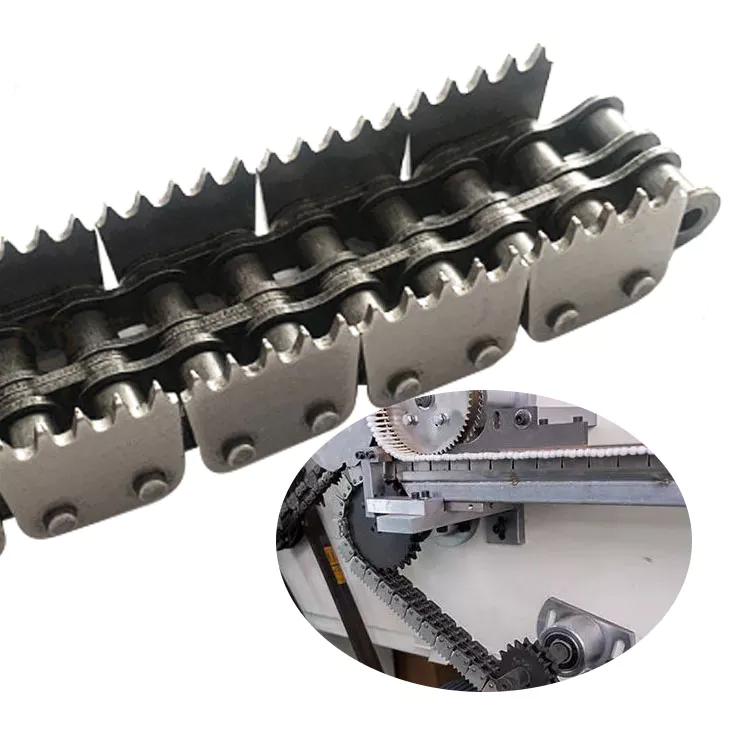
How do you properly tension a conveyor chain?
Properly tensioning a conveyor chain is crucial for its smooth operation and to prevent issues like chain slipping or excessive wear. Here are the steps to properly tension a conveyor chain:
- Identify the Tensioning Points: Determine the locations where the conveyor chain can be tensioned. These are typically at the ends of the chain or at specific tensioning devices.
- Loosen the Tensioning Devices: If there are tensioning devices in place, such as adjustable bolts or tensioning screws, loosen them to allow for adjustment.
- Apply Tension: Apply tension to the conveyor chain by either manually pulling the chain or using a tensioning tool. The amount of tension required depends on the chain type and the manufacturer’s recommendations.
- Check the Tension: Use a tension gauge or other suitable method to measure the tension of the conveyor chain. The tension should fall within the specified range provided by the chain manufacturer.
- Adjust the Tension: If the tension is too loose or too tight, make adjustments accordingly. Tighten or loosen the tensioning devices until the desired tension is achieved.
- Secure the Tensioning Devices: Once the proper tension is achieved, securely tighten the tensioning devices to hold the chain in place.
- Verify the Tension: After tensioning the chain, perform a visual inspection and run the conveyor to ensure the chain runs smoothly without excessive slack or tightness. Make any further adjustments if necessary.
It’s important to refer to the specific guidelines provided by the conveyor chain manufacturer for proper tensioning instructions, as the exact method may vary depending on the chain type and design. Regularly check the tension of the conveyor chain and make adjustments as needed to maintain optimal performance.


editor by CX 2023-10-12