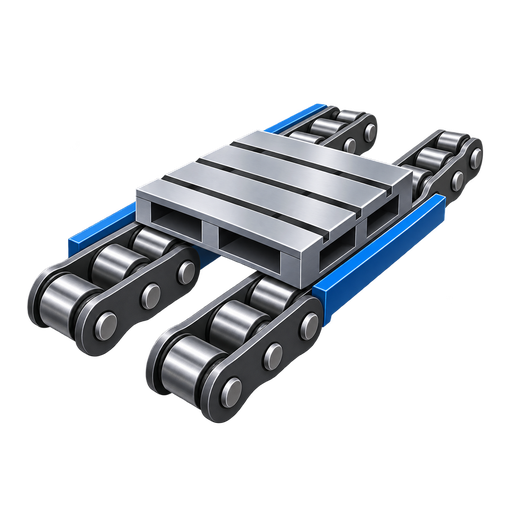
Penerangan Produk
High Loading Capacity China Roller Chain QXG-240A Single and Double Chain-Sheet Conveyor Chain
|
Models |
QXG-150 |
QXG-150A |
QXG-150B |
QXG-200A |
QXG-206A |
QXG-240A |
QXG-250A |
QXG-300A |
|
Pitch of Chain(mm) |
150 |
150 |
150 |
200 |
206 |
240 |
250 |
300 |
|
Single Point Lifting(kg) |
8 |
8 |
8 |
30 |
30 |
50 |
50 |
100 |
|
Allowable Chain Tension(KN) |
2.5 |
2.5 |
2.5 |
3 |
3 |
5 |
5 |
10 |
|
Chain Breaking Force(KN) |
>25 |
>25 |
>25 |
>30 |
>30 |
>50 |
>50 |
>100 |
|
Weight(kg/m) |
2.83 |
2.83 |
2.83 |
5.5 |
5.7 |
6.5 |
6.8 |
11.5 |
|
Track Weight(kg/m) |
4.36 |
4.36 |
4.36 |
6.8 |
6.8 |
7.9 |
7.9 |
14.8 |
|
Running Speed (m/min) |
multi-speed |
multi-speed |
multi-speed |
multi-speed |
multi-speed |
multi-speed |
multi-speed |
multi-speed |
|
Pin Diameter(mm) |
7 |
7 |
7 |
9 |
9 |
10 |
10 |
16 |
|
Reduction Ratio |
1:10 |
1:10 |
1:10 |
1:10 |
1:10 |
1:10 |
1:10 |
1:10 |
|
Working Temperature |
-20~220 |
-20~220 |
-20~220 |
-20~220 |
-20~220 |
-20~220 |
-20~220 |
-20~220 |
|
Conveyor Power(KW) |
0.75,1.1,1.5 |
0.75,1.1,1.5 |
0.75,1.1,1.5 |
1.1, 1.5,2.2 |
1.1, 1.5,2.2 |
1.5, 2.2,3 |
1.5, 2.2,3 |
2.2,3,4 |
|
For more detailed parameters, please don’t hesitate to contact us The above parameters all can be customized to meet different customers special requirement including driving system When choosing the speed, the needed speed is suggested to be 0.6 to 0.8 times of the selected speed shit, which will enable the motor in a good working condition. |
||||||||
Other Products:
/* 22 Januari 2571 19:08:37 */!function(){function s(e,r){var a,o={};try{e&&e.split(“,”).forEach(function(e,t){e&&(a=e.match(/(.*?):(.*)$/)&
| Penggunaan: | Transmission Chain, Transmission Chain |
|---|---|
| Bahan: | Alloy, Alloy |
| Rawatan Permukaan: | Polishing, Polishing |
| Penyesuaian: |
Tersedia
| Permintaan Tersuai |
|---|
.shipping-cost-tm .tm-status-off{background: none;padding:0;color: #1470cc}
| Kos Penghantaran:
Anggaran pengangkutan setiap unit. |
about shipping cost and estimated delivery time. |
|---|
| Payment Method: |
|
|---|---|
|
Initial Payment Full Payment |
| Currency: | US$ |
|---|
| Return&refunds: | You can apply for a refund up to 30 days after receipt of the products. |
|---|
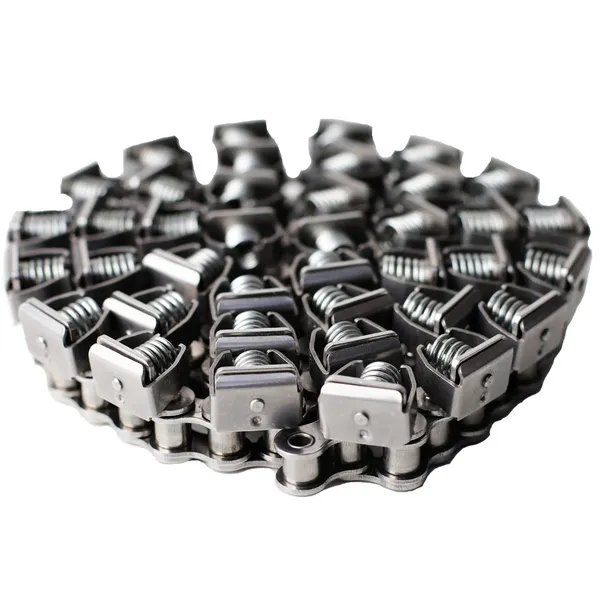
How do you calculate the chain pull force in a conveyor chain system?
The chain pull force, also known as the chain tension, is an important parameter to determine in a conveyor chain system. It represents the force required to move the conveyed load along the conveyor. The calculation of chain pull force involves several factors:
1. Weight of the Load: Determine the weight of the load being conveyed. This includes the weight of the product, packaging materials, and any additional equipment or components carried by the conveyor.
2. Friction Coefficients: Identify the friction coefficients between the load and the conveyor components. This includes the friction between the product and the conveyor chain, as well as the friction between the product and the conveyor bed or guides. These coefficients are typically provided by the manufacturer or can be obtained through testing.
3. Incline or Decline Angle: Consider the angle at which the conveyor operates. If the conveyor has an incline or decline, the angle will affect the force required to move the load.
4. Acceleration and Deceleration: Account for any acceleration or deceleration requirements in the conveyor system. If the conveyor needs to start or stop abruptly or if there are changes in speed, these factors will impact the chain pull force.
Once these factors are determined, the chain pull force can be calculated using the following formula:
Chain Pull Force = (Weight of Load + Friction Force) × (1 + Incline or Decline Factor) × (1 + Acceleration or Deceleration Factor)
It’s important to note that the accuracy of the calculation depends on the accuracy of the input values. Therefore, it’s recommended to consult the conveyor manufacturer or an engineering professional to ensure precise calculations and proper sizing of the conveyor chain.
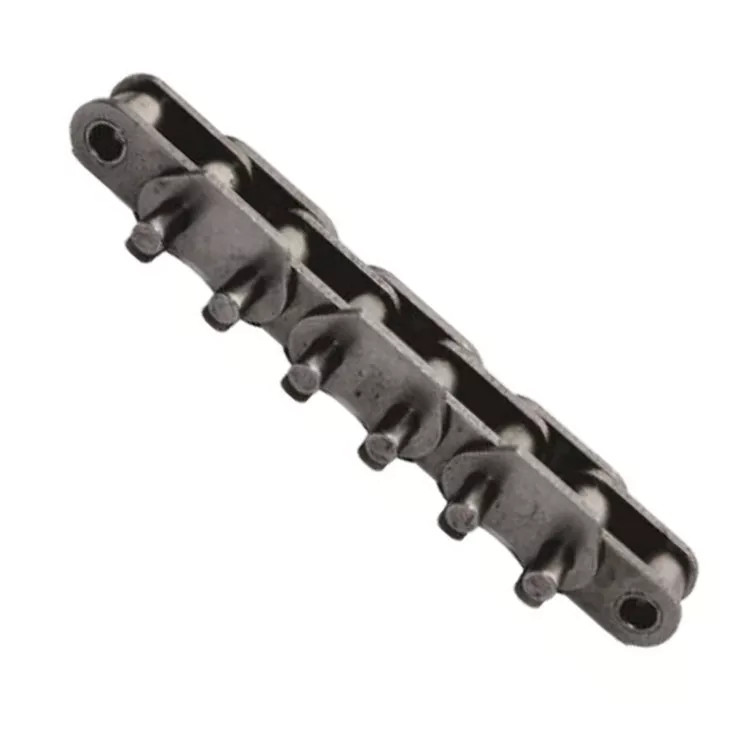
How do you prevent corrosion in conveyor chains?
Preventing corrosion in conveyor chains is essential for maintaining their performance and prolonging their lifespan. Here are some effective measures to prevent corrosion:
1. Material Selection: Choose conveyor chains made from corrosion-resistant materials such as stainless steel, plastic, or coatings specifically designed to resist corrosion. These materials offer better protection against rust and corrosion compared to standard steel chains.
2. Proper Lubrication: Apply a suitable lubricant to the conveyor chain regularly. Lubrication creates a protective barrier that helps prevent moisture and contaminants from reaching the metal surface, reducing the risk of corrosion. Select a lubricant that provides corrosion protection properties and is compatible with the chain material.
3. Environmental Controls: Control the operating environment to minimize exposure to corrosive elements. Implement measures such as humidity control, proper ventilation, and protection from direct contact with water or chemicals. Consider using covers or enclosures to shield the conveyor chain from environmental factors that can accelerate corrosion.
4. Surface Treatments: Apply corrosion-resistant coatings or treatments to the conveyor chain. These coatings can provide an additional protective layer that acts as a barrier against moisture and corrosive substances. Examples of surface treatments include zinc plating, galvanizing, or epoxy coatings.
5. Regular Inspections and Cleaning: Regularly inspect the conveyor chain for signs of corrosion or damage. Remove any accumulated dirt, debris, or corrosive substances promptly. Cleaning the chain helps prevent the buildup of contaminants that can accelerate corrosion.
6. Preventive Maintenance: Implement a preventive maintenance program that includes regular cleaning, lubrication, and inspection of the conveyor chain. This proactive approach helps identify and address any potential corrosion issues early on, preventing further damage.
7. Proper Storage: When not in use, store the conveyor chains in a dry and controlled environment. Protect them from exposure to moisture, humidity, and corrosive substances. Use appropriate storage methods, such as hanging the chains or storing them in sealed containers.
By following these preventive measures, you can significantly reduce the risk of corrosion in conveyor chains, ensuring their optimal performance and longevity.
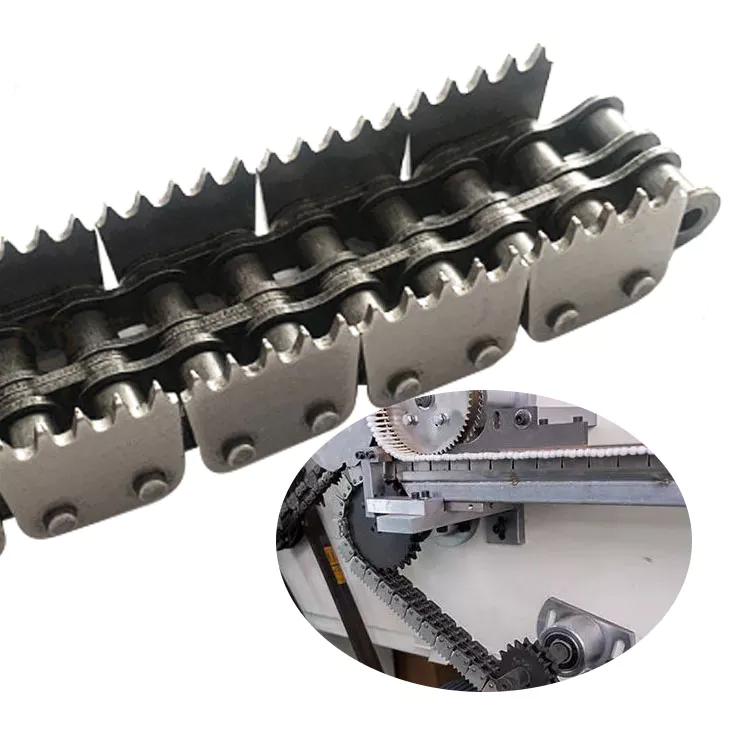
Bagaimanakah anda menegangkan rantai penghantar dengan betul?
Menegangkan rantai penghantar dengan betul adalah penting untuk kelancaran operasinya dan untuk mengelakkan masalah seperti rantai tergelincir atau haus berlebihan. Berikut adalah langkah-langkah untuk menegangkan rantai penghantar dengan betul:
- Kenal pasti Titik Ketegangan: Tentukan lokasi di mana rantai penghantar boleh ditegangkan. Ini biasanya di hujung rantai atau pada peranti penegang tertentu.
- Longgarkan Peranti Penegang: Jika terdapat peranti penegang, seperti bolt boleh laras atau skru penegang, longgarkannya untuk membolehkan pelarasan.
- Gunakan Tegangan: Berikan tegangan pada rantai penghantar sama ada dengan menarik rantai secara manual atau menggunakan alat penegang. Jumlah tegangan yang diperlukan bergantung pada jenis rantai dan cadangan pengilang.
- Periksa Ketegangan: Gunakan tolok tegangan atau kaedah lain yang sesuai untuk mengukur tegangan rantai penghantar. Tegangan tersebut hendaklah berada dalam julat yang ditentukan oleh pengilang rantai.
- Laraskan Ketegangan: Jika ketegangan terlalu longgar atau terlalu ketat, buat pelarasan sewajarnya. Ketatkan atau longgarkan peranti penegang sehingga ketegangan yang diingini dicapai.
- Selamatkan Peranti Penegang: Setelah ketegangan yang betul dicapai, ketatkan peranti penegang dengan kukuh untuk memegang rantai di tempatnya.
- Sahkan Ketegangan: Selepas menegangkan rantai, lakukan pemeriksaan visual dan jalankan penghantar untuk memastikan rantai berjalan lancar tanpa kendur atau ketat yang berlebihan. Buat sebarang pelarasan selanjutnya jika perlu.
Adalah penting untuk merujuk kepada garis panduan khusus yang disediakan oleh pengeluar rantai penghantar untuk arahan penegangan yang betul, kerana kaedah yang tepat mungkin berbeza-beza bergantung pada jenis dan reka bentuk rantai. Periksa ketegangan rantai penghantar secara berkala dan buat pelarasan yang diperlukan untuk mengekalkan prestasi optimum.


editor by CX 2024-05-06