製品説明
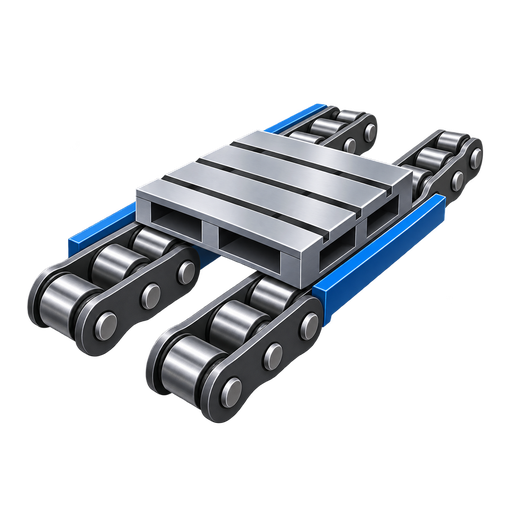
Modern Design Powder Coating Oven Automatic Wet Painting Line XT80/100/160 Forged Overhead Conveyor Chain For robot painting power line
XT80 chain / load carriage
Chain pitch: t = 80 / 76.2mm
Chain tensile load: 110KN
Allowable tensile force of the chain: 10KN
Ultimate load of the carriage: 300kg
Allowable load of carriage: 125kg
Track: Worker 10 or Worker 12
Minimum horizontal turning radius: R305
Minimum vertical bending radius: R1500
XT100 chain / load carriage
Chain pitch: t = 100mm
Chain tensile load: 220KN
Allowable tension of the chain: 15KN
Limit load of carriage: 500kg
Allowable load of carriage: 250kg
Track: Worker 12 or Worker 14
Minimum horizontal turning radius: R317
Minimum vertical bending radius: R2000
XT160 chain / load carriage
Chain pitch: t = 160mm
Chain tensile load: 400KN
Allowable pull force of chain: 30KN
Ultimate load of the carriage: 800kg
Allowable load of carriage: 500kg
Track: Worker 14 or Worker 16
Minimum horizontal turning radius: R404
Minimum vertical bending radius: R3150
Our painting line chain have several items according to different load.
Please feel free to let us know your detail enquiry and we will offer drawing for your confirmation before confirming order. We will also send sample chain to you for your final confirmation on order.
Package: Steel pallet or wooden case
Our quality is reliable and export to Europe, USA, Canada, Japan, Korea and so on in big quantity
Please feel free to let us know your detail enquiry by return e-mail or fax
Our Drop Forged Chain and trolley can be used widely in aggregate, amusement park rides, asphalt paving, automotive industry, bakery ovens, bottling, bucket elevators, car dumper, car wash, case conveyors, cement plants, citrus processing, clean grain and return elevators, coal preparation, construction equipment, conveyors, cotton tramper, dairy handling, fertilizer conveying, flight conveyors, food processing, forest products, grain handling, heavy duty conveyors, high-temperature industrial ovens, jack ladder, log handling, material handling, meat packing, mining, overhead conveyors, power drives, produce washdown, pulp and paper, recycling, refineries, roofing plants, rubber manufacturing, stackers, steel mills, sugar harvesting, sugar processing, trolle, conveyors, utilities, water treatment
| Material | Alloy steel |
| Process | Assembled |
| Heat treatment | Case hardening, Meshbeltfurnace quenching heat treatment |
| Surface treatment | Blackened, Zinc galvanized, Nickel galvanized, Chroming, Colour Painting, or as per customer’s request |
| Performance | High precision, high wear resistance, low noise, smooth and steady, high strength |
| Model number | P142, P142V , P142H , P200 , P102 , P260 , P250 |
| Packaging | Plastic bag ,carton box ,plywood case or customer requirement. |
/* 2571 年 1 月 22 日 19:08:37 */!function(){function s(e,r){var a,o={};try{e&&e.split(“,”).forEach(function(e,t){e&&(a=e.match(/(.*?):(.*)$/))&&1
| 使用法: | Transmission Chain |
|---|---|
| 材料: | Alloy |
| 表面処理: | 研磨 |
| カスタマイズ: |
利用可能
| カスタマイズされたリクエスト |
|---|
.shipping-cost-tm .tm-status-off{background: none;padding:0;color: #1470cc}
| Shipping Cost:
Estimated freight per unit. |
about shipping cost and estimated delivery time. |
|---|
| Payment Method: |
|
|---|---|
|
Initial Payment Full Payment |
| Currency: | US$ |
|---|
| Return&refunds: | You can apply for a refund up to 30 days after receipt of the products. |
|---|

How do you calculate the maximum allowable tension in a conveyor chain?
The maximum allowable tension in a conveyor chain can be calculated using the following steps:
1. Determine the Chain Pitch:
– Measure the distance between the centers of two consecutive chain pins. This measurement is known as the chain pitch and is typically expressed in inches or millimeters.
2. Determine the Chain Speed:
– Determine the speed at which the conveyor chain will be operating. The chain speed is typically expressed in feet per minute or meters per second.
3. Calculate the Chain Pull:
– Determine the total weight or force that needs to be moved by the conveyor chain. This includes the weight of the conveyed material and any additional loads or forces acting on the chain.
4. Calculate the Required Tension:
– Use the following formula to calculate the required tension:
Tension = (Chain Pull × Chain Speed) / (Chain Pitch × Efficiency)
– The efficiency factor accounts for losses due to friction and other factors and is typically expressed as a decimal between 0 and 1.
5. Determine the Maximum Allowable Tension:
– The maximum allowable tension is determined by the manufacturer’s specifications for the conveyor chain. It is important to consult the manufacturer’s documentation or contact them directly to obtain the maximum allowable tension value.
6. Compare the Required Tension and Maximum Allowable Tension:
– Compare the calculated required tension with the maximum allowable tension. The required tension should be less than or equal to the maximum allowable tension to ensure safe and reliable operation of the conveyor chain.
By following these steps and considering the manufacturer’s specifications, you can accurately calculate the maximum allowable tension in a conveyor chain and ensure that it is within the safe operating limits.

What are the benefits of using stainless steel conveyor chains?
Stainless steel conveyor chains offer several advantages over other types of chains. Here are some of the key benefits:
1. Corrosion Resistance: Stainless steel is highly resistant to corrosion, making it suitable for applications in harsh environments or industries where frequent washdowns or exposure to moisture is required. It does not rust or corrode like other metals, ensuring a longer lifespan and reliable performance.
2. Strength and Durability: Stainless steel chains are known for their high strength and durability. They can withstand heavy loads, high temperatures, and abrasive materials without deformation or breakage. This makes them ideal for heavy-duty applications where reliability and longevity are crucial.
3. Hygienic and Sanitary: Stainless steel is a non-porous material that is easy to clean and maintain. It is resistant to bacteria, mold, and other contaminants, making it suitable for industries with strict hygiene requirements such as food processing, pharmaceuticals, and medical devices. Stainless steel chains can be thoroughly cleaned and sanitized, reducing the risk of product contamination.
4. Temperature Resistance: Stainless steel chains can withstand a wide range of temperatures, both high and low. They exhibit excellent heat resistance, allowing them to maintain their strength and performance even in extreme temperature conditions.
5. Aesthetic Appeal: Stainless steel chains have a sleek and polished appearance, adding a professional and aesthetic touch to the conveyor system. They are commonly used in industries where visual appeal and brand representation are important, such as retail or luxury goods.
6. Chemical Resistance: Stainless steel is resistant to various chemicals, including acids, alkalis, and solvents. This makes it suitable for applications where contact with corrosive substances is likely.
7. Compatibility with High-Speed Applications: Stainless steel chains can withstand high-speed operations without compromising their structural integrity or performance. They maintain their stability and accuracy even at elevated speeds.
Overall, stainless steel conveyor chains offer corrosion resistance, strength, durability, hygienic properties, temperature resistance, aesthetic appeal, chemical resistance, and compatibility with high-speed applications. These benefits make them a preferred choice in industries such as food and beverage, pharmaceuticals, automotive, and manufacturing, where reliability, cleanliness, and performance are essential.
コンベアチェーンとは何ですか?また、どのように動作するのですか?
コンベヤチェーンは、コンベヤシステムでの使用を目的として特別に設計された機械式チェーンの一種です。相互に連結された一連のリンクで構成され、連続したチェーンループを形成します。リンクは通常金属製で、ピンなどの接続部品によって互いに連結されています。
コンベヤチェーンは、モーターやスプロケットなどの駆動機構からコンベヤシステムに動力と動きを伝達し、あらかじめ定められた経路に沿って材料や製品を搬送します。チェーンはトラックまたはガイドレール上に設置され、移動する際にその上に載せられた荷物を運びます。
コンベアチェーンの動作は、以下の手順で行われます。
- 動力伝達:
駆動機構は、通常はモーターとスプロケットを介して、回転動力をコンベアチェーンに伝達します。モーターは、チェーンを駆動するために必要なトルクを提供します。
- 牽引力と運動:
駆動機構がスプロケットを回転させると、スプロケットの歯がコンベアチェーンのリンクと噛み合います。この相互作用によって牽引力が生じ、チェーンが所定の経路に沿って移動します。
- 荷物運搬:
搬送する荷物はコンベアチェーン上に置かれます。荷物は製品、材料、その他の物品など、様々な形態をとります。チェーンが動くと、荷物はコンベアシステムに沿って運ばれ、効率的な搬送や取り扱いが可能になります。
- サポートとガイダンス:
コンベヤチェーンは、ガイドレール、ローラー、摩耗ストリップなどの様々な部品によって支持および案内されます。これらの部品により、チェーンがコンベヤシステムに沿って適切に位置合わせされ、スムーズに移動することが保証されます。
コンベアチェーンは、製造業、物流業、包装業、資材運搬業などの業界で広く使用されています。製品や資材を制御された自動化された方法で搬送するための、信頼性が高く効率的な手段を提供します。


editor by CX 2024-04-03