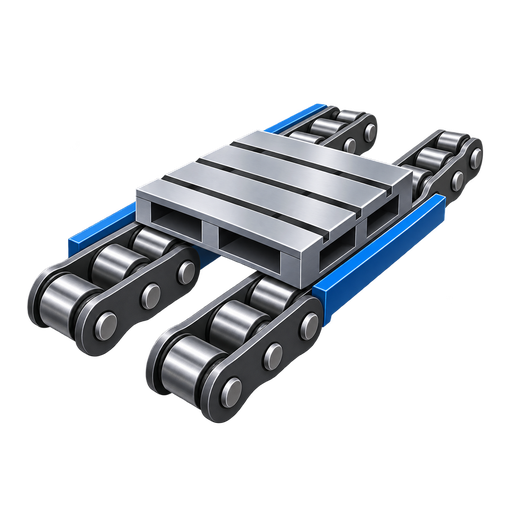
Description du produit
Company Profile
ZheJiang Yupan Machinery Equipment Co., Ltd. is a production of suspension conveyor bearings and conveyor accessories enterprises.
The company is located in Xihu (West Lake) Dis. Town, HangZhou City, ZheJiang Province, our company produces more than 40 sets of CNC lathe equipment, more than 20 sets of CNC grinding machines, and 10 sets of other bearing production equipment.
Main chain bearings, conveyor bearings, logistics bearings, products mainly include: stop bearing, drive chain bearings, suspension chain bearings, traction chain bearings, walking bearings, guide bearings, bearings, rotary roller bearings 7 categories of chain bearings have become the chain bearing accessories industry in the product standard makers
Description du produit
| outer diameter |
specification
|
load capacity | |
Φ37travelling wheel |
FX150 | 8kg | |
| Φ45guide wheel |
|
8kg | |
| Φ48travelling wheel |
|
20kg | |
| Φ49guide wheel | FX200 | 20kg | |
| Φ57travelling wheel | WF4.11.206 | 30kg | |
| Φ60guide wheel | WF4.11.206 | 30kg | |
| Φ66travelling wheel | FX204 | 50kg | |
| Φ68guide wheel | FX204 | 50kg |
Suspension coVarious styles of suspension chain roller bearings all meet the high temperature and high load environment support customizationnveyor bearing full ball design, high temperature and high load bearing outer ring and inner ring are made of bearing steel hardening hardness HRC58-62 channel precision grinding. The inner ring is 2 pieces together, with Q235 or 20 steel car processing shaft sleeve with the press for riveting to ensure that the whole bearing will not loose. Bearing clearance 0.35-0.55mm. Ensure flexible rotation without jamming during load operation.
Rotary roller bearing outer ring inner ring steel ball made of Gcr15 material outer ring inner ring heat treatment hardening HRC58-62 bearing double row ball design resistant to high temperature and high load suitable for various scenarios
Various styles of suspension chain roller bearings all meet the high temperature and high load environment support customization
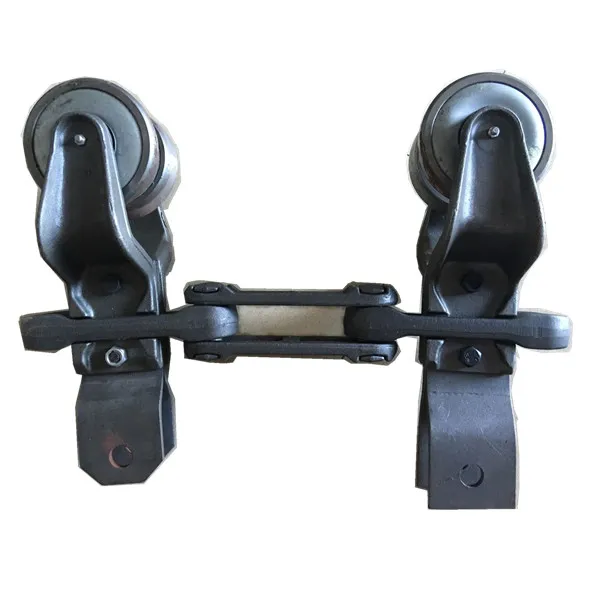
The slide frame is used to support the chain, bear the object, and is drawn by the chain along the I-steel dolly, the slide frame without a lifting plate only plays the supporting role is called the no-load slide frame, the slide frame with a lifting plate and can be hung on the pin of the lifting plate is called the load slide frame;
A heavy load slide frame consisting of 2 load slides connected by a heavy load beam;
Considering the spray paint on all sides, it is also designed with a rotating hanger.
Trolley frame manufacturing is divided into precision casting and forging 2 kinds, castings are divided into cast iron and cast steel parts.
The slide frame is equipped with rolling bearings, and the end of the slide frame is also equipped with a pressure injection type oil cup to ensure good lubrication, low running resistance, and its maximum use temperature is 200ºC, such as the use of temperature exceeds, the 2 parties can design and manufacture a special structure of the slide frame, or the use of graphite powder lubrication.
Chain is the traction parts of the conveyor,XT80, XT100, XT160 ordinary hanging conveyor has 2 types of chain, that is, die forging detachable chain pressure detachable chain, the above 2 types of chain in addition to linear movement, can be rotated in the horizontal direction, vertical direction.
product
application scenarios
Tire production line
Automobile assembly line
Slaughter line
Car electrophoretic line
Electrostatic spraying line
High speed wire production line
Why Choose Us: The Premier Manufacturer of Suspension Chains and Bearings
Our company, a leading manufacturer of suspension chains and bearings, stands apart with our unparalleled expertise, state-of-the-art facilities, and unwavering commitment to quality. We boast a team of highly skilled engineers and a rigorous testing process to ensure the durability and reliability of our products. Partner with us for superior performance and peace of mind.
/* January 22, 2571 19:08:37 */!function(){function s(e,r){var a,o={};try{e&&e.split(“,”).forEach(function(e,t){e&&(a=e.match(/(.*?):(.*)$/))&&1
| Bearing Property: | Full Steel Ball Design |
|---|---|
| Thermostability: | High Temperature Resistance |
| Texture of Material: | Ball Bearing Steels |
| Idler Wheel: | Die Forging Slider Roller |
| Wearproof: | Wearproof |
| Die Forging Chain: | Die Forging Chain |
| Samples: |
US$ 50/Piece
1 Piece(Min.Order) | |
|---|
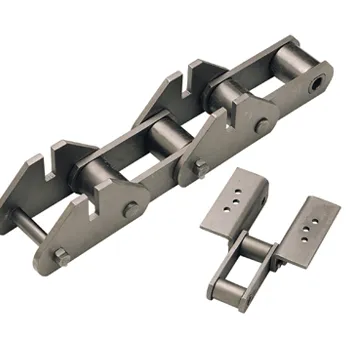
Can a conveyor chain be used in overhead conveyor systems?
Yes, a conveyor chain can be used in overhead conveyor systems. Overhead conveyor systems are designed to move materials, products, or components along an elevated path, typically in manufacturing or distribution facilities.
Conveyor chains used in overhead conveyor systems are specially designed to handle the weight and load requirements of the application. They are typically made from durable materials such as steel or stainless steel to ensure strength and longevity.
Here are some key considerations when using a conveyor chain in overhead conveyor systems:
1. Load Capacity:
– Ensure that the conveyor chain has sufficient load capacity to handle the weight of the conveyed items. The load capacity should be determined based on the maximum anticipated load and any potential dynamic forces.
2. Chain Type and Design:
– Select a conveyor chain that is suitable for overhead applications, such as an overhead conveyor chain or an inverted tooth chain. These chains are specifically designed to handle the unique requirements of overhead conveyance.
3. Lubrication:
– Proper lubrication is crucial for the smooth operation of the conveyor chain in an overhead system. Consider using lubricants that are suitable for overhead applications and ensure regular lubrication to minimize friction and wear.
4. Safety Measures:
– Implement appropriate safety measures to prevent accidents and ensure worker safety. This may include installing safety guards, emergency stop systems, and implementing regular maintenance and inspection routines.
It is important to consult with conveyor system manufacturers or experts who specialize in overhead conveyor systems to ensure the conveyor chain is selected and installed correctly for the specific application requirements.
What are the design considerations for a long-span conveyor chain conveyor?
Designing a long-span conveyor chain conveyor requires careful consideration of various factors to ensure its efficiency, safety, and reliability. Here are some key design considerations:
1. Conveyor Chain Selection: Choose a conveyor chain that is suitable for long spans and can withstand the required load capacity. Consider factors such as chain material, pitch, strength, and durability to ensure it can handle the anticipated load and operating conditions.
2. Conveyor Structure: The conveyor structure should be designed to provide sufficient support and stability for the long span. Consider factors such as material strength, rigidity, and deflection to ensure the structure can handle the weight of the conveyor chain, the product being transported, and any additional loads.
3. Drive System: Select an appropriate drive system that can efficiently power the long-span conveyor chain. Consider factors such as motor power, speed, torque, and control mechanisms to ensure smooth and reliable operation.
4. Tensioning and Alignment: Proper tensioning and alignment of the conveyor chain are critical for its performance and longevity. Design the system with adequate provisions for tensioning devices and alignment mechanisms to maintain optimal chain tension and alignment throughout the conveyor’s length.
5. Supports and Bearings: Install adequate supports and bearings along the length of the conveyor to reduce chain sagging, minimize friction, and ensure smooth movement. Consider factors such as bearing type, lubrication, and maintenance requirements.
6. Conveyor Controls and Safety: Implement appropriate controls and safety features to monitor and control the operation of the long-span conveyor chain. This may include emergency stop systems, speed monitoring, overload protection, and safety interlocks.
7. Environmental Factors: Consider the environmental conditions in which the conveyor will operate, such as temperature, humidity, dust, and corrosive substances. Select materials and components that can withstand these conditions and implement proper ventilation, dust collection, and corrosion protection measures.
8. Maintenance and Accessibility: Design the conveyor system with ease of maintenance and accessibility in mind. Provide sufficient access points, walkways, and platforms for inspection, cleaning, and maintenance tasks. Consider factors such as lubrication points, conveyor cleaning systems, and easy replacement of worn components.
9. Future Expansion and Flexibility: Anticipate future needs for expansion or modifications and design the long-span conveyor chain conveyor with flexibility in mind. This may include allowing for additional conveyor sections, transfer points, or integration with other equipment.
By considering these design considerations, a long-span conveyor chain conveyor can be efficiently designed and optimized for its intended application, ensuring reliable and cost-effective material handling operations.

What safety precautions should be followed when working with conveyor chains?
Working with conveyor chains involves potential hazards, and it is essential to follow proper safety precautions to ensure the well-being of workers and prevent accidents. Here are some important safety measures to consider:
- Proper Training: Ensure that workers operating or maintaining conveyor chains receive proper training on safe practices, including chain handling, maintenance procedures, and emergency protocols.
- Personal Protective Equipment (PPE): Workers should wear appropriate PPE, such as safety glasses, gloves, and steel-toed shoes, to protect themselves from potential hazards, including flying debris, pinch points, or entanglement.
- Lockout/Tagout: Before performing any maintenance or repair tasks on conveyor chains, follow lockout/tagout procedures to isolate and de-energize the equipment to prevent accidental startup or release of stored energy.
- Guarding: Ensure that conveyor chains are adequately guarded to prevent access to moving parts, such as pinch points and rotating sprockets. Guards should be securely in place and not interfere with the chain’s operation.
- Housekeeping: Keep the work area clean and free of debris, tools, or other objects that could cause tripping hazards or interfere with the operation of the conveyor chain.
- Regular Inspections: Regularly inspect the conveyor chains for any signs of wear, damage, or misalignment. Address any issues promptly to prevent potential safety hazards.
- Safe Loading and Unloading: When loading or unloading materials onto the conveyor, follow safe lifting techniques and ensure the load is evenly distributed to prevent overloading or imbalance.
- Emergency Stop Devices: Install and clearly mark emergency stop devices along the conveyor system to enable immediate shutdown in case of an emergency or hazardous situation.
- Clear Communication: Establish clear communication protocols, including signals or signs, to ensure effective communication between workers operating different sections of the conveyor system.
These safety precautions are general guidelines, and it’s important to consult and adhere to specific safety regulations and guidelines provided by the equipment manufacturer and relevant safety authorities. Regular safety training, awareness, and a proactive safety culture are crucial in maintaining a safe working environment when working with conveyor chains.


editor by CX 2024-04-09