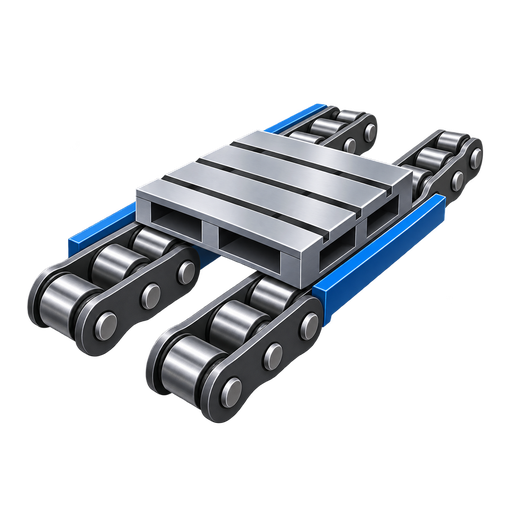
توضیحات محصول
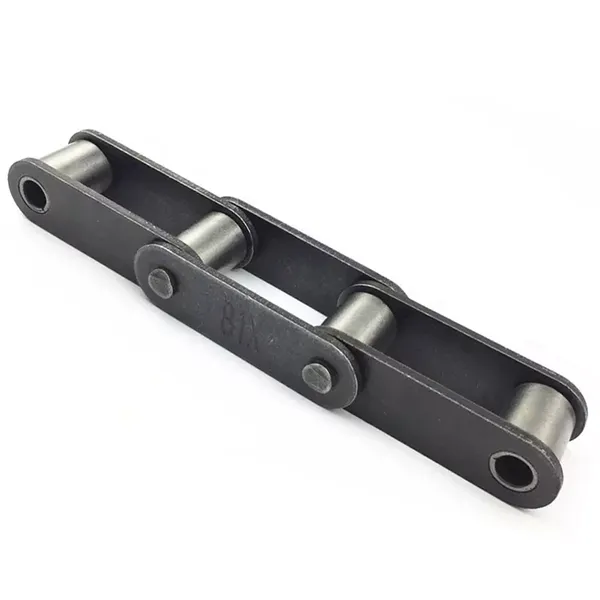
زنجیرهای نقاله (سری M)
شماره زنجیره: M20، M28، M40، M56، M80، M112، M160، M224، M315، M450
گام: 40.0 میلیمتر تا 200.0 میلیمتر
برای نمونه های رایگان
تحویل سریع
محصول سبز
تاییدیههای بینالمللی
کارکنان باتجربه
چرا ما را انتخاب کنید؟
۱. شرکت گروه زنجیرهای Dis.hua هانگژو شیهو (دریاچه غربی) که در سال ۱۹۹۱ تأسیس شد، ۵ شرکت تابعه در چین و ۶ شرکت تابعه در خارج از کشور دارد.
2. ما با مساحت تولیدی 200، 100 متر مربع، بیش از 1، 800 مجموعه تجهیزات پیشرفته و بیش از 3، 100 کارمند بسیار ماهر داریم، ظرفیت تولید سالانه از 20، 000، 000 متر فراتر رفته است.
3. ما در تولید انواع زنجیرهای استاندارد و زنجیرهای خاص، مانند زنجیرهای سری A یا B، زنجیرهای محرک، زنجیرهای نقاله، زنجیرهای کششی، زنجیرهای کشاورزی و غیره تخصص داریم.
4. ما گواهینامههای ISO9001، ISO14001، ISO16969، AAA و API را دریافت کردهایم.
این شرکت در تولید انواع زنجیرهای استاندارد و زنجیرهای ویژه، زنجیرهای سری EG A یا B، زنجیرهای خودرو، زنجیرهای استیل ضد زنگ، زنجیرهای کمباین، زنجیرهای انتقال قدرت با میل لنگ سنگین، زنجیرهای گاراژ استریو و زنجیرهای بدون نیاز به تعمیر و نگهداری و غیره تخصص دارد.
در سالهای اخیر، این شرکت با سرمایهگذاری و تکیه بر بهبود فناوری، گامهای خود را در توسعه محصولات جدید و اصلاح فناوری تسریع بخشیده است. این شرکت قصد دارد زنجیرهایی با استحکام و دقت بالا تولید کند تا نیازهای بازارهای داخلی و خارجی را برآورده سازد. کاتالوگ خود را که شرکت ما را به تفصیل معرفی میکند و محصولات اصلی که در حال حاضر عرضه میکنیم را پوشش میدهد، ضمیمه کردهایم. همچنین میتوانید از معرفی آنلاین شرکت ما که شامل آخرین خط تولید ما است، بازدید کنید.
اگر هر یک از این موارد مورد توجه شما قرار گرفت، لطفاً به ما اطلاع دهید. ما خوشحال خواهیم شد که رسید CZPT با جزئیات کامل نیازهای شما را به شما ارائه دهیم.
ما مشتاقانه منتظر دریافت درخواستهای شما از CZPT هستیم.
| طریقه استفاده: | زنجیره انتقال |
|---|---|
| مواد: | فولاد ضد زنگ |
| درمان سطحی: | پولیش کاری |
| ویژگی: | مقاوم در برابر حرارت |
| اندازه زنجیر: | ۱/۲ اینچ * ۱۱/۱۲۸ اینچ |
| ساختار: | زنجیر غلتکی |
| سفارشی سازی: |
موجود است
| درخواست سفارشی |
|---|
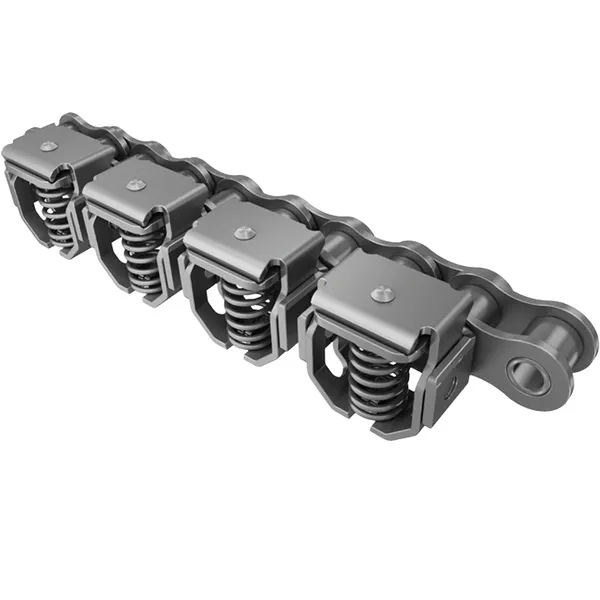
What are the benefits of using a self-lubricating conveyor chain?
Self-lubricating conveyor chains offer several advantages over traditional lubricated chains. Here are some key benefits:
1. Reduced Maintenance: Self-lubricating chains eliminate the need for regular lubrication, reducing the time and effort required for maintenance. This is particularly beneficial in applications where access to the chain is difficult or time-consuming.
2. Cost Savings: By eliminating the need for external lubrication, self-lubricating chains can help reduce lubrication costs over the lifetime of the chain. This includes the cost of lubricants, as well as the labor and equipment required for lubrication maintenance.
3. Clean and Environmentally Friendly: Self-lubricating chains do not require external lubricants, resulting in a cleaner working environment. There is no risk of lubricant spills or contamination of the surrounding area, making them ideal for applications that require strict cleanliness standards, such as food processing or pharmaceutical industries.
4. Extended Chain Life: Self-lubricating chains are designed with built-in lubrication systems that provide a continuous and controlled supply of lubricant to the chain components. This helps reduce friction, wear, and heat generation, resulting in longer chain life and improved performance.
5. Improved Reliability: With consistent and reliable lubrication, self-lubricating chains maintain optimal performance and minimize the risk of chain failure or breakdown. They are less susceptible to premature wear, elongation, and corrosion, ensuring a more reliable and efficient conveyor system.
It’s important to note that the specific benefits of self-lubricating chains may vary depending on the manufacturer and the design of the chain. It’s recommended to consult with the chain manufacturer or an industry expert to understand the suitability and advantages of self-lubricating chains for a particular application.

Can a conveyor chain be used for heavy-duty applications?
Yes, a conveyor chain can be used for heavy-duty applications. Conveyor chains are specifically designed to handle heavy loads and provide reliable transportation in industrial environments.
Here are some factors that make conveyor chains suitable for heavy-duty applications:
1. Robust construction: Conveyor chains are typically made from high-strength materials such as alloy steel, stainless steel, or hardened carbon steel. These materials offer excellent durability and can withstand the heavy loads and harsh operating conditions commonly found in heavy-duty applications.
2. High load-carrying capacity: Conveyor chains are designed to handle significant loads, including heavy products, bulk materials, or large components. The chains are engineered with appropriate pitch, link dimensions, and strength to ensure reliable transport of heavy items.
3. Fatigue resistance: Conveyor chains are built to withstand repetitive stress and fatigue caused by continuous operation under heavy loads. They undergo specific heat treatments and surface hardening processes to enhance their resistance to wear, fatigue, and deformation.
4. Customization options: Conveyor chains can be customized to meet the specific requirements of heavy-duty applications. This includes selecting the appropriate chain type, pitch, attachment design, and surface coating for improved performance and longevity.
5. Compatibility with heavy-duty equipment: Conveyor chains are designed to integrate seamlessly with heavy-duty conveyor systems, including large motors, drives, and supporting structures. This ensures proper power transmission and smooth operation even in demanding environments.
6. Safety features: Conveyor chains for heavy-duty applications often incorporate safety features such as overload protection, emergency stops, and monitoring systems to ensure the safety of operators and prevent damage to the equipment.
It’s important to consult with a qualified engineer or conveyor manufacturer to select the appropriate conveyor chain and system components for the specific heavy-duty application. They can provide guidance on chain selection, system design, and maintenance practices to ensure optimal performance and reliability.
What industries commonly use conveyor chains?
Conveyor chains are widely used in various industries for efficient material handling and transportation. Here are some of the industries commonly using conveyor chains:
- Manufacturing: Conveyor chains are extensively used in manufacturing industries such as automotive, electronics, appliances, and machinery. They facilitate the movement of components, parts, and finished products along assembly lines.
- Food and Beverage: The food and beverage industry relies heavily on conveyor chains for conveying and processing food products, including packaging, sorting, and distribution. Conveyor chains in this industry often have specific requirements such as sanitary design and resistance to contaminants.
- Logistics and Warehousing: Conveyor chains are integral to logistics and warehousing operations for efficient handling of goods, including sorting, loading, unloading, and distribution. They are commonly used in distribution centers, airports, and postal facilities.
- Mining and Quarrying: Conveyor chains play a crucial role in mining and quarrying operations by transporting bulk materials such as coal, ore, gravel, and aggregates. They are designed to withstand heavy loads and harsh environments.
- Agriculture: In the agricultural sector, conveyor chains are used for handling crops, grains, seeds, and livestock feed. They are employed in processing plants, grain elevators, and animal feed production facilities.
- Automotive: The automotive industry extensively uses conveyor chains in assembly plants for transporting vehicle components, body frames, engines, and other parts throughout the production process.
- Pharmaceutical and Healthcare: Conveyor chains are utilized in pharmaceutical and healthcare facilities for the automated movement of medical supplies, pharmaceutical products, and laboratory specimens.
- Chemical and Petrochemical: Conveyor chains are employed in chemical and petrochemical industries for the handling of hazardous materials, bulk chemicals, and raw materials during production and storage.
- Construction and Building Materials: Conveyor chains are used in construction sites and building material production facilities for conveying materials such as cement, bricks, aggregates, and roofing materials.
These are just a few examples, and conveyor chains are also utilized in many other industries where efficient material handling and transportation are essential for the production and distribution processes.


editor by CX 2023-09-06