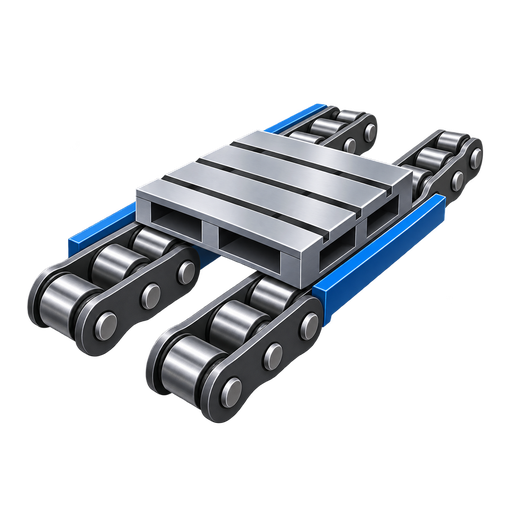
Produktbeschreibung
| Modell-Nr. | 06C/08A/10A/12A/16A/20A/24A/28A/32A/40A/06B/08B/10B/12B/16B/20B/24B/28B/32B/40B-1/2/3 Hochleistungsfähig |
| Kettenmodell | Rollenketten |
| Struktur (für Kette) | Rollenkette |
| Spezifikation | GB/T, DIN, ANSI, ISO, BS, JIS. |
| Herkunft | HangZhou, ZheJiang |
| Farbe | Einfarbig |
| Kettenfarbe | Maßgeschneidert |
Unser Unternehmen
Wolff Chain Co. zählt zu den führenden Kettenherstellern in China. Wir konzentrieren uns auf die Forschung, Entwicklung, Herstellung und den Vertrieb von Kettenantrieben der bekannten Marken „DOVON“ und „DECHO“. Darüber hinaus bieten wir OEM-Dienstleistungen für zahlreiche namhafte Unternehmen wie SUZUKI, XIHU (WEST LAKE) DIS., FAW, AGCO und JUMING an.
Wolff produziert hauptsächlich Antriebsketten, Förderketten, Schleppketten, geräuscharme Ketten, Blattketten, Rollenketten, Spezialketten und viele weitere Kettenarten. Unsere Techniker haben die Kettenqualität auf Weltniveau verbessert. Hochwertige Materialauswahl, leistungsstarke und präzise Wärmebehandlungstechnologie sowie exzellente Montageverfahren gewährleisten, dass Wolff-Ketten die hohen Anforderungen an Maschinen und Fahrzeuge erfüllen.
All of our products completely conform to the international standard such as ISO\DIN\ANSI\BS\JIS, etc. Wolff has been successfully certified by ISO9001 Quality Management System,SGS inspection and BV inspection. Wolff chains can be widely applied to many industries including automobile, motorcycle, forklift, wood processing machine, constructure machine, packing machine, food machine,and agricultural equipments. Wolff chains are popular in America,South America,Europe,Middle East, South East Asia and Africa markets.
Unsere Werkstatt
Unsere Zertifizierung
Willkommen zu unserer Ausstellung
Häufig gestellte Fragen
Q1. Wie lauten Ihre Verpackungsbedingungen?
A: Im Allgemeinen verpacken wir unsere Waren in einfarbigen Kartons. Sollten Sie spezielle Verpackungswünsche haben, besprechen Sie diese bitte im Voraus mit uns. Wir können die Waren dann nach Ihren Wünschen verpacken.
Frage 2: Wie lauten Ihre Zahlungsbedingungen?
A: T/T 30% als Anzahlung und 70% vor Lieferung. Wir zeigen Ihnen Fotos der Produkte und Verpackungen.
Bevor Sie den Restbetrag bezahlen. Andere Zahlungsbedingungen können Sie vorab mit uns besprechen.
Frage 3: Wie lauten Ihre Lieferbedingungen?
A: EXW, FOB, CFR, CIF.
Frage 4: Wie lange ist Ihre Lieferzeit?
A: Im Allgemeinen dauert es 25 bis 30 Tage nach Eingang Ihrer Vorauszahlung. Die genaue Lieferzeit hängt von verschiedenen Faktoren ab.
über die Artikel und die Menge Ihrer Bestellung.
Frage 5: Können Sie nach den Mustern produzieren?
A: Ja, wir können nach Ihren Mustern oder technischen Zeichnungen fertigen. Wir können die Formen und Vorrichtungen herstellen.
Frage 6: Wie sieht Ihre Stichprobenrichtlinie aus?
A: Wir können Ihnen ein Muster zur Verfügung stellen, sofern wir die entsprechenden Teile auf Lager haben. Die Kosten für das Muster müssen jedoch vom Kunden getragen werden.
Die Kurierkosten. Musterbestellungen sind willkommen.
Frage 7: Testen Sie alle Ihre Waren vor der Auslieferung?
A: Ja, wir führen vor der Auslieferung einen 100%-Test durch.
Frage 8: Wie können wir eine langfristige und gute Geschäftsbeziehung aufbauen?
1. Wir achten auf gute Qualität und wettbewerbsfähige Preise, um den Nutzen für unsere Kunden zu gewährleisten;
2. Wir respektieren jeden Kunden als Freund und pflegen aufrichtige Geschäftsbeziehungen und Freundschaften.
| Standard oder Nichtstandard: | Standard |
|---|---|
| Anwendung: | Textilmaschinen, Konfektionsmaschinen, Förderanlagen, Verpackungsmaschinen, Lebensmittelmaschinen, Schiffsmaschinen, Bergbaumaschinen |
| Oberflächenbehandlung: | Ölblüte |
| Struktur: | Rollenkette |
| Material: | Kohlenstoffstahl |
| Typ: | Kurzteilkette |
| Proben: |
US$ 0/Stück
1 Stück (Mindestbestellmenge) | |
|---|
| Anpassung: |
Verfügbar
| Kundenspezifische Anfrage |
|---|

How do you ensure proper tensioning and alignment of a conveyor chain?
Proper tensioning and alignment are essential for the efficient and reliable operation of a conveyor chain. Here are the steps to ensure correct tensioning and alignment:
1. Initial Installation:
– Ensure that the conveyor frame and supports are properly aligned and leveled before installing the chain. Any misalignment or unevenness can lead to tensioning and alignment issues.
– Follow the manufacturer’s guidelines and specifications for chain installation. This includes proper placement of sprockets, tensioners, and guides.
2. Tensioning:
– Adjust the tension of the chain to the manufacturer’s recommended specifications. Proper tension prevents excessive sagging or tightness, reducing wear and extending the chain’s life.
– Use tensioning devices, such as adjustable take-up units or tensioning screws, to achieve the desired tension. Refer to the manufacturer’s guidelines for the appropriate method of tensioning for your specific conveyor chain.
– Regularly check and adjust the tension as needed. Factors such as chain wear, load variations, and temperature changes can affect the chain’s tension over time.
3. Alignment:
– Check the alignment of the chain with respect to the sprockets and guides. Misalignment can cause uneven wear, increased friction, and premature failure of the chain.
– Inspect the alignment by visually examining the chain’s path along the sprockets and guides. It should run smoothly without any signs of rubbing or excessive deviation.
– Use alignment tools, such as laser alignment devices or straightedges, to accurately assess and correct any misalignment. Adjust the position of sprockets, guides, and supports as necessary.
4. Regular Maintenance:
– Implement a scheduled maintenance program to regularly inspect and maintain proper tensioning and alignment of the conveyor chain.
– Monitor the chain’s performance, including wear patterns, noise levels, and power consumption, as indicators of potential tensioning or alignment issues.
– Keep the chain clean and free from debris or contaminants that can affect its movement and alignment.
By following these steps and regularly monitoring the tensioning and alignment of the conveyor chain, you can ensure smooth and reliable operation, minimize chain wear, and reduce the risk of unexpected failures.
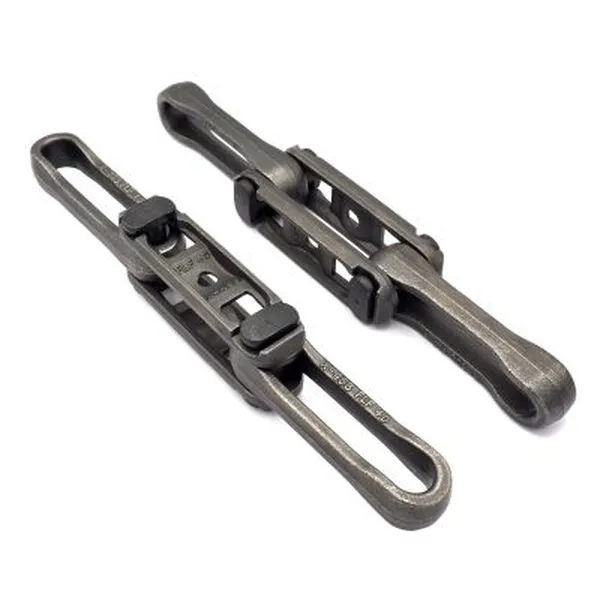
What are the safety measures for working with heavy-duty conveyor chains?
Working with heavy-duty conveyor chains requires strict adherence to safety measures to protect the workers and maintain a safe working environment. Here are some important safety measures to consider:
1. Proper Training: All personnel involved in working with conveyor chains should receive comprehensive training on the safe operation and maintenance of the equipment. This includes understanding the potential hazards, safety procedures, and proper use of personal protective equipment (PPE).
2. Equipment Inspection: Regular inspection of the conveyor chain and associated components is crucial to identify any signs of wear, damage, or malfunction. This includes checking for loose fasteners, worn sprockets, misalignment, and any other potential hazards. Any issues should be addressed promptly to prevent accidents.
3. Lockout/Tagout: Before performing any maintenance or repair tasks on the conveyor chain, proper lockout/tagout procedures must be followed. This ensures that the equipment is de-energized and isolated from any power source to prevent accidental startup or movement.
4. Personal Protective Equipment (PPE): Workers should wear appropriate PPE, including safety glasses, gloves, steel-toed boots, and hearing protection. The specific PPE requirements may vary depending on the nature of the work and the potential hazards involved.
5. Safe Work Practices: Workers should follow safe work practices, such as avoiding loose clothing or jewelry that can get caught in the chain, keeping hands and clothing clear of moving parts, and using proper lifting techniques when handling heavy loads.
6. Emergency Stop Systems: Conveyor systems should be equipped with emergency stop buttons or pull cords that allow workers to quickly stop the chain in case of an emergency or hazardous situation.
7. Regular Maintenance: Scheduled maintenance and lubrication of the conveyor chain should be performed according to the manufacturer’s recommendations. This helps to ensure optimal performance and minimize the risk of unexpected failures.
8. Clear Warning Signs and Labels: Proper signage, warning labels, and safety instructions should be clearly displayed near the conveyor chain system to remind workers of potential hazards and safe operating procedures.
9. Regular Safety Training and Communication: Ongoing safety training and communication among the workforce are vital to reinforce safe practices and raise awareness of any changes or updates to safety protocols.
By implementing these safety measures and fostering a safety-conscious culture, the risks associated with working with heavy-duty conveyor chains can be minimized, ensuring the well-being of the workers and the efficient operation of the equipment.
How can you prevent conveyor chain failures?
Preventing conveyor chain failures is crucial for maintaining the efficiency and reliability of a conveyor system. Here are some key preventive measures:
- Regular Inspection and Maintenance: Implement a routine inspection and maintenance schedule to identify potential issues before they escalate. Regularly inspect the chain for signs of wear, such as elongation, link plate wear, and sprocket tooth wear. Address any visible damage or abnormalities promptly.
- Proper Lubrication: Apply the appropriate lubricant to the conveyor chain to minimize friction and reduce wear. Lubrication helps to prevent metal-to-metal contact, corrosion, and excessive heat generation. Follow the manufacturer’s recommendations for lubrication frequency and use lubricants suitable for the operating conditions.
- Tensioning: Maintain proper tension in the conveyor chain to ensure optimal performance and reduce the risk of failures. Both over-tensioning and under-tensioning can lead to premature wear or chain damage. Follow the manufacturer’s guidelines for tensioning and regularly check and adjust the tension as needed.
- Sprocket Maintenance: Inspect and maintain the sprockets that engage with the conveyor chain. Check for any signs of wear or damage on the sprocket teeth and replace them if necessary. Ensure proper alignment between the chain and sprockets to prevent excessive wear and chain skipping.
- Environmental Considerations: Take into account the environmental factors that can affect the conveyor chain’s performance. Protect the chain from exposure to moisture, corrosive substances, excessive heat, or abrasive materials. Implement appropriate safeguards, such as covers or enclosures, to minimize environmental impact on the chain.
- Proper Loading: Ensure that the conveyor chain is not subjected to excessive loads beyond its capacity. Overloading can lead to accelerated wear and chain failures. Adhere to the recommended load limits and guidelines provided by the chain manufacturer.
- Operator Training: Provide proper training to operators and maintenance personnel on the correct operation, maintenance, and safety procedures related to the conveyor chain system. Educate them on identifying potential issues, performing routine inspections, and reporting any abnormalities.
By implementing these preventive measures, you can significantly reduce the risk of conveyor chain failures and extend the lifespan of the chain. Regular monitoring and maintenance are essential to ensure the system operates smoothly and safely.


editor by CX 2023-09-08