مصنوعات کی تفصیل
| ماڈل نمبر | 06C/08A/10A/12A/16A/20A/24A/28A/32A/40A/06B/08B/10B/12B/16B/20B/24B/28B/32B/40B-1/2/3 ہیوی ڈیوٹی |
| چین ماڈل | رولر چینز |
| ساخت (زنجیر کے لیے) | رولر چین |
| تفصیلات | GB/T، DIN، ANSI، ISO، BS، JIS۔ |
| اصل | ہانگ زو، جیانگ |
| رنگ | ٹھوس رنگ |
| زنجیر کا رنگ | اپنی مرضی کے مطابق |
ہماری کمپنی
وولف چین کمپنی چین میں پیشہ ورانہ چین مینوفیکچررز میں سے 1 ہے۔ ہم مشہور برانڈز - "DOVON" اور "DECHO" کے ساتھ چین ڈرائیو کی دوبارہ تحقیق، مینوفیکچرنگ اور تجارت پر توجہ مرکوز کرتے ہیں۔ ہم بہت سے مشہور کاروباری اداروں جیسے SUZUKI، XIHU (WEST LAKE) DIS.، FAW، AGCO، JUMING کے لیے بھی OEM خدمات فراہم کرتے ہیں۔
وولف بنیادی طور پر ٹرانسمیشن چینز، کنویئر چینز، ڈریگنگ چینز، سائلنٹ چینز، لیف چینز، رولر چینز، اسپیشل چین اور بہت سی دوسری سیریز کی مصنوعات تیار کرتا ہے۔ ہمارے تکنیکی ماہرین نے چین کے معیار کو عالمی سطح پر بہتر کیا ہے۔ اعلی معیار کے مواد کا انتخاب، طاقتور اور درست گرمی کے علاج کی ٹیکنالوجی اور بہترین اسمبلی کے طریقے اس بات کو یقینی بناتے ہیں کہ وولف چینز مشینوں اور گاڑیوں کے لیے سخت اور سخت تقاضوں کو پورا کرتی ہیں۔
All of our products completely conform to the international standard such as ISO\DIN\ANSI\BS\JIS, etc. Wolff has been successfully certified by ISO9001 Quality Management System,SGS inspection and BV inspection. Wolff chains can be widely applied to many industries including automobile, motorcycle, forklift, wood processing machine, constructure machine, packing machine, food machine,and agricultural equipments. Wolff chains are popular in America,South America,Europe,Middle East, South East Asia and Africa markets.
ہماری ورکشاپ
ہمارا سرٹیفیکیشن
ہماری نمائش میں خوش آمدید
اکثر پوچھے گئے سوالات
سوال1. آپ کی پیکنگ کی شرائط کیا ہیں؟
A: عام طور پر، ہم اپنے سامان کو ایک رنگ کے باکس میں پیک کرتے ہیں. اگر آپ کے پاس پیکنگ کے بارے میں خصوصی درخواست ہے تو، براہ کرم ہمارے ساتھ پہلے سے بات چیت کریں، ہم آپ کی درخواست کے مطابق سامان پیک کر سکتے ہیں۔
Q2. آپ کی ادائیگی کی شرائط کیا ہیں؟
A: T/T 30% بطور ڈپازٹ، اور ترسیل سے پہلے 70%۔ ہم آپ کو مصنوعات اور پیکجز کی تصاویر دکھائیں گے۔
اس سے پہلے کہ آپ بیلنس ادا کریں۔ دیگر ادائیگی کی شرائط، pls پیشگی ہمارے ساتھ بات چیت، ہم بات چیت کر سکتے ہیں.
Q3. آپ کی ترسیل کی شرائط کیا ہیں؟
A: EXW، FOB، CFR، CIF۔
Q4. آپ کی ترسیل کے وقت کے بارے میں کیا خیال ہے؟
A: عام طور پر، آپ کی پیشگی ادائیگی حاصل کرنے کے بعد 25 سے 30 دن لگیں گے۔ مخصوص ترسیل کے وقت پر منحصر ہے
اشیاء اور آپ کے آرڈر کی مقدار پر۔
Q5. کیا آپ نمونے کے مطابق پیدا کر سکتے ہیں؟
A: جی ہاں، ہم آپ کے نمونے یا تکنیکی ڈرائنگ کی طرف سے پیدا کر سکتے ہیں. ہم سانچوں اور فکسچر کی تعمیر کر سکتے ہیں.
Q6. آپ کی نمونہ پالیسی کیا ہے؟
A: اگر ہمارے پاس اسٹاک میں تیار حصے ہیں تو ہم نمونہ فراہم کرسکتے ہیں، لیکن صارفین کو نمونے کی قیمت ادا کرنی ہوگی۔
کورئیر کی قیمت۔ ہم نمونے کے آرڈر کا خیرمقدم کرتے ہیں۔
Q7. کیا آپ ترسیل سے پہلے اپنے تمام سامان کی جانچ کرتے ہیں؟
A: جی ہاں، ہمارے پاس ترسیل سے پہلے 100% ٹیسٹ ہے
Q8: آپ ہمارے کاروبار کو طویل مدتی اور اچھے تعلقات کیسے بناتے ہیں؟
1. ہم اپنے صارفین کے فائدے کو یقینی بنانے کے لیے اچھے معیار اور مسابقتی قیمت رکھتے ہیں۔
2. ہم ہر گاہک کا اپنے دوست کی طرح احترام کرتے ہیں اور ہم خلوص نیت سے کاروبار کرتے ہیں اور ان کے ساتھ دوستی کرتے ہیں،
| معیاری یا غیر معیاری: | معیاری |
|---|---|
| درخواست: | ٹیکسٹائل مشینری، گارمنٹ مشینری، کنویئر کا سامان، پیکجنگ مشینری، فوڈ مشینری، میرین، کان کنی کا سامان |
| سطح کا علاج: | تیل کھلنا |
| ساخت: | رولر چین |
| مواد: | کاربن اسٹیل |
| قسم: | شارٹ پچ چین |
| نمونے: |
US$ 0/ٹکڑا
1 ٹکڑا (کم سے کم آرڈر) | |
|---|
| حسب ضرورت: |
دستیاب ہے۔
| اپنی مرضی کے مطابق درخواست |
|---|

How do you ensure proper tensioning and alignment of a conveyor chain?
Proper tensioning and alignment are essential for the efficient and reliable operation of a conveyor chain. Here are the steps to ensure correct tensioning and alignment:
1. Initial Installation:
– Ensure that the conveyor frame and supports are properly aligned and leveled before installing the chain. Any misalignment or unevenness can lead to tensioning and alignment issues.
– Follow the manufacturer’s guidelines and specifications for chain installation. This includes proper placement of sprockets, tensioners, and guides.
2. Tensioning:
– Adjust the tension of the chain to the manufacturer’s recommended specifications. Proper tension prevents excessive sagging or tightness, reducing wear and extending the chain’s life.
– Use tensioning devices, such as adjustable take-up units or tensioning screws, to achieve the desired tension. Refer to the manufacturer’s guidelines for the appropriate method of tensioning for your specific conveyor chain.
– Regularly check and adjust the tension as needed. Factors such as chain wear, load variations, and temperature changes can affect the chain’s tension over time.
3. Alignment:
– Check the alignment of the chain with respect to the sprockets and guides. Misalignment can cause uneven wear, increased friction, and premature failure of the chain.
– Inspect the alignment by visually examining the chain’s path along the sprockets and guides. It should run smoothly without any signs of rubbing or excessive deviation.
– Use alignment tools, such as laser alignment devices or straightedges, to accurately assess and correct any misalignment. Adjust the position of sprockets, guides, and supports as necessary.
4. Regular Maintenance:
– Implement a scheduled maintenance program to regularly inspect and maintain proper tensioning and alignment of the conveyor chain.
– Monitor the chain’s performance, including wear patterns, noise levels, and power consumption, as indicators of potential tensioning or alignment issues.
– Keep the chain clean and free from debris or contaminants that can affect its movement and alignment.
By following these steps and regularly monitoring the tensioning and alignment of the conveyor chain, you can ensure smooth and reliable operation, minimize chain wear, and reduce the risk of unexpected failures.
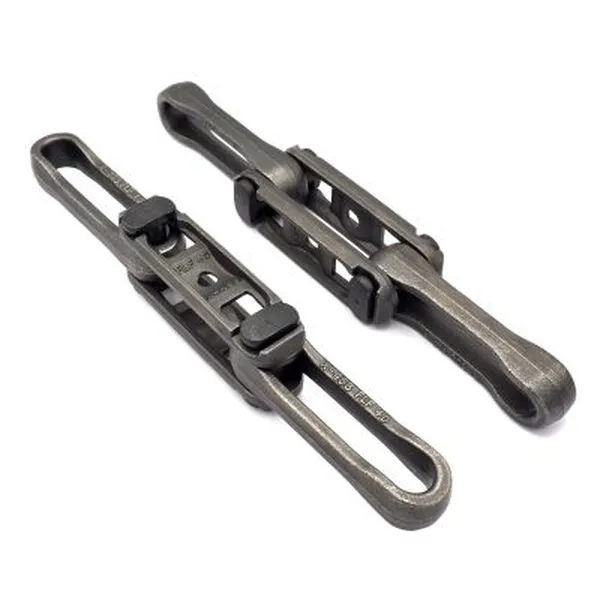
What are the safety measures for working with heavy-duty conveyor chains?
Working with heavy-duty conveyor chains requires strict adherence to safety measures to protect the workers and maintain a safe working environment. Here are some important safety measures to consider:
1. Proper Training: All personnel involved in working with conveyor chains should receive comprehensive training on the safe operation and maintenance of the equipment. This includes understanding the potential hazards, safety procedures, and proper use of personal protective equipment (PPE).
2. Equipment Inspection: Regular inspection of the conveyor chain and associated components is crucial to identify any signs of wear, damage, or malfunction. This includes checking for loose fasteners, worn sprockets, misalignment, and any other potential hazards. Any issues should be addressed promptly to prevent accidents.
3. Lockout/Tagout: Before performing any maintenance or repair tasks on the conveyor chain, proper lockout/tagout procedures must be followed. This ensures that the equipment is de-energized and isolated from any power source to prevent accidental startup or movement.
4. Personal Protective Equipment (PPE): Workers should wear appropriate PPE, including safety glasses, gloves, steel-toed boots, and hearing protection. The specific PPE requirements may vary depending on the nature of the work and the potential hazards involved.
5. Safe Work Practices: Workers should follow safe work practices, such as avoiding loose clothing or jewelry that can get caught in the chain, keeping hands and clothing clear of moving parts, and using proper lifting techniques when handling heavy loads.
6. Emergency Stop Systems: Conveyor systems should be equipped with emergency stop buttons or pull cords that allow workers to quickly stop the chain in case of an emergency or hazardous situation.
7. Regular Maintenance: Scheduled maintenance and lubrication of the conveyor chain should be performed according to the manufacturer’s recommendations. This helps to ensure optimal performance and minimize the risk of unexpected failures.
8. Clear Warning Signs and Labels: Proper signage, warning labels, and safety instructions should be clearly displayed near the conveyor chain system to remind workers of potential hazards and safe operating procedures.
9. Regular Safety Training and Communication: Ongoing safety training and communication among the workforce are vital to reinforce safe practices and raise awareness of any changes or updates to safety protocols.
By implementing these safety measures and fostering a safety-conscious culture, the risks associated with working with heavy-duty conveyor chains can be minimized, ensuring the well-being of the workers and the efficient operation of the equipment.
How can you prevent conveyor chain failures?
Preventing conveyor chain failures is crucial for maintaining the efficiency and reliability of a conveyor system. Here are some key preventive measures:
- Regular Inspection and Maintenance: Implement a routine inspection and maintenance schedule to identify potential issues before they escalate. Regularly inspect the chain for signs of wear, such as elongation, link plate wear, and sprocket tooth wear. Address any visible damage or abnormalities promptly.
- Proper Lubrication: Apply the appropriate lubricant to the conveyor chain to minimize friction and reduce wear. Lubrication helps to prevent metal-to-metal contact, corrosion, and excessive heat generation. Follow the manufacturer’s recommendations for lubrication frequency and use lubricants suitable for the operating conditions.
- Tensioning: Maintain proper tension in the conveyor chain to ensure optimal performance and reduce the risk of failures. Both over-tensioning and under-tensioning can lead to premature wear or chain damage. Follow the manufacturer’s guidelines for tensioning and regularly check and adjust the tension as needed.
- Sprocket Maintenance: Inspect and maintain the sprockets that engage with the conveyor chain. Check for any signs of wear or damage on the sprocket teeth and replace them if necessary. Ensure proper alignment between the chain and sprockets to prevent excessive wear and chain skipping.
- Environmental Considerations: Take into account the environmental factors that can affect the conveyor chain’s performance. Protect the chain from exposure to moisture, corrosive substances, excessive heat, or abrasive materials. Implement appropriate safeguards, such as covers or enclosures, to minimize environmental impact on the chain.
- Proper Loading: Ensure that the conveyor chain is not subjected to excessive loads beyond its capacity. Overloading can lead to accelerated wear and chain failures. Adhere to the recommended load limits and guidelines provided by the chain manufacturer.
- Operator Training: Provide proper training to operators and maintenance personnel on the correct operation, maintenance, and safety procedures related to the conveyor chain system. Educate them on identifying potential issues, performing routine inspections, and reporting any abnormalities.
By implementing these preventive measures, you can significantly reduce the risk of conveyor chain failures and extend the lifespan of the chain. Regular monitoring and maintenance are essential to ensure the system operates smoothly and safely.


editor by CX 2023-09-08