Product Description
Company Profile
COMPANY INTRODUCTION
LinYi YuanTong Hardware Rigging Co.,Ltd. was founded in Located in TaiPing Street,HeXihu (West Lake) Dis. District,LinYi City,ZheJiang Province.It covers an area of 10,000 square meters,there are more than 200 employees,the main prouducts of enterprises are ordinary chains,high stength chains,stainless steel chains,knit chains,animal chains,ect,there are more than 300 varieties of specifications.
Our company has passed the international quality management system certification, and has a strict quality managementsystem.With first- class equipment,reliable quality assurance,products have been exported to the United States,Canada,Europe and more than 30
countries and regions,have a high reputation.
If you need more details or have any questions, please feel free to contact us, we are more than pleased to do any help. Thanks! Glad to be of service. Please feel free to contact us anytime !!!
We 24 hours service for you!
Product Description
Link Chain
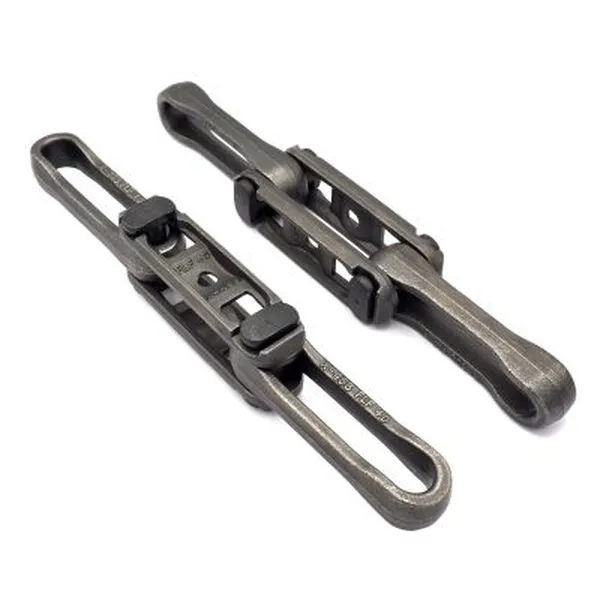
DIN763, DIN766, Norwegian standard link chain,Korean standard link chain, us type standard double loop chain,
DIN5686 knotted chain,Japanese standard, Korean standard link chain, ASTM80 standard link chain, and so on.
We have in this line for many years. We sincerely hope to establish long and stable business cooperations
with your company.We confirm you good quality, best price, best service and punctual delivery time.
If you have any inquirys in our line, please feel free to contact us.We will try all our best to support you.
Detailed Photos
Product Parameters
LONG LINK CHAIN
| LINK SPECIFICATION | TEST LOAD | BREAKING LOAD | NET WT PER 200F(KG) | ||||
| D | L | W | |||||
| IN | MM | MM | MM | KG | KG | B.F | H.D.G |
| 1/8 | 3.20 | 23 | 12 | 200 | 400 | 10.40 | 10.70 |
| 5/32 | 4.00 | 27 | 15 | 300 | 600 | 16.60 | 17.50 |
| 3/16 | 4.70 | 31 | 17 | 400 | 800 | 22.40 | 23.30 |
| 7/32 | 5.50 | 32 | 19 | 550 | 1100 | 32.00 | 33.00 |
| 1/4 | 6.35 | 33 | 21 | 750 | 1500 | 43.50 | 44.80 |
| 5/16 | 7.94 | 48 | 31 | 1200 | 2400 | 68.00 | 70.00 |
| 3/8 | 9.50 | 60 | 37 | 1700 | 3400 | 96.00 | 99.00 |
| 7/16 | 11.11 | 71 | 41 | 2300 | 4600 | 126.00 | 129.00 |
| 1/2 | 12.70 | 85 | 48.5 | 3000 | 6000 | 167.00 | 172.00 |
| 5/8 | 15.80 | 114 | 61.5 | 4700 | 9400 | 256.00 | 264.00 |
| 3/4 | 19.00 | 125 | 75 | 6800 | 13600 | 381.00 | 392.00 |
| 7/8 | 22.20 | 140 | 88 | 9250 | 18500 | 527.00 | 543.00 |
| 1 | 25.40 | 155 | 100 | 12150 | 24300 | 696.00 | 716.00 |
SHORT LINK CHAIN
| LINK SPECIFICATION | TEST LOAD | BREAKING LOAD | NET WT PER 200F(KG) | ||||
| D | L | W | |||||
| IN | MM | MM | MM | KG | KG | B.F | H.D.G |
| 1/8 | 3.20 | 16 | 12 | 200 | 400 | 11.40 | 11.74 |
| 5/32 | 4.00 | 18.5 | 14.5 | 300 | 600 | 18.60 | 19.00 |
| 3/16 | 4.70 | 19 | 17 | 400 | 800 | 26.20 | 27.00 |
| 7/32 | 5.50 | 20 | 19 | 550 | 1100 | 36.80 | 38.00 |
| 1/4 | 6.35 | 22 | 21 | 750 | 1500 | 50.00 | 51.50 |
| 5/16 | 7.94 | 26.5 | 27.2 | 1200 | 2400 | 80.00 | 82.40 |
| 3/8 | 9.50 | 30 | 32 | 1700 | 3400 | 122.00 | 125.70 |
| 7/16 | 11.11 | 34 | 36 | 2300 | 4600 | 164.00 | 169.00 |
| 1/2 | 12.70 | 39 | 43 | 3000 | 6000 | 210.00 | 216.00 |
| 5/8 | 15.80 | 45 | 53 | 4700 | 9400 | 334.00 | 344.00 |
| 3/4 | 19.00 | 55 | 63 | 6800 | 13600 | 485.00 | 799.00 |
| 7/8 | 22.20 | 64 | 74 | 9250 | 18500 | 656.00 | 675.00 |
| 1 | 25.40 | 73 | 84 | 12150 | 24300 | 870.00 | 896.00 |
MEDIUM LINK CHAIN
| LINK SPECIFICATION | TEST LOAD | BREAKING LOAD | NET WT PER 200F(KG) | ||||
| D | L | W | |||||
| IN | MM | MM | MM | KG | KG | B.F | H.D.G |
| 1/8 | 3.20 | 20 | 12 | 200 | 400 | 10.80 | 11.00 |
| 5/32 | 4.00 | 23 | 15 | 300 | 600 | 17.40 | 18.00 |
| 3/16 | 4.70 | 25 | 18 | 400 | 800 | 24.40 | 25.00 |
| 7/32 | 5.50 | 26 | 19 | 550 | 1100 | 34.00 | 35.00 |
| 1/4 | 6.35 | 26 | 23 | 750 | 1500 | 48.80 | 50.00 |
| 5/16 | 7.94 | 32 | 29 | 1200 | 2400 | 76.00 | 78.00 |
| 3/8 | 9.50 | 35 | 35 | 1700 | 3400 | 111.00 | 114.00 |
| 7/16 | 11.11 | 38 | 38 | 2300 | 4600 | 154.00 | 158.00 |
| 1/2 | 12.70 | 50 | 45.5 | 3000 | 6000 | 194.00 | 200.00 |
| 5/8 | 15.80 | 60 | 56.7 | 4700 | 9400 | 303.00 | 312.00 |
| 3/4 | 19.00 | 76 | 69 | 6800 | 13600 | 432.00 | 445.00 |
| 7/8 | 22.20 | 90 | 80 | 9250 | 18500 | 586.00 | 603.00 |
| 1 | 25.40 | 105 | 95 | 12150 | 24300 | 770.00 | 792.00 |
Packaging & Shipping
CHINAMFG link chain always lead the new development oftechnologies, new products
And value-added services. Over the years, link chains have been created, applied,
And enable real growth forcustomers into newmarketplaces.
Link chains are widely used in various industries.
1. Decoration; Protection; Lifting; Traction etc.
2. Fishing &boat chain; Mine chain; Cement lifting round chain.
We have good relationship with clients around the world, we welcome your visiting.
We welcome your inquiry!
real factory , own our galvanizing factory , the price and quality could be 100% guaranted .
Take us, take the world!
/* January 22, 2571 19:08:37 */!function(){function s(e,r){var a,o={};try{e&&e.split(“,”).forEach(function(e,t){e&&(a=e.match(/(.*?):(.*)$/))&&1
| Usage: | Transmission Chain, Drag Chain, Conveyor Chain, Dedicated Special Chain, Link Chain |
|---|---|
| Material: | Iron |
| Surface Treatment: | Electroplating |
| Samples: |
US$ 0/Meter
1 Meter(Min.Order) | Order Sample |
|---|
.shipping-cost-tm .tm-status-off{background: none;padding:0;color: #1470cc}
|
Shipping Cost:
Estimated freight per unit. |
about shipping cost and estimated delivery time. |
|---|
| Payment Method: |
|
|---|---|
|
Initial Payment Full Payment |
| Currency: | US$ |
|---|
| Return&refunds: | You can apply for a refund up to 30 days after receipt of the products. |
|---|
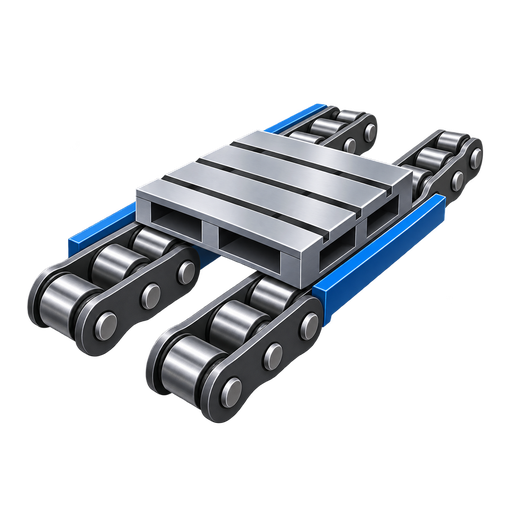
What are the advantages of using a slat conveyor chain?
A slat conveyor chain offers several advantages in material handling and conveying applications. Here are some key benefits:
1. Heavy-Duty Capacity:
– Slat conveyor chains are designed to handle heavy loads and can withstand rigorous industrial environments.
– They are commonly used in applications that require transporting large, bulky, or irregularly shaped items, such as automotive parts, pallets, or containers.
2. Flexibility:
– Slat chains can be customized and configured to suit specific conveying requirements. They are available in various widths, lengths, and chain configurations to accommodate different product sizes and shapes.
– The modular design of slat chains allows for easy modification or expansion of the conveyor system as production needs change.
3. Versatility:
– Slat chains can be used in both horizontal and inclined conveying applications. They are capable of moving products up or down slopes, making them suitable for production lines with varying elevations.
– These chains can be integrated with curves, turns, merges, and diverters to create complex conveying systems that optimize space utilization and product flow.
4. Durability and Longevity:
– Slat chains are typically made from robust materials such as steel or plastic, providing excellent durability and resistance to wear and tear.
– They can withstand demanding operating conditions, including high temperatures, corrosive environments, or exposure to chemicals.
5. Low Maintenance:
– Slat conveyor chains require minimal maintenance compared to other types of conveyor systems. They have fewer moving parts and typically operate with reduced friction.
– With proper lubrication and periodic inspection, slat chains can maintain their performance and reliability over an extended service life.
6. Easy Cleaning:
– The open design of slat chains allows for easy cleaning and debris removal. They are suitable for applications that require frequent sanitation or hygiene maintenance, such as in food processing or pharmaceutical industries.
Overall, using a slat conveyor chain offers the advantages of high load capacity, flexibility in design, versatility in conveying applications, durability, low maintenance requirements, and ease of cleaning. These features make slat chains an effective solution for various industries requiring efficient and reliable material handling.
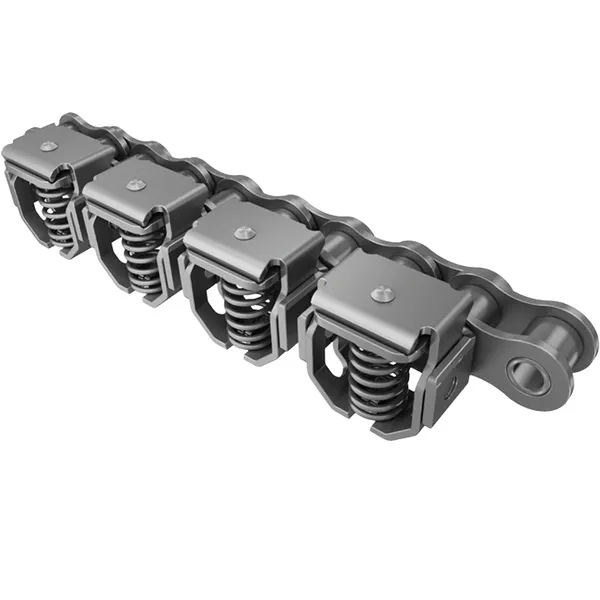
What are the best practices for storing and handling conveyor chains?
Proper storage and handling of conveyor chains are essential to maintain their performance, prevent damage, and prolong their lifespan. Here are some best practices to consider:
1. Clean and dry storage area: Store conveyor chains in a clean and dry environment to prevent the accumulation of dirt, dust, moisture, or contaminants that can affect their performance and cause corrosion.
2. Adequate support: Ensure that the stored conveyor chains are properly supported to prevent excessive bending or deformation. Use pallets, racks, or designated storage containers that can accommodate the weight and length of the chains.
3. Avoid excessive heat or cold: Conveyor chains should be stored in an area with a moderate temperature range to avoid extreme heat or cold that can affect the material properties or lubrication of the chains.
4. Protection against impacts and vibrations: Protect the stored chains from impacts or excessive vibrations that can cause damage or deformation. Use suitable packaging or covers to shield the chains from any potential physical damage.
5. Lubrication: Apply a thin layer of appropriate lubricant to the chains before storage to prevent corrosion and maintain their smooth operation. Follow the manufacturer’s recommendations for lubrication type and quantity.
6. Regular inspections: Periodically inspect the stored conveyor chains to ensure there are no signs of damage, corrosion, or deformation. If any issues are identified, take appropriate actions such as cleaning, lubricating, or replacing the chains.
7. Proper handling techniques: When handling conveyor chains, use appropriate lifting equipment or tools to avoid excessive strain or bending. Avoid dragging or dropping the chains, as this can cause damage to the chain links or attachments.
8. Training and awareness: Provide training to personnel involved in handling and storing conveyor chains to ensure they understand the proper procedures and best practices. Promote awareness of the importance of careful handling and storage to prevent accidents and maintain chain integrity.
By following these best practices, you can ensure the longevity and reliable performance of your conveyor chains, reducing the risk of downtime and costly repairs.

What are the different types of conveyor chains?
There are several types of conveyor chains available, each designed to meet specific application requirements. Here are some common types of conveyor chains:
- Roller chains: Roller chains are the most commonly used type of conveyor chain. They consist of a series of cylindrical rollers connected by side plates. Roller chains provide smooth and efficient movement and are suitable for medium to heavy-duty applications.
- Double pitch chains: Double pitch chains have larger pitch (distance between the centers of adjacent pins) compared to standard roller chains. They are often used in applications that require slower speeds and lighter loads.
- Hollow pin chains: Hollow pin chains have hollow pins that allow for easy attachment of various accessories or attachments. They are commonly used in conveying applications that require customization or where attachments need to be mounted.
- Apron or slat chains: Apron or slat chains consist of plates or slats that are connected by hinges. They are used in heavy-duty applications where the chain needs to support and carry large loads or withstand harsh environments.
- Plastic chains: Plastic chains are made of durable and lightweight materials such as acetal or polyethylene. They offer benefits such as corrosion resistance, low noise levels, and the ability to work in wet or washdown environments. Plastic chains are commonly used in food processing, packaging, and pharmaceutical industries.
These are just a few examples of conveyor chain types, and there are many other variations available depending on specific application requirements. The selection of the appropriate conveyor chain type depends on factors such as load capacity, speed, environment, and desired functionality.


editor by CX 2024-05-09