مصنوعات کی تفصیل
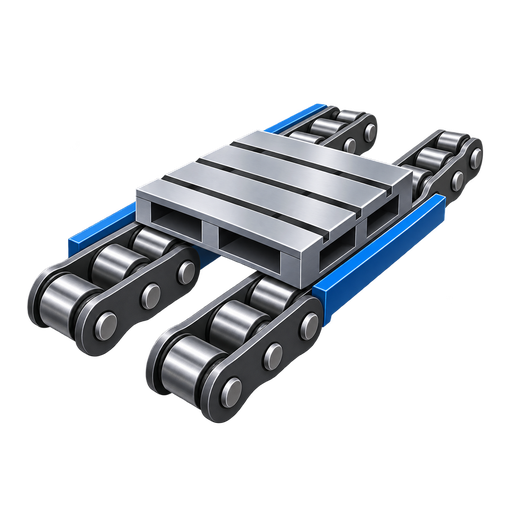
Industrial Standard Hot Selling China Professional 16A-G2 Top Rubber Conveyor Chain
مصنوعات کی تفصیل
1. Chain Material: Alloy steel & Stainless steel
2. Rubber Material: NBR & NR
3. Rubber hardness: Shore hardness 65-75, 75-85
4. Chain Surface Treatment: Shot peening & Blackening & Bluing
5. Chain Size:
08B-G1; 08B-G2, 10B-G1; 10B-G2, 12B-G1, 12B-G2, 16B-G1; 16B-G2, 20B-G1, 20B-G2; 24B-G1
| Product name | 16A-G2 Top Rubber Conveyor Chain |
| Materials Available | 1. Stainless Steel: SS304, SS316, etc |
| 2. Alloy Steel: 45Mn, 42CrMo, 20CrMo, etc | |
| 3. Appurtenant material: NR, NBR | |
| 4. OEM according to your request | |
| Surface Treatment | Shot peening, Blackening, Oxygenation, Polishing, Zinc-plated, Nickel-plated, Anodized, etc. |
| Characteristic | Fire Resistant, Oil Resistant, Heat Resistant |
| Design criterion | ISO DIN ANSI & Customer’s Drawing |
| Size | Customer’s Drawing & ISO standard |
| درخواست | Wood product factory, plywood factory |
| Package | Wooden Case / Container and pallet, or made-to-order |
| سرٹیفکیٹ | ISO9001: 2008 |
| Advantage | First quality, Best service, Competitive price, Fast delivery |
| Delivery Time | 20 days for samples. 45 days for official order. |
Detailed Photos
View more products,please click here…
Company Profile
/* جنوری 22، 2571 19:08:37 */!function(){function s(e,r){var a,o={};کوشش کریں{e&e.split(“,”).forEach(function(e,t){e&&(a=e.match(/(.*?):/.*)&T14)
| مواد: | Carbon Steel |
|---|---|
| ساخت: | Rubber Chain |
| سطح کا علاج: | Oil Blooming |
| سلسلہ کا سائز: | 16A-G2 |
| خصوصیت: | Oil Resistant |
| Sample: | for Free |
| نمونے: |
US$ 0/Meter
1 میٹر (کم سے کم آرڈر) | |
|---|
| Customization: |
Available
| Customized Request |
|---|

سنکنرن مزاحم کنویئر چین کو منتخب کرنے کے لئے کیا تحفظات ہیں؟
سنکنرن مزاحم کنویئر چین کا انتخاب کرتے وقت، زنجیر کی لمبی عمر اور سنکنرن ماحول میں کارکردگی کو یقینی بنانے کے لیے کئی عوامل پر غور کرنے کی ضرورت ہے۔ یہاں کچھ اہم تحفظات ہیں:
1. مواد کا انتخاب: ایک سلسلہ مواد کا انتخاب کریں جو موروثی طور پر سنکنرن کے خلاف مزاحم ہو۔ سٹینلیس سٹیل، جیسے AISI 304 یا AISI 316، اپنی بہترین سنکنرن مزاحمت کی خصوصیات کی وجہ سے ایک عام انتخاب ہے۔ دیگر مواد جیسے پلاسٹک کی زنجیریں یا خصوصی مرکبات کو بھی مخصوص درخواست کی ضروریات کی بنیاد پر سمجھا جا سکتا ہے۔
2. کوٹنگز اور سطحی علاج: بعض صورتوں میں، زنجیر کی سنکنرن مزاحمت کو بڑھانے کے لیے اضافی حفاظتی کوٹنگز یا سطح کے علاج کا اطلاق کیا جا سکتا ہے۔ یہ کوٹنگز، جیسے زنک چڑھانا، گالوانیائزنگ، یا ایپوکسی کوٹنگز، زنجیر کے مواد اور سنکنرن مادوں کے درمیان رکاوٹ پیدا کرتی ہیں، براہ راست رابطے کو روکتی ہیں اور سنکنرن کے خطرے کو کم کرتی ہیں۔
3. ماحولیاتی مطابقت: ماحول میں موجود مخصوص سنکنرن ایجنٹوں پر غور کریں جہاں کنویئر چین استعمال کیا جائے گا۔ مختلف سنکنرن مادے، جیسے تیزاب، الکلیس، یا نمکین پانی، کو مخصوص مزاحمتی خصوصیات کی ضرورت ہوتی ہے۔ اس بات کو یقینی بنائیں کہ منتخب کردہ زنجیر کا مواد اور کوٹنگز آپریٹنگ ماحول میں موجود corrosive ایجنٹوں کے ساتھ مطابقت رکھتی ہیں۔
4. دیکھ بھال اور چکنا: مناسب دیکھ بھال اور چکنا سنکنرن کو روکنے اور کنویئر چین کی زندگی کو بڑھانے میں ایک اہم کردار ادا کرتا ہے۔ باقاعدگی سے صفائی، معائنہ، اور مناسب چکنا کرنے والے مادوں کا استعمال سنکنرن آلودگیوں کو دور کرنے اور زنجیر کی سطح کو تنزلی سے بچانے میں مدد کر سکتا ہے۔
5. جانچ اور سرٹیفیکیشن: ان زنجیروں پر غور کریں جو متعلقہ صنعت کے معیارات میں سنکنرن مزاحمت کے لیے ٹیسٹنگ اور سرٹیفیکیشن سے گزر چکی ہیں۔ سنکنرن ماحول میں چین کی کارکردگی کو یقینی بنانے کے لیے ISO 9227 (نمک سپرے ٹیسٹ) یا ASTM B117 (سنکنرن مزاحمت ٹیسٹ) جیسی سرٹیفیکیشنز تلاش کریں۔
ان عوامل پر غور سے اور کنویئر چین مینوفیکچررز یا سنکنرن مزاحم ماہرین سے مشورہ کرکے، آپ ایک ایسی زنجیر کا انتخاب کر سکتے ہیں جو آپ کے مخصوص سنکنرن ماحول کے لیے موزوں ہو، سنکنرن سے متعلقہ مسائل کے خطرے کو کم سے کم کر کے اور بہترین کارکردگی اور لمبی عمر کو یقینی بنا سکے۔

How do you calculate the power requirements for a conveyor chain?
Calculating the power requirements for a conveyor chain involves considering various factors. Here’s a step-by-step process:
1. Determine the total weight to be transported: Measure or estimate the total weight of the material or product that will be carried by the conveyor chain. This includes the weight of the product itself, any packaging, and additional loads.
2. Determine the speed of the conveyor: Determine the desired speed at which the conveyor chain will operate. This is typically measured in feet per minute (FPM) or meters per second (m/s).
3. Calculate the required capacity: Multiply the total weight by the desired speed to determine the required capacity of the conveyor system. This will give you the weight per unit of time (e.g., pounds per minute or kilograms per hour).
4. Consider the conveyor’s design factors: Take into account various design factors such as the type and pitch of the conveyor chain, the coefficient of friction between the chain and the conveyor components, and any incline or decline angles of the conveyor system. These factors affect the power requirements.
5. Determine the required power: Use the following formula to calculate the power requirements:
Power (in horsepower) = (Capacity × Friction Factor) ÷ (33,000 × Efficiency)
Where:
– Capacity is the weight per unit of time (from step 3)
– Friction Factor is the ratio of chain tension to chain weight, taking into account the design factors
– 33,000 is a conversion factor to convert the units to horsepower
– Efficiency is the overall efficiency of the conveyor system, typically expressed as a decimal value (e.g., 0.95 for 95% efficiency)
6. Select a suitable motor: Based on the calculated power requirements, select a motor that can provide the necessary power to drive the conveyor chain. Consider factors such as motor type, motor efficiency, and overload capacity.
It’s important to note that the power requirements may vary depending on specific conveyor system designs and operating conditions. Consulting with a qualified engineer or conveyor manufacturer is recommended to ensure accurate calculations and proper motor selection.

What factors should be considered when designing a conveyor chain system?
When designing a conveyor chain system, several factors need to be considered to ensure optimal performance and functionality. These factors include:
- Load Capacity: The load capacity of the conveyor chain system is a critical consideration. It involves determining the maximum weight and size of the materials or products to be conveyed. This information helps in selecting the appropriate chain type, size, and strength to handle the expected load.
- Speed and Throughput: The desired speed at which the conveyor system needs to operate and the expected throughput of materials are important factors. They influence the selection of chain pitch, sprocket size, and motor power to achieve the desired conveyor speed and material handling capacity.
- Environmental Conditions: The operating environment plays a crucial role in the design of a conveyor chain system. Factors such as temperature, humidity, dust, corrosive substances, and presence of water or chemicals impact the selection of materials for the chain, sprockets, and other components to ensure durability and resistance to wear and corrosion.
- Conveyor Layout and Configuration: The layout and configuration of the conveyor system are key considerations. Factors such as available space, conveyor path, incline or decline angles, and any required curves or turns affect the selection of chain type, sprocket arrangement, and overall system design.
- Maintenance and Accessibility: Easy access for maintenance and servicing is crucial for the longevity and efficient operation of the conveyor chain system. Considering factors such as lubrication points, chain tension adjustment mechanisms, and overall accessibility for inspections and repairs ensures smooth operation and minimizes downtime.
- Noise and Vibration: The level of noise and vibration generated by the conveyor chain system can impact the working environment. Design considerations such as selecting chain types with low noise characteristics, implementing proper lubrication, and using vibration-damping components help minimize noise and vibration levels.
- Safety: Safety is of paramount importance in conveyor chain system design. Factors such as guarding, emergency stop systems, proper alignment, and anti-slip measures need to be incorporated to ensure the safety of operators and prevent accidents or injuries.
Considering these factors during the design stage helps in selecting the appropriate conveyor chain type, size, and configuration to meet the specific requirements of the application, ensuring smooth and efficient material handling operations.


editor by CX 2024-04-30