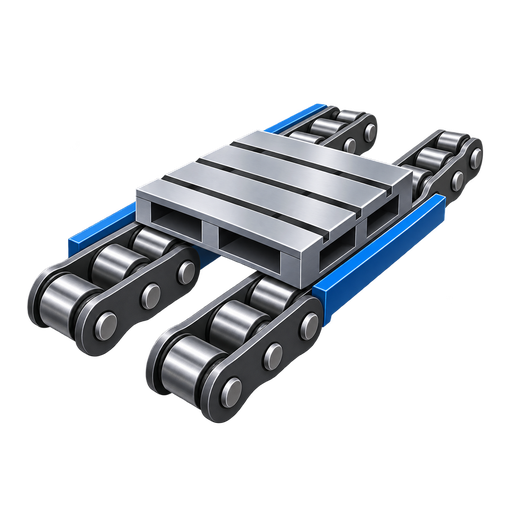
Опис продукту
ForgedScraper conveyor chain
P152F51/45/45A/45C/47/45D/45E/45F, P2000F29/29A, P101.6F20, RO6205MF3, MR56, MR80, MR224, MR315, FVR40/63/90/112
Forged chain , trolleys,carriers used on overhead conveyor production line.
Main products are Forge chain and trolley, welded link chain, Standard and non-standard stainless steel and carbon steel roller chain, Leaf chain, standard and non-standard conveyor chain, Scraper conveyor chain, Cranked link chain, double plus chain, double pitch transmission chain, plastic chain, sprockets and Other accessories.
Main products are Forge chain and trolley, welded link chain, Standard and non-standard stainless steel and carbon steel roller chain, Leaf chain, standard and non-standard conveyor chain, Scraper conveyor chain, Cranked link chain, double plus chain, double pitch transmission chain, plastic chain, sprockets and Other accessories.
The products can be combined to find the best possible solution for even the most demanding applications. Special solutions can also be developed for customers’ individual requirements.
Drop Forged Rivetless Chain, Drop Forged Chains, drop forged link,forged scraper chains.
1.Scraper chains P142,P142V,P142H,P200,P102,P250,P260
2.Detachable chain 51,52,55,57,62,74,78
3.Relevant overhead trolley&carriages&spare parts
4.as per your drawings or samples
| Drop forged detachable chains | X348,X458,X678,X698,F100,F160,P80,P100,P200 |
| CatterPilar Chains for | X348,X458,X678,X698 |
| Матеріал: | Alloy |
|---|---|
| Структура: | Combined Chain |
| Обробка поверхні: | Polishing |
| Розмір ланцюга: | 1/2"*3/32" |
| Функція: | Heat Resistant |
| Process: | Forging |
| Зразки: |
US$ 1/Piece
1 Piece(Min.Order) | |
|---|
| Customization: |
Available
| Customized Request |
|---|
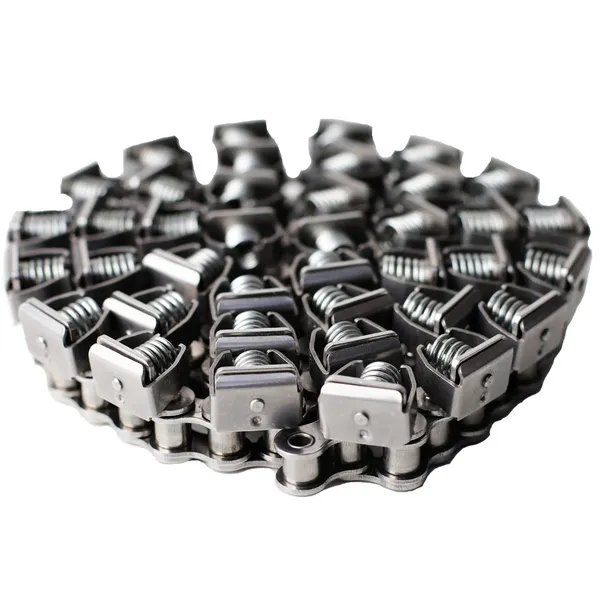
How do you calculate the chain pull force in a conveyor chain system?
The chain pull force, also known as the chain tension, is an important parameter to determine in a conveyor chain system. It represents the force required to move the conveyed load along the conveyor. The calculation of chain pull force involves several factors:
1. Weight of the Load: Determine the weight of the load being conveyed. This includes the weight of the product, packaging materials, and any additional equipment or components carried by the conveyor.
2. Friction Coefficients: Identify the friction coefficients between the load and the conveyor components. This includes the friction between the product and the conveyor chain, as well as the friction between the product and the conveyor bed or guides. These coefficients are typically provided by the manufacturer or can be obtained through testing.
3. Incline or Decline Angle: Consider the angle at which the conveyor operates. If the conveyor has an incline or decline, the angle will affect the force required to move the load.
4. Acceleration and Deceleration: Account for any acceleration or deceleration requirements in the conveyor system. If the conveyor needs to start or stop abruptly or if there are changes in speed, these factors will impact the chain pull force.
Once these factors are determined, the chain pull force can be calculated using the following formula:
Chain Pull Force = (Weight of Load + Friction Force) × (1 + Incline or Decline Factor) × (1 + Acceleration or Deceleration Factor)
It’s important to note that the accuracy of the calculation depends on the accuracy of the input values. Therefore, it’s recommended to consult the conveyor manufacturer or an engineering professional to ensure precise calculations and proper sizing of the conveyor chain.
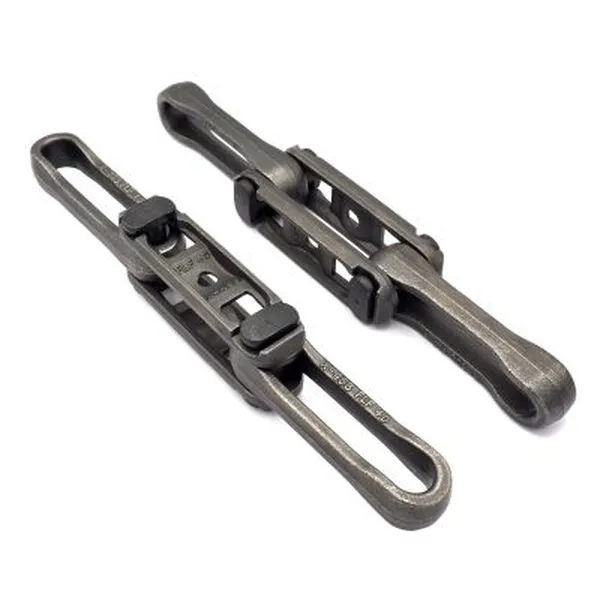
What are the safety measures for working with heavy-duty conveyor chains?
Working with heavy-duty conveyor chains requires strict adherence to safety measures to protect the workers and maintain a safe working environment. Here are some important safety measures to consider:
1. Proper Training: All personnel involved in working with conveyor chains should receive comprehensive training on the safe operation and maintenance of the equipment. This includes understanding the potential hazards, safety procedures, and proper use of personal protective equipment (PPE).
2. Equipment Inspection: Regular inspection of the conveyor chain and associated components is crucial to identify any signs of wear, damage, or malfunction. This includes checking for loose fasteners, worn sprockets, misalignment, and any other potential hazards. Any issues should be addressed promptly to prevent accidents.
3. Lockout/Tagout: Before performing any maintenance or repair tasks on the conveyor chain, proper lockout/tagout procedures must be followed. This ensures that the equipment is de-energized and isolated from any power source to prevent accidental startup or movement.
4. Personal Protective Equipment (PPE): Workers should wear appropriate PPE, including safety glasses, gloves, steel-toed boots, and hearing protection. The specific PPE requirements may vary depending on the nature of the work and the potential hazards involved.
5. Safe Work Practices: Workers should follow safe work practices, such as avoiding loose clothing or jewelry that can get caught in the chain, keeping hands and clothing clear of moving parts, and using proper lifting techniques when handling heavy loads.
6. Emergency Stop Systems: Conveyor systems should be equipped with emergency stop buttons or pull cords that allow workers to quickly stop the chain in case of an emergency or hazardous situation.
7. Regular Maintenance: Scheduled maintenance and lubrication of the conveyor chain should be performed according to the manufacturer’s recommendations. This helps to ensure optimal performance and minimize the risk of unexpected failures.
8. Clear Warning Signs and Labels: Proper signage, warning labels, and safety instructions should be clearly displayed near the conveyor chain system to remind workers of potential hazards and safe operating procedures.
9. Regular Safety Training and Communication: Ongoing safety training and communication among the workforce are vital to reinforce safe practices and raise awareness of any changes or updates to safety protocols.
By implementing these safety measures and fostering a safety-conscious culture, the risks associated with working with heavy-duty conveyor chains can be minimized, ensuring the well-being of the workers and the efficient operation of the equipment.
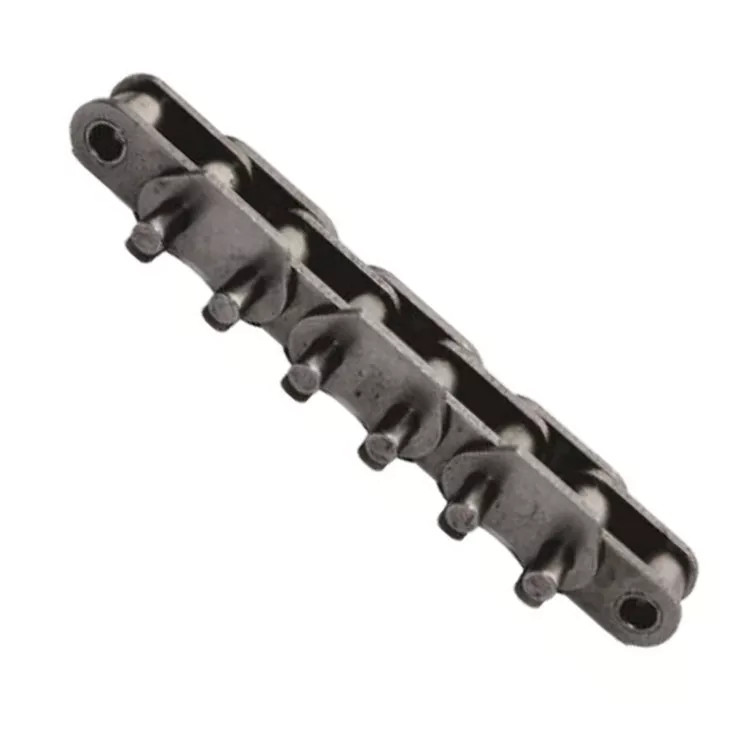
Can a conveyor chain be repaired or does it need to be replaced entirely?
In general, conveyor chains can be repaired in certain cases, but there are instances where replacement is necessary. Here are some considerations:
- Minor Damage: If the conveyor chain has minor damage, such as a broken link or a damaged pin, it may be possible to repair it by replacing the damaged components.
- Significant Wear: If the chain has significant wear, such as elongation or excessive corrosion, it may be more cost-effective to replace the entire chain rather than attempting repairs.
- Critical Components: Some conveyor chains have critical components that cannot be repaired, such as welded attachments or specialized features. In such cases, replacement is usually the only option.
- Manufacturer’s Recommendations: It’s important to consult the manufacturer’s recommendations regarding chain repairability. They can provide specific guidelines on when repair is feasible and when replacement is necessary.
Before deciding whether to repair or replace a conveyor chain, it’s recommended to assess the extent of damage, consider the overall condition of the chain, and evaluate the cost-effectiveness of each option. It’s always advisable to consult with a qualified professional or the chain manufacturer to determine the best course of action.


editor by CX 2023-10-11