Product Description
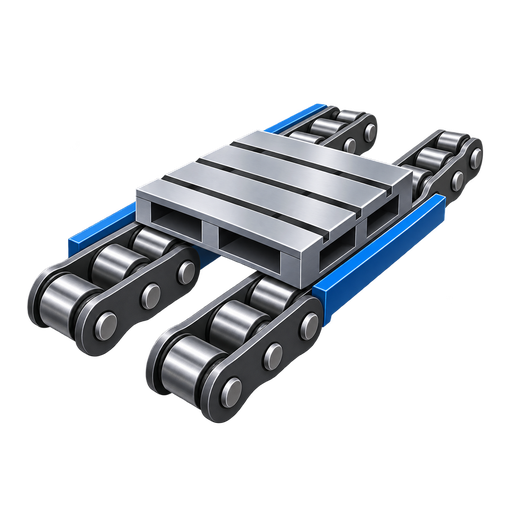
High Loading Capacity China Roller Chain QXG-240A Single and Double Chain-Sheet Conveyor Chain
|
Models |
QXG-150 |
QXG-150A |
QXG-150B |
QXG-200A |
QXG-206A |
QXG-240A |
QXG-250A |
QXG-300A |
|
Pitch of Chain(mm) |
150 |
150 |
150 |
200 |
206 |
240 |
250 |
300 |
|
Single Point Lifting(kg) |
8 |
8 |
8 |
30 |
30 |
50 |
50 |
100 |
|
Allowable Chain Tension(KN) |
2.5 |
2.5 |
2.5 |
3 |
3 |
5 |
5 |
10 |
|
Chain Breaking Force(KN) |
>25 |
>25 |
>25 |
>30 |
>30 |
>50 |
>50 |
>100 |
|
Weight(kg/m) |
2.83 |
2.83 |
2.83 |
5.5 |
5.7 |
6.5 |
6.8 |
11.5 |
|
Track Weight(kg/m) |
4.36 |
4.36 |
4.36 |
6.8 |
6.8 |
7.9 |
7.9 |
14.8 |
|
Running Speed (m/min) |
multi-speed |
multi-speed |
multi-speed |
multi-speed |
multi-speed |
multi-speed |
multi-speed |
multi-speed |
|
Pin Diameter(mm) |
7 |
7 |
7 |
9 |
9 |
10 |
10 |
16 |
|
Reduction Ratio |
1:10 |
1:10 |
1:10 |
1:10 |
1:10 |
1:10 |
1:10 |
1:10 |
|
Working Temperature |
-20~220 |
-20~220 |
-20~220 |
-20~220 |
-20~220 |
-20~220 |
-20~220 |
-20~220 |
|
Conveyor Power(KW) |
0.75,1.1,1.5 |
0.75,1.1,1.5 |
0.75,1.1,1.5 |
1.1, 1.5,2.2 |
1.1, 1.5,2.2 |
1.5, 2.2,3 |
1.5, 2.2,3 |
2.2,3,4 |
|
For more detailed parameters, please don’t hesitate to contact us The above parameters all can be customized to meet different customers special requirement including driving system When choosing the speed, the needed speed is suggested to be 0.6 to 0.8 times of the selected speed shit, which will enable the motor in a good working condition. |
||||||||
Other Products:
/* January 22, 2571 19:08:37 */!function(){function s(e,r){var a,o={};try{e&&e.split(“,”).forEach(function(e,t){e&&(a=e.match(/(.*?):(.*)$/))&&1
| Usage: | Transmission Chain, Transmission Chain |
|---|---|
| Material: | Alloy, Alloy |
| Surface Treatment: | Polishing, Polishing |
| Customization: |
Available
| Customized Request |
|---|
.shipping-cost-tm .tm-status-off{background: none;padding:0;color: #1470cc}
| Shipping Cost:
Estimated freight per unit. |
about shipping cost and estimated delivery time. |
|---|
| Payment Method: |
|
|---|---|
|
Initial Payment Full Payment |
| Currency: | US$ |
|---|
| Return&refunds: | You can apply for a refund up to 30 days after receipt of the products. |
|---|
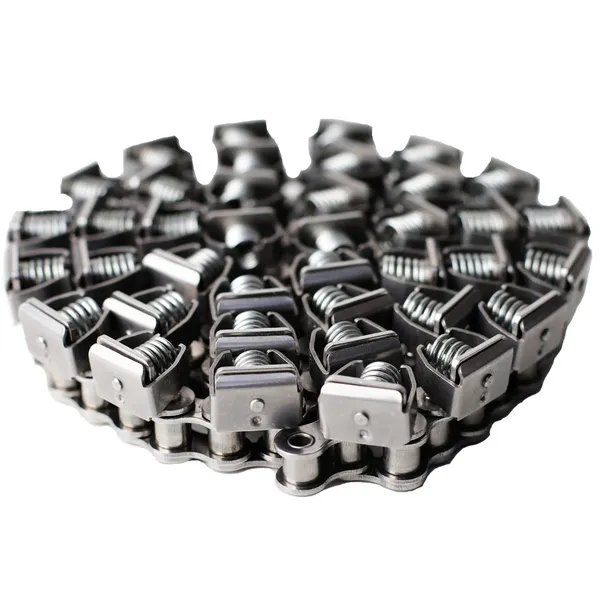
How do you calculate the chain pull force in a conveyor chain system?
The chain pull force, also known as the chain tension, is an important parameter to determine in a conveyor chain system. It represents the force required to move the conveyed load along the conveyor. The calculation of chain pull force involves several factors:
1. Weight of the Load: Determine the weight of the load being conveyed. This includes the weight of the product, packaging materials, and any additional equipment or components carried by the conveyor.
2. Friction Coefficients: Identify the friction coefficients between the load and the conveyor components. This includes the friction between the product and the conveyor chain, as well as the friction between the product and the conveyor bed or guides. These coefficients are typically provided by the manufacturer or can be obtained through testing.
3. Incline or Decline Angle: Consider the angle at which the conveyor operates. If the conveyor has an incline or decline, the angle will affect the force required to move the load.
4. Acceleration and Deceleration: Account for any acceleration or deceleration requirements in the conveyor system. If the conveyor needs to start or stop abruptly or if there are changes in speed, these factors will impact the chain pull force.
Once these factors are determined, the chain pull force can be calculated using the following formula:
Chain Pull Force = (Weight of Load + Friction Force) × (1 + Incline or Decline Factor) × (1 + Acceleration or Deceleration Factor)
It’s important to note that the accuracy of the calculation depends on the accuracy of the input values. Therefore, it’s recommended to consult the conveyor manufacturer or an engineering professional to ensure precise calculations and proper sizing of the conveyor chain.
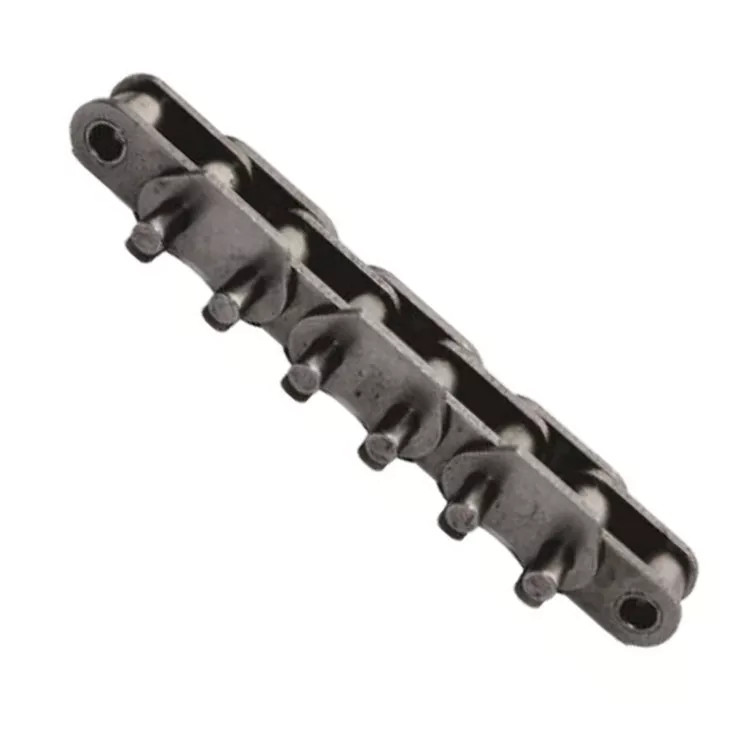
How do you prevent corrosion in conveyor chains?
Preventing corrosion in conveyor chains is essential for maintaining their performance and prolonging their lifespan. Here are some effective measures to prevent corrosion:
1. Material Selection: Choose conveyor chains made from corrosion-resistant materials such as stainless steel, plastic, or coatings specifically designed to resist corrosion. These materials offer better protection against rust and corrosion compared to standard steel chains.
2. Proper Lubrication: Apply a suitable lubricant to the conveyor chain regularly. Lubrication creates a protective barrier that helps prevent moisture and contaminants from reaching the metal surface, reducing the risk of corrosion. Select a lubricant that provides corrosion protection properties and is compatible with the chain material.
3. Environmental Controls: Control the operating environment to minimize exposure to corrosive elements. Implement measures such as humidity control, proper ventilation, and protection from direct contact with water or chemicals. Consider using covers or enclosures to shield the conveyor chain from environmental factors that can accelerate corrosion.
4. Surface Treatments: Apply corrosion-resistant coatings or treatments to the conveyor chain. These coatings can provide an additional protective layer that acts as a barrier against moisture and corrosive substances. Examples of surface treatments include zinc plating, galvanizing, or epoxy coatings.
5. Regular Inspections and Cleaning: Regularly inspect the conveyor chain for signs of corrosion or damage. Remove any accumulated dirt, debris, or corrosive substances promptly. Cleaning the chain helps prevent the buildup of contaminants that can accelerate corrosion.
6. Preventive Maintenance: Implement a preventive maintenance program that includes regular cleaning, lubrication, and inspection of the conveyor chain. This proactive approach helps identify and address any potential corrosion issues early on, preventing further damage.
7. Proper Storage: When not in use, store the conveyor chains in a dry and controlled environment. Protect them from exposure to moisture, humidity, and corrosive substances. Use appropriate storage methods, such as hanging the chains or storing them in sealed containers.
By following these preventive measures, you can significantly reduce the risk of corrosion in conveyor chains, ensuring their optimal performance and longevity.
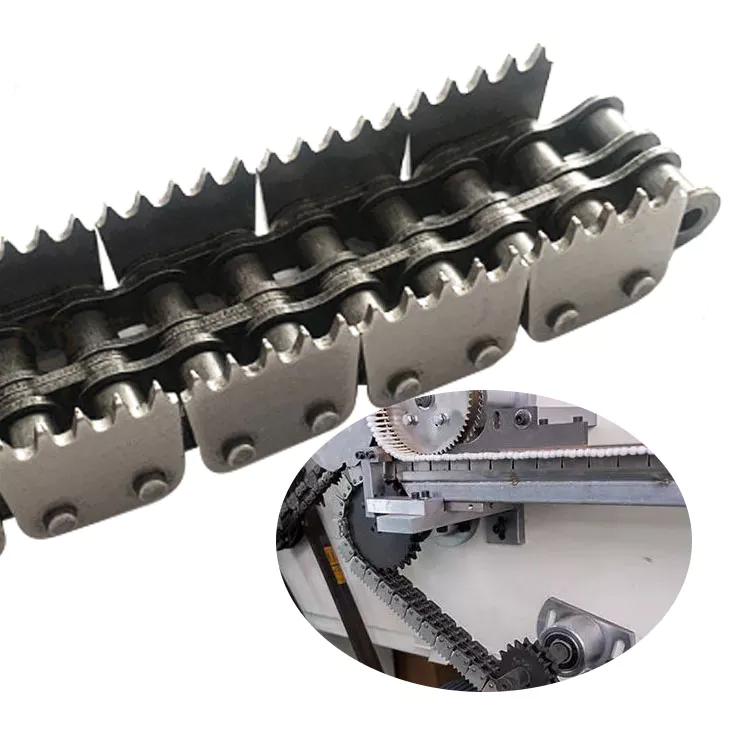
How do you properly tension a conveyor chain?
Properly tensioning a conveyor chain is crucial for its smooth operation and to prevent issues like chain slipping or excessive wear. Here are the steps to properly tension a conveyor chain:
- Identify the Tensioning Points: Determine the locations where the conveyor chain can be tensioned. These are typically at the ends of the chain or at specific tensioning devices.
- Loosen the Tensioning Devices: If there are tensioning devices in place, such as adjustable bolts or tensioning screws, loosen them to allow for adjustment.
- Apply Tension: Apply tension to the conveyor chain by either manually pulling the chain or using a tensioning tool. The amount of tension required depends on the chain type and the manufacturer’s recommendations.
- Check the Tension: Use a tension gauge or other suitable method to measure the tension of the conveyor chain. The tension should fall within the specified range provided by the chain manufacturer.
- Adjust the Tension: If the tension is too loose or too tight, make adjustments accordingly. Tighten or loosen the tensioning devices until the desired tension is achieved.
- Secure the Tensioning Devices: Once the proper tension is achieved, securely tighten the tensioning devices to hold the chain in place.
- Verify the Tension: After tensioning the chain, perform a visual inspection and run the conveyor to ensure the chain runs smoothly without excessive slack or tightness. Make any further adjustments if necessary.
It’s important to refer to the specific guidelines provided by the conveyor chain manufacturer for proper tensioning instructions, as the exact method may vary depending on the chain type and design. Regularly check the tension of the conveyor chain and make adjustments as needed to maintain optimal performance.


editor by CX 2024-05-06