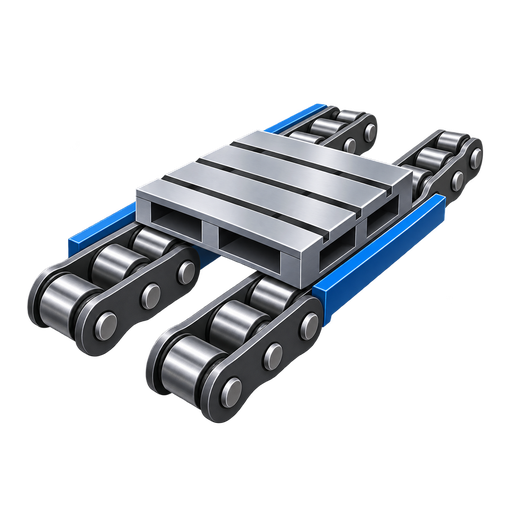
Descrição do produto
CZPT rollers enhance rotation on the bushing while reducing impact loads on the sprocket tooth during operation.
Todos os componentes são tratados termicamente para atingir a máxima resistência.
Pré-tensionado durante o processo de fabricação para minimizar o alongamento inicial.
A lubrificação por imersão a quente garante a lubrificação 100% de todos os componentes da corrente, prolongando sua vida útil e reduzindo os custos de manutenção.
| ISO NÃO. |
ANSI NÃO. |
TOM | ROLO LINK LARGURA |
ROLO DIA |
ALFINETE | PLACA | TRAÇÃO MÍNIMA FORÇA |
RESISTÊNCIA MÉDIA À TRAÇÃO FORÇA |
MÁX. PERMITIDO CARREGAR |
|||
| P | C | D | d | L | Lc | H | T | |||||
| mm | mm | mm | mm | mm | mm | mm | mm | kgf | kgf | kgf | ||
| C212AH | C2060H | 38.10 | 12.58 | 11.91 | 5.96 | 30.20 | 34.80 | 18.00 | 3.20 | 3,830 | 4,400 | 640 |
| C212AHL | C2062H | 38.10 | 12.58 | 22.23 | 5.96 | 30.20 | 34.80 | 18.00 | 3.20 | 3,830 | 4,400 | 640 |
| C216AH | C2080H | 50.80 | 15.75 | 15.88 | 7.94 | 37.40 | 42.80 | 24.10 | 4.00 | 6,820 | 8,000 | 1,100 |
| C216AHL | C2082H | 50.80 | 15.75 | 28.58 | 7.94 | 37.40 | 42.80 | 24.10 | 4.00 | 6,820 | 8,000 | 1,100 |
| C220H | C2100H | 63.50 | 18.90 | 19.05 | 9.54 | 44.50 | 50.60 | 30.10 | 4.80 | 10,650 | 12,500 | 1,900 |
| C220AHL | C2102H | 63.50 | 18.90 | 39.67 | 9.54 | 44.50 | 50.60 | 30.10 | 4.80 | 10,650 | 12,500 | 1,900 |
| C224AH | C2120H | 76.20 | 25.23 | 22.23 | 11.11 | 55.00 | 61.60 | 36.20 | 5.60 | 15,320 | 17,500 | 2,550 |
| C224AHL | C2122H | 76.20 | 25.23 | 44.45 | 11.11 | 55.00 | 61.60 | 36.20 | 5.60 | 15,320 | 17,500 | 2,550 |
| C232AH | C2160H | 101.60 | 31.55 | 28.58 | 14.29 | 69.40 | 77.30 | 48.20 | 7.10 | 27,240 | 29,500 | 4,300 |
| C232AHL | C2162H | 101.60 | 31.55 | 57.15 | 14.29 | 69.40 | 77.30 | 48.20 | 7.10 | 27,240 | 29,500 | 4,300 |
| Uso: | Transmission Chain, Conveyor Chain, Double Pitch Roller Chain |
|---|---|
| Material: | Aço liga/carbono |
| Tratamento de superfície: | Polimento |
| Recurso: | Resistente ao calor |
| Tamanho da corrente: | 1 1/2"*4" |
| Estrutura: | Corrente de rolos |
| Exemplos: |
US$ 10/Metro
1 metro (pedido mínimo) | |
|---|
| Personalização: |
Disponível
| Solicitação personalizada |
|---|
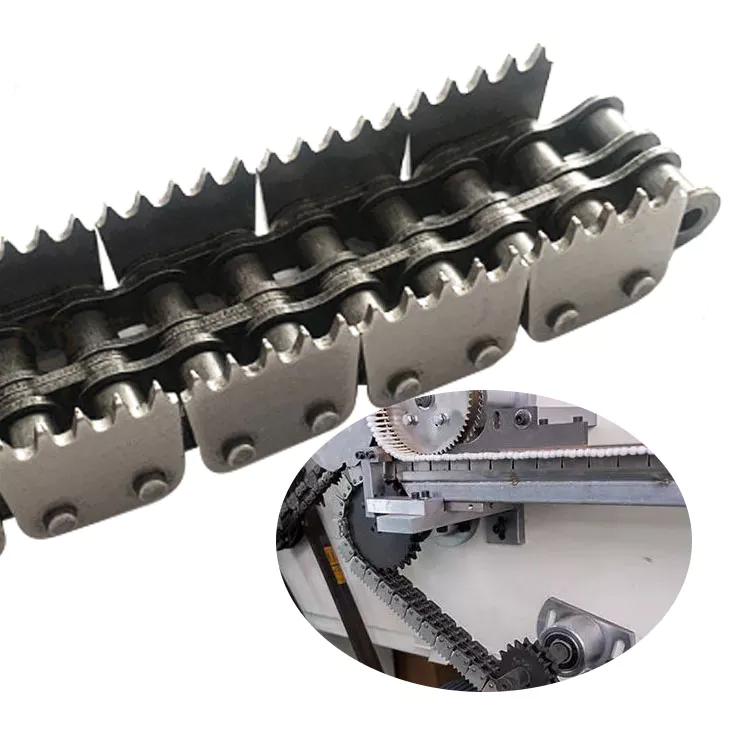
What are the benefits of using a silent conveyor chain?
A silent conveyor chain, also known as a noise-reducing conveyor chain, offers several advantages in conveyor system applications:
1. Noise Reduction:
– One of the primary benefits of using a silent conveyor chain is the significant reduction in noise levels. These chains are specifically designed to minimize the noise generated during operation, creating a quieter and more comfortable working environment.
2. Improved Work Environment:
– By reducing noise levels, a silent conveyor chain contributes to a better work environment, particularly in settings where noise reduction is important, such as manufacturing facilities, warehouses, and distribution centers. It helps reduce employee fatigue, enhances communication, and improves overall worker satisfaction.
3. Compliance with Noise Regulations:
– In some industries or regions, there are specific noise regulations that must be met. Using a silent conveyor chain helps ensure compliance with these regulations, avoiding potential penalties and legal issues.
4. Increased Productivity:
– A quieter working environment created by a silent conveyor chain can lead to increased productivity. With reduced noise distractions, employees can focus better on their tasks, resulting in improved efficiency and output.
5. Extended Chain and Equipment Life:
– Silent conveyor chains are often designed with advanced materials and technologies that offer enhanced wear resistance and durability. They can withstand heavy loads, reduce friction, and minimize wear and tear on both the chain and the associated equipment, resulting in longer service life and reduced maintenance costs.
6. Versatility:
– Silent conveyor chains are available in various configurations and designs, making them compatible with a wide range of conveyor systems and applications. They can be used in different industries, including automotive, food processing, packaging, and more.
When considering a silent conveyor chain, it is important to consult with a reputable chain manufacturer or supplier to ensure the chain meets the specific requirements of the application.
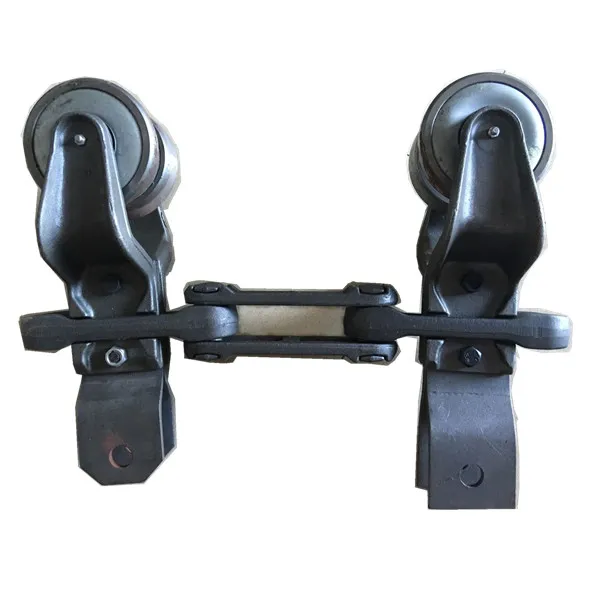
What are the design considerations for a long-span conveyor chain conveyor?
Designing a long-span conveyor chain conveyor requires careful consideration of various factors to ensure its efficiency, safety, and reliability. Here are some key design considerations:
1. Conveyor Chain Selection: Choose a conveyor chain that is suitable for long spans and can withstand the required load capacity. Consider factors such as chain material, pitch, strength, and durability to ensure it can handle the anticipated load and operating conditions.
2. Conveyor Structure: The conveyor structure should be designed to provide sufficient support and stability for the long span. Consider factors such as material strength, rigidity, and deflection to ensure the structure can handle the weight of the conveyor chain, the product being transported, and any additional loads.
3. Drive System: Select an appropriate drive system that can efficiently power the long-span conveyor chain. Consider factors such as motor power, speed, torque, and control mechanisms to ensure smooth and reliable operation.
4. Tensioning and Alignment: Proper tensioning and alignment of the conveyor chain are critical for its performance and longevity. Design the system with adequate provisions for tensioning devices and alignment mechanisms to maintain optimal chain tension and alignment throughout the conveyor’s length.
5. Supports and Bearings: Install adequate supports and bearings along the length of the conveyor to reduce chain sagging, minimize friction, and ensure smooth movement. Consider factors such as bearing type, lubrication, and maintenance requirements.
6. Conveyor Controls and Safety: Implement appropriate controls and safety features to monitor and control the operation of the long-span conveyor chain. This may include emergency stop systems, speed monitoring, overload protection, and safety interlocks.
7. Environmental Factors: Consider the environmental conditions in which the conveyor will operate, such as temperature, humidity, dust, and corrosive substances. Select materials and components that can withstand these conditions and implement proper ventilation, dust collection, and corrosion protection measures.
8. Maintenance and Accessibility: Design the conveyor system with ease of maintenance and accessibility in mind. Provide sufficient access points, walkways, and platforms for inspection, cleaning, and maintenance tasks. Consider factors such as lubrication points, conveyor cleaning systems, and easy replacement of worn components.
9. Future Expansion and Flexibility: Anticipate future needs for expansion or modifications and design the long-span conveyor chain conveyor with flexibility in mind. This may include allowing for additional conveyor sections, transfer points, or integration with other equipment.
By considering these design considerations, a long-span conveyor chain conveyor can be efficiently designed and optimized for its intended application, ensuring reliable and cost-effective material handling operations.
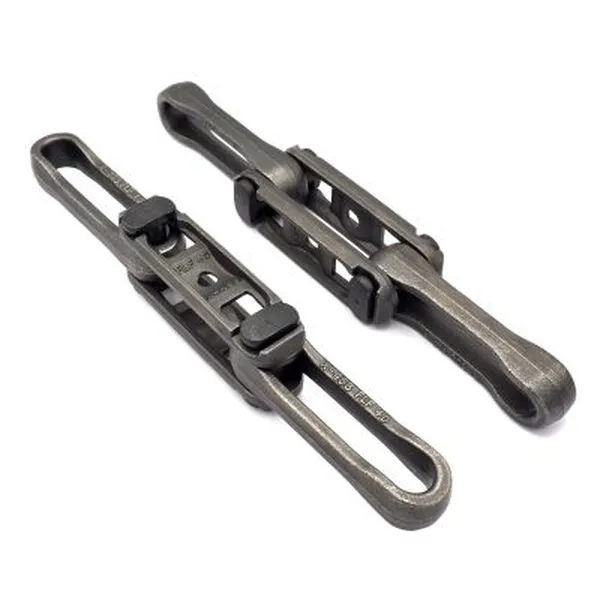
Como prevenir falhas em correntes transportadoras?
Prevenir falhas em correntes transportadoras é crucial para manter a eficiência e a confiabilidade de um sistema de transporte. Aqui estão algumas medidas preventivas importantes:
- Inspeção e manutenção regulares: Implemente um cronograma de inspeção e manutenção de rotina para identificar problemas potenciais antes que se agravem. Inspecione regularmente a corrente em busca de sinais de desgaste, como alongamento, desgaste das placas dos elos e desgaste dos dentes da roda dentada. Corrija imediatamente quaisquer danos ou anormalidades visíveis.
- Lubrificação adequada: Aplique o lubrificante apropriado na corrente transportadora para minimizar o atrito e reduzir o desgaste. A lubrificação ajuda a prevenir o contato metal-metal, a corrosão e a geração excessiva de calor. Siga as recomendações do fabricante quanto à frequência de lubrificação e utilize lubrificantes adequados às condições de operação.
- Tensionamento: Mantenha a tensão adequada na corrente transportadora para garantir o desempenho ideal e reduzir o risco de falhas. Tanto o excesso quanto a falta de tensão podem causar desgaste prematuro ou danos à corrente. Siga as orientações do fabricante para o tensionamento e verifique e ajuste a tensão regularmente, conforme necessário.
- Manutenção da roda dentada: Inspecione e faça a manutenção das rodas dentadas que se encaixam na corrente transportadora. Verifique se há sinais de desgaste ou danos nos dentes das rodas dentadas e substitua-as, se necessário. Assegure o alinhamento correto entre a corrente e as rodas dentadas para evitar desgaste excessivo e o deslizamento da corrente.
- Considerações ambientais: Leve em consideração os fatores ambientais que podem afetar o desempenho da corrente transportadora. Proteja a corrente da exposição à umidade, substâncias corrosivas, calor excessivo ou materiais abrasivos. Implemente medidas de segurança adequadas, como coberturas ou invólucros, para minimizar o impacto ambiental sobre a corrente.
- Carregamento adequado: Certifique-se de que a corrente transportadora não seja submetida a cargas excessivas além de sua capacidade. A sobrecarga pode levar ao desgaste acelerado e à falha da corrente. Respeite os limites de carga e as diretrizes recomendadas pelo fabricante da corrente.
- Treinamento de operadores: Forneça treinamento adequado aos operadores e à equipe de manutenção sobre os procedimentos corretos de operação, manutenção e segurança relacionados ao sistema de corrente transportadora. Instrua-os sobre como identificar problemas potenciais, realizar inspeções de rotina e relatar quaisquer anormalidades.
Ao implementar essas medidas preventivas, você pode reduzir significativamente o risco de falhas na corrente transportadora e prolongar sua vida útil. O monitoramento e a manutenção regulares são essenciais para garantir que o sistema opere de forma eficiente e segura.


editor by CX 2023-08-21