Descripción del Producto
HangZhou HAYING TECHNOLOGY INDUSTRIES CO., LTD
We are a research and development production, distribution in 1 of the business enterprises. The main production of Marine anchor chain and hoist ring chain, hoist chain and various accessories.
Founded in 1965, has been producing Marine anchor chain (13-46) and elevator ring chain (13-30), plate chain and various types of machine accessories. Also distributes Japanese standard, American standard, German standard series chain, sprocket, can be processed according to the user’s drawing.
Products are widely used in agricultural machinery, lifting platform, food machinery, metallurgical machinery, mining machinery, engineering machinery, road construction machinery, CNC machinery and other industries.
Our high-quality products have won the recognition of the majority of users, the current products are not only sold to more than 30 provinces and cities in the country, but also exported to many countries in Asia, Europe and America.
Our company has a complete and scientific quality management system, we regard quality as the core element of the long-term development of enterprises. And has a mature production technology, good service attitude of the team. We will continue to strengthen the technology research and development and manufacturing capabilities of high-end products, and continue to introduce products with market competitiveness to meet the needs of our customers.
Descripción del Producto
Large conveying capacity: conveying capacity up to 100m3/h
Long service life: The high strength wear-resistant chain made of alloy steel by advanced heat treatment means can ensure the service life of the conveyor chain for 3-5 years under normal continuous use
Wide lifting range: it can not only lift powder and granular materials, but also lift large grinding materials and materials with temperatures up to 200ºC
High lifting height: under the rated conveying capacity, the lifting height can reach 50m. Materials with high humidity and strong viscosity should not be selected
/* 22 de enero de 2571 19:08:37 */!function(){function s(e,r){var a,o={};try{e&&e.split(“”,).forEach(function(e,t){e&&(a=e.match(/(.*?):(.*)$/))&&1
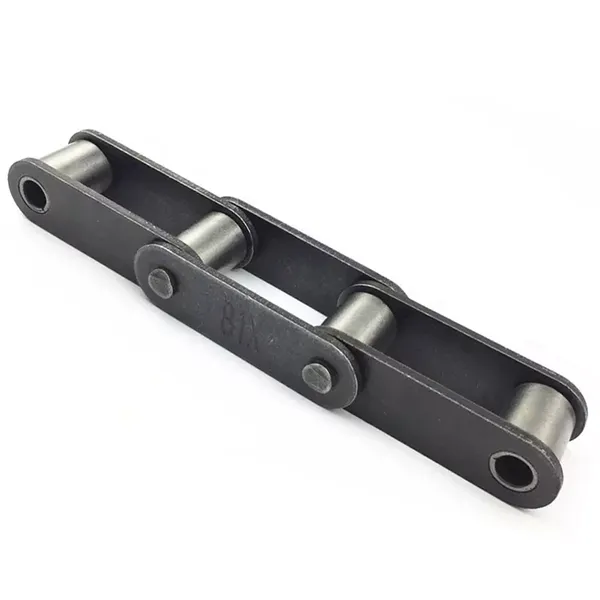
| Material: | Iron |
|---|---|
| Estructura: | Welded Chain |
| Tratamiento de superficie: | Pulido |
| Tamaño de la cadena: | 1/2"*11/128" |
| Característica: | Resistente al calor |
| Transport Package: | Wooden Box |
| Personalización: |
Disponible
| Solicitud personalizada |
|---|
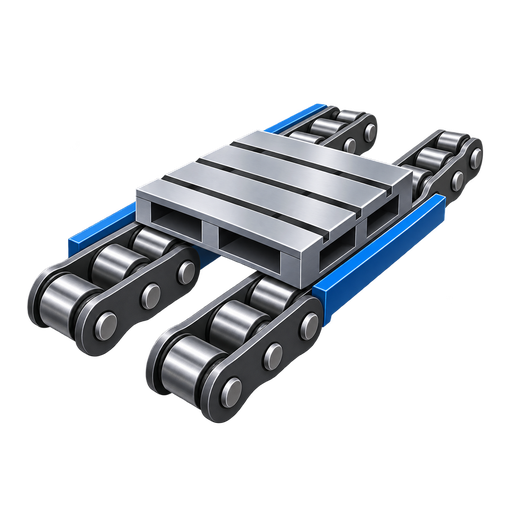
¿Cómo gestiona una cadena transportadora el transporte en pendientes o descensos?
Una cadena transportadora está diseñada para manejar diversos tipos de transporte, incluyendo aplicaciones inclinadas o descendentes. Así es como una cadena transportadora maneja estas situaciones:
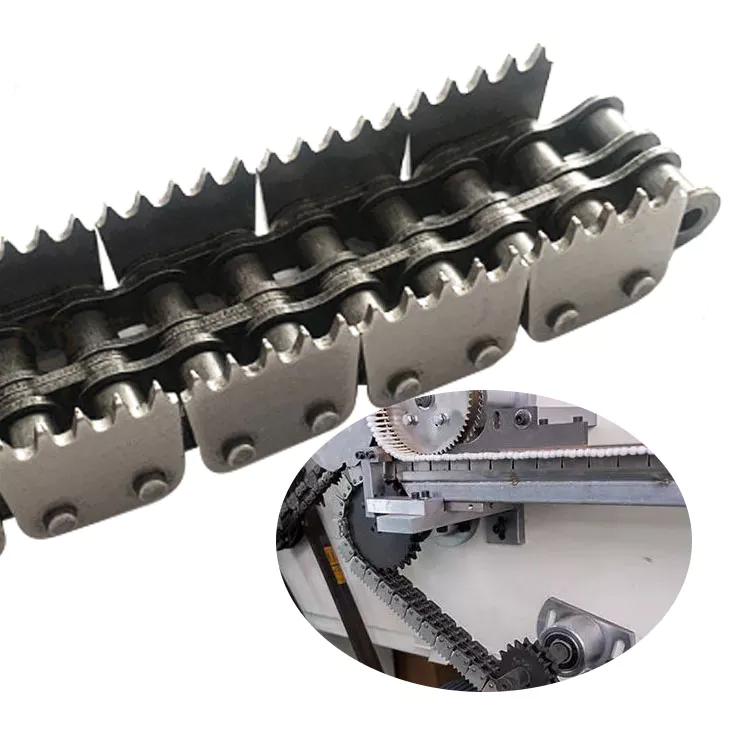
1. Transporte inclinado: Cuando se requiere un sistema de transporte para mover materiales cuesta arriba, se utiliza una cadena transportadora inclinada. El diseño de la cadena incluye fijaciones o tacos especiales que proporcionan un agarre adicional y evitan que el material resbale o retroceda. Estas fijaciones están estratégicamente ubicadas a lo largo de la cadena para garantizar un transporte eficaz en pendientes.
2. Transporte en pendiente descendente: Para transportadores que mueven materiales cuesta abajo, se utiliza una cadena transportadora en pendiente descendente. Al igual que en el transporte en pendiente inclinada, la cadena puede tener accesorios o tacos especiales que ayudan a controlar la velocidad y evitan que el material se deslice demasiado rápido. Estos accesorios mantienen el material en su lugar y garantizan un flujo descendente controlado y eficiente.
Tanto el transporte en pendiente como en descenso requieren una cuidadosa consideración del diseño de la cadena, incluyendo el tipo y la disposición de los accesorios. El tamaño, la forma y el peso del material transportado también influyen en la configuración adecuada de la cadena. Es importante consultar con fabricantes o expertos en cadenas transportadoras para seleccionar la cadena y los accesorios correctos para aplicaciones específicas en pendiente o descenso.

How does a conveyor chain contribute to overall production efficiency?
A conveyor chain plays a crucial role in enhancing overall production efficiency in various industries. Here are the ways in which it contributes to efficiency:
1. Continuous Material Flow: A conveyor chain enables continuous and uninterrupted material flow from one point to another. It eliminates the need for manual handling or transportation of goods, reducing downtime and delays in production processes.
2. Increased Throughput: By automating material handling, a conveyor chain enables faster and more efficient movement of goods. It allows for higher throughput and production rates, maximizing the utilization of resources and reducing cycle times.
3. Improved Productivity: With a conveyor chain, employees can focus on value-added tasks rather than manual material handling. This leads to improved productivity as workers can concentrate on more skilled and critical operations.
4. Efficient Resource Allocation: A well-designed conveyor chain system optimizes the utilization of space, allowing for efficient layout and organization of production areas. It helps in streamlining workflow and minimizing wastage of resources such as floor space, manpower, and equipment.
5. Quality Control: Conveyor chains can be integrated with inspection stations or automated processes to ensure quality control at various stages of production. This helps in detecting and rectifying any defects or inconsistencies, reducing the chances of faulty products reaching the market.
6. Reduced Material Handling Costs: By eliminating or minimizing manual material handling, a conveyor chain reduces labor costs associated with transportation, lifting, and carrying of goods. It also minimizes the risk of injuries or accidents related to manual handling.
7. Flexibility and Adaptability: Conveyor chains can be customized to suit specific production requirements. They can be designed to accommodate different types of products, handle various load capacities, and adapt to changes in production demands. This flexibility allows for seamless integration with existing production systems and easy scalability.
8. Safety and Ergonomics: Conveyor chains incorporate safety features such as guards, emergency stop buttons, and interlocks to ensure worker safety. They also promote ergonomic practices by reducing physical strain on workers and minimizing the risk of musculoskeletal injuries.
Overall, a well-designed and properly maintained conveyor chain system enhances production efficiency by optimizing material flow, increasing throughput, improving productivity, reducing costs, ensuring quality control, and prioritizing worker safety.
How do you properly tension a conveyor chain?
Properly tensioning a conveyor chain is crucial for its smooth operation and to prevent issues like chain slipping or excessive wear. Here are the steps to properly tension a conveyor chain:
- Identify the Tensioning Points: Determine the locations where the conveyor chain can be tensioned. These are typically at the ends of the chain or at specific tensioning devices.
- Loosen the Tensioning Devices: If there are tensioning devices in place, such as adjustable bolts or tensioning screws, loosen them to allow for adjustment.
- Apply Tension: Apply tension to the conveyor chain by either manually pulling the chain or using a tensioning tool. The amount of tension required depends on the chain type and the manufacturer’s recommendations.
- Check the Tension: Use a tension gauge or other suitable method to measure the tension of the conveyor chain. The tension should fall within the specified range provided by the chain manufacturer.
- Adjust the Tension: If the tension is too loose or too tight, make adjustments accordingly. Tighten or loosen the tensioning devices until the desired tension is achieved.
- Secure the Tensioning Devices: Once the proper tension is achieved, securely tighten the tensioning devices to hold the chain in place.
- Verify the Tension: After tensioning the chain, perform a visual inspection and run the conveyor to ensure the chain runs smoothly without excessive slack or tightness. Make any further adjustments if necessary.
It’s important to refer to the specific guidelines provided by the conveyor chain manufacturer for proper tensioning instructions, as the exact method may vary depending on the chain type and design. Regularly check the tension of the conveyor chain and make adjustments as needed to maintain optimal performance.


editor by CX 2024-05-03