Produktbeschreibung
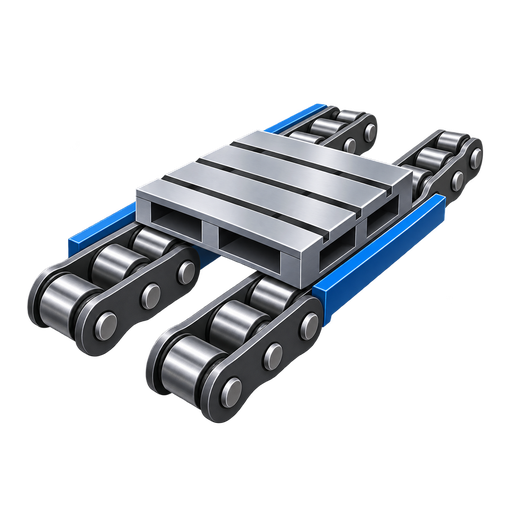
| CHOHO Chain No. | P/mm | h2/mm | W/mm | b1/mm | d4/mm | |||||||||||||||||||
| CA550F19 | 41.40 | 20.20 | 79.40 | 19.80 | 10.30 | |||||||||||||||||||
| CA550HDF5 | 41.40 | 20.20 | 102.10 | 19.05 | 10. Abbreviation: CHOHO Industry. √ HangZhou CHOHO Industrial Co., Ltd. was founded in 1999. Has become the leader of chain system technology, the first batch of natioal recognized enterprise technology center,national technology innovation demonstration enterprise,and the first A-share listed company in China’s chain drive industry.The securities code is 003033.
We are very close to the port of HangZhou, which saves a lot of logistics costs and transportation time! We have our own logistics company and transportation department. If you need me to deliver goods to your warehouse or other ports in China, such as ZheJiang Port and ZheJiang Port, we can also do it!
√ CHOHO has a natural brand awareness. As of January 2571, CHOHO has registered the “CHOHO” trademark in more than 60 countries, including the United States, Japan, the United Kingdom, France, Germany, Russia, Spain, Austria, Belgium, Bulgaria, Croatia, Czech Republic, Denmark, Finland, Greece , Hungary, Ireland, Italy, Netherlands, Poland, Portugal, Romania, Ukraine, Sweden, Australia, Algeria, Egypt, Kenya, Morocco, South Korea, Kazakhstan, Mongolia, Syria, Thailand, Pakistan, India, Brazil, Mexico, Colombia, etc. CHOHO has been invited to participate in many international exhibitions around the world, including industrial exhibitions, agricultural exhibitions, motorcycle exhibitions, engine exhibitions, such as Hannover Messe, Bologna Fair, Canton Fair ,VIV ASIA and other world famous exhibitions! COOPERATIVE CLIENT Broad Customer Channels Market Continues to Develop! Choho Provide Chain System Solutions for The Global Top 500 and The Enterprises in Various Fields Top 10! Häufig gestellte Fragen 1. Sind Sie ein Hersteller oder ein Handelsunternehmen?
How do you calculate the chain pull force in a conveyor chain system?The chain pull force, also known as the chain tension, is an important parameter to determine in a conveyor chain system. It represents the force required to move the conveyed load along the conveyor. The calculation of chain pull force involves several factors: 1. Weight of the Load: Determine the weight of the load being conveyed. This includes the weight of the product, packaging materials, and any additional equipment or components carried by the conveyor. 2. Friction Coefficients: Identify the friction coefficients between the load and the conveyor components. This includes the friction between the product and the conveyor chain, as well as the friction between the product and the conveyor bed or guides. These coefficients are typically provided by the manufacturer or can be obtained through testing. 3. Incline or Decline Angle: Consider the angle at which the conveyor operates. If the conveyor has an incline or decline, the angle will affect the force required to move the load. 4. Acceleration and Deceleration: Account for any acceleration or deceleration requirements in the conveyor system. If the conveyor needs to start or stop abruptly or if there are changes in speed, these factors will impact the chain pull force. Once these factors are determined, the chain pull force can be calculated using the following formula: Chain Pull Force = (Weight of Load + Friction Force) × (1 + Incline or Decline Factor) × (1 + Acceleration or Deceleration Factor) It’s important to note that the accuracy of the calculation depends on the accuracy of the input values. Therefore, it’s recommended to consult the conveyor manufacturer or an engineering professional to ensure precise calculations and proper sizing of the conveyor chain.
Kann eine Förderkette auch für Schwerlastanwendungen eingesetzt werden?Ja, Förderketten eignen sich auch für anspruchsvolle Anwendungen. Sie sind speziell für den Transport schwerer Lasten und einen zuverlässigen Gütertransport in industriellen Umgebungen ausgelegt. Folgende Faktoren machen Förderketten für Schwerlastanwendungen geeignet: 1. Robuste Konstruktion: Förderketten werden typischerweise aus hochfesten Werkstoffen wie legiertem Stahl, Edelstahl oder gehärtetem Kohlenstoffstahl gefertigt. Diese Werkstoffe bieten eine ausgezeichnete Haltbarkeit und widerstehen den hohen Belastungen und rauen Betriebsbedingungen, die in Schwerlastanwendungen üblicherweise auftreten. 2. Hohe Tragfähigkeit: Förderketten sind für den Transport hoher Lasten ausgelegt, darunter schwere Produkte, Schüttgüter oder große Bauteile. Die Ketten sind mit geeigneter Teilung, Gliederabmessungen und Festigkeit konstruiert, um einen zuverlässigen Transport schwerer Güter zu gewährleisten. 3. Dauerfestigkeit: Förderketten sind so konstruiert, dass sie der durch den Dauerbetrieb unter hohen Lasten verursachten Belastung und Ermüdung standhalten. Sie werden speziellen Wärmebehandlungen und Oberflächenhärtungsverfahren unterzogen, um ihre Beständigkeit gegen Verschleiß, Ermüdung und Verformung zu verbessern. 4. Anpassungsmöglichkeiten: Förderketten lassen sich individuell an die spezifischen Anforderungen von Schwerlastanwendungen anpassen. Dies umfasst die Auswahl des geeigneten Kettentyps, der Teilung, der Befestigungskonstruktion und der Oberflächenbeschichtung für verbesserte Leistung und Langlebigkeit. 5. Kompatibilität mit Schwerlastanlagen: Förderketten sind so konzipiert, dass sie sich nahtlos in Schwerlastfördersysteme mit großen Motoren, Antrieben und Tragkonstruktionen integrieren lassen. Dies gewährleistet eine optimale Kraftübertragung und einen reibungslosen Betrieb auch unter anspruchsvollen Bedingungen. 6. Sicherheitsmerkmale: Förderketten für Schwerlastanwendungen verfügen häufig über Sicherheitsmerkmale wie Überlastschutz, Not-Aus-Schalter und Überwachungssysteme, um die Sicherheit der Bediener zu gewährleisten und Schäden an der Ausrüstung zu verhindern. Für die Auswahl der passenden Förderkette und Systemkomponenten für die jeweilige Schwerlastanwendung ist es wichtig, einen qualifizierten Ingenieur oder Förderanlagenhersteller zu konsultieren. Diese können Sie hinsichtlich Kettenauswahl, Systemauslegung und Wartungspraktiken beraten, um optimale Leistung und Zuverlässigkeit zu gewährleisten.
What safety precautions should be followed when working with conveyor chains?Working with conveyor chains involves potential hazards, and it is essential to follow proper safety precautions to ensure the well-being of workers and prevent accidents. Here are some important safety measures to consider:
These safety precautions are general guidelines, and it’s important to consult and adhere to specific safety regulations and guidelines provided by the equipment manufacturer and relevant safety authorities. Regular safety training, awareness, and a proactive safety culture are crucial in maintaining a safe working environment when working with conveyor chains.
|