وصف المنتج
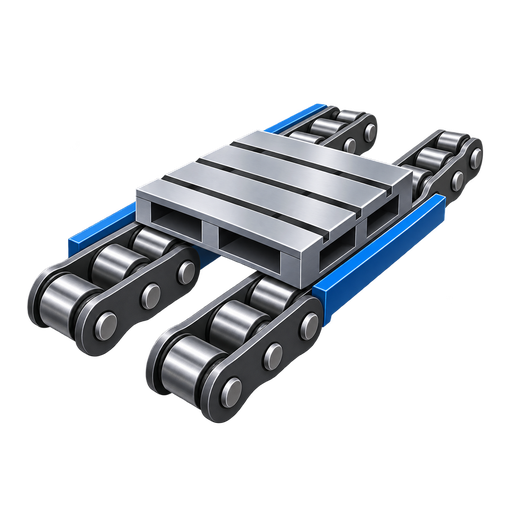
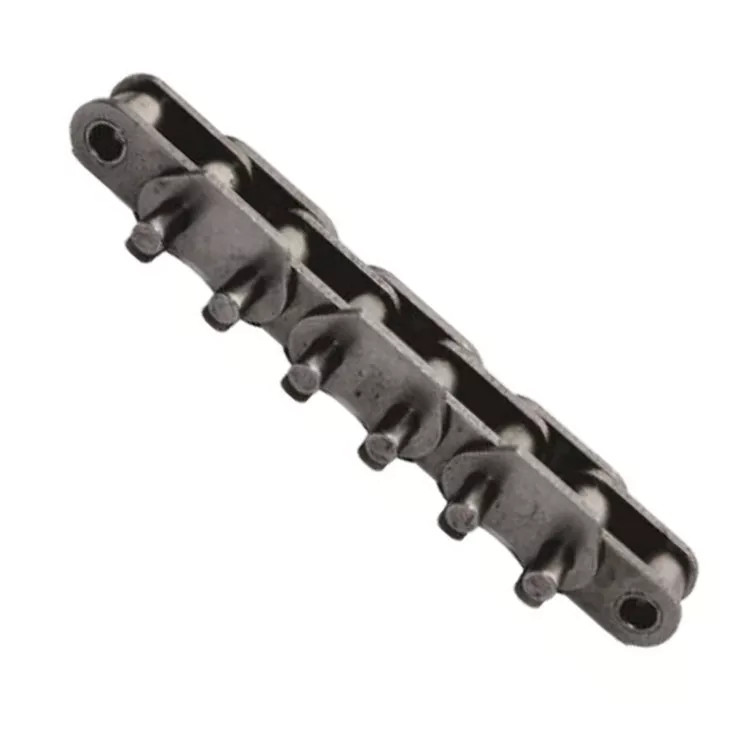
Double Pitch Conveyor Chain with K1 Attachments
Products are made of high quality alloy steel production. The plates are punched and squeezed bores by precision technology. The pin, bush, roller are machined by high-efficiency automatic equipment and automatic grinding equipment, then through heat treatment of carburization, carbon and nitrogen protection mesh belt furnace, surface blasting process etc. Assembled precision by Internal hole position, spin riveted by pressure to ensure the performance of the entire chain.
Specifications
| Technique Treatment | |||
| 1 | Shot Peening | 8 | Tempering |
| 2 | Bluing | 9 | Oiling |
| 3 | Nickel-plated | 10 | Greasing |
| 4 | Zincing | 11 | Special color |
| 5 | Heat Treatment | 12 | Stain proofing |
| 6 | Carburizing | 13 | Pre-stretched and anti-fatigue |
| 7 | Quenching | ||
Our Service
1. Any of your kind inquiry conveyor chain would be replied within 24 hours.
2. Well-trained and experienced sales staffs will reply all your concerns in fluent English.
3. OEM services are available with us, our professional designer would make your private idea into being.
4. Protection of your sales area, ideas of design and all your private information.
5. Delivery by air mail or ship for your orders.
Why choose us1. We are the manufacture.
2. We have near 30 years experience of making chains and chain links.
3. Our design team has extensive experience in the chain design.
4. Best service and prompt delivery.
5. We offer various styles, size and colors to meet your requirement.
6. We covering a production area of 18750 square CHINAMFG have more than 200 employees and we have a complete set of testing equipment to ensure our quality. /* January 22, 2571 19:08:37 */!function(){function s(e,r){var a,o={};try{e&&e.split(“,”).forEach(function(e,t){e&&(a=e.match(/(.*?):(.*)$/))&&1
| Usage: | Transportation Chain |
|---|---|
| مادة: | Alloy/Carbon Steel |
| معالجة السطح: | Oxygenation |
| ميزة: | Oil Resistant |
| حجم السلسلة: | C2082 C2080 C2082h C2080h |
| بناء: | Roller Chain |
| أمثلة: |
US$ 13/Meter
متر واحد (الحد الأدنى للطلب) | |
|---|
| Customization: |
Available
| Customized Request |
|---|
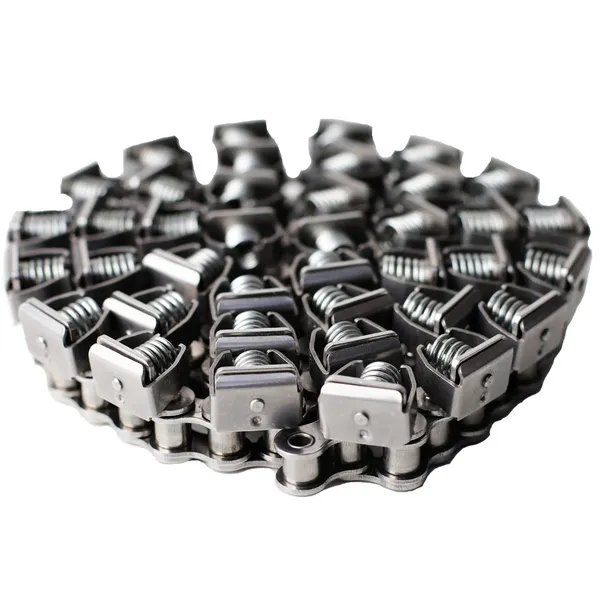
How do you calculate the maximum allowable tension in a conveyor chain?
The maximum allowable tension in a conveyor chain can be calculated using the following steps:
1. Determine the Chain Pitch:
– Measure the distance between the centers of two consecutive chain pins. This measurement is known as the chain pitch and is typically expressed in inches or millimeters.
2. Determine the Chain Speed:
– Determine the speed at which the conveyor chain will be operating. The chain speed is typically expressed in feet per minute or meters per second.
3. Calculate the Chain Pull:
– Determine the total weight or force that needs to be moved by the conveyor chain. This includes the weight of the conveyed material and any additional loads or forces acting on the chain.
4. Calculate the Required Tension:
– Use the following formula to calculate the required tension:
Tension = (Chain Pull × Chain Speed) / (Chain Pitch × Efficiency)
– The efficiency factor accounts for losses due to friction and other factors and is typically expressed as a decimal between 0 and 1.
5. Determine the Maximum Allowable Tension:
– The maximum allowable tension is determined by the manufacturer’s specifications for the conveyor chain. It is important to consult the manufacturer’s documentation or contact them directly to obtain the maximum allowable tension value.
6. Compare the Required Tension and Maximum Allowable Tension:
– Compare the calculated required tension with the maximum allowable tension. The required tension should be less than or equal to the maximum allowable tension to ensure safe and reliable operation of the conveyor chain.
By following these steps and considering the manufacturer’s specifications, you can accurately calculate the maximum allowable tension in a conveyor chain and ensure that it is within the safe operating limits.
How does a conveyor chain handle different types of materials?
A conveyor chain is designed to handle a wide variety of materials in diverse industrial applications. It is capable of efficiently transporting different types of materials, including:
1. Bulk Materials: Conveyor chains are commonly used to handle bulk materials such as grains, coal, ores, aggregates, and powders. The design of the chain, including the spacing and shape of the links, helps prevent material spillage and ensures smooth and consistent flow.
2. Packaged Goods: Conveyor chains are also used for conveying packaged goods such as boxes, cartons, crates, and pallets. They provide a stable and reliable method of transporting these items along the production line, reducing manual handling and increasing productivity.
3. Small Parts: Conveyor chains with specialized attachments or small-pitch configurations are suitable for handling small parts or components. These chains ensure precise positioning and gentle transport of delicate or intricate items.
4. Heavy-Duty Loads: Industrial conveyor chains are capable of handling heavy-duty loads, such as automotive parts, machinery components, and large equipment. They are engineered to withstand the weight and stress of these objects, providing reliable and efficient material handling in demanding environments.
5. Food and Beverage Products: Conveyor chains used in the food and beverage industry are designed to meet strict hygiene and safety standards. They are constructed from materials that are resistant to corrosion, easy to clean, and compliant with food-grade regulations. These chains ensure the safe and contamination-free handling of food products.
6. Hazardous Materials: Conveyor chains can be used to safely transport hazardous materials, such as chemicals or waste products. Specialized chains with additional safety features, such as sealed housings or containment systems, are utilized to minimize the risk of spills or leaks.
Conveyor chains can be customized with different chain configurations, attachments, and accessories to accommodate specific material characteristics and handling requirements. The selection of the appropriate chain type, material, and design parameters ensures optimal performance and efficient material handling for a wide range of materials.
ما هي سلسلة النقل وكيف تعمل؟
سلسلة النقل هي نوع من السلاسل الميكانيكية المصممة خصيصًا للاستخدام في أنظمة النقل. تتكون من سلسلة من الحلقات المتصلة التي تشكل حلقة متصلة. عادةً ما تكون هذه الحلقات مصنوعة من المعدن، وترتبط ببعضها البعض بواسطة دبابيس أو عناصر توصيل أخرى.
تعمل سلاسل النقل عن طريق نقل الطاقة والحركة من آلية الدفع، مثل المحرك أو العجلة المسننة، إلى نظام النقل لنقل المواد أو المنتجات على طول مسار محدد مسبقًا. توضع السلسلة على مسار أو قضبان توجيه، وأثناء حركتها، تحمل الحمل الموضوع عليها.
تتضمن عملية تشغيل سلسلة النقل الخطوات التالية:
- نقل الطاقة:
تقوم آلية القيادة بنقل الطاقة الدورانية إلى سلسلة النقل، عادةً من خلال محرك وعجلات مسننة. يوفر المحرك عزم الدوران اللازم لتحريك السلسلة.
- الجر والحركة:
عندما تدور آلية القيادة العجلات المسننة، تتعشق أسنانها مع حلقات سلسلة النقل. ويولد هذا التفاعل قوة جر، مما يؤدي إلى تحرك السلسلة على طول المسار المطلوب.
- حمل الأحمال:
تُوضع الحمولة المراد نقلها على سلسلة النقل. قد تكون الحمولة منتجات أو مواد أو غيرها. ومع تحرك السلسلة، تحمل الحمولة على طول نظام النقل، مما يتيح نقلها أو مناولتها بكفاءة.
- الدعم والتوجيه:
يتم دعم وتوجيه سلسلة النقل بواسطة مكونات مختلفة، مثل قضبان التوجيه والبكرات وشرائط التآكل. تضمن هذه المكونات المحاذاة الصحيحة والحركة السلسة للسلسلة على طول نظام النقل.
تُستخدم سلاسل النقل بشكل شائع في صناعات مثل التصنيع والخدمات اللوجستية والتعبئة والتغليف ومناولة المواد. وهي توفر طريقة موثوقة وفعالة لنقل المنتجات أو المواد بطريقة آلية ومتحكم بها.


editor by CX 2024-05-07